Asia · 3 cities
Things to Do in Philippines
Cebu, Manila and Puerto Princesa in one place: why you fly between islands, what the underground river requires, and the one wildlife excursion worth thinking twice about.
1,439 tours listed by Viator 3 cities we cover Free cancellation









Where to go
Cities of Philippines
In the order Viator’s own catalogue puts them — most-booked first, not alphabetical.
Full list
All cities, by region
Grouped by region using Viator’s own map of the country. The first block is the places it files directly under Philippines.


Practical info
Know before you book
The things that change a decision — not a retelling of the guidebook.
Seven thousand islands means flying
Manila and Cebu are the two hubs and almost every itinerary routes through one of them. Ferries exist and are slow; domestic flights are cheap and frequent. Budget half a day for each hop and do not plan more than three bases in two weeks.
The underground river is capped and permitted
Puerto Princesa’s subterranean river takes a fixed number of visitors a day and entry is by permit, which in practice means booking through an operator. Turning up in town and arranging it for the same day usually does not work in season.
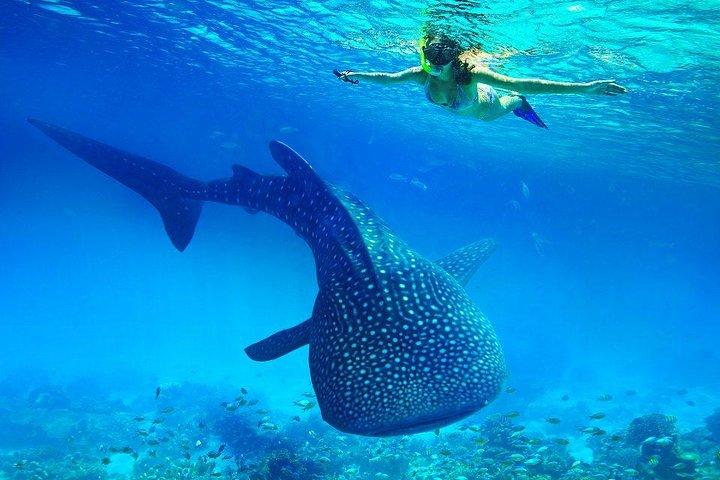
The Oslob whale sharks are fed
The sharks at Oslob on Cebu are attracted daily with food, which changes their behaviour and is criticised by marine biologists and most responsible operators. Donsol, further north, offers the same animals on a wild encounter basis with no feeding.
English is an official language
Used in government, education and signage, and spoken by most people you will deal with. For an English-speaking visitor this is among the easiest countries in Asia to travel independently.
Manila traffic is in a category of its own
Journeys across the city routinely take two to three times what a map suggests, and the airport terminals are far apart with the same traffic between them. Allow four hours between a domestic arrival and an international departure.
Typhoon season runs June to November
The Philippines takes more tropical cyclones than any other country, with the peak from August to October. Flights are cancelled rather than delayed when one passes, so build slack into the schedule in those months.
When to visit
Philippines through the seasons
What is open, how busy it gets, and when to book ahead.
Dry & cool
Dec–Feb
- Best for
- The best weather of the year, calm seas, every island trip running.
- Crowds
- Booking tip
- Christmas and New Year are the domestic peak — flights and ferries book out.
Hot & dry
Mar–May
- Best for
- Diving visibility at its best, whale sharks at Donsol, reliable sun.
- Crowds
- Booking tip
- Holy Week in March or April empties the cities and fills the beaches.
Wet
Jun–Aug
- Best for
- Low prices, green landscapes, and the cities largely unaffected.
- Crowds
- Booking tip
- Typhoon season begins — the risk rises steadily through these months.
Storm peak
Sep–Nov
- Best for
- The cheapest travel of the year and almost empty islands.
- Crowds
- Booking tip
- The highest cyclone risk — leave spare days around any onward flight.
Frequently asked
Philippines: common questions
How many days do you need in the Philippines?
Ten days for two islands plus a transit night in Manila or Cebu. Two weeks for three. The country is spread across a thousand kilometres of sea, so the constraint is flights, not distance on the ground.
What does a tour in the Philippines cost?
The country is not in our fifty-city price index, so we avoid quoting a median. It is inexpensive by regional standards: island-hopping boat days and guided dives cost less than the equivalent in Thailand or Indonesia.
When is the best time to visit?
December to May, with January to March the sweet spot for weather and sea conditions. June to November is the wet and typhoon season, cheapest by a distance and genuinely risky for tight schedules.
Should I swim with the whale sharks at Oslob?
Many travellers choose not to. The animals there are fed daily to keep them in the bay, which alters their natural behaviour and migration. Donsol in Sorsogon runs wild, unfed encounters with a seasonal window from roughly December to May.
Is Cebu or Palawan better?
Palawan for scenery — El Nido, Coron and the underground river are the images people have of the country. Cebu for accessibility, diving and a wider choice of flights. Many trips use Cebu as the hub and spend the days in Palawan.