Asia · 2 cities
Things to Do in Pakistan
Islamabad and Lahore in one place: which city holds the history, the daily border ceremony worth planning around, and what the mountain north requires.
290 tours listed by Viator 2 cities we cover Free cancellation







Practical info
Know before you book
The things that change a decision — not a retelling of the guidebook.
Lahore is the historic capital, Islamabad the built one
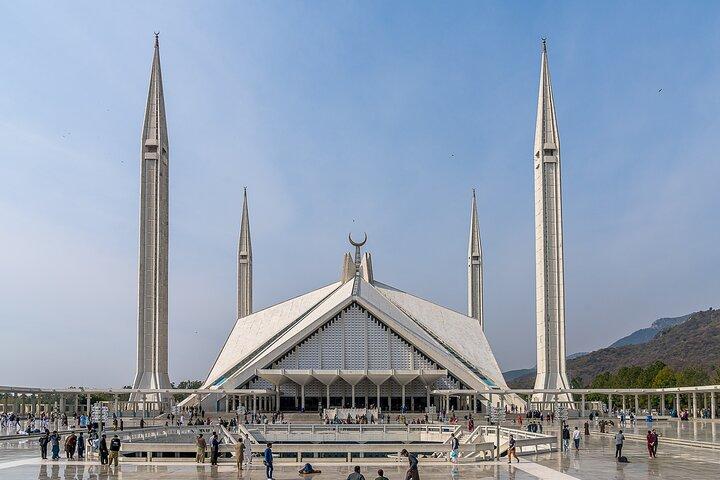
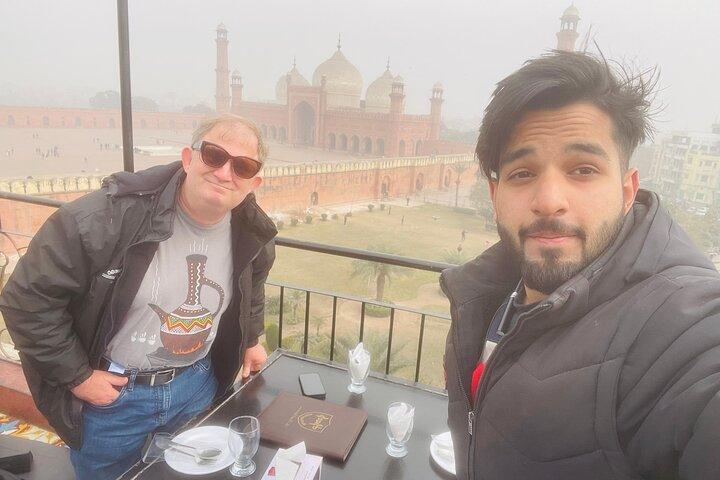
Lahore has the Badshahi Mosque, the Lahore Fort, the Walled City and the Mughal gardens — centuries of it. Islamabad was planned and built in the 1960s, is green and orderly, and is mostly a base for the mountains rather than a destination.
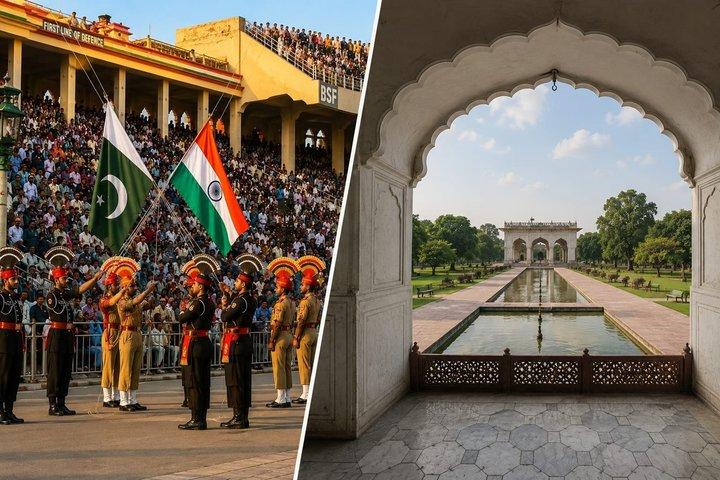
The Wagah border ceremony happens every evening
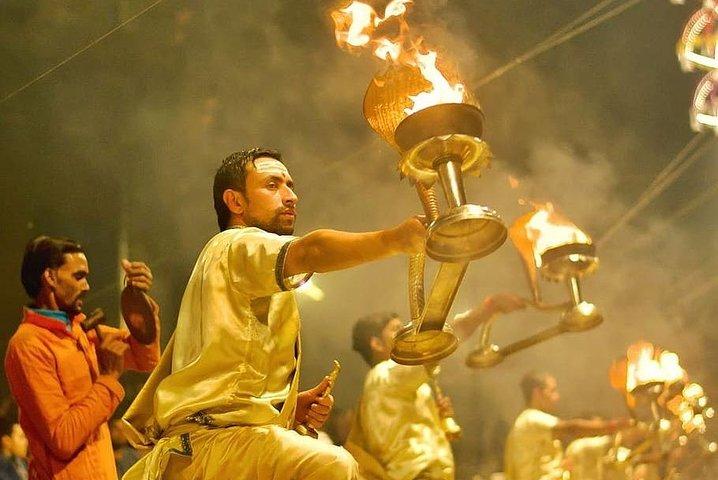
The flag-lowering at the Indian border outside Lahore is a daily piece of choreographed theatre with crowds on both sides. It is free, it takes about forty-five minutes at sunset, and it is unlike anything else in the region.
The north is why most travellers come
Hunza, Skardu and the Karakoram Highway hold some of the most dramatic mountain scenery on earth, with a season of roughly May to October. It is a domestic flight or a long drive north from Islamabad — a separate journey rather than a day trip.
Entry has become considerably easier
Pakistan moved to an online visa system open to many nationalities, which changed the practical accessibility of the country. Requirements and eligible countries have shifted repeatedly, so check the current rules rather than older accounts.
Some regions require additional permission
Areas near the borders and parts of the far north need a No Objection Certificate arranged in advance, and some regions are advised against entirely by foreign ministries. Check both the local permit position and your own government’s advice before planning a route.
The plains are extremely hot from April
Lahore regularly exceeds 45°C in May and June, and the monsoon follows in July and August. The city is a winter and early-spring destination; the mountains are the opposite, at their best precisely when the plains are unbearable.
When to visit
Pakistan through the seasons
What is open, how busy it gets, and when to book ahead.
Winter
Nov–Feb
- Best for
- Lahore and the Punjab at their most comfortable, clear air, the Mughal sites.
- Crowds
- Booking tip
- Winter smog in Lahore can be severe in December and January — check before travelling.
Spring
Mar–Apr
- Best for
- Blossom in the northern valleys, warm days on the plains, everything accessible.
- Crowds
- Booking tip
- Late spring is the best overall window if you want both the cities and the north.
Summer
May–Aug
- Best for
- Hunza, Skardu and the Karakoram, which are only open in these months.
- Crowds
- Booking tip
- The plains pass 45°C and the monsoon arrives in July — go north or do not go.
Autumn
Sep–Oct
- Best for
- The northern valleys in colour, clear mountain views, the plains cooling.
- Crowds
- Booking tip
- October in Hunza is the photograph everyone comes for — and the roads are still open.
Frequently asked
Pakistan: common questions
How many days do you need in Pakistan?
Three or four days for Lahore and Islamabad together. If the mountains are the point, add at least a week for the north — the Karakoram Highway and the Hunza valley are slow, remote and worth the time.
What does a tour in Pakistan cost?
Pakistan is not in our fifty-city price index, so we avoid a median figure. Costs are low by international standards, with private drivers and guides affordable enough that most visitors use them rather than public transport.
When is the best time to visit?
October to March for Lahore and the plains, with the caveat of winter smog. May to October for the northern mountains, which are closed or hard going outside that window. The two halves of the country have almost opposite seasons.
Is Pakistan safe for visitors?
The situation varies sharply by region and changes over time. The main cities and the northern tourist areas receive foreign visitors regularly; other regions carry serious travel advisories. Check your own government’s current advice for the specific areas on your route before booking.
Are tours run in English?
English is an official language and widely used in education, business and signage, so guiding in English is straightforward in both cities and on the northern routes.