Middle East · 2 cities
Things to Do in Israel
Tel Aviv and Jerusalem in one place: what Shabbat closes, how the Old City’s access rules work, and how short the distances really are.
984 tours listed by Viator 2 cities we cover Free cancellation



Where to go
Cities of Israel
In the order Viator’s own catalogue puts them — most-booked first, not alphabetical.


Practical info
Know before you book
The things that change a decision — not a retelling of the guidebook.
Shabbat stops a large part of the country
From Friday sunset to Saturday nightfall, public transport largely stops, shops and most restaurants close in Jerusalem, and the pace changes everywhere. Tel Aviv keeps much more open. Plan the Friday evening and Saturday around it rather than against it.
The Temple Mount has restricted visiting hours
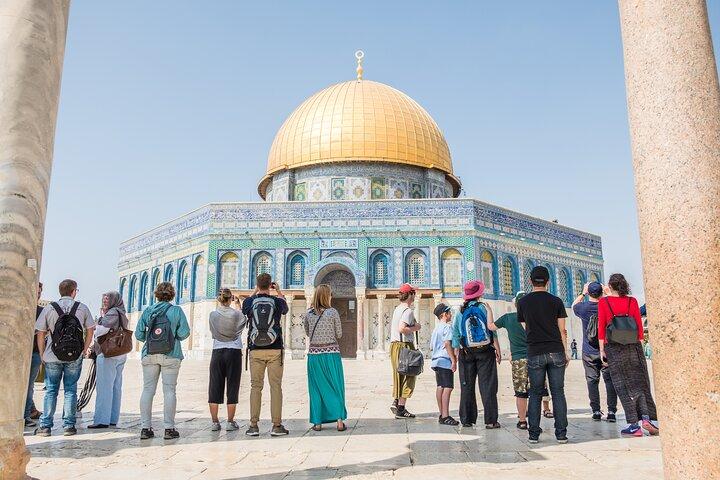
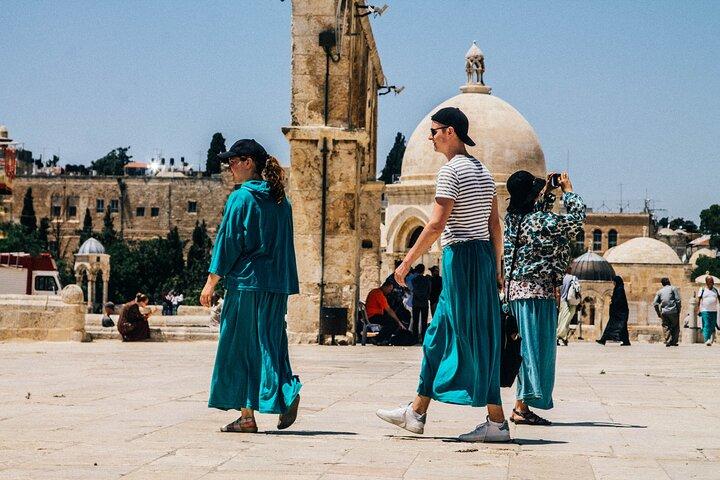
Non-Muslim visitors enter through one gate, during limited morning windows, not on Fridays or Muslim holidays, and access can be suspended at short notice. Modest dress is required and religious items are not permitted. Arrive early; the queue forms before opening.
Everything is close together
Tel Aviv to Jerusalem takes about half an hour on the fast train, and the Dead Sea and Masada are around ninety minutes from either. The whole country is smaller than many people expect, which makes single-base day trips the normal pattern.
Masada is a sunrise trip
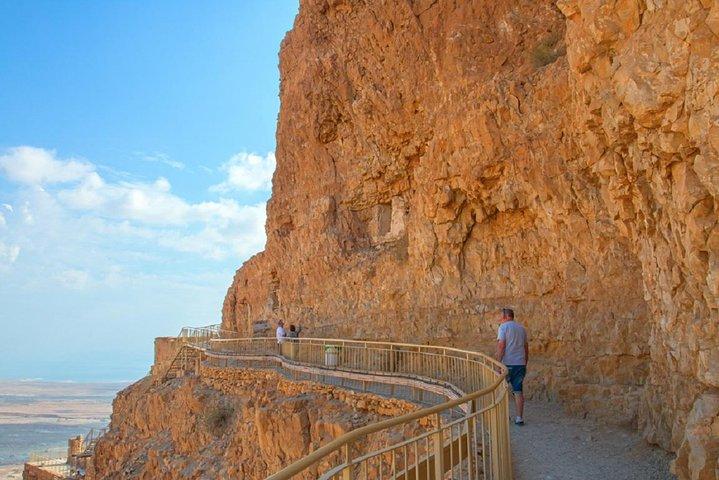
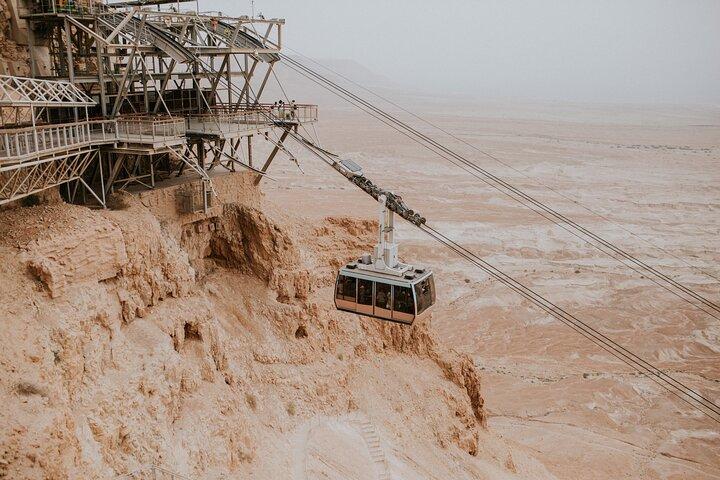
The early cable car or the Snake Path on foot — about forty-five minutes up in the dark — gets you to the summit for the light over the Dead Sea. Later in the day it is extremely hot and exposed, and the experience is a different and lesser one.
Three climates in a two-hour radius
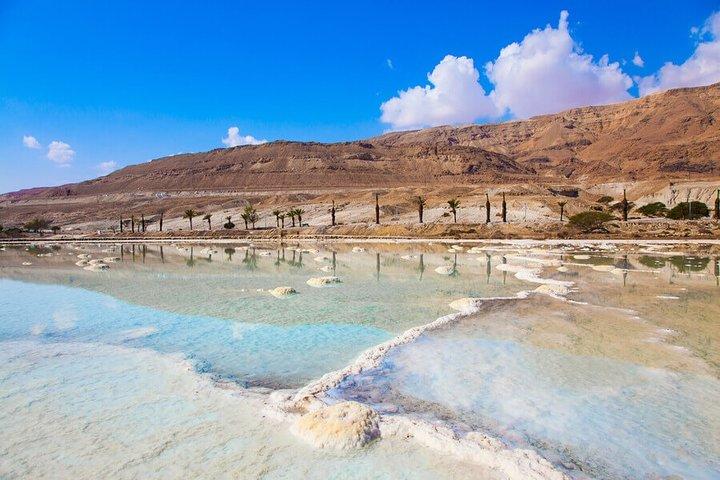
Jerusalem is at eight hundred metres and can be cold and wet in winter; Tel Aviv is Mediterranean; the Dead Sea and Eilat are desert and many degrees hotter. A day trip from Jerusalem to the Dead Sea moves through all three.
Security checks are routine
Bag checks at malls, stations and bus terminals are ordinary daily life here and are quick. Separately, the regional situation changes and can affect access to specific areas at short notice — check current advice before finalising a route.
When to visit
Israel through the seasons
What is open, how busy it gets, and when to book ahead.
Spring
Mar–May
- Best for
- The best weather of the year, green hills, Jerusalem comfortable to walk.
- Crowds
- Booking tip
- Passover and Easter fall in this window and fill Jerusalem entirely.
Summer
Jun–Aug
- Best for
- Tel Aviv beaches, the Mediterranean, long evenings on the coast.
- Crowds
- Booking tip
- The Dead Sea and Eilat exceed 40°C — desert sites are a dawn activity.
Autumn
Sep–Nov
- Best for
- Warm sea, comfortable sightseeing, the second good window of the year.
- Crowds
- Booking tip
- The Jewish high holidays in September and October close offices and fill hotels.
Winter
Dec–Feb
- Best for
- Empty sites, the Dead Sea and Eilat pleasantly warm, the lowest prices.
- Crowds
- Booking tip
- Jerusalem is cold and wet and occasionally snows; the desert and the south do not.
Frequently asked
Israel: common questions
How many days do you need in Israel?
A week: three days in Jerusalem, two in Tel Aviv, and day trips to the Dead Sea with Masada and to the Galilee or Nazareth. The distances are short enough that one or two bases cover the country.
What does a tour in Israel cost?
Israel is not in our fifty-city price index, so we avoid quoting a median. Costs are broadly western European: guided Old City walks are mid-range, while full-day trips to Masada, the Dead Sea and the Galilee are at the upper end of the catalogue.
When is the best time to visit?
March to May and September to November. Summer is hot, particularly inland and at the Dead Sea. Winter is mild on the coast and cold and wet in Jerusalem. Check the Jewish holiday calendar, which closes services and fills hotels several times a year.
What happens on Shabbat?
Public transport stops nationally from Friday afternoon until Saturday evening, and in Jerusalem most shops and restaurants close. Taxis and shared services still run, and Tel Aviv stays considerably more open. Plan the Saturday as a walking day or a day with a private driver.
Can you visit the Temple Mount?
Non-Muslim visitors can, through the Mughrabi Bridge entrance, during restricted morning hours on most days but not Fridays or Muslim holidays. Access is suspended from time to time without notice, so treat it as something to try early in your stay rather than to build a day around.