Tokyo 6 hr Private Guided Tour & Tea Ceremony Experience
Description
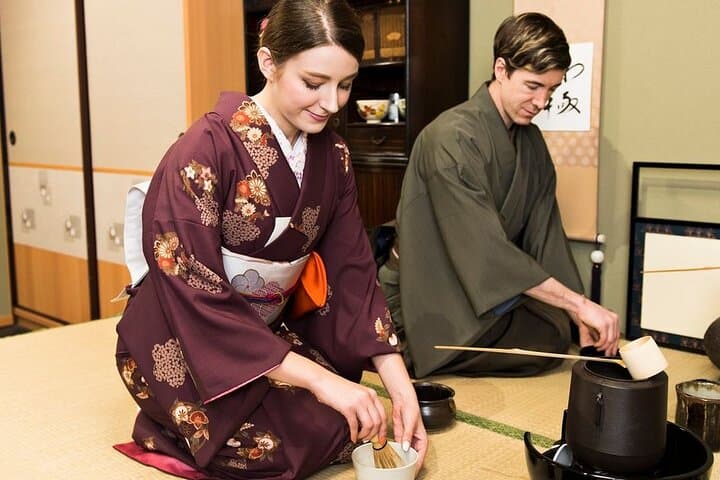
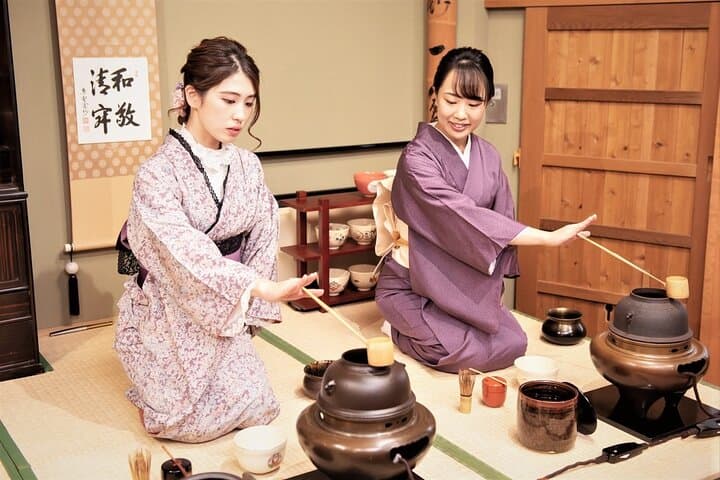
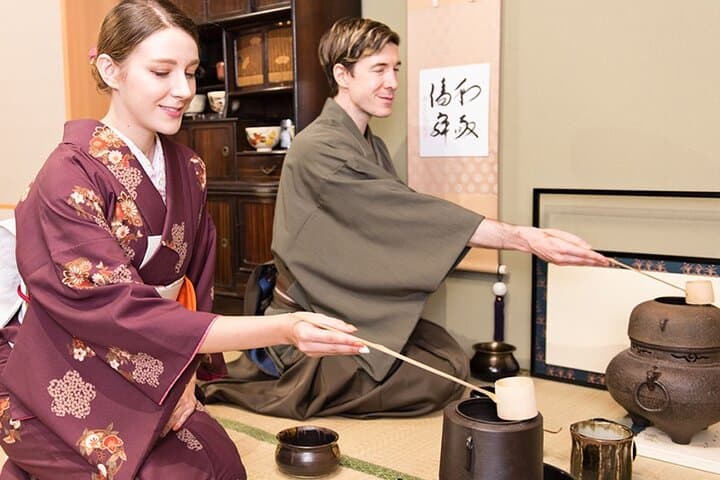
In this 6-hour Tokyo walking tour, you can experience the traditional Japanese tea ceremony known as "sado". Sado reflects the spirit of "wabi-sabi," a philosophy which finds beauty in simple refinement, old ways, and solitude. Beyond just serving and enjoying green tea, one of the main purposes of the tea ceremony is for the guests to enjoy the hospitality of the host . Your guide will drop you off at Jidaiya after a 5-hour walking tour. Start time: Your start time for the experience may vary. The estimated time for the experience will be about 5 hours from the start of the tour. In this tour, you will learn the spirit of Japanese tea culture through experience! Your Tea Ceremony experience also comes with a walking tour. You can visit a few sights of your choosing with your guide. Please budget about 2 hours for each sight. Age: Children can join this tour, however, the tea ceremony experience is for those 12 and up. Note: The start time for the experience may vary.
Tour Options
Itinerary
Jidaiya's Japanese culture experience programs are for those seeking for a good alternative of Asakusa sightseeing and for the people who wish to have more profound and authentic Japanese experience.
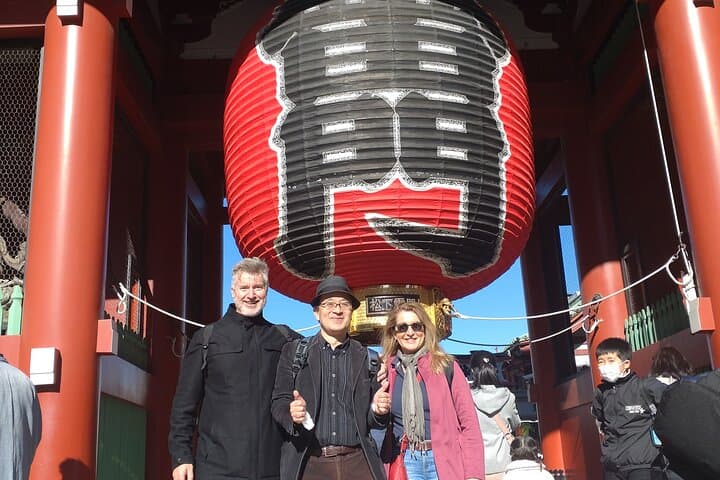
Asakusa (浅草) is the center of Tokyo's Shitamachi (literally "low city"), one of Tokyo's districts, where an atmosphere of the Tokyo of past decades survives. Asakusa's main attraction is Sensoji, a very popular Buddhist temple, built in the 7th century. The temple is approached via the Nakamise, a shopping street that has been providing temple visitors with a variety of traditional, local snacks and tourist souvenirs for centuries.
Sensoji (浅草寺, Sensōji, also known as Asakusa Kannon Temple) is a Buddhist temple located in Asakusa. It is one of Tokyo's most colorful and popular temples. The legend says that in the year 628, two brothers fished a statue of Kannon, the goddess of mercy, out of the Sumida River, and even though they put the statue back into the river, it always returned to them. Consequently, Sensoji was built nearby for the goddess of Kannon. The temple was completed in 645, making it Tokyo's oldest temple.
**This tour does not include access to the inside of the Imperial Palace** The current Imperial Palace (皇居, Kōkyo) is located on the former site of Edo Castle, a large park area surrounded by moats and massive stone walls in the center of Tokyo, a short walk from Tokyo Station. It is the residence of Japan's Imperial Family. Edo Castle used to be the seat of the Tokugawa shogun who ruled Japan from 1603 until 1867. In 1868, the shogunate was overthrown, and the country's capital and imperial residence were moved from Kyoto to Tokyo. In 1888 construction of a new Imperial Palace was completed. The palace was once destroyed during World War Two and rebuilt in the same style, afterward.
Hama Rikyu (浜離宮, Hama Rikyū), is a large, attractive landscape garden in central Tokyo. Located alongside Tokyo Bay, Hama Rikyu features seawater ponds which change level with the tides, and a teahouse on an island where visitors can rest and enjoy the scenery. The traditionally styled garden stands in stark contrast to the skyscrapers of the adjacent Shiodome district.
Shibuya Scramble Crossing (渋谷スクランブル交差点, Shibuya sukuranburu kōsaten), or commonly known as Shibuya Crossing, is a popular scramble crossing in Shibuya, Tokyo, Japan. It is located in front of the Shibuya Station Hachikō exit and stops vehicles in all directions to allow pedestrians to inundate the entire intersection.
Harajuku (原宿) refers to the area around Tokyo's Harajuku Station, which is between Shinjuku and Shibuya on the Yamanote Line. It is the center of Japan's most extreme teenage cultures and fashion styles, but also offers shopping for adults and some historic sights. The focal point of Harajuku's teenage culture is Takeshita Dori (Takeshita Street) and its side streets, which are lined by many trendy shops, fashion boutiques, used clothes stores, crepe stands and fast food outlets geared towards the fashion and trend conscious teens.
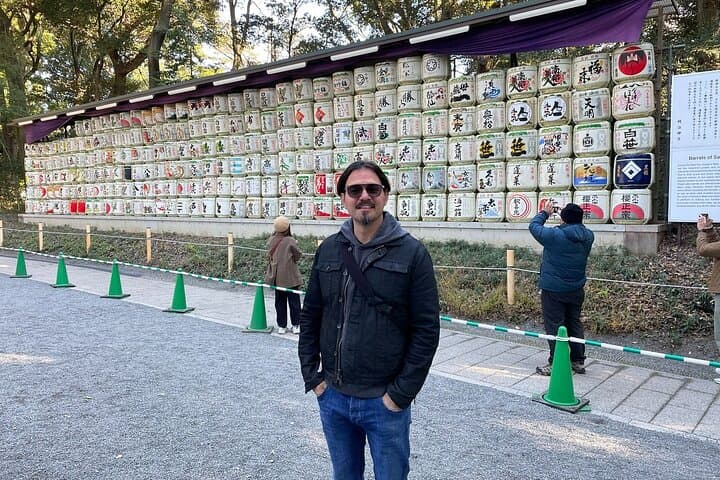
Meiji Shrine (明治神宮, Meiji Jingū) is a shrine dedicated to the deified spirits of Emperor Meiji and his consort, Empress Shoken. Located just beside the JR Yamanote Line's busy Harajuku Station, Meiji Shrine and the adjacent Yoyogi Park make up a large forested area within the densely built-up city. The spacious shrine grounds offer walking paths that are great for a relaxing stroll. The shrine was completed and dedicated to Emperor Meiji and Empress Shoken in 1920, eight years after the passing of the emperor and six years after the passing of the empress. The shrine was destroyed during the Second World War but was rebuilt shortly thereafter.
Akihabara (秋葉原), also called Akiba after a former local shrine, is a district in central Tokyo that is famous for its many electronics shops. In more recent years, Akihabara has gained recognition as the center of Japan's otaku (diehard fan) culture, and many shops and establishments devoted to anime and manga are now dispersed among the electronic stores in the district. On Sundays, Chuo Dori, the main street through the district, is closed to car traffic from 13:00 to 18:00 (until 17:00 from October through March).
Also known as Tsukiji Outer Market (築地場外市場, Tsukiji Jōgai Shijō), Tsukiji Fish Market is a district adjacent to the site of the former Tsukiji Wholesale Market. It consists of a few blocks of wholesale and retail shops, as well as restaurants crowded along narrow lanes. Here you can find fresh and processed seafood and produce alongside food-related goods such as knives. A visit to Tsukiji Outer Market is best combined with a fresh sushi breakfast or lunch at one of the local restaurants. The restaurants are typically open from 5:00 in the morning to around noon or early afternoon.
Rikugien (六義園) is often considered Tokyo's most beautiful Japanese landscape garden alongside Koishikawa Korakuen. Built around 1700 for the 5th Tokugawa Shogun, Rikugien literally means "six poems garden" and reproduces in miniature 88 scenes from famous poems. The garden is a good example of an Edo Period strolling garden and features a large central pond surrounded by manmade hills and forested areas, all connected by a network of trails.
Koishikawa Korakuen (小石川後楽園, Koishikawa Kōrakuen) is one of Tokyo's oldest and best Japanese gardens. It was built in the early Edo Period (1600-1867) at the Tokyo residence of the Mito branch of the ruling Tokugawa family. Like its namesake in Okayama, the garden was named Korakuen after a poem encouraging a ruler to enjoy pleasure only after achieving happiness for his people. Koishikawa is the district in which the garden is located in.
Golden Gai is said to have started around 1950 when the black market that had arisen in front of Shinjuku Station moved and, in this new area, a number of eating and drinking establishments set up shop. Although Shinjuku has undergone considerable modernization since then, Golden Gai seems to have remained largely unchanged. The alley is narrow and cramped with countless signs advertising the various establishments that line the way. Many of the buildings themselves are made of wood, remnants hanging on from the Showa Era. Most measure only around thirteen square meters (one hundred forty-two square feet). It's a dim, boisterous place filled with the aromatic smoke of grilling meats. Yet despite the nearly endless number of slick new restaurants available in Shinjuku, this little alley continues to draw the attention of foreign tourists. Golden Gai is a popular “un-touristy” tourist spot.
Shinjuku Gyoen (新宿御苑) is one of Tokyo's largest and most popular parks. Located a short walk from Shinjuku Station, the park's spacious lawns, meandering walking paths, and tranquil scenery provide a relaxing escape from the busy urban center around it. In spring Shinjuku Gyoen becomes one of the best places in the city to see cherry blossoms.
Highlights
What's included
Pickup Locations & Times
This private tour is a walking tour. A private vehicle is not included. Public transportation or local taxis maybe used to transfer between sites. Exact transportation costs can be discussed with the guide after a reservation is finalized. Please have Japanese Yen on hand for your transportation costs. Please be aware that we can only pick you up within Tokyo 23 Special Wards.
Traveller Ratings
Important Information
- Service animals allowed
- Infants and small children can ride in a pram or stroller
- Transportation options are wheelchair accessible
- Wheelchair accessible
- Suitable for all physical fitness levels
Reviews(7)
Yumi is an outstanding guide. She greatly assisted in guiding us in our choices of areas Tokyo to tour based on our likes. Yumi gave us a wealth of information on Japanese history and culture specific to the areas we toured. She met us in the lobby of our Tokyo hotel and guided us with travel using the Tokyo train and subway. We choose to see the Rikugien garden, the Asakusa area of Tokyo and the Sensoji Temple. The Japanese Tea ceremony was beautiful, calming and informative. Yumi helped us arrange to add wearing Kimonos for this experience. She graciously took our photos throughout this tour. She is such a lovely lady. We highly recommend this tour and have high praises for Yumi.
What a wonderful message! Thank you so much. It was unforgettable tour for me as well. Through our enjoyable conversation, I could feel your respect for Japanese culture. I was especially delighted that you wore kimonos and participated in the tea ceremony. You both looked absolutely beautiful in them. Please come back to Japan again. I'll be waiting! YUMI😊
Taka was an excellent tour guide. He was so much fun and very knowledgeable. He put together a terrific itinerary for our group. It was a great way to get around the city!
Thanks for your great review! 3D-art cafe was cool and artistic, wasn't it? I hope and believe you've enjoyed the rest of the tour in Japan. Taka
Did this tour with Kris. He was a nice and pleasant guy but couldn’t keep up the pace and kept getting lost at the different subway exits. He also really couldn’t take photos well. He seemed very new to being a tour guide. At times he was also hard to understand. I think the tour would be much better with someone younger and faster.
Thank you very much for taking the time to share your feedback on the Tokyo 6-hour Private Guided Tour & Tea Ceremony Experience. We are truly sorry to hear that your experience did not meet your expectations. While we’re glad to hear that you found your guide to be pleasant, we regret that other aspects of the tour fell short. Your comments have been taken seriously and will be reviewed with our team to ensure we can improve the quality of our guide training and provide a more seamless and enjoyable experience for our future guests. We especially appreciate your honesty, as it helps us identify areas for growth. Please accept our sincere apologies for any inconvenience or disappointment caused. We understand how valuable time is when traveling, and we’re sorry we couldn’t deliver the high-quality experience you were hoping for. We truly appreciate your feedback and hope the rest of your time in Japan was enjoyable and filled with memorable experiences. Warm regards, Japan Guide Agency
Thank you to Shuji, our guide, who had prepared very well as we were keen to understand the history of Japan. He contacted prior to our trip to understand what we were looking for and he delivered a tour that was fun and informative.
Thank you for your high evaluation of my guide. I am pleased to know you have enjoyed the Tour. I also had unforgettable time talking with you. Conversation with you reminds me nice memories when our family stayed in your town & country. I wish your family every happiness. Shuji
Amazing time with a wonderful tour guide, Yuki!!! Thanks for making our day manageable- we would have been lost without you. Yuki is a fabulous guide and great with kids. (Ages 9,13,14,18). She got us to all of our requested stores and restaurants!!
Wow, I really enjoyed being your guide! I still remember how lovely family you are. After you left, I was actually thinking about my parents. I want to be a good daughter like you are! I hope to see you again. Keep in touch! Come back again! Yuki
Sachi was our guide on the 1st day in Japan. She picked us up at the hotel and explained everything, including how the transport works and helped us get the travel card. She is really nice and fun and has a lot of knowledge about history and traditions, and she communicates them very enthusiastically. She even took us to a Japanese restaurant where nothing was in English, and it was a real experience where she even taught us our first words in Japanese ❤️ She enjoys her job, and that's something you can feel. Without a doubt, we would recommend her!
Thank you for your wonderful review! I was honored to guide you on a special occasion of your life. I am so happy to hear that you enjoyed the Japanese restaurant since I wanted it to be a memorable one for both of you. We will be waiting for you to come back to Japan as a 10th or 20th anniversary! - SACHI -
We had a great time with Yuki. She was very knowledgeable and shared a lot of interesting and cool stuff about Tokyo. She was very patient with our two kids and took us to several places that tailored to their age and interest.