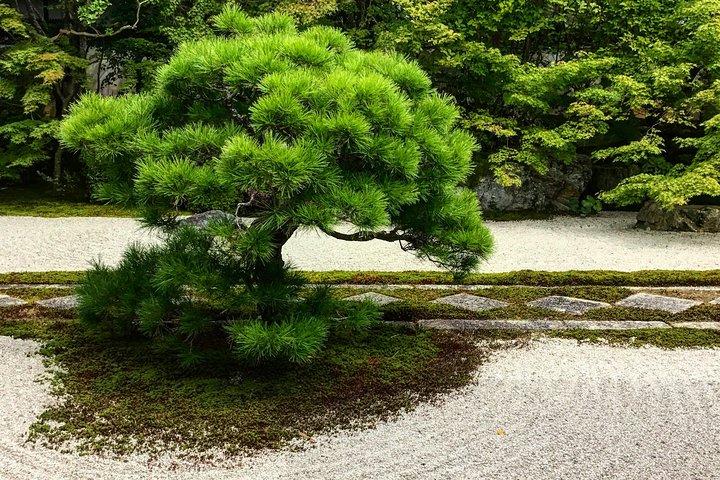
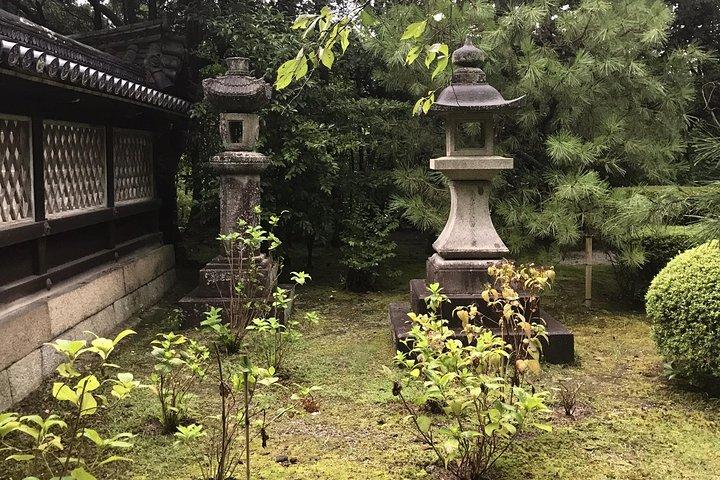
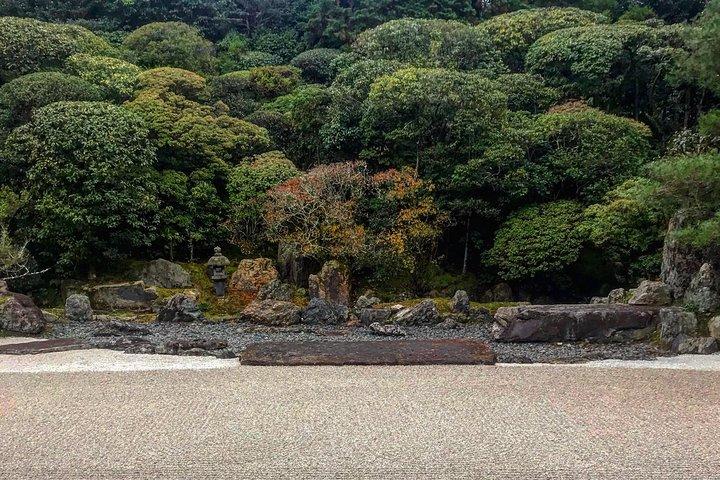
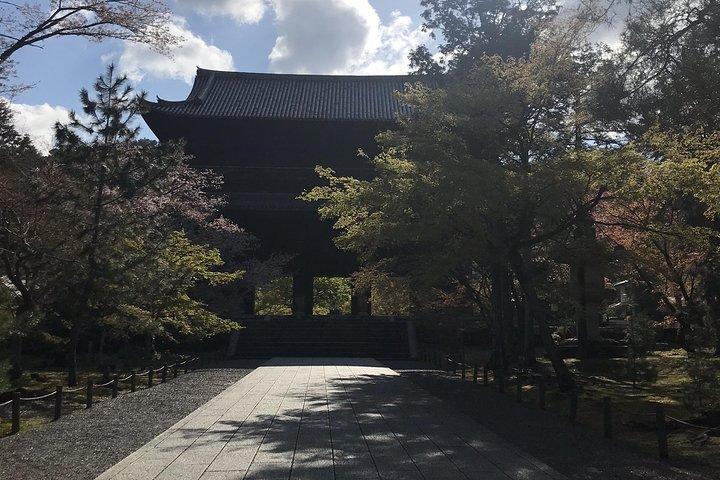
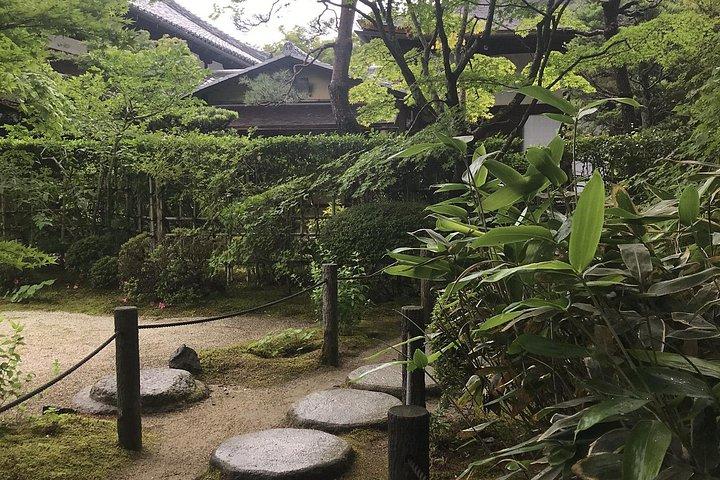
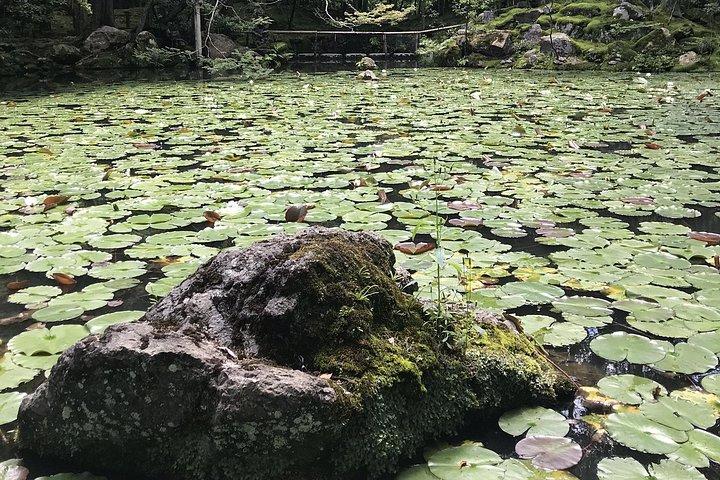
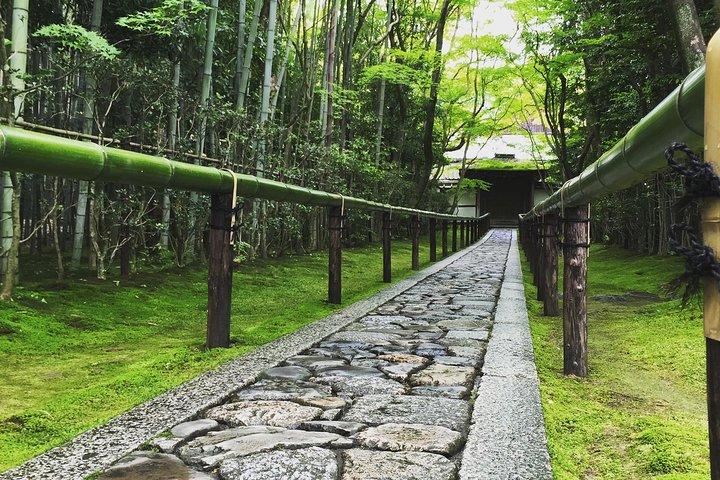
Our tour with Andrew through the zen gardens was a highlight of our time in Japan. He was very knowledgeable and passionate about the spaces and was a pleasure to spend the morning with. We will seek out another tour with him if we return to Kyoto.
M
monicamK3830PP
June 24, 2026
Incredible insight into the history, meaning, and significance of these gardens
Andrew is an exceptional guide. If you want to truly understand the history and meaning of these gardens, you could not ask for a better guide. We were a family with an 11 year old from NYC, and walked away having gained an extensive knowledge and appreciation for them that far exceeded our expectations. Andrew is an extremely friendly and relaxed guide and I highly recommend this tour!
E
Eve B
June 12, 2026
Insightful and well worth it
Fantastic tour that gave us a deeper appreciation for Japanese culture. Andrew is a wonderful guide and manages to convey huge amounts of history and cultural insights into a thoughtful, engaging way. My college aged teenagers and I were fascinated and found the entire tour to be one of the highlights of our trip. We loved the gardens and would never have understood the symbolism and significance behind them if we’d just visited on our own. Andrew took us to an area of Kyoto we hadn’t visited before and thankfully avoided crowds. A memorable experience.
L
Lauren_H
May 14, 2026
Must do!
Andrew was fantastic! We found his tour incredibly informative and relaxing. He brought the gardens and stories to life! I highly recommend this tour as my family very much enjoyed it!
G
Gillian_W
May 5, 2026
Japanese garden looks...
Japanese garden looks different to me now, I can see the depth of the gardens. Thank you for helping us see the various dimensions of Japanese living.
D
D4928ZFcheryls
March 26, 2026
Start here first to get grounded in Kyoto.
We did the half day Zen Garden tour. Andrew had incredible depth of knowledge in history, art, politics, garden design and spirituality. He had an easy going style and was intentional in curating an experience that provided beautiful views and limited crowds, with plenty of time to enjoy the spaces. We highly recommend Andrew as a guide.
J
John_K
August 6, 2025
Amazing Tour
Fantastic Tour!
It was an unforgettable experience made even more meaningful by Andrew’s insightful explanations of the gardens and the principles of Buddhism.
C
C8858LVaarond
June 26, 2025
Amazing Tour
Truly an amazing experience. Andrew's knowledge to Japanese culture and history was second to none. His background in gardens and Zen made this tour remarkable.
I recommend Andrew to anyone who is planning a first time trip or who is a repeat visitor.
1人が参考になったと回答
R
RnI_Houston
May 21, 2025
Zen Gardens / Zen Mind was one of the best tours we've had in 40+ years of travel
The Zen Garden / Zen Mind afternoon we spent with Andrew was probably one of the best tours we’ve had in our 40+ years of travel. As other reviews have noted, his deep knowledge and passion for Zen philosophy and traditional gardens and the understated way he shared it was enlightening. He increased our understanding of the outward beauty of the garden to their spiritual and meditative meanings.
At the end of the tour, I was basically in awe of the genius in design and the skill in execution of the garden’s builders. I also carried away a different understanding of Zen meditation and have a renewed self-desire to slow down, observe, and truly embrace each day.
So, how did Andrew do this all of this in an afternoon tour? I offer two examples.
The first example was near the beginning. I found his response to a simple question I asked a masterclass in in tying the garden’s design and plants to the underlying meditation and spiritualism meanings. As we entered one garden, the trees had no leaves and overall there was not a lot of color as the various blossoms had faded. I wondered what it would look like 6-months later. Andrew didn’t reply directly and instead said that many people think of there being 4 seasons in a year but that In Japanese poetry and spiritualism there are 72 seasons of about 5 days each. He continued “Consider if you were to sit here each day and really watch the garden, to enjoy and to appreciate what it is on that day. It has its own life as it is. You’d notice how it slowly changed from the last 4-7 days. Something is always changing. In winter the water might be almost frozen over and the trees are bare. A week later it is a bit warmer. Mists start to develop and linger. Soon, there is more insect movement. The plum tree blossoms start to open. Birds start nesting. As the plum blossoms fall in 1-2 weeks the peach trees start to blossom and as they fade the cherry trees start, and so on through the year. Some things die by the winter and others live on but they are different than they were. And the cycle repeats”. He then tied the 72-seasons concept to Zen spiritual teachings: “Things always change and nothing is permanent. Be mindful and appreciate what you have today.” He finished saying that the garden’s designers tried to incorporate elements that would highlight each of the 72 seasons and encourage meditation.
The other example was when he pointed to an area with some raked-gravel and a mound with 3 upright rocks in front on the other side of the gravel. Then, he painted a mental picture asking us to imagine being on an ocean and seeing a mountain in the distance with 3 figures at the shore. One was Budda, one was a goddess, and one was a child. He continued to tie the garden to the mental image. The gravel and lines were the ocean, the 3 upright rocks were the 3 figures, and the mound in back was the mountain. Lastly, he tied the design to Zen meditation and teaching where the Budda stone represented wisdom tranquility and enlightenment to remind us to cultivate inner peace and mindfulness; the Goddess stone (Kwannon) symbolized compassion, mercy, and feminism energy to remind us of selfless love and the interconnectedness of all beings and , the child’s stone (Seishi) represented youthful energy, innocence and potential to reignite a sense of childish wonder and openness.
These are two examples. Do this tour. You won’t regret it.
1人が参考になったと回答
R
Robert_G
March 26, 2025
Focused on traditions...
Focused on traditions behind Japanese gardens; also basics about Shinto and Buddhist traditions and practices. Andrew was excellent, highly knowledgeable with a Master’s in landscape architecture and a personal interest in the philosophy and spiritual elements behind them