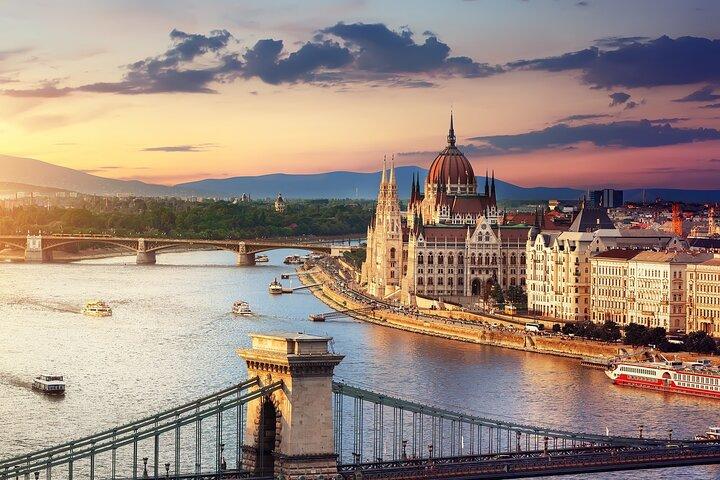
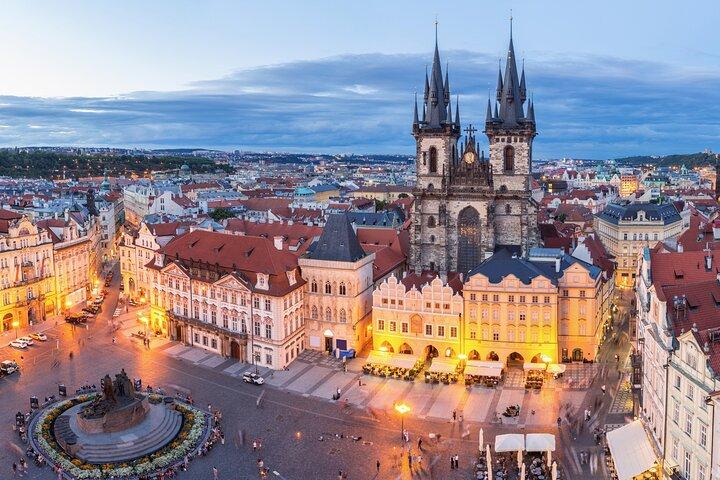
I really enjoyed my experience on this seven-day, seven-country tour through Central and Eastern Europe! Looking back on everything I was able to see, learn, photograph, taste, and experience during such a short period of time, I can confidently say that this was one of the most exciting, educational, culturally enriching, and memorable travel experiences I have ever had. The trip was truly amazing. Every day seemed to bring a completely different landscape, city, country, historical period, architectural style, language, and cultural experience. There was always something new to see and something interesting to learn. Over the course of only seven days, I was able to experience an incredible variety of castles, churches, cathedrals, imperial palaces, gardens, monuments, opera houses, concert halls, museums, restaurants, shopping areas, rivers, bridges, historic districts, and beautiful European city centers. I saw places that I had previously encountered only in photographs, history lessons, books, documentaries, and travel programs. Actually standing in front of these landmarks and walking through cities that have existed for hundreds or even thousands of years gave me a completely different appreciation for European history and culture. One of the things that impressed me most was simply how much we managed to experience. We traveled through Switzerland, Liechtenstein, Germany, Austria, Slovenia, the Czech Republic, and Hungary, while our broader itinerary also brought us through an impressive collection of cities and regions across Central Europe. Among the destinations and stops I experienced were Zurich and Lucerne in Switzerland; Vaduz in Liechtenstein; Munich, Frankfurt, Dresden, Berlin, and Germany's beautiful Rhineland wine country; Salzburg and Vienna in Austria; Prague in the Czech Republic; Budapest in Hungary; and other fascinating places along the route. Bratislava, Slovakia, was also among the Central European cities connected with this whirlwind journey. The number of destinations alone made this tour feel like a grand European adventure. Switzerland: A Beautiful Beginning Switzerland was one of the first places that made me realize just how special this trip was going to be. Zurich immediately gave me an impression of elegance, wealth, cleanliness, sophistication, and order. The city seemed extremely polished, yet it still retained the historic charm that makes European cities so interesting. I had the opportunity to see Bahnhofstrasse, Zurich's world-famous shopping boulevard and one of Europe's best-known luxury shopping streets. Walking through an area associated with prestigious stores, banks, luxury brands, and international commerce was fascinating. Zurich has an atmosphere that manages to feel both historic and incredibly modern at the same time. Lake Zurich was another highlight. Taking photographs near the lake was one of those classic European travel experiences that I had hoped to have before the trip. The combination of the water, the architecture, the surrounding landscape, and the peaceful atmosphere made the area incredibly picturesque. Some places are difficult to capture fully in photographs because the experience of actually standing there is much more impressive than any picture can communicate, and Lake Zurich was one of those places. Lucerne was equally memorable, but in a different way. It felt almost like walking into a postcard. The surrounding mountains, lake, historic architecture, bridges, and charming streets created an atmosphere that was peaceful and beautiful. One of my favorite sights in Lucerne was the famous Kapellbrücke, or Chapel Bridge. This historic covered wooden bridge is one of Lucerne's most recognizable landmarks and is among Europe's oldest surviving covered wooden bridges. Seeing it in person was remarkable because it combines architecture, history, scenery, and local identity in a single landmark. Walking through an area that has been recognized for centuries made me appreciate just how much history survives throughout Europe. I was also deeply impressed by the Lion Monument in Lucerne. The monument commemorates Swiss Guards who died during the French Revolution while defending the Tuileries Palace in Paris in 1792. The sculpture has a quiet, solemn quality that contrasts with the bustling tourist areas nearby. Seeing the wounded lion carved directly into the rock was both beautiful and moving. It was a reminder that many of the monuments throughout Europe are not simply decorative tourist attractions; they preserve memories of real people and historical events. The Swiss countryside itself was another unforgettable part of the experience. The scenery often looked almost unreal because it was so beautiful. Between the mountains, lakes, green landscapes, clean towns, and historic buildings, there seemed to be something worth photographing everywhere I looked. Liechtenstein: A Tiny Country With Enormous Charm Visiting Liechtenstein was particularly exciting because it is such a small country and is not necessarily a destination that everyone gets an opportunity to visit. Vaduz was peaceful, attractive, prosperous, and exceptionally clean. The atmosphere was noticeably different from the larger cities we visited. Instead of the constant movement of places such as Berlin, Vienna, or Prague, Vaduz had a quieter and more relaxed feeling. That contrast was one of the best parts of traveling through so many countries in such a short time. Even neighboring European countries can have very different personalities, landscapes, architectural styles, histories, and cultural traditions. Our visit also included an interesting postal experience and museum-related attractions. Learning about Liechtenstein's postal history was surprisingly interesting, especially because stamps and postal services can tell a story about a country's identity, government, art, historical figures, and international relationships. There was something fascinating about being in one of Europe's smallest sovereign countries and realizing that despite its geographic size, Liechtenstein has its own national identity, traditions, institutions, history, and culture. Germany: History, Culture, Language, and Incredible Cities Germany was another major highlight of the tour, and it was especially meaningful to me because I had an opportunity to practice some of my German language skills. There is a major difference between studying a language academically and actually hearing and using it in the country where it is spoken. Even relatively simple interactions became part of the cultural experience. Reading signs, recognizing familiar words, hearing native speakers, and communicating when opportunities arose made my previous German studies feel much more tangible. Germany also demonstrated just how much diversity can exist within a single country. Munich felt elegant, prosperous, organized, historic, and culturally rich. The city has beautiful architecture and a strong connection to Bavarian history and identity. I enjoyed seeing its churches, streets, public spaces, and historic buildings while learning more about the region's traditions. Throughout the journey, I saw numerous Catholic churches and other religious structures, some with histories reaching back many centuries. These churches were among the most visually impressive sights of the entire trip. Their towers, altars, paintings, sculptures, stained glass, decorative ceilings, and intricate craftsmanship reflected an extraordinary amount of artistic and religious dedication. Even for someone simply approaching these buildings from the perspective of architecture and history, it is difficult not to be impressed by the amount of labor required to construct them in eras without modern machinery. The churches also provided an interesting window into European history. Religion was deeply connected with government, art, education, politics, and everyday life for centuries, so visiting historic churches helped me understand European civilization in a way that reading about it alone could not accomplish. Germany's Rhineland wine country provided another beautiful contrast. Moving away from large metropolitan areas and seeing the countryside helped me appreciate the natural landscape of Europe. Vineyards, rolling hills, small communities, historic buildings, and scenic roads made the journey itself enjoyable rather than simply being transportation between attractions. Frankfurt provided yet another side of Germany, combining history with the atmosphere of a major modern financial and commercial center. Dresden was also fascinating because of its extraordinary history and architecture. The city has endured tremendous destruction and reconstruction, and seeing its historic character today made me think about the enormous changes Central Europe has experienced over the last century. Berlin was one of the most historically significant destinations on the entire tour. Visiting the Brandenburg Gate was an incredible experience. It is one of those landmarks that is instantly recognizable from photographs, movies, television, textbooks, and historical documentaries. Standing there in person was completely different. The Brandenburg Gate has witnessed enormous transformations in German and European history, from earlier periods of Prussian and German history through war, division, the Cold War, and reunification. We also saw the Reichstag Building, home of the German Bundestag. Its historical significance made it another memorable landmark. Berlin constantly reminds visitors that European history is not something distant or abstract. Many of the locations where major twentieth-century events unfolded still exist and remain part of the modern city. That mixture of old and new was one of Berlin's most fascinating qualities. Austria: Music, Imperial Grandeur, and Magnificent Architecture Austria was absolutely one of the highlights of the entire tour. Salzburg and Vienna are both closely associated with music, art, religion, and European history, and experiencing these places helped me understand why Austria has such an important cultural reputation. One of the experiences I especially enjoyed was learning more about Wolfgang Amadeus Mozart and visiting sites associated with his life and musical legacy. Mozart is such an important figure in the history of Western classical music that being in the part of Europe where he lived and worked made his story feel much more immediate. Attending a Mozart concert was an especially memorable part of the trip. Hearing professional musicians perform classical music in an ornate European setting created an atmosphere that felt elegant and almost timeless. The richly decorated interior, including its striking golden details, made the performance feel like much more than an ordinary concert. It was an entire cultural experience. There is something unique about hearing classical European music performed in the region that produced composers such as Mozart. Instead of listening to the music through headphones or hearing it in the background of a movie, I was sitting in a beautiful hall listening to professional musicians perform it live. That was an experience I will remember for a very long time. Vienna was magnificent. The city seemed to contain imperial architecture everywhere I looked. Vienna's buildings communicate the city's former importance as the political and cultural center of the Habsburg monarchy, and visiting these landmarks made European history feel much more real. Schönbrunn Palace was one of the most impressive destinations of the entire tour. The palace and its grounds were enormous, beautiful, elegant, and filled with history. It served as a major imperial summer residence of the Habsburg rulers, and its development is strongly associated with Empress Maria Theresa, one of the most important rulers in Habsburg history. Walking through the palace area made it easy to imagine the scale and ceremony of imperial life. The architecture, formal rooms, decorations, gardens, and surrounding grounds reflected a level of wealth and political power that is difficult to comprehend until you see a place like Schönbrunn in person. The gardens were also spectacular. European royal gardens are almost attractions in themselves because of their enormous scale, symmetry, landscaping, fountains, sculptures, pathways, and carefully designed views. I also visited the Hofburg, another enormous imperial complex associated with the Habsburg dynasty. The scale of the Hofburg was astonishing. It was another reminder that Vienna was once the center of an empire that influenced much of Central Europe. St. Stephen's Cathedral was equally impressive in a completely different way. Its Gothic architecture, towering presence, religious significance, and extraordinary details made it one of Vienna's most memorable landmarks. Looking at buildings like St. Stephen's Cathedral made me think about the generations of people who worshiped there and the enormous historical changes that occurred around the building while it remained part of the city. We also saw the Austrian Parliament Building and other important government and historic sites. Vienna has been connected with many significant political events and personalities, including some of the darkest chapters of twentieth-century European history. Adolf Hitler was born in Austria and later became the dictator of Nazi Germany, and Austria itself has a complicated history surrounding the rise of Nazism, the 1938 Anschluss, and the Second World War. Seeing locations connected with European political history made the educational side of the trip especially powerful. At the same time, Vienna was not solely about history. It felt alive, sophisticated, elegant, and modern. The city combines museums, cafés, shopping, classical music, government institutions, churches, palaces, public squares, and modern city life in a way that makes almost every neighborhood interesting. Our stop at Designer Outlet Parndorf also gave us a completely different experience from all of the historical sightseeing. After visiting so many churches, monuments, castles, and palaces, having time for shopping was a fun change of pace. It provided an opportunity to relax, browse stores, and enjoy another aspect of contemporary European life. The Danube: A River Connecting European History Seeing the Danube River was another meaningful experience because of how important it has been to European geography, commerce, politics, culture, and history. Before this trip, the Danube was something I knew primarily as a name on maps or from history and culture. Seeing it in person made me appreciate how major rivers helped shape the cities and civilizations of Europe. The Danube connects multiple countries and major cities, including Vienna, Bratislava, and Budapest. Traveling through this region made it possible to understand how interconnected Central European countries really are. Modern borders divide countries politically, but rivers, mountain ranges, trade routes, languages, empires, and cultural traditions have linked these regions for centuries. Budapest: Monumental and Majestic Budapest was another extraordinary destination. The city is filled with dramatic architecture and has a completely different visual personality from Zurich, Munich, Vienna, or Prague. Seeing so many major European capitals on the same trip made it possible to appreciate these differences much more clearly. Heroes' Square was one of the important landmarks we visited. Its monumental scale immediately communicates the importance of Hungarian national history. The statues and monuments commemorate major figures from Hungary's past, and the entire square has a ceremonial quality. Fisherman's Bastion was another favorite. Its towers, terraces, staircases, and panoramic setting make it one of Budapest's most visually memorable attractions. The views from the Buda side of the city were incredible and provided another opportunity for fantastic photographs. Buda Castle was equally impressive. Standing in such a historically important district and looking across the city made me appreciate Budapest's geography. The relationship between Buda, Pest, the Danube, the hills, bridges, and monumental architecture gives the city a dramatic appearance. Matthias Church was another beautiful religious landmark. Like so many of the churches I saw throughout the tour, its architectural details demonstrated the extraordinary artistic traditions of Central Europe. Budapest was a perfect example of why this trip was so rewarding. Within a relatively short period, I could move from a palace to a cathedral, from a monument to a riverfront, and from ancient history to modern urban life. Prague: Like Walking Through a Historical Storybook Prague was absolutely beautiful and easily one of the most photogenic cities of the entire journey. The historic center has an almost storybook quality. Towers, church spires, cobblestone streets, colorful façades, bridges, public squares, and centuries-old buildings appear in every direction. Seeing Prague's Astronomical Clock was especially exciting. It is one of the city's most famous attractions and a remarkable example of medieval craftsmanship and scientific knowledge. Watching crowds gather around such an old and recognizable landmark reminded me how certain historical objects can become symbols of an entire city. Prague Castle was another major highlight. The castle complex is enormous and contains layers of Czech political, royal, religious, and architectural history. St. Vitus Cathedral was breathtaking. Its enormous Gothic structure, intricate exterior, stained glass, religious artwork, and towering interior made it one of the most impressive churches I encountered anywhere on the trip. Charles Bridge was another unforgettable landmark. Walking near or across a bridge that has been part of Prague for centuries while seeing the Vltava River, historic buildings, statues, and castle skyline was exactly the type of experience I had imagined when thinking about visiting Europe. Prague was one of those cities where I constantly wanted to stop and take photographs because almost every direction offered another interesting view. Seven Countries, Countless Historical Connections One of the most valuable aspects of this tour was realizing how closely interconnected the histories of Central and Eastern European countries are. Before traveling there, it can be easy to think about Germany, Austria, Hungary, the Czech Republic, Switzerland, Slovenia, Liechtenstein, Slovakia, and neighboring countries as completely separate places. Traveling through the region reveals a much more complicated picture. Empires expanded and disappeared. Borders moved. Royal families married across territories. Languages influenced one another. Wars transformed governments. Religious movements reshaped societies. Trade connected cities. Music and artistic traditions crossed borders. Entire regions that belong to different modern countries were once governed within the same political systems. The Habsburg monarchy was especially important to many of the places we visited. Vienna's palaces, Budapest's monumental architecture, Prague's historic sites, and other destinations all contain traces of political relationships that existed long before today's national borders. Learning about these connections while physically traveling between countries made history much easier to understand. Instead of seeing history as a collection of dates and names, I could associate historical events with actual buildings, rivers, streets, monuments, churches, and landscapes.
フランクフルト発中央ヨーロッパ7日間ツアー6


+3 photos


概要
- 所要時間
- 7 日
- 料金
- $958 / 人
- 場所
- Frankfurt, ドイツ
- 評価
- 4.5 / 5 · 2 件のレビュー
- 言語
- CMN, EN
- グループ
- 少人数(最大48名)
- キャンセル
- 無料キャンセル
- 確認
- 24時間以内
- チケット
- モバイルチケットまたは印刷したチケットの受付可
- 事業者
- Kaytrip
- 集合場所
- 出発時間08:30集合場所の写真、手順、ガイド連絡先が記載されたグループ通知メールが届きます。 15分早く到着し、必要な場合はガイドに連絡してください。
説明
プラハと帝政ウィーンのストーリーブックの魅力からブダペストのドナウ川の美しさ、活気に満ちたベルリンまで、中央ヨーロッパ6カ国を7日間で探索しましょう。 象徴的な都市、文化的な見どころ、風光明媚なルートの完璧な組み合わせで、忘れられない1週間にもっと見たい旅行者に最適です。
ツアーオプション
含まれるもの
含む
宿泊施設: 4つ星ホテル6泊(ツイン/ダブルルーム共用)
車両:コーチまたは車(注:申込者数による)
荷物: 23kgの荷物1個と機内持ち込み荷物1個
含まない
チップ
すべての入場チケット: ゲストは、自分の希望に応じて参加するかどうかを選択できます。
ランチとディナー
市許可証と市税(必須 ) ( 6~12歳は半額、5歳以下は無料)
ドゥナレア・クルーズ
不可抗力による遅延や変更による経済的損失や責任
シングルルーム補足(シングルルームをご希望の場合は「シングル」オプションを選択してください)
ツアー前と最終日の宿泊
個人的な費用、ビザ、航空運賃、旅行保険、その他インクルージョンに記載されていない費用
上記「内容」に含まれていないその他のもの
シェーンブルン宮殿 (宮殿チケット)
旅行者の評価
4.5
2 レビュー
重要情報
- 近くに公共交通機関があります
- 幼児は大人の膝の上に座る必要があります
- 背骨に健康上の問題がある方にはおすすめしません
- 妊娠中の方にはおすすめしません
- 心血管疾患のある方にはおすすめしません
- あらゆる体力レベルの方に適しています
- 6歳未満のお子様とダブルルームを大人2名でご利用の場合、お子様料金が適用されます。 但し、お子様が別ベッドをご利用の場合は大人料金が適用されます。 大人1名が子供と同室の場合、子供は大人と同料金となります。
- 一人旅でツインルームを選択された場合は、同性ルームメイトを手配いたします。 相部屋が安息に影響を与えることが心配な場合は、事前にシングルルームを予約することをお勧めします。
- 相部屋が安息に影響を与えることが心配な場合は、事前にシングルルームを予約することをお勧めします。
- すべての乗客にパスポートの名前と番号、性別、生年月日、国籍が必要です。予約時にお知らせください。
- ツアー開始前に必要なパスポート(最低6ヶ月有効 ) 、 ビザ、健康、保険、その他の渡航規制をすべて遵守することは、各旅客の責任です。
- 18歳未満のお子様は大人の同伴が必要です
- ヨーロッパのホテルではトリプルルームの数が限られているため、3名様グループにはトリプルルームは手配されません•
- 集合案内メールは出発3日前までにツアーガイド情報、スケジュール、集合場所、ホテル情報などをお送りします。•
- 弊社は、英語と中国語のツアーのお客様を同じバスに同乗させる権利を有します。 ツアーには、英語と中国語の両方が話せるツアーリーダーが1名います。 希望する言語(中国語/英語)で接客してくれます。
- 記載の時間は参考値です。 天候、交通状況、その他の不可抗力により遅延が発生する場合があります。 乗り継ぎの旅行プランがある場合は、少なくとも3時間の延長予約を強くお勧めします。
- ツアー中はスタンダードツインルームのご予約となりますが、ダブルベッドもリクエスト可能です。
- 70歳以上の高齢者は、家族参加者の同伴と「シニア参加者声明書」への記入が搭乗前に必要です。 ご家族の同伴がなく、どうしても契約を希望される場合は、弊社にご注文をお断りする権利があります。 旅行中に個人的な問題によって引き起こされた結果はすべて自己責任です。
- ケイトリップツアー中に撮影された画像や動画の使用、再利用に関する著作権は、すべて弊社に帰属します。
キャンセル
出発予定時刻の6日前までにキャンセルされた場合、全額返金の対象となります。<br>出発予定時刻の2~6日前までにキャンセルされた場合、50%が返金されます。<br>出発予定日の2日前以内にキャンセルされた場合、0%が返金されます。
6日前以上100%の払い戻し
2〜6日前まで50%の払い戻し
0〜2日前まで0%の払い戻し
レビュー(2)
O
An Unforgettable Seven-Day, Seven-Country Journey Through Central and Eastern Europe — 9.5/10 to 10/10 Stars!
J
Limited English...
Limited English information was given ,maybe we were the only couple don't understand mandarin. Tour guide text us daily information in English ,but we know we missed a lot. We enjoyed the trip and we saw many interesting places in such a short time.
Frankfurtの類似ツアーを比較
- 最安値: Frankfurt Nightlife Tour: 4 Venues, Shots & Club Entry — $29
- 最高評価: Frankfurt Highlights English Walking Tour — 4.9 (1,366 件のレビュー)
- 最短: Frankfurt Highlights English Walking Tour — 2–3 時間
| ツアー | 所要時間 | 評価 | 料金 | |
|---|---|---|---|---|
| フランクフルト発中央ヨーロッパ7日間ツアー6 | 7 日 | 4.5 (2) | $958 | |
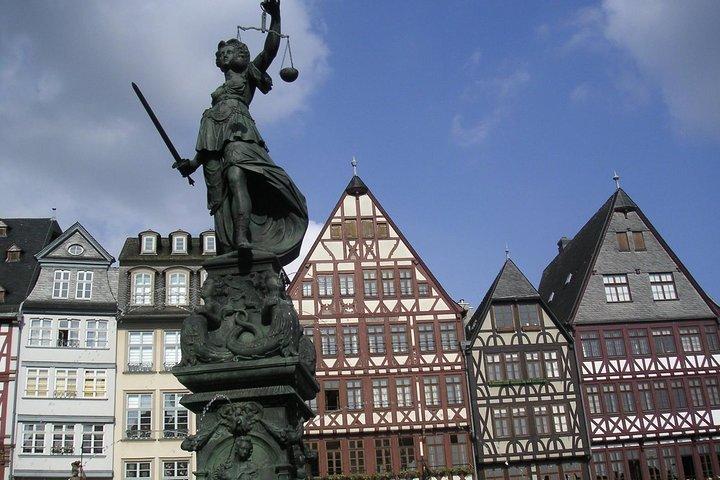 Frankfurt Highlights English Walking Tour Frankfurt Highlights English Walking Tour | 2–3 時間 | 4.9 (1,366) | $35 | 見る |
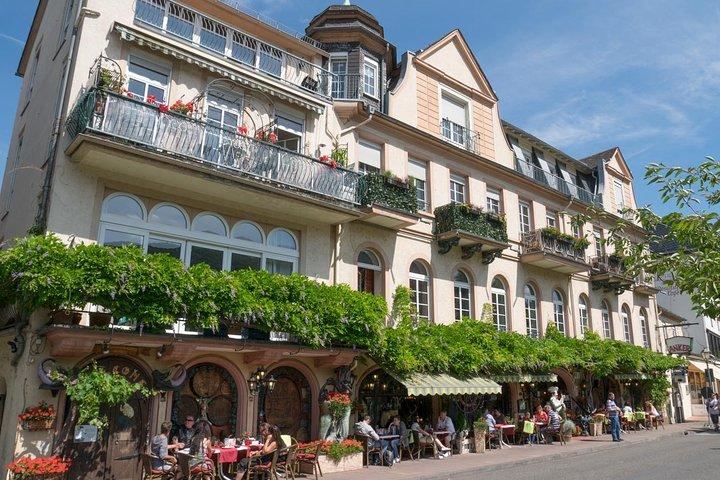 Rhine Valley Trip from Frankfurt Rhine Valley Trip from Frankfurt | 8 時間 | 4.1 (1,270) | $173 | 見る |
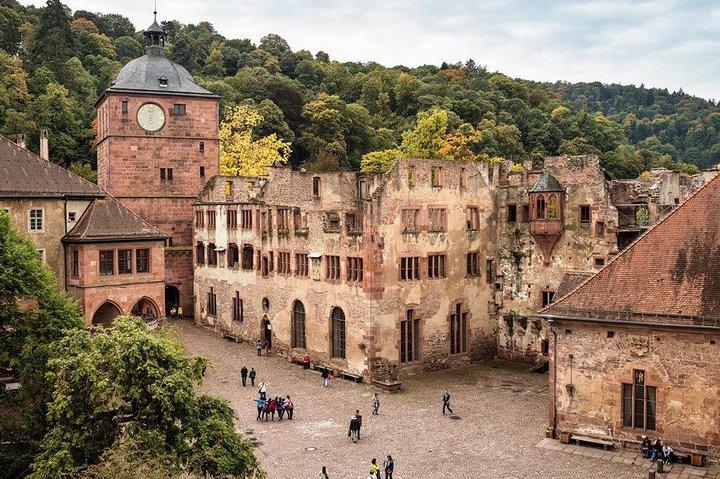 Heidelberg Castle and Old Town Tour from Frankfurt Heidelberg Castle and Old Town Tour from Frankfurt | 5h 30分 | 4.2 (637) | $150 | 見る |
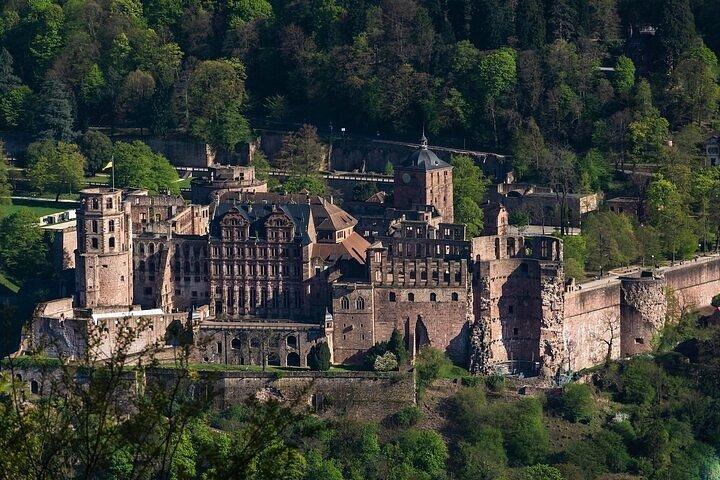 Heidelberg Castle and City Day Tour from Frankfurt Heidelberg Castle and City Day Tour from Frankfurt | 5h 30分 | 4.7 (380) | $145 | 見る |
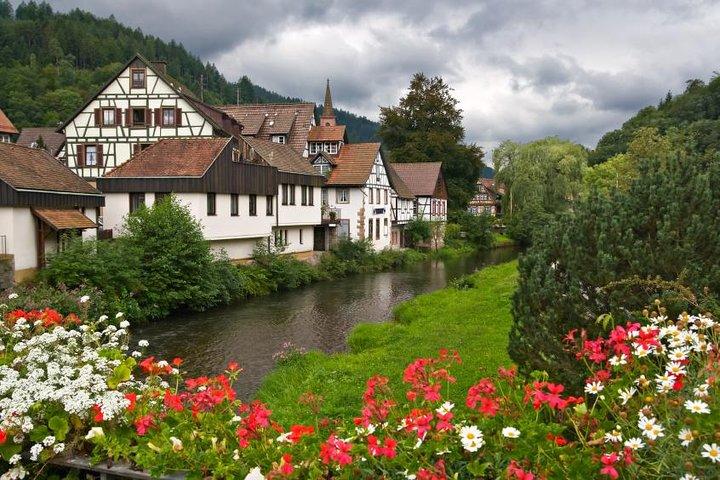 Baden-Baden, Black Forest and Strasbourg Day Trip from Frankfurt Baden-Baden, Black Forest and Strasbourg Day Trip from Frankfurt | 11 時間 | 4.1 (306) | $343 | 見る |
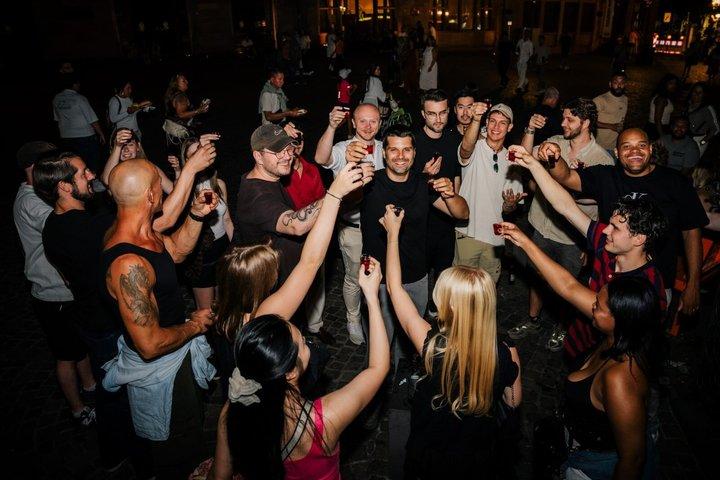 Frankfurt Nightlife Tour: 4 Venues, Shots & Club Entry Frankfurt Nightlife Tour: 4 Venues, Shots & Club Entry | 4 時間 | 4.6 (133) | $29 | 見る |
料金$958
4.5(2) 無料キャンセル