国立故宮博物院北部分館 台湾への入場



説明
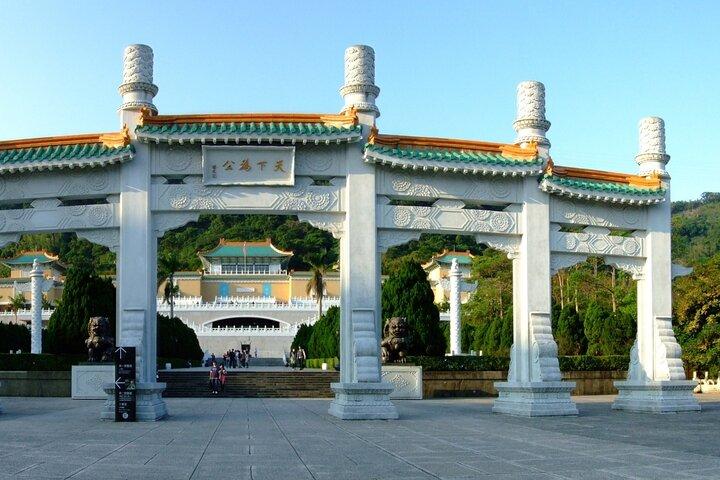
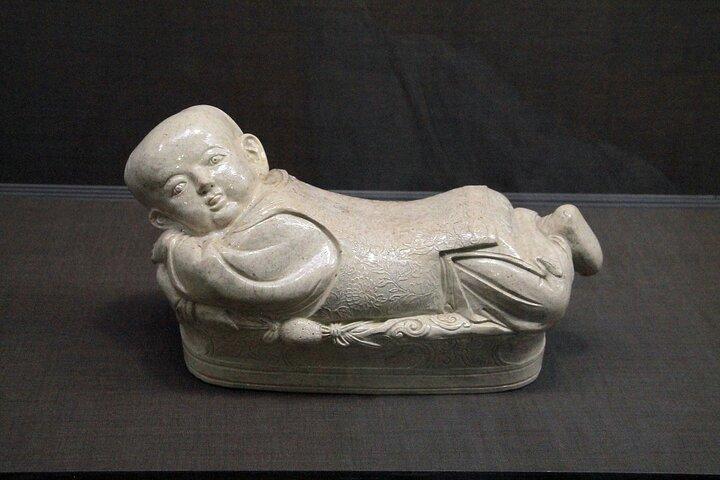
台湾の国立故宮博物院北部分院を訪れてみましょう。あらゆる背景や興味を持つ旅行者に忘れられない経験を約束する文化の宝石です。国立故宮博物院北分院には、70 万点を超える貴重な工芸品の驚くべきコレクションが所蔵されています。 8,000 年にわたる中国の最も精緻な美術品や歴史的宝物が所蔵されています。 美術館自体が建築の傑作です。モダンで革新的なデザインは自然環境を引き立て、伝統と革新の調和のとれたブレンドを提供します。この博物館では、訪問者が中国の歴史と伝統をより深く理解できるよう、没入型の文化体験を提供しています。 要約すると、台湾の国立故宮博物院北部分館は、歴史的宝物、建築の美しさ、文化体験、そして静かな自然環境のユニークな融合を提供します。今すぐ予約して、何世紀にもわたる歴史と文化を巡る他にはない旅に出かけましょう。
ツアーオプション
旅程
台湾の最も有名な博物館を巡る 1 日ツアーで、中国の豊かで長い歴史をたどります。美しい芸術から古代の工芸品まで、これらの建物に展示されている数え切れないほどの宝物に畏敬の念を抱いてください。 台北の国立故宮博物院に足を踏み入れると、新石器時代から現代に至るまでの 6,000 点以上の工芸品で中国美術の進化を見ることができます。精巧な書道、陶芸、絵画に驚嘆してください。芝山庭園を散策して、風水と中国建築の調和を鑑賞してください。 北支店は、台湾北部の緑豊かな風景の中に建つ近代建築の傑作として設計されています。建物の内装と外装のデザインは、それ自体がユニークで没入型の博物館体験を提供するアトラクションになることが期待されていました。
ハイライト
含まれるもの
旅行者の評価
重要情報
- 車いす対応
- 幼児や小さなお子様は乳母車やベビーカーに乗せることができます
- 近くに公共交通機関があります
- 幼児は大人の膝の上に座る必要があります
- 送迎は車いす対応です
- あらゆる体力レベルの方に適しています
- 北支店:火曜日から日曜日、午前9時から午後5時まで、月曜定休
- 図書館棟は月曜日、日曜日、祝日が休館日となります。
- 北部支店: 以下の書類を提示し、現地スタッフに QR コードをスキャンしてもらいます - 台湾 ID カード、ISIC (国際学生証)、または APRC (外国人永住者証明書)
レビュー(3)
As a first time visitor to Taipei, I very much enjoyed learning about the rich history and culture. The museum was a wonderful way to explore and learn.
Visited the beautiful National Palace Museum this morning. I had read the book ‘Breekbare lading’ by Adam Brookes in the Netherlands and was fascinated by that story. To see the most precious part of this cargo (read art treasures) in this museum was a special experience. The museum was just half an hour from our hotel. We bought the tickets in advance. The museum opens at 9 am and it is recommended to go early so that you can first view the showpiece, the bush pak choi with grasshopper of jade on the third floor before the crowds of tourists come. We were there at 09.30 and were just in time to photograph it quietly. You can compare the popularity of the art object to our national pride, Rembrandt's Night Watch. You will also find the most beautiful other jade objects, bronzes, scriptures, embroidered and woven landscapes, jewelry, Buddhas, tableware, vases, etc. Everything is clearly described and there is enough staff to help you. Very welcoming all although we found the interior of the building not contemporary. Beautiful museum shops. We stayed there for over three hours and were impressed. Then we walked through the beautiful garden. Below is a description of Adam Brookes’ book ‘Breakable cargo’: Adam Brookes reconstructs museum director Ma Heng’s unique sixteen-year journey to safeguard the art treasures of the Forbidden City, a journey that teaches us much about modern-day China. When Japan invaded Manchuria in 1931, fears of air strikes on Beijing grew. There were fears for the fate of the art treasures in the Forbidden City: precious porcelain, priceless silk paintings, unique calligraphies and libraries, plus ten giant stones with inscriptions considered the primordial texts of China. Ma Heng, the modest museum director, was ordered to have everything packed and taken inland. It was the beginning of an incredible journey, which would last almost sixteen years. All the while, Heng and his curators were on the road, carrying nearly twenty thousand wooden crates full of valuables. They traveled by train and steamer, in trucks, with rafts and sometimes on foot, their cargo on the backs of countless porters. So they pushed deeper and deeper into the country. The treasures ended up in caves, temples and barns, where they were tried as best as possible to keep them out of the hands of the advancing Japanese troops, and to protect them from termites, moisture, heat and cold. After the Japanese capitulation, the Chinese Civil War flared up, eventually resulting in a divided country. That would also determine the fate of the collection itself: part ended up in Beijing, another in Taipei.
The collection of bronzes and ceramics is wonderful. Since there are many items in the collection, the exhibition often changes hands. This month's special exhibition is also interesting. It is home to an unimaginably large collection of precious European and Chinese jewelry, mainly from the 19th and early 20th centuries. There were few paintings in this exhibition. All are displayed in a spacious, leisurely space, with careful commentary. There are also many benches on which you can sit, and you can enjoy them at your own pace. He often brought his own bottle and supplied hot and cold water freely. Admission is free of charge, with no checks or restrictions on bags. Flash photography is prohibited. Writing with a ballpoint pen is also acceptable. There are many attendants, but there are no small restrictions on the audience like in Japan. The restrooms are spacious and the facilities are modern and clean. The gift shop also has a Japanese catalog. If you have written a postcard, you can also buy stamps at a nearby post office and put them in the green box designated for the National Palace Museum. By the way, you can also exchange money at the post office. Walking around the wonderful gardens of the adjacent Charitable Garden leads to the National Palace Museum without climbing stairs.