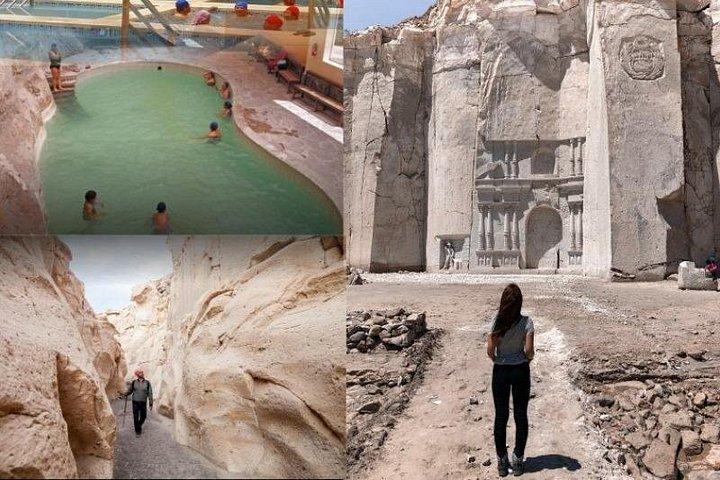
The ashlars usually have a size and weight that requires them to be handled by machines, unlike the masonry, which, as the name suggests, is placed by hand. Small ashlars or those that are roughly carved are called sillarejos. When the ashlars are superimposed without a mortar, mortar or cement to join them, the resulting work is called dry ashlar. They are generally taken from an elongated stone that has three parts: head, heart, and trunk or body. The same material is also called ashlar, with which objects and sculptures have historically been made. You can visit its Sillar quarries in Arequipa in the town of Añashuayco. The Ccapua Waterfall is an enclave located one hour northwest of the city of Arequipa located in the district of Yura at 2603 meters above sea level. The place has a warm dry climate with an average temperature of 24. This incredible waterfall has a slope of approximately 30 meters and its waters rush into the middle of enormous rock formations. The best time to appreciate the spectacle offered by this waterfall is between the months of December and April, when the constant rains cause the flow to increase. It is on foot in an average of 2 hours, the walk begins from the town of La Calera; Here there is a horseshoe-type entrance next to the children's games, through this path you can see the desert of the volcanic terrain, a variety of cacti to the Ccapua ravine or Ccapua farm where there are farmlands and a great variety of flora. wild. Then we begin the path through the Ccapua canyon where we can see water leaks and a variety of bushes that cover the immense stones that make up the canyon, generating an impressive landscape full of adventure. This can be seen until we reach the Corontorio Waterfall, the journey of Hike through the canyon is an average of 30 minutes.
プライベートツアーシラールルート+由良温泉


概要
- 所要時間
- 6 時間
- 料金
- $140 / 人
- 場所
- Arequipa, ペルー
- 評価
- 5.0 / 5 · 1 件のレビュー
- 言語
- EN, ES
- グループ
- 少人数(最大10名)
- キャンセル
- 24時間前まで無料キャンセル
- 確認
- 即時
- チケット
- モバイルチケットまたは印刷したチケットの受付可
- 事業者
- A Y C ADVENTURE
説明
事前にご確認ください前に必要な場合、5日間のご予約 シラーの議長アレキパ市のシラー採石場は、市の北西部にあり、ユラ、セロコロラド、ウチュマヨの各地区から構成されています。アニャシュアイコ渓谷(ケチュア語で「キツネの住むケブラーダ」)として知られるこの地域は、チャチャニ火山の斜面に生まれ、チリ川の右岸に約18キロメートルの長さで流れ込みます。特別価格
原文からGoogle 翻訳により自動翻訳されています。
催行日と料金
- 催行日
- 月曜日、火曜日、水曜日、木曜日、金曜日、土曜日
- 最短の空き日
- 10月17日(土)
- 大人 (11〜81歳)
- $140
Viator上の催行会社の最新スケジュールより(10月16日確認)。
ツアーオプション
含まれるもの
含む
最大6人までのプライベート輸送
英語とスペイン語のガイド
含まない
温泉入口
アニャシュアイコへの入り口
食べ物
旅行者の評価
レビューはViatorとTripadvisorが収集したものです
5.0
1 レビュー
重要情報
- 幼児や小さなお子様は乳母車やベビーカーに乗せることができます
- 介助動物の同伴可
- 近くに公共交通機関があります
- 幼児は大人の膝の上に座る必要があります
- 背骨に健康上の問題がある方にはおすすめしません
- 妊娠中の方にはおすすめしません
- 心血管疾患のある方にはおすすめしません
- あらゆる体力レベルの方に適しています
キャンセル
出発予定時刻の24時間前までにキャンセルされた場合、全額返金の対象となります。
1日前以上100%の払い戻し
0〜1日前まで0%の払い戻し
レビュー(1)
レビューはViatorとTripadvisorが収集したものです
J
An adventure for life
Arequipaの類似ツアーを比較
- 最安値: アレキパ:チリ川ホワイトウォーターラフティングアドベンチャー(送迎付き) — $16
- 最高評価: アレキパ:チリ川ホワイトウォーターラフティングアドベンチャー(送迎付き) — 4.9 (663 件のレビュー)
- 最短: アレキパ:チリ川ホワイトウォーターラフティングアドベンチャー(送迎付き) — 3 時間
| ツアー | 所要時間 | 評価 | 料金 | |
|---|---|---|---|---|
| プライベートツアーシラールルート+由良温泉 | 6 時間 | 5.0 (1) | $140 | |
 ラレス・トレック・トゥ・マチュピチュ熱風呂付き4日間 ラレス・トレック・トゥ・マチュピチュ熱風呂付き4日間 | 4 日 | 5.0 (22) | $680 | 見る |
 トレッキング、滝、温泉 トレッキング、滝、温泉 | 8h 30分 | 4.7 (47) | $62 | 見る |
 アウサンガテ7ラグーンとパッチャンタ温泉1日ツアー アウサンガテ7ラグーンとパッチャンタ温泉1日ツアー | 12 時間 | — | $69 | 見る |
 コルカ渓谷トレッキング(1泊2日) コルカ渓谷トレッキング(1泊2日) | 2 日 | 4.8 (1,122) | $90 | 見る |
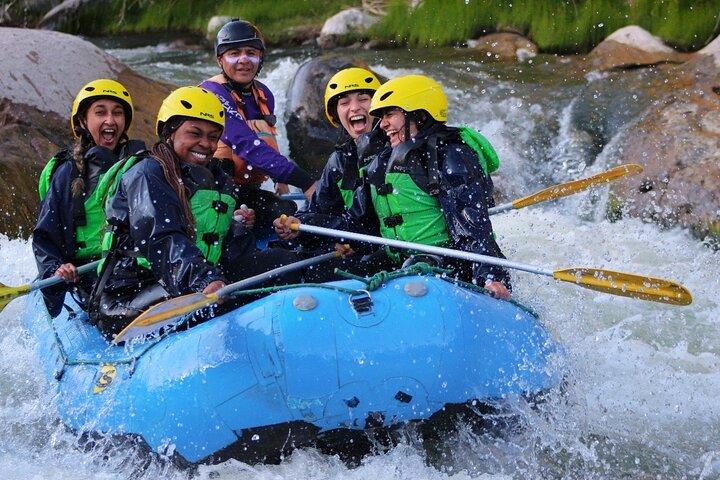 アレキパ:チリ川ホワイトウォーターラフティングアドベンチャー(送迎付き) アレキパ:チリ川ホワイトウォーターラフティングアドベンチャー(送迎付き) | 3 時間 | 4.9 (663) | $16 | 見る |
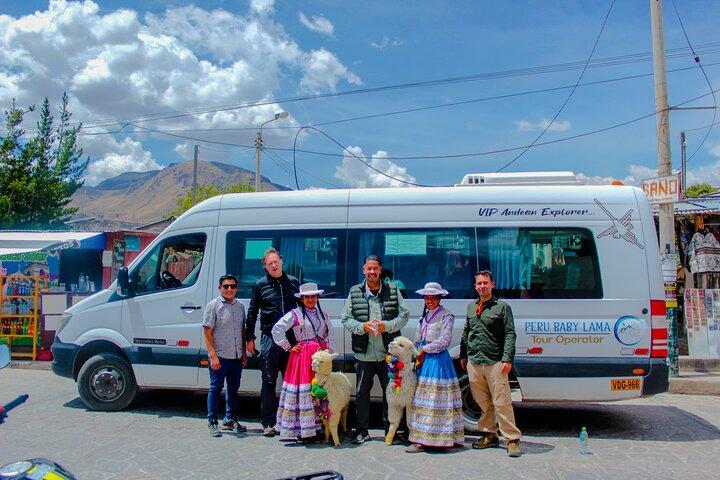 コルカ一日ツアー コルカ一日ツアー | 13–14 時間 | 4.6 (449) | $38 | 見る |
料金$140
5.0(1) 無料キャンセル