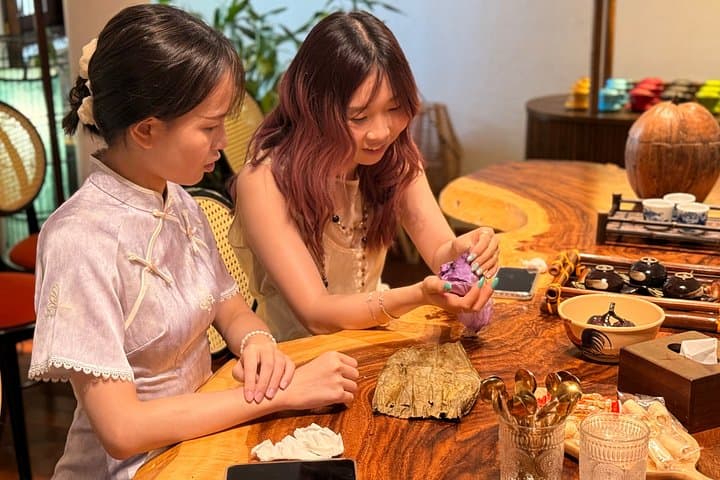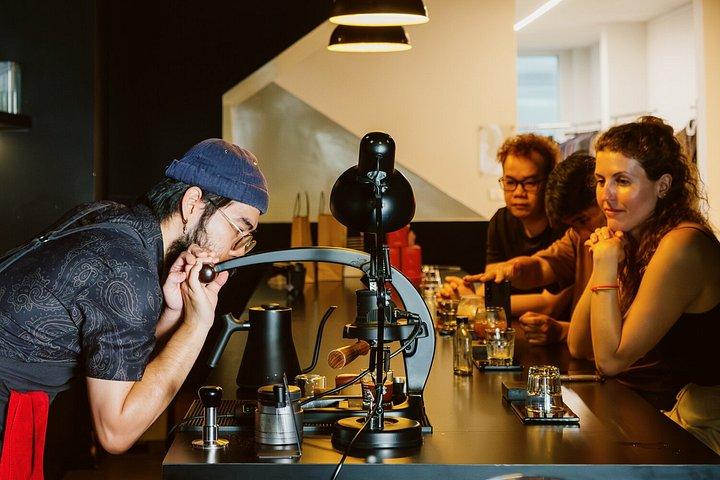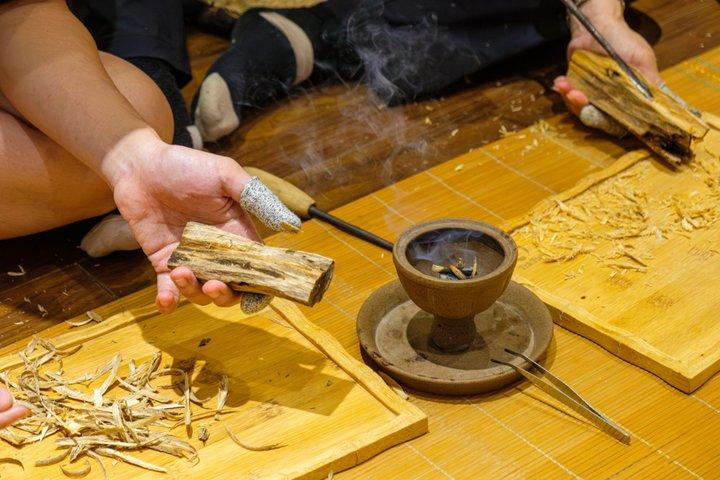
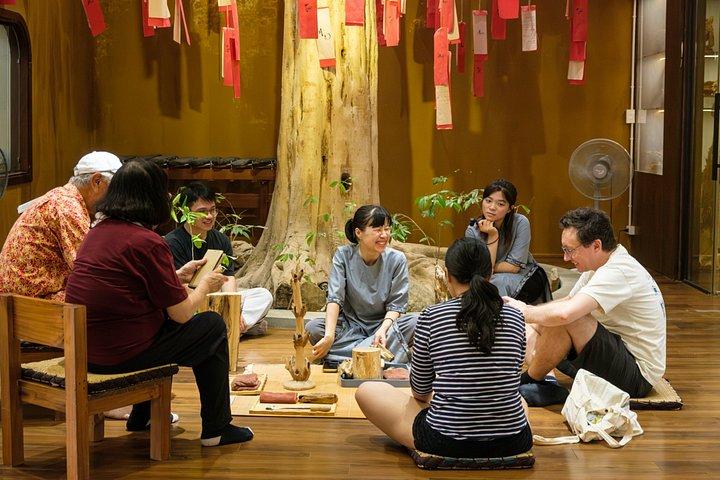
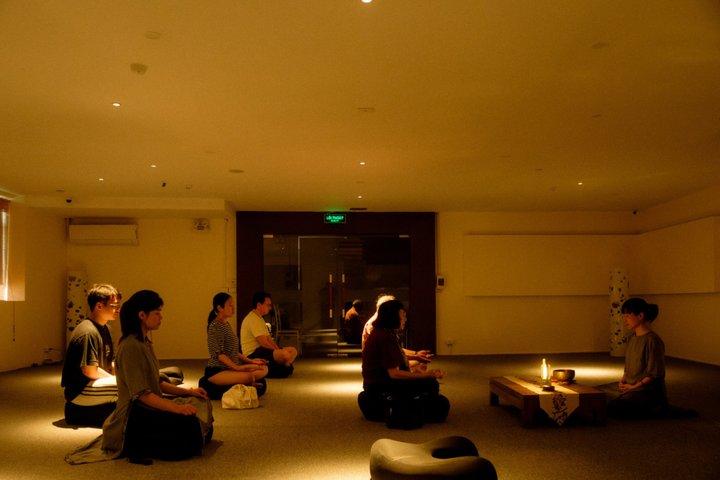
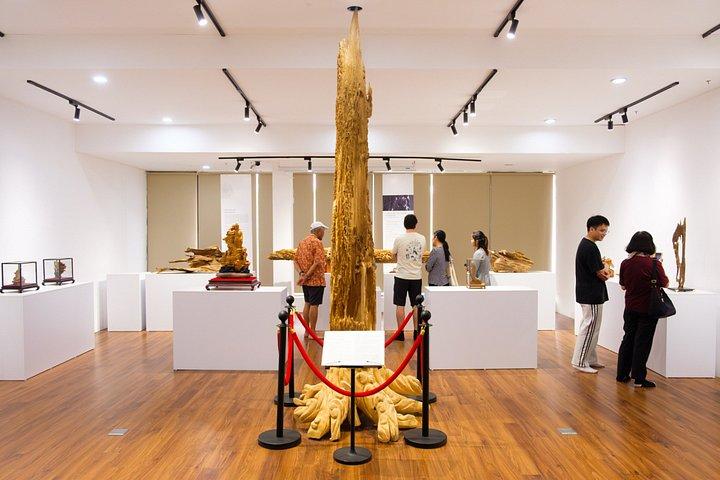
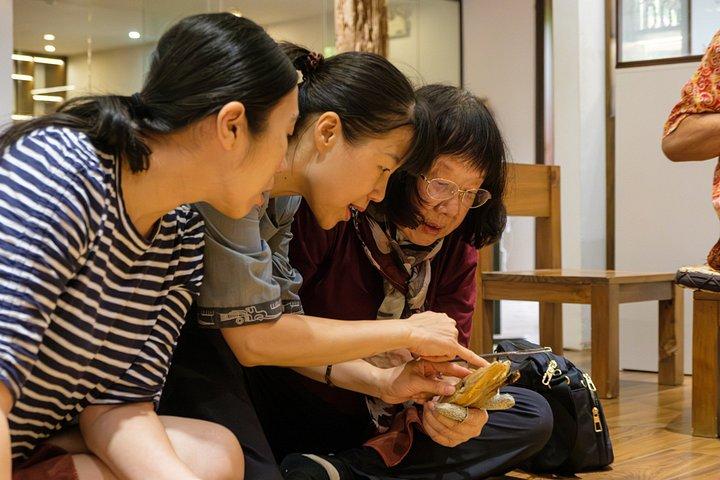
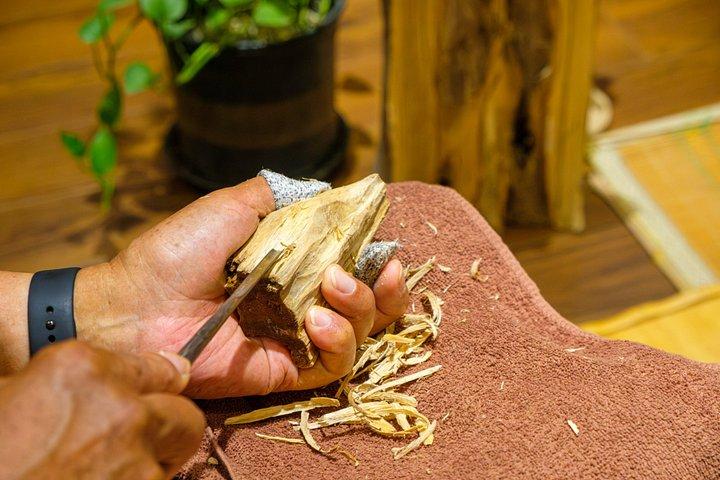
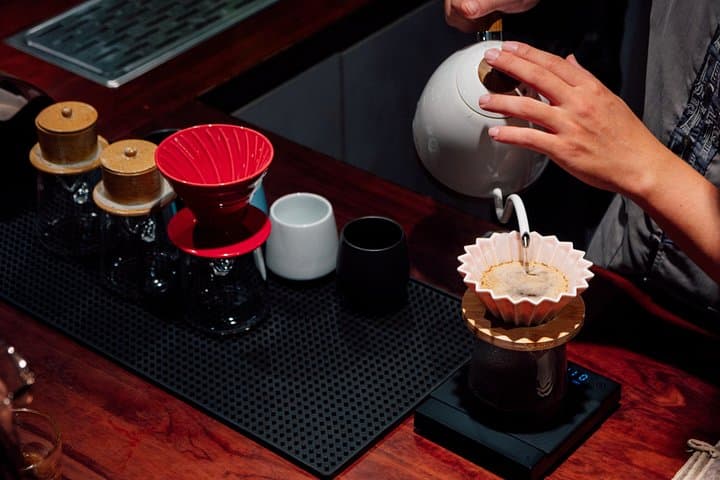
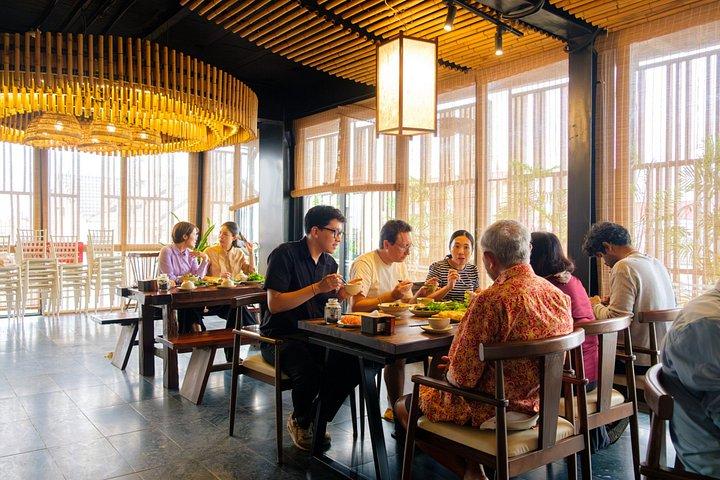
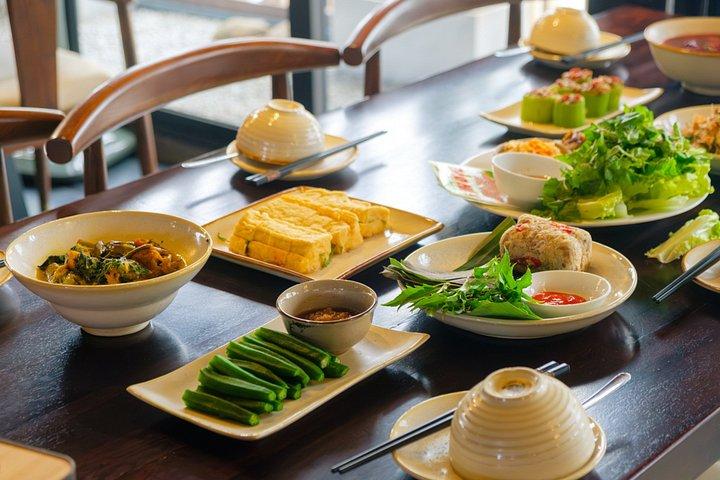
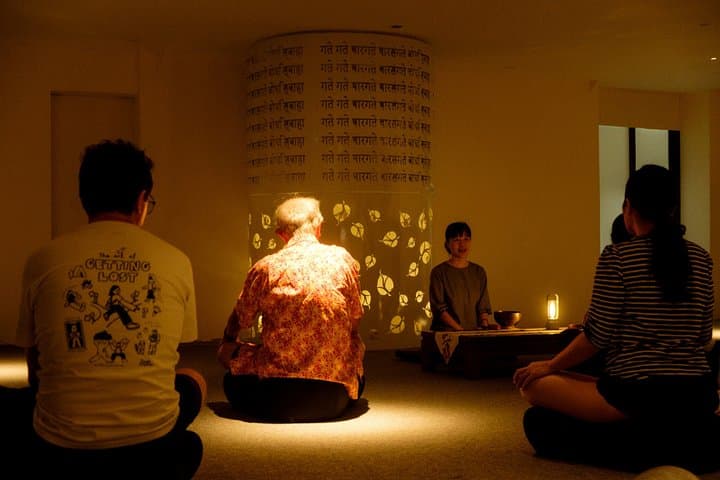
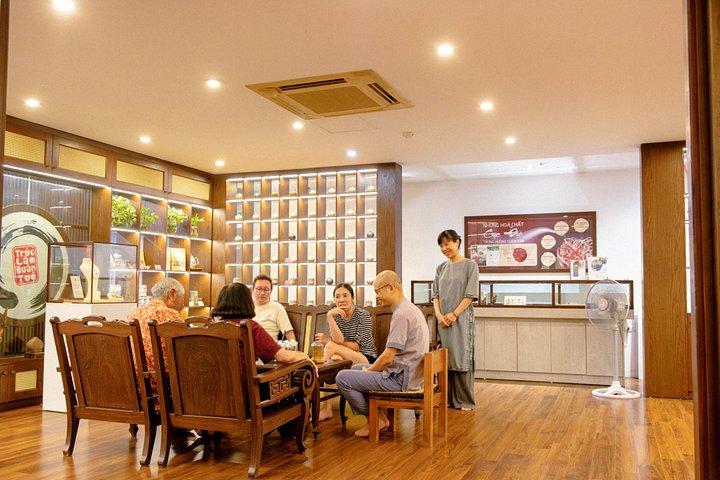

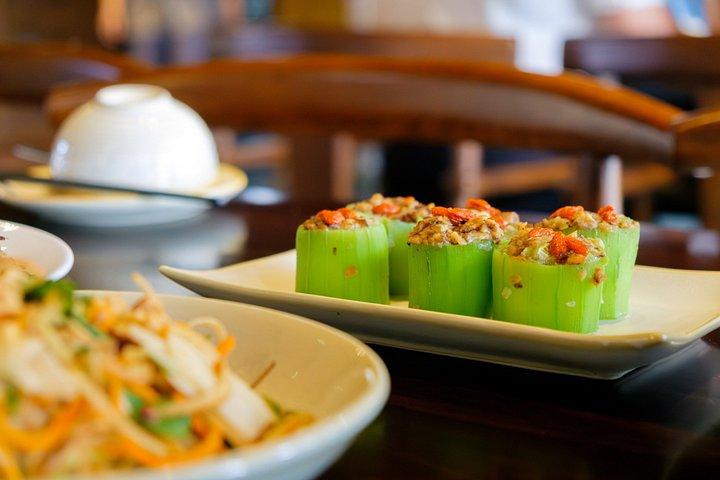
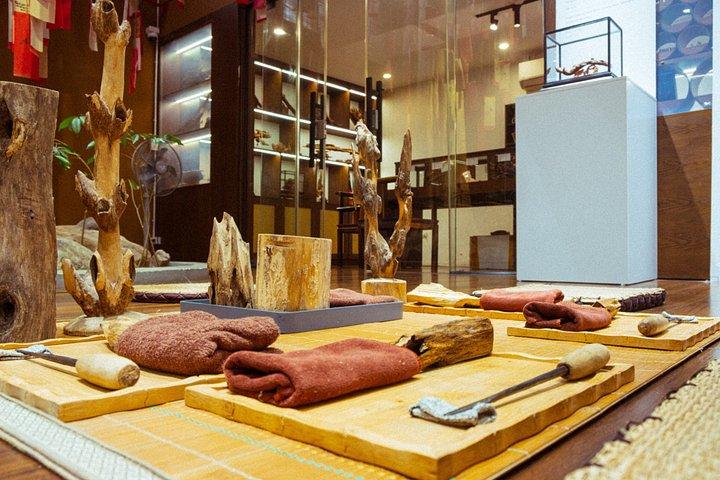
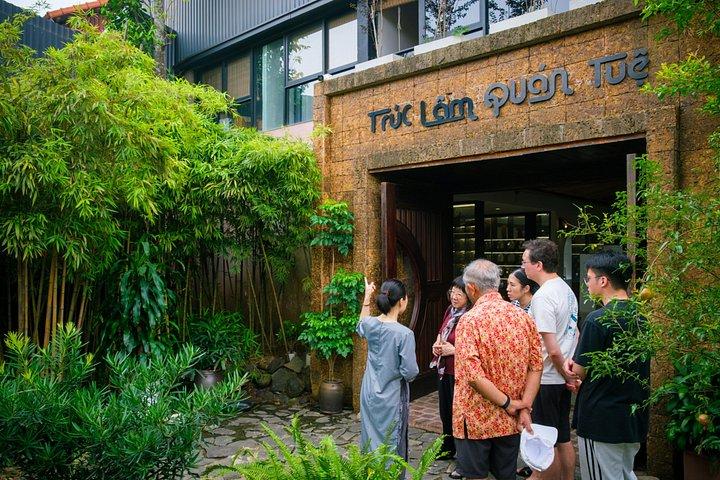
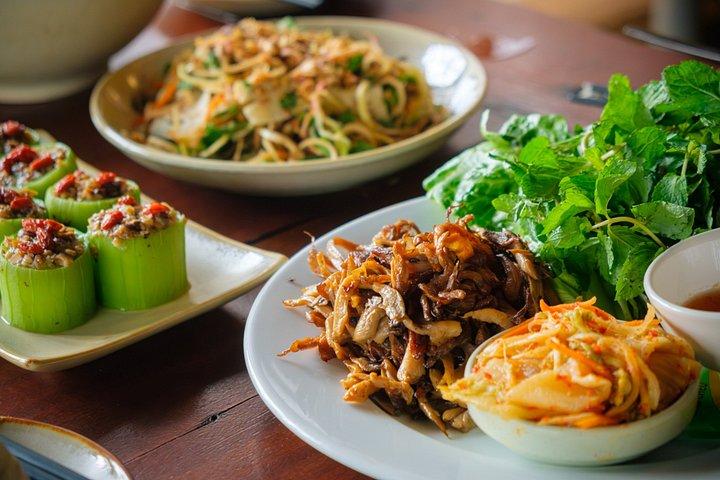
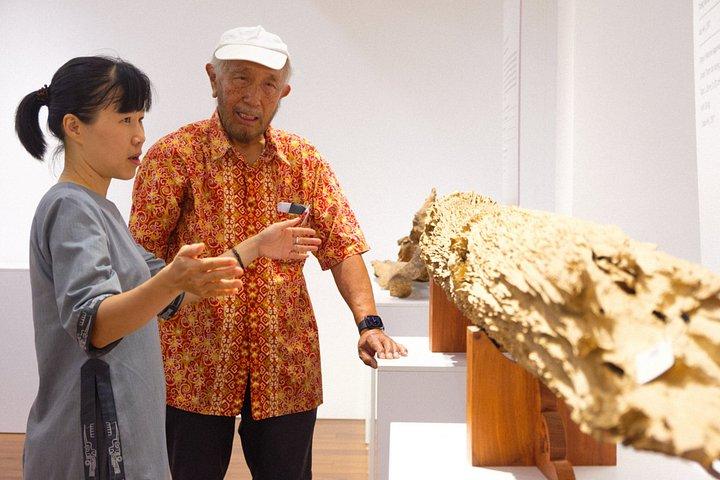
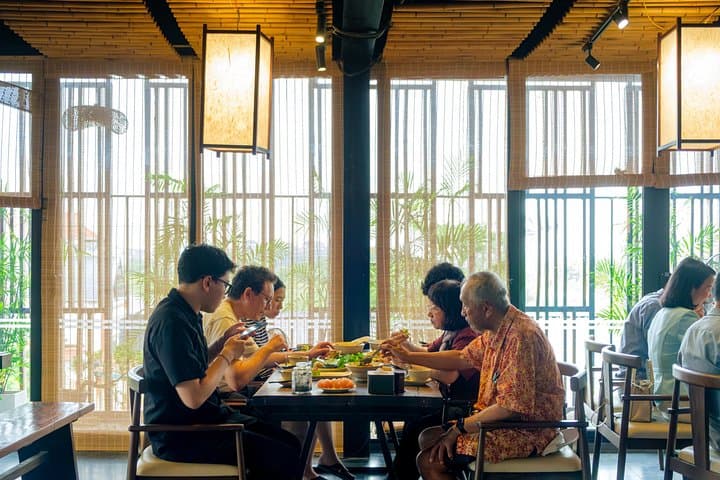
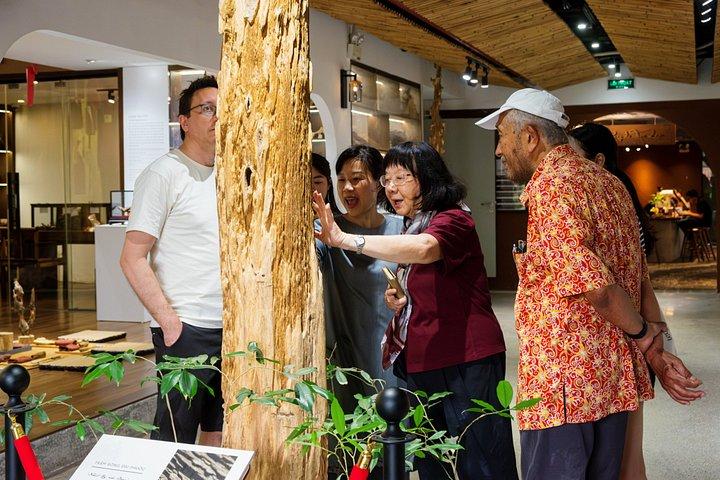
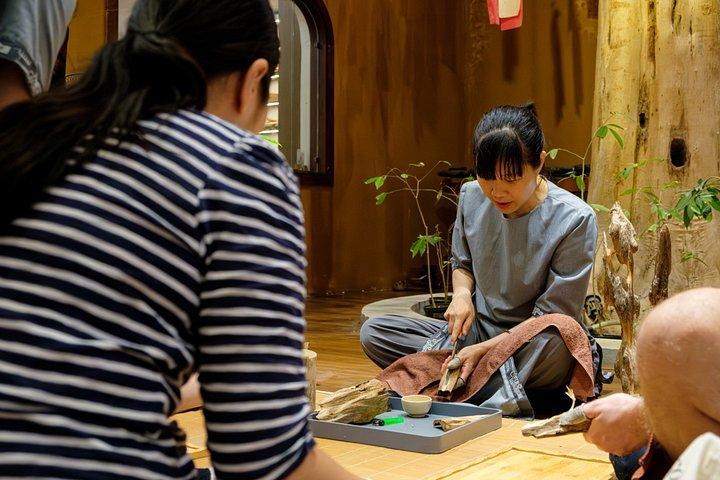
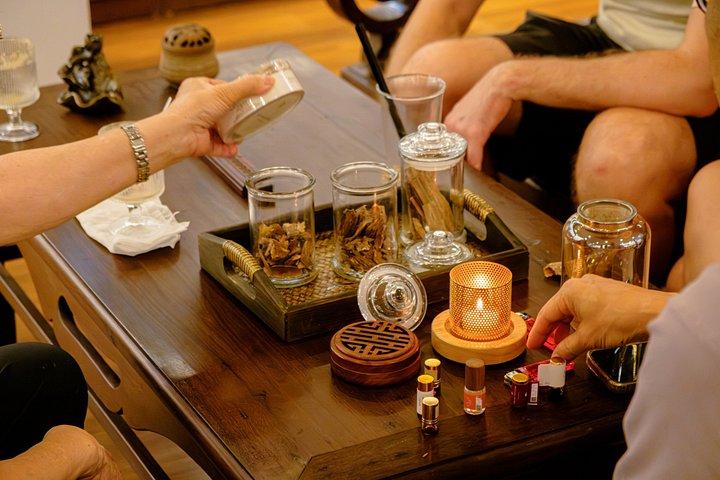
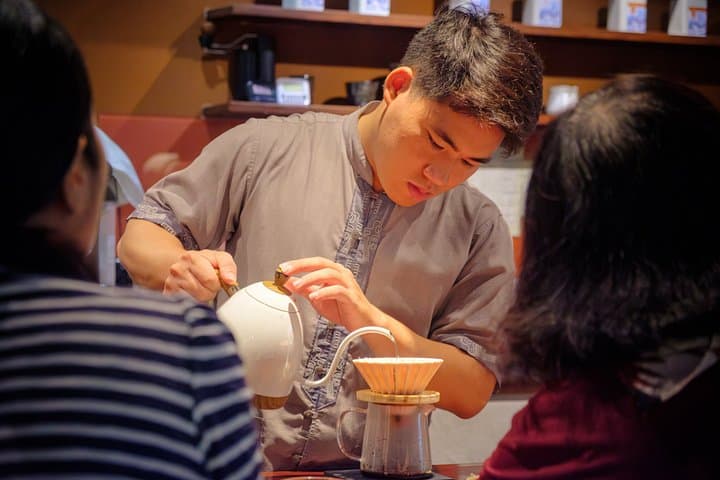
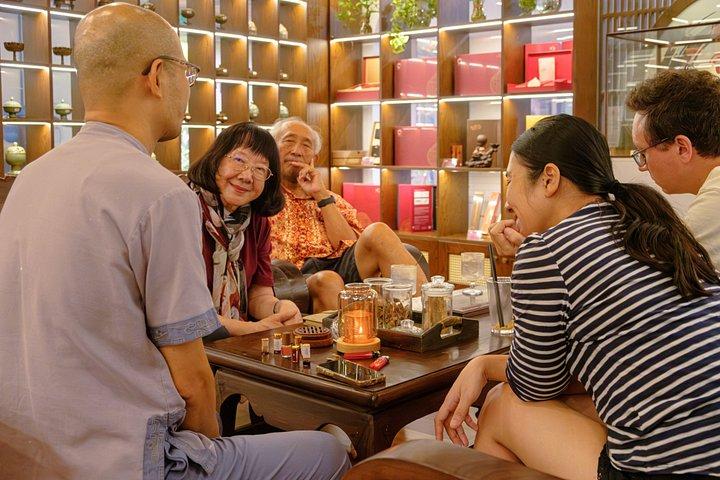
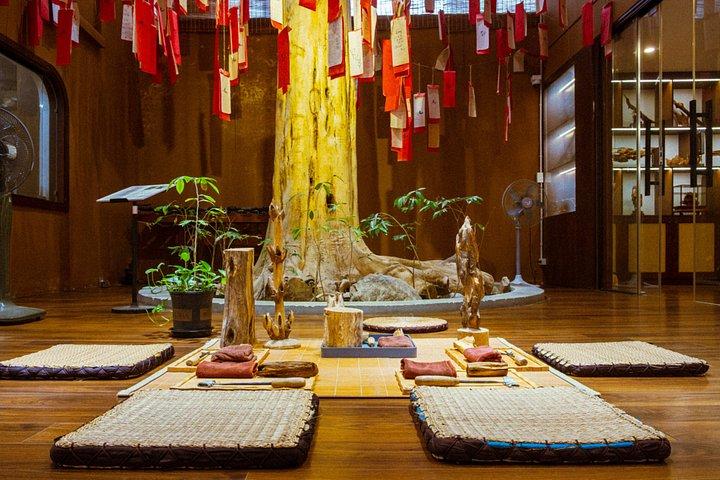
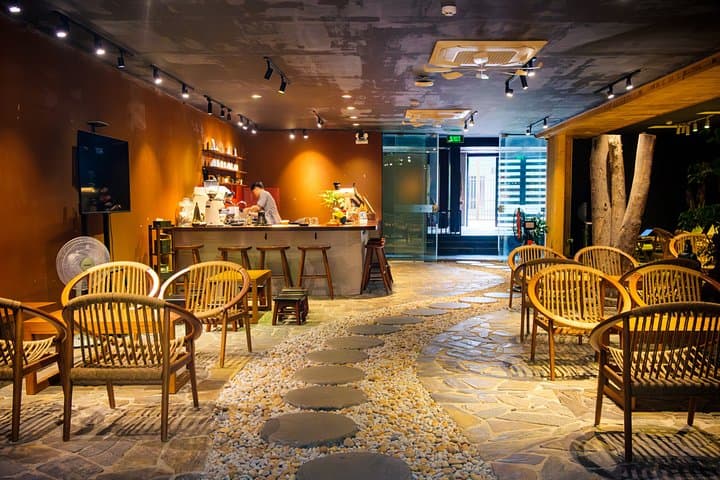
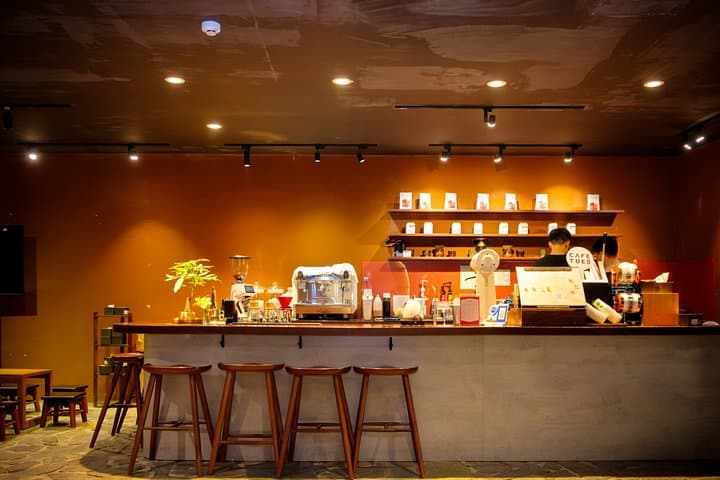
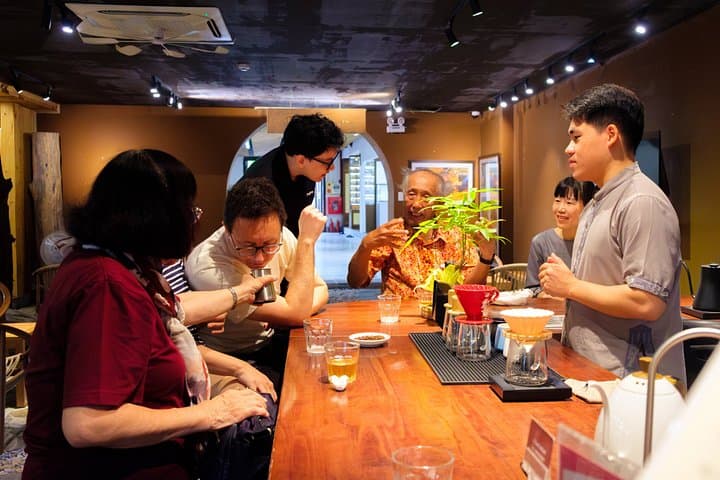
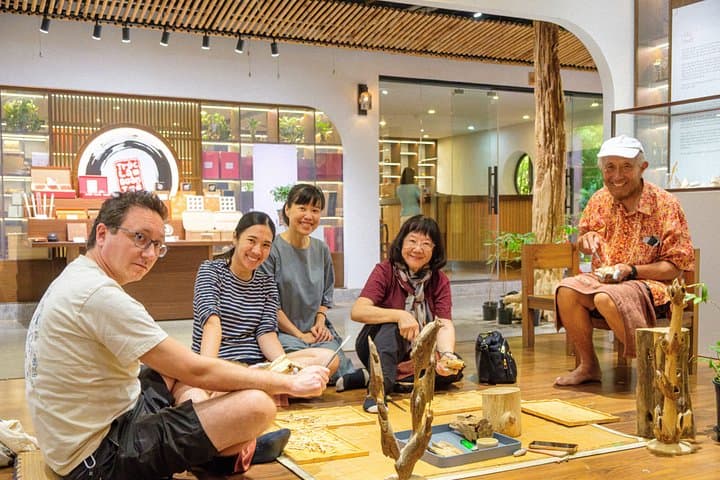
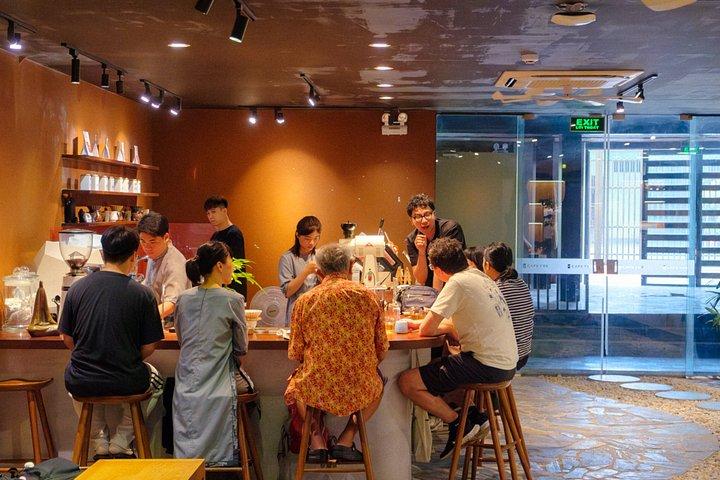
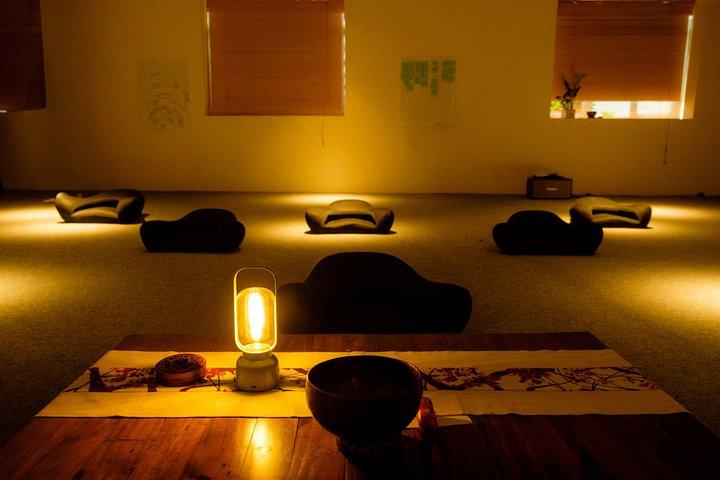
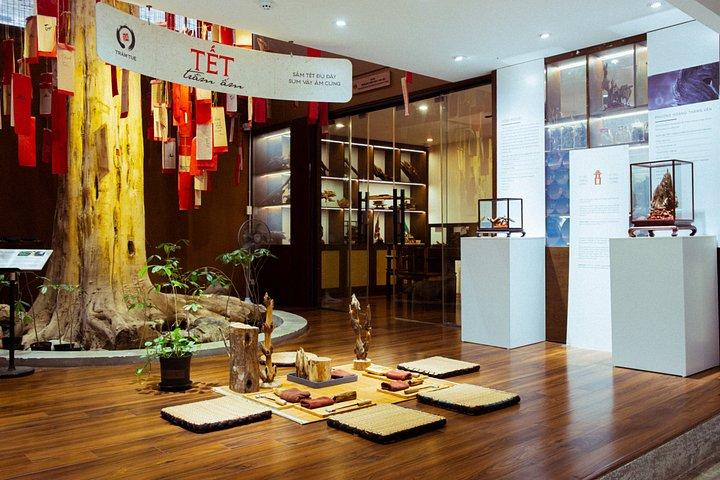
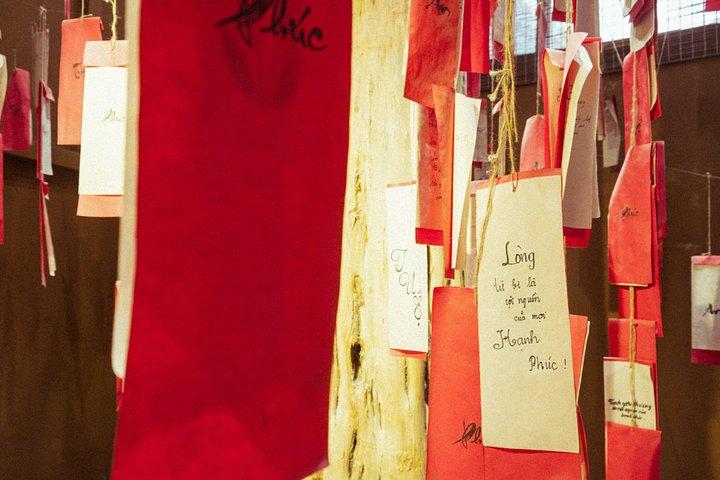
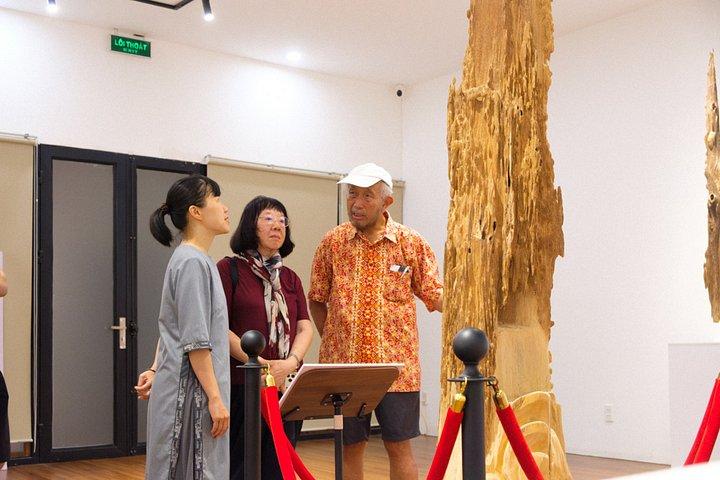

-About the Agarwood Experience- If you want to learn something special while in Hanoi, I highly recommend it. I think few people in Japan know much about agarwood, but agarwood from Vietnam has been very popular in Japan for a long time, and since it is also used as a raw material for incense, it is actually a more familiar presence than you might think. Although the depletion of natural agarwood resources has been talked about for a long time, it seems there is less natural agarwood in Vietnam than we imagine, and cultivated agarwood is currently being produced widely in Southeast Asia. At this company, we also produce and research agarwood cultivation ourselves, and we can teach you knowledge about the agarwood we cultivate. Could I also try the difference in scent between natural and cultivated agarwood? In Japan, even when looking at history, if you are interested in history, you will likely have encountered the word "jinkō" (agarwood) in some form, such as the drift of agarwood to Awaji Island recorded in the Nihon Shoki, the orchid-like ornaments in the Shokura-in, the cutting of orchid-like ornaments by Nobunaga, and Tokugawa Ieyasu's collection of fragrant woods. In that sense, experiencing the romance of history by learning about agarwood at its origin, smelling its fragrance, and experiencing through your five senses why the rulers of that time desired it, is not an interesting approach? (Since we won't be taught about the history of agarwood here, please read some books beforehand.) I recommend Mutsumi Matsubara's "History of the Culture of Incense." -About lunch- The president values Zen teachings, and you can have time for meditation and eat vegan food (which is shojin ryori in Japan) with the employees. We booked through Viator, and since a guide was with us, they even taught us how to eat when we didn't know, which was reassuring. Especially for the food, since it's a slightly unfamiliar method of picking it up with your own chopsticks and eating it with a spoon (not eating directly with chopsticks), please be careful. The people I was with had also worked in Japan in the past, and it was a pleasant lunch. -Other coffees and agarwood tea- It seems this company grows Arabica coffee as an understory crop in a agarwood plantation. The production concept also seems to capture the entire ecosystem. You can have delicious specialty coffee that was grown in that way. I think it will be an extra charge, but if you have cold brew, please give it a try. The agarwood tea (tea made from agarwood leaves) is also very delicious and would make a rather special souvenir. Please enjoy the world of "Chazen (&Kou) Ichimi," which fuses the concepts of modern agarwood and tea!
We are so deeply touched by such a thoughtful, detailed review! Hearing how much you appreciated the rich history, the scent comparisons, and the quiet rhythm of our Zen lunch with the team means the world to us. It was an absolute honor hosting you and sharing our passion for sustainable agarwood, coffee, and local traditions, and we hope our guide did a good job accompanying you! A portion of your booking helps provide meals for children in Hanoi hospitals. Thank you for helping us give back to the community. Warmly, Up Travel Vietnam