Tour a Maras Moray e Salineras 1/2 giornata


Descrizione
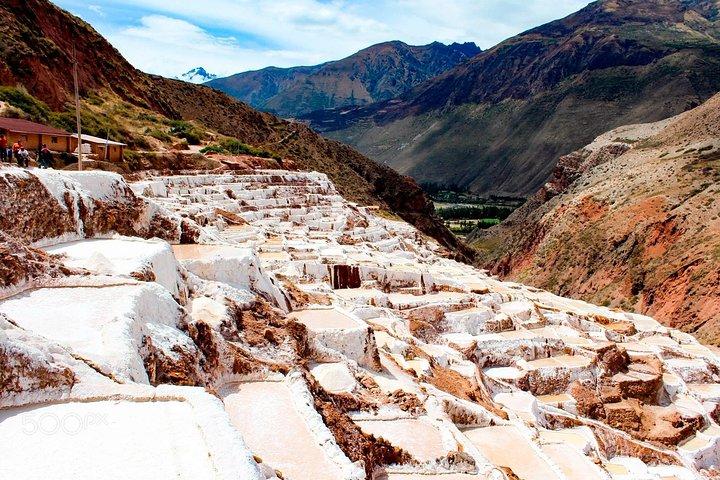
Tra le 8:45 e le 9:00 verremo a prendervi dai vostri rispettivi hotel per portarvi alla città di Maras, una pittoresca comunità con splendidi paesaggi; murena; centro di ricerca agraria e Salineras, dove troviamo una sorgente di acqua salata da cui si ottiene il sale per evaporazione.
Opzioni tour
Itinerario
La città di Maras sarà il nostro primo punto di visita; che fu di grande importanza durante il Vicereame, dichiarò Villa de San Francisco de Asís (era il principale fornitore di sale degli altopiani meridionali), come testimoniano la chiesa e le case che conservano ancora gli scudi della nobiltà indigena sulle loro facciate.
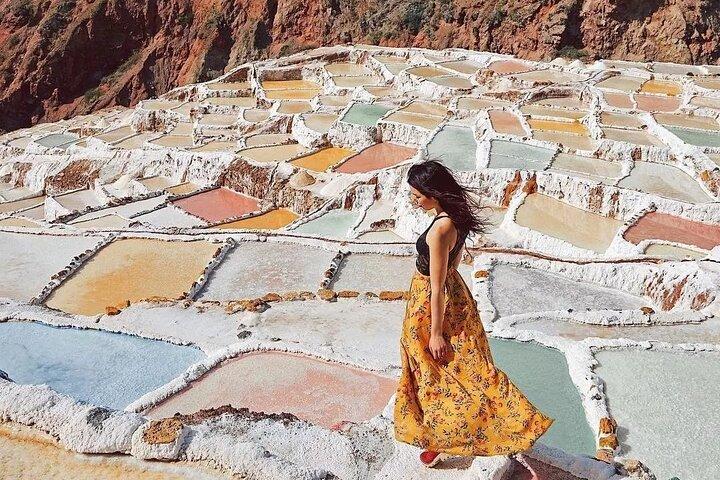
Le Salineras de Maras, il nostro secondo punto di visita, appartengono alla città di Maras, che fu di grande importanza durante il Vicereame, fu il principale fornitore di sale degli altopiani meridionali, come testimoniano la chiesa e le dimore che conservano ancora gli scudi della nobiltà Indigeni sulle sue facciate. Le miniere di sale di Maras sorprendono il visitatore per gli oltre tremila pozzi che presenta e che attualmente continuano a essere lavorati da più di 360 famiglie, che hanno ereditato questo lavoro artigianale personalizzato ed estrattivo; La commercializzazione del sale è responsabile dell'associazione Maras Sal, incaricata di garantire gli interessi della comunità dalla fine degli anni '80.
La nostra escursione continuerà visitando le terrazze circolari di Moray, che sono un esempio di come l'uomo andino ha sfidato la natura e ha approfittato del suo ambiente geografico per usarlo a suo vantaggio, queste piattaforme circolari fungevano da laboratorio agricolo che ha permesso di ottenere una grande varietà di specie Patate, mais, tra gli altri prodotti.
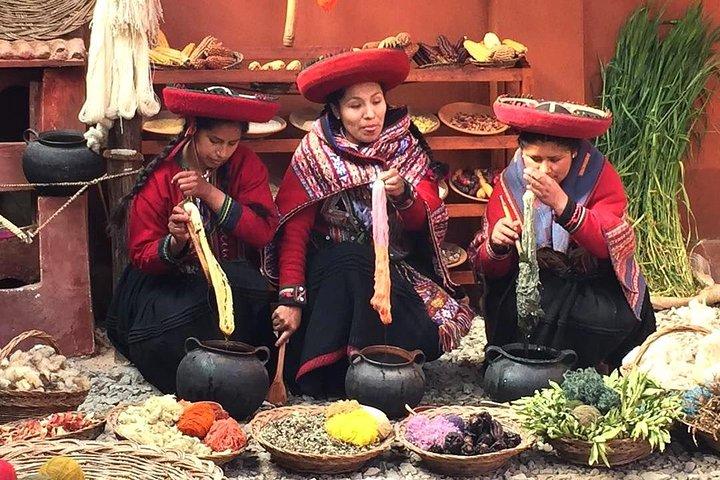
Questa città si trova a 28 km da Cusco sulla strada asfaltata per Urubamba. Dove si trovano i resti di quella che era la tenuta reale di Túpac Inca Yupanqui ”, è come un bellissimo tempio coloniale costruito sulle fondamenta Inca, la sua più grande attrazione. Tuttavia, è il suo mercato artigianale, originariamente dedicato allo scambio di prodotti agricoli tra gli abitanti della valle e quelli delle parti superiori. Attualmente, il mercato è un vero spettacolo di colore e movimento che provoca il fascino del turista con la sua offerta di artigianato e capi tessili realizzati nel più puro stile precolombiano. Fine dei servizi
Punti salienti
Cosa è incluso
Valutazioni dei viaggiatori
Informazioni importanti
- Sconsigliato ai viaggiatori con problemi cardiovascolari
- Adatto a tutti i livelli di forma fisica
Recensioni(34)
My wife and I toured the Salinas de Maras on a day trip during our visit to Peru this past July. It is fascinating how the salt pools have been developed for hundreds of years. Our guide told us that families in the local town own individual pools and have made enough money to send their children to college. We bought a couple of kilos of salt to take home for gifts.
Interesting. Be sure to stop for photos on the ridge above. Not Much time needed actually. Interesting from a cultural perspective. Worth visiting but not wow, wow.
Really interesting and beautiful stop while in Cusco or like I did from Sacred Valley. It’s a must see and highly recommend visiting during the dry season. The tour guide explained that when it’s the rainy season you can’t appreciate the beauty of this place. We had a driver take us and in cost us 20 soles per person to enter the salt mines. Once you take your pictures and enjoy the views don’t forget to stop at the local vendors on the way out and try the chocolate samples they offer I bought the salted chocolate and the maracuya chocolate bars they where delicious!
One of the most interesting places to meet. Amazing. Arriving through the precipice is scary, even more when the van has to give re to give way to other cars.
The salt pans are impressive both visually and from a cultural and historical perspective; to think that the production of mountain spring salt is more than 3000 years old since the ancient inhabitants, before the Incas, did it very similar to how they are done today is something that few can imagine. Ideally, a local guide can compare you on the visit so you can get to know all the technical and historical details of the production and culture.
Surprising, these salt terraces fed by water from the melting ice of the mountains. This gives a "snowy" rendering and a titanic job to collect the kilos of salt, add to that a history of property and ancestral heritage. We were delighted to discover this site a little off the beaten track. How beautiful nature is!
An incredible landscape. A cooperative that has a legacy. You can buy chocolate with fleur de sel or small sachets of salt. Nature proves once again that it is well made.
Bonjour, Merci beaucoup pour votre commentaire ! Nous sommes ravis que vous ayez apprécié le paysage et le travail de la coopérative. C’est merveilleux de savoir que vous avez découvert des produits locaux comme le chocolat à la fleur de sel. La nature a effectivement tant à offrir. Nous espérons vous revoir bientôt pour d'autres expériences ! Cordialement, Rolando A. Willka Travel
The place is really spectacular. From the road between mountains, to the place. Highly recommended
Just interesting, but the price charged for entry (20 soles in June 2024) is high for visitors. Structure ok, visit that lasts about 30/40 minutes. Several vans at the same time and a mess of people to take pictures. Guides are more concerned about photo than the place itself.
These salt pans are truly unique: salt water that flows from the mountains. The view is truly scenic. The small sample of free salt with the entrance ticket was also very welcome. Absolutely unmissable on a tour of the Sacred Valley.