Couture studio Sashiko dans le quartier artistique de Kyoto
Description
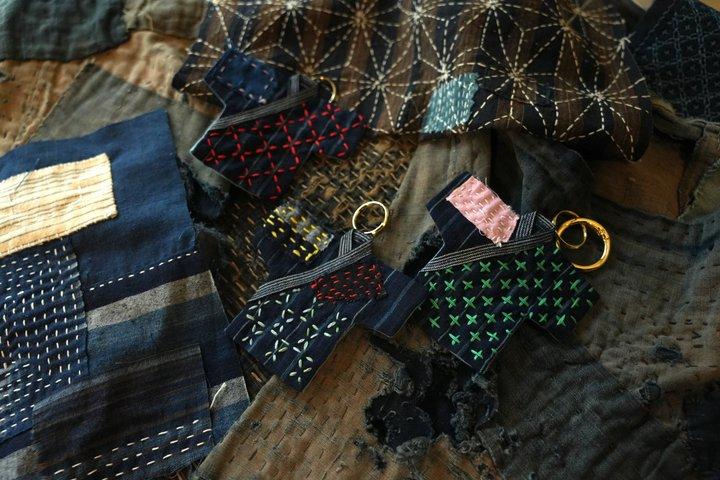
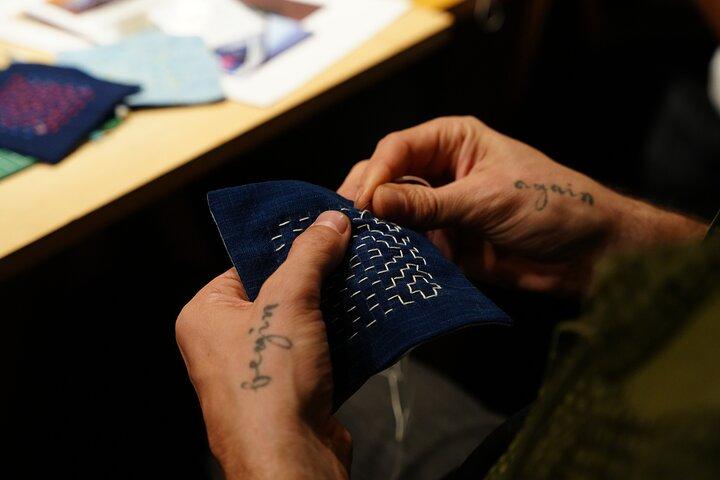
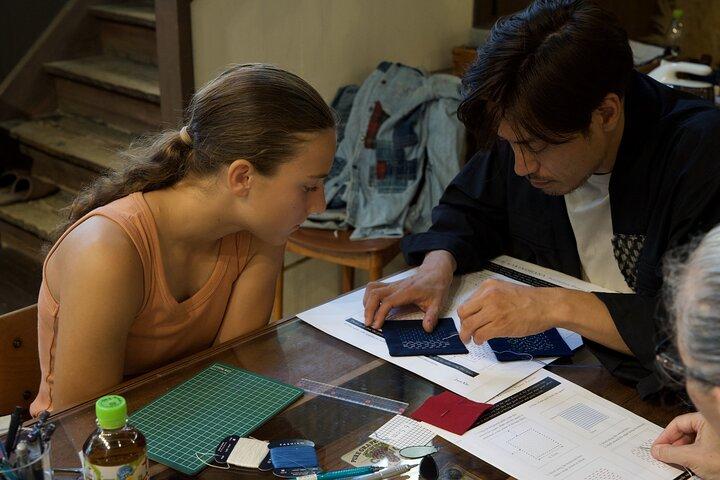
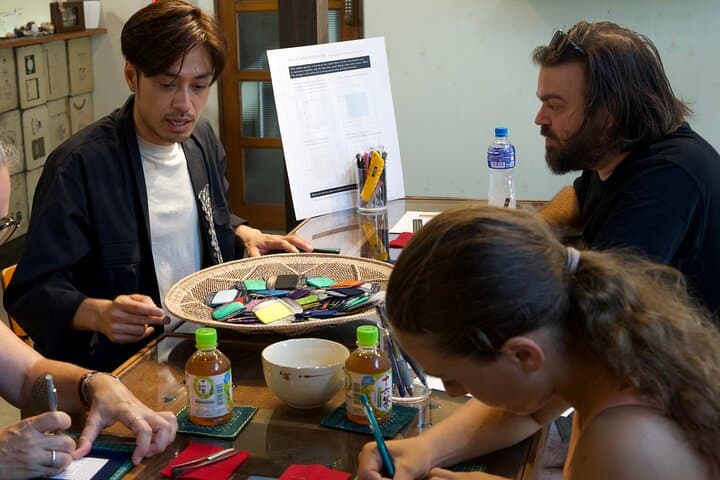
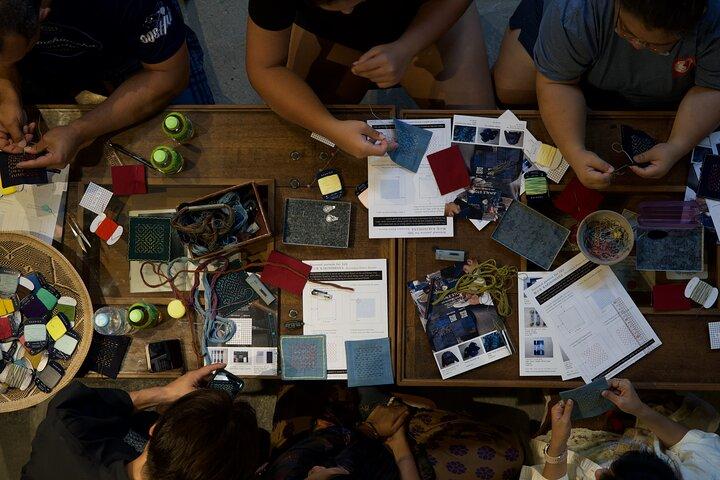
Histoire et évolution de Sashiko Sashiko, qui signifie « petits coups de couteau », date de l’époque d’Edo (1603-1868). Il a commencé comme un moyen pratique de renforcer et d'isoler les vêtements, utilisés par les agriculteurs et les pêcheurs pour réparer les vêtements pour les hivers rigoureux. Au fil du temps, il a évolué vers une forme d'art, les régions développant des modèles uniques riches en signification culturelle et symbolique. L'expérience de l'atelier Dans cette séance pratique, vous apprendrez les points de base Sashiko tout en créant un trousseau inspiré d’un manteau hapi traditionnel. L'atelier commence par un bref historique, suivi de démonstrations et de pratiques guidées. Organisé dans un bâtiment historique de Kyoto dans un quartier d'artistes actif, vous piquerez entouré de créativité locale. Du thé Uji et des arare (craquelins de riz assaisonnés) sont servis pour compléter l'expérience. À emporter Vous repartirez avec un trousseau fait main, des compétences pratiques Sashiko et une compréhension plus approfondie de la culture Japonaise. Le studio propose également des produits et kits Sashiko, avec des réductions d'achat en espèces.
Options de l'excursion
Points forts
Ce qui est inclus
Avis des voyageurs
Informations importantes
- Accès pour les personnes à mobilité réduite
- Landau ou poussette possible pour les bébés et enfants en bas âge
- Transports en commun disponibles à proximité
- Les enfants en bas âge doivent être assis sur les genoux d'un adulte
- Options de transport accessibles aux personnes à mobilité réduite
- Entièrement accessible aux personnes à mobilité réduite
- Convient à toutes les conditions physiques
Avis(6)
Nene is an excellent teacher! She is kind, patient, has good visual props and explanations to try basic sashiko. She welcomes mistakes for the complete beginner like I was!
We are very happy to hear that you had such a wonderful time discovering the basics of Sashiko alongside Nene. It is fantastic to know that her welcoming approach and helpful props gave you the confidence to enjoy the craft as a complete beginner, and your kind words are a beautiful reward for her teaching. 😊
Excellent small group (6) experience with an artist who has a deep understanding, respect and passion for traditional Japanese fiber arts. Jun is a skilled contemporary artist incorporating ancient techniques into his contemporary creations. He is a patient and kind teacher. The project he chose gave all the basics of sashiko and was able to be completed in the class time.
It is a pleasure to know that our small group setting provided the perfect space for you to connect with the rich traditions of Japanese fiber arts. Having a contemporary creator like Jun share his unique perspective, deep respect for ancient techniques, and patient guidance is something we consider incredibly special. We are glad that the curated project allowed you to comfortably master the basics and complete your piece within the class time.🙌
A wonderful time spent stitching with a very experienced sashiko teacher. I felt very welcomed and the class was unhurried, instructions clear and conversation flowed. Delightful time.
It is wonderful to hear that your time stitching with us felt so welcoming and relaxed. Having an experienced instructor who can provide clear guidance while keeping the atmosphere unhurried and conversational is exactly the kind of environment we want for our guests, and knowing that you had a delightful experience means a lot to us.
I learned so much about sashiko from Jun in a relaxed and informative small group setting tucked away on one of the side streets. There are hand dyed threads and sashiko supplies available for purchase. Highly recommend!
Thank you for taking the time to share your experience. We’re glad to hear that learning sashiko with Jun in a small, relaxed setting felt both informative and enjoyable. Being in a tucked-away studio and having access to hand-dyed threads and materials is part of what we hope adds to the experience. 👏 We truly appreciate your recommendation.
Learning Sashiko stitch work from Jun was one of the highlights of visiting Kyoto. From the moment the workshop began, it was clear how deeply he values both the craft and its lineage. Jun brought a beautiful collection of antique boro and Sashiko-stitched textiles to inspire us—including his incredible hand-stitched sneakers. It was my first time seeing authentic boro pieces from generations past, and it made our time together feel so alive and meaningful. He even plant-dyed the threads included in our Sashiko kits, adding another layer of care and intention to the experience. He also had a mini shop set up with kits, plant-dyed threads, and tools, making it easy for those who want to continue practicing this craft after the workshop. His instruction was thorough and thoughtful. He began by introducing us to the history of this ancient craft and explained multiple ways of preparing Sashiko thread for our projects—such as where to cut a full skein and how to store thread so it doesn’t get tangled. He demonstrated how to get started, taught us different knotting techniques, and guided us in choosing our stitch pattern templates. He also explained the differences between thick and thin threads, when to use each, and introduced tools like a special chalk pencil for marking patterns. One of the most memorable parts of the workshop was the relaxed stitching time. We sat together as a group, sewing and sharing stories about life in a warm, welcoming atmosphere. His assistant served us green tea along with delicious snacks, including crackers and mochi. I appreciated being able to ask questions about my own stitching—like how to baste properly and how to make both sides of the work, including the back, look beautiful. I was especially excited to learn from a Japanese teacher in Japan, and I appreciated hearing how he became a Sashiko artist, as well as learning about his fashion design business in Osaka. By the end of the workshop, we had all completed our Sashiko-stitched keychains, and I left with a happy smile and a renewed sense of creative excitement for future projects. Thank you, Jun, for your generosity, inspiration, and for sharing the beauty of Sashiko with us.
It’s great to hear the workshop with Jun became such a meaningful highlight of your time in Kyoto. We’re delighted that his deep respect for the craft, along with the antique textiles and plant-dyed materials, helped bring the tradition to life. It’s also wonderful to know the hands-on guidance and relaxed, shared stitching time created such a memorable atmosphere. Your thoughtful words about the experience and Jun’s teaching are truly appreciated.😊
Learning Sashiko stitch work from Jun was one of the highlights of visiting Kyoto. From the moment the workshop began, it was clear how deeply he values both the craft and its lineage. Jun brought a beautiful collection of antique boro and Sashiko-stitched textiles to inspire us—including his incredible hand-stitched sneakers. It was my first time seeing authentic boro pieces from generations past, and it made our time together feel so alive and meaningful. He even plant-dyed the threads included in our Sashiko kits, adding another layer of care and intention to the experience. He also had a mini shop set up with kits, plant-dyed threads, and tools, making it easy for those who want to continue practicing this craft after the workshop. His instruction was thorough and thoughtful. He began by introducing us to the history of this ancient craft and explained multiple ways of preparing Sashiko thread for our projects—such as where to cut a full skein and how to store thread so it doesn’t get tangled. He demonstrated how to get started, taught us different knotting techniques, and guided us in choosing our stitch pattern templates. He also explained the differences between thick and thin threads, when to use each, and introduced tools like a special chalk pencil for marking patterns. One of the most memorable parts of the workshop was the relaxed stitching time. We sat together as a group, sewing and sharing stories about life in a warm, welcoming atmosphere. His assistant served us green tea along with delicious snacks, including crackers and mochi. I appreciated being able to ask questions about my own stitching—like how to baste properly and how to make both sides of the work, including the back, look beautiful. I was especially excited to learn from a Japanese teacher in Japan, and I appreciated hearing how he became a Sashiko artist, as well as learning about his fashion design business in Osaka. By the end of the workshop, we had all completed our Sashiko-stitched keychains, and I left with a happy smile and a renewed sense of creative excitement for future projects. Thank you, Jun, for your generosity, inspiration, and for sharing the beauty of Sashiko with us. It was a gift to learn from you!
Thank you for joining the workshop and for sharing such a thoughtful reflection. We’re truly delighted to hear the experience with Jun became such a meaningful part of your time in Kyoto. It’s wonderful that his dedication to the craft, the history, and the small details helped bring everything to life. We’re especially glad the relaxed atmosphere and time spent stitching together made the experience feel personal and memorable. Your kind words about Jun and the workshop are sincerely appreciated.✨