Hiroshima Journey to Peace A Walking Tour



Description
Join me on a meaningful walking journey through Hiroshima Peace Memorial Park, where history, human stories, and hope come together. You’ll visit key landmarks such as the Atomic Bomb Dome, Peace Memorial Cenotaph, Children’s Peace Monument, and the Hypocenter, learning the stories behind each site in a clear and engaging way. This experience is not just about the past—it’s about understanding resilience, honoring lives lost, and reflecting on the universal message of peace. Perfect for travelers who want more than sightseeing, this walk offers insight, reflection, and a deeper connection to Hiroshima.
Tour Options
Itinerary
Travelers will walk through Hiroshima Peace Memorial Park and explore meaningful landmarks, including the Gates of Peace. You’ll learn the history behind each gate, reflect on messages of peace written in many languages, and understand Hiroshima’s journey from tragedy to hope. Along the way, I will share stories, historical context, and quiet moments for reflection, making this a thoughtful and inspiring walking experience
Travelers will visit the ‘Mother and Child in the Storm’ statue inside Hiroshima Peace Memorial Park. You’ll learn the story behind this powerful sculpture, which represents protection, love, and resilience during times of suffering. I will explain its symbolism, historical background, and why it remains an important reminder of human strength and compassion, offering a quiet moment for reflection during the walk
Travelers will stop at the Hiroshima Victims Memorial Cenotaph, one of the most important sites in Peace Memorial Park. You’ll learn about its meaning, the inscription, and how it honors all victims of the atomic bombing. I will share the historical background and symbolism of the arch-shaped monument, offering time for reflection and a deeper understanding of Hiroshima’s message of peace
Travelers will visit the Hiroshima National Peace Memorial Hall to learn about the lives lost in the atomic bombing. Inside, you’ll experience quiet exhibits, survivor stories, and personal belongings that help you understand the human impact of the tragedy. I will guide you through the hall’s meaning and design, creating a thoughtful space for reflection and remembrance.
Travelers will stop at the Hiroshima Peace Memorial Park Rest House, a building that survived the atomic bombing and now serves as a place of learning and rest. You’ll hear its lesser-known story, see preserved evidence from 1945, and understand how everyday places were affected by the blast. This stop helps connect daily life before the bombing with Hiroshima’s path to peace today
Travelers will visit the Children’s Peace Monument, dedicated to the young victims of the atomic bombing. You’ll learn the story behind the monument, including the message of hope inspired by children like Sadako Sasaki. Surrounded by colorful paper cranes, this stop highlights the importance of peace, remembrance, and the wish for a future without war
Travelers will visit the Korean Atomic Bomb Victims Cenotaph, which honors the many Korean people who lost their lives in Hiroshima. You’ll learn about their history, the reason this memorial was created, and its importance in remembering all victims, regardless of nationality. This stop highlights the shared human cost of war and the universal call for peace
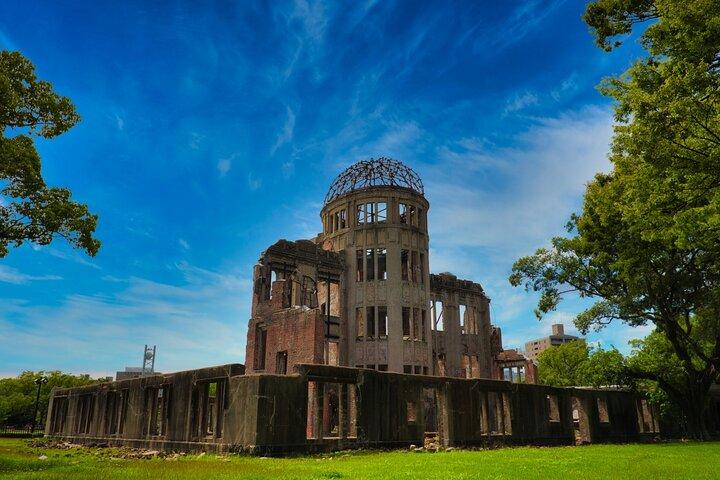
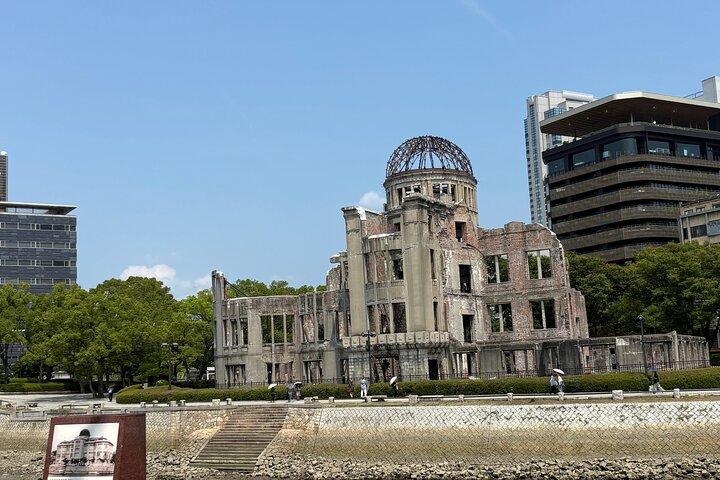
Travelers will stand before the Atomic Bomb Dome, the most iconic symbol of Hiroshima. You’ll learn how this building survived the blast near ground zero and why it has been preserved as a World Heritage Site. I will explain its history and meaning, helping visitors understand its powerful role as a reminder of destruction, resilience, and the need for peace.
Travelers will visit the Hiroshima Atomic Bomb Hypocenter Monument, marking the point directly beneath where the atomic bomb exploded. You’ll learn what happened at this exact location on August 6, 1945, and why it is one of the most powerful places in Hiroshima. This stop offers a quiet moment to understand the scale of the destruction and reflect on the importance of peace.
Highlights
What's included
Traveller Ratings
Important Information
- Wheelchair accessible
- Infants and small children can ride in a pram or stroller
- Service animals allowed
- Public transportation options are available nearby
- Infants are required to sit on an adult’s lap
- Transportation options are wheelchair accessible
- All areas and surfaces are wheelchair accessible
- Not recommended for travelers with poor cardiovascular health
- Suitable for all physical fitness levels
Reviews(4)
We thoroughly enjoyed our tour - we were provided with a good amount of information that gave us a greater understanding of the events of 6th August 1945 and of the different components of the Peace Park itself.
The guide did not come to the meeting place. I couldn't get through on the phone and had to wait all the time before giving up. I can't reach the app either. I paid for it, but I don't know what will happen. More than money, I just want my precious time back.
Adina was a good storyteller. He knows all the details of the bomb and was very interactive. He also took pictures of us. Happy to have him as our guide.
Our guide, Adina Balti, was a student with great passion for the site and the history of the atomic bombing of Hiroshima at the end of the Second World War. The site itself is quite peaceful, as it is intended to be. The museum is very confronting and adds a new perspective to the suffering of the population through no fault of their own.