Kyoto Tours &
Things to Do
Discover the best Kyoto tours, Fushimi Inari and Kiyomizu-dera temple visits, Arashiyama bamboo walks, Gion geisha tours, tea ceremonies and day trips to Nara and Osaka. Compare top-rated activities and plan your perfect Kyoto itinerary.
rating

Explore Kyoto by interest
Whatever brings you to Kyoto — world-class museums, the river, or a long lunch — start with the experiences travellers love most.
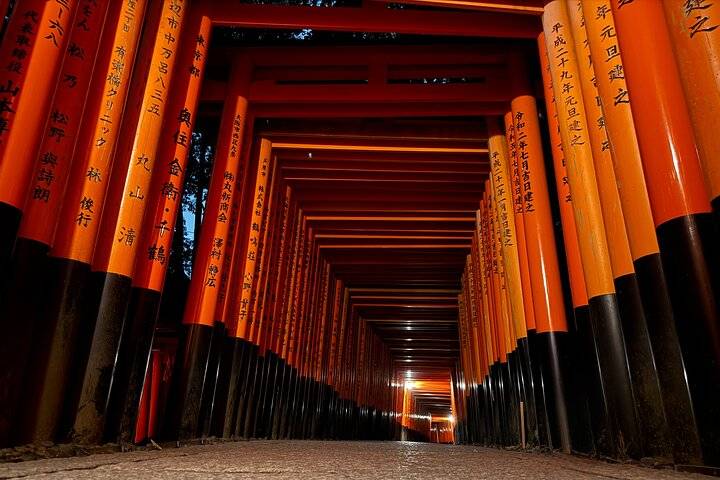
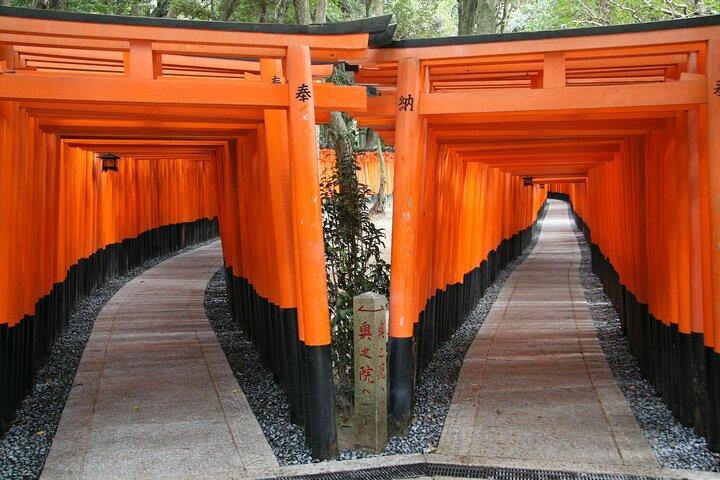
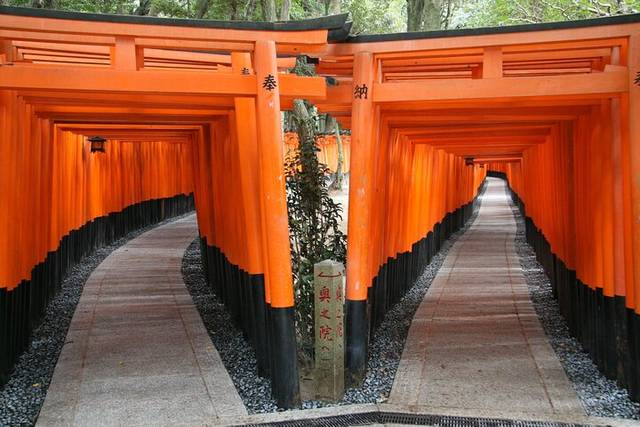
Fushimi Inari
The thousand vermilion torii gates up the sacred mountain.
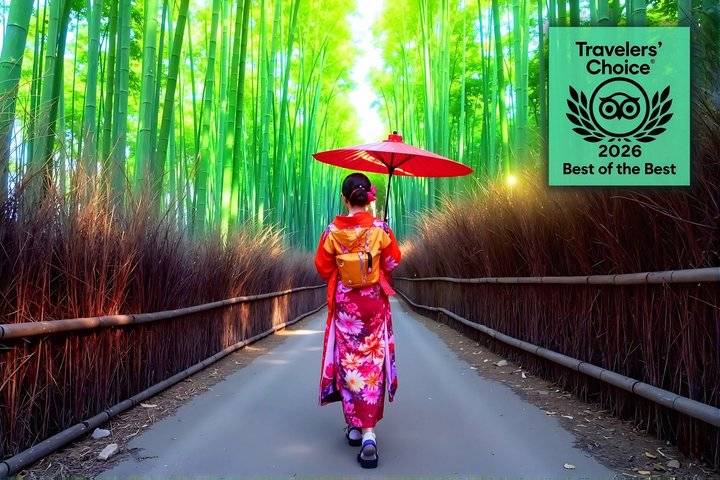
ExploreArashiyama
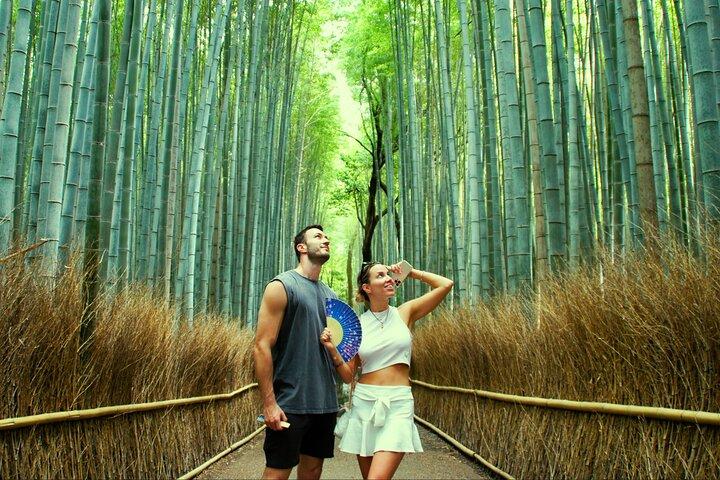
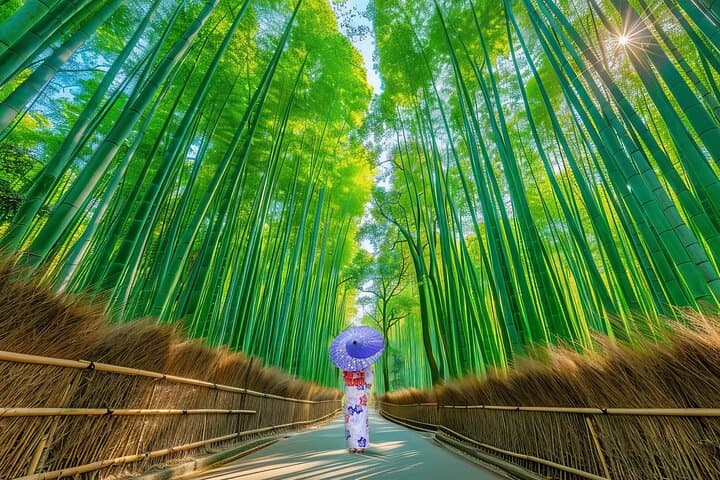
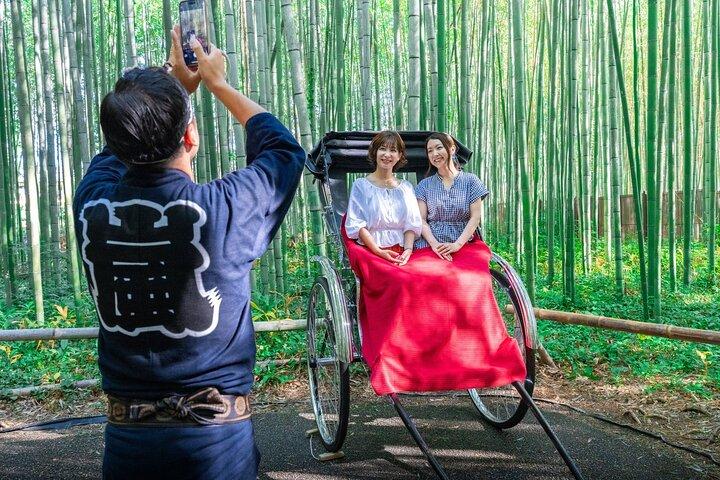
The bamboo grove, Tenryu-ji temple and monkey park.
ExploreTemples & gardens
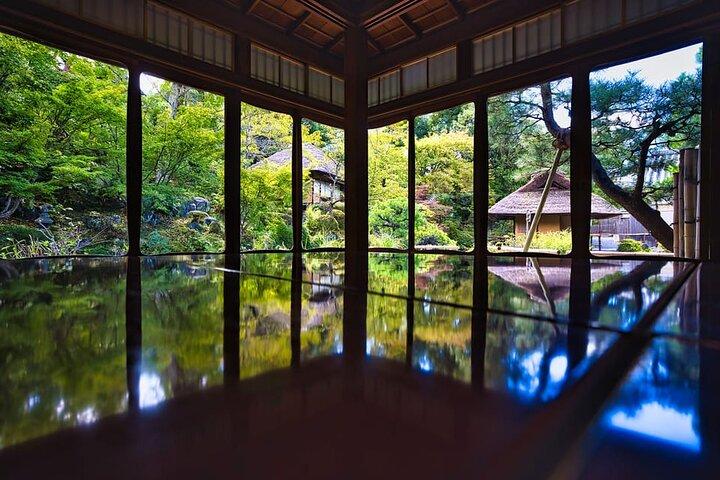
Kinkaku-ji, Kiyomizu-dera and Zen rock gardens.
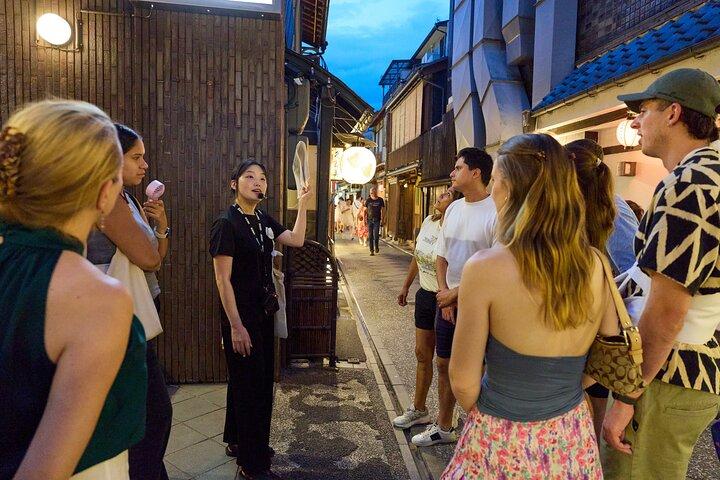
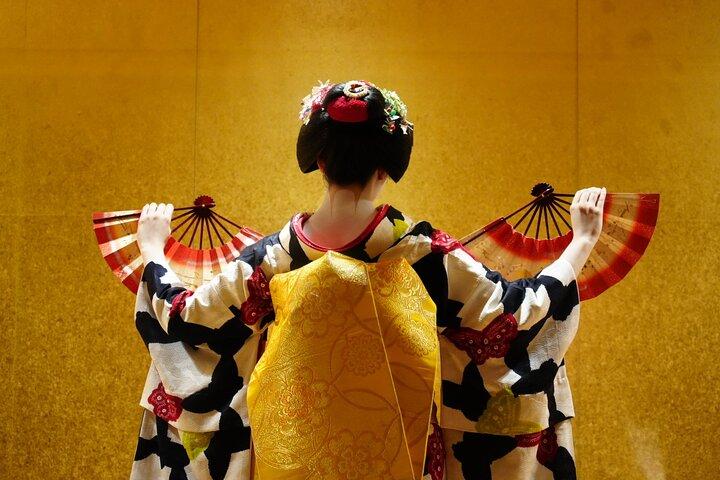
ExploreGion & geisha
Evening walks and shows in the historic geisha quarter.
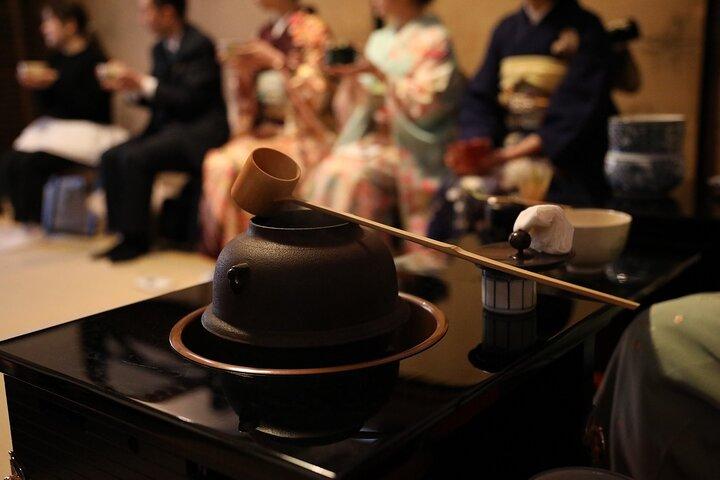
ExploreTea & kimono
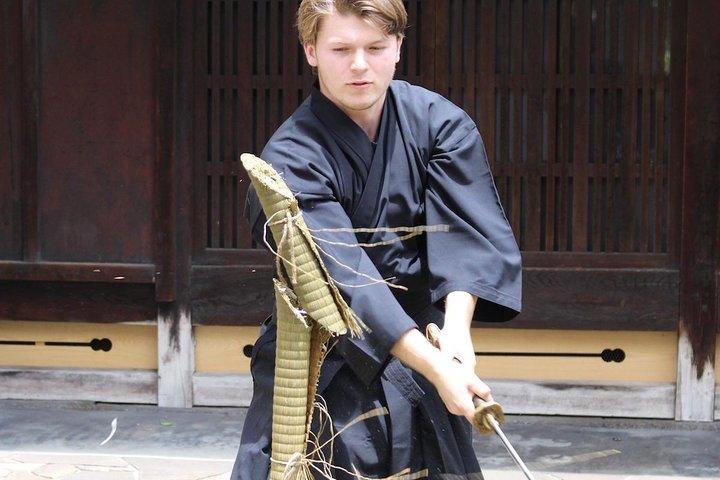
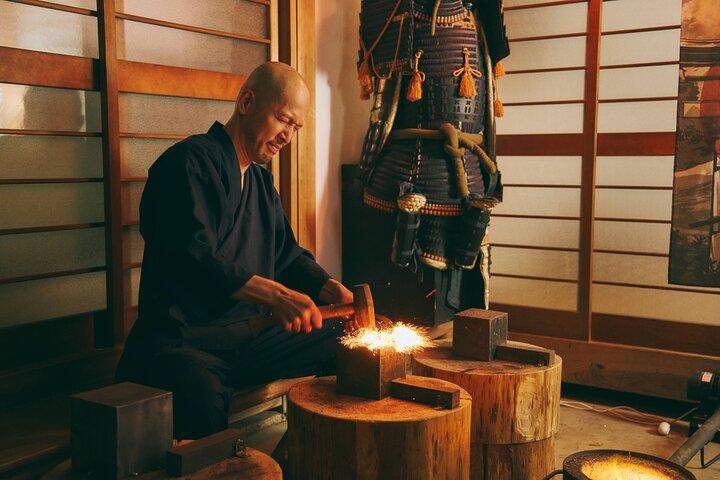
Tea ceremonies, kimono dressing and samurai experiences.
ExploreFood tours
Nishiki Market, kaiseki and matcha sweets.
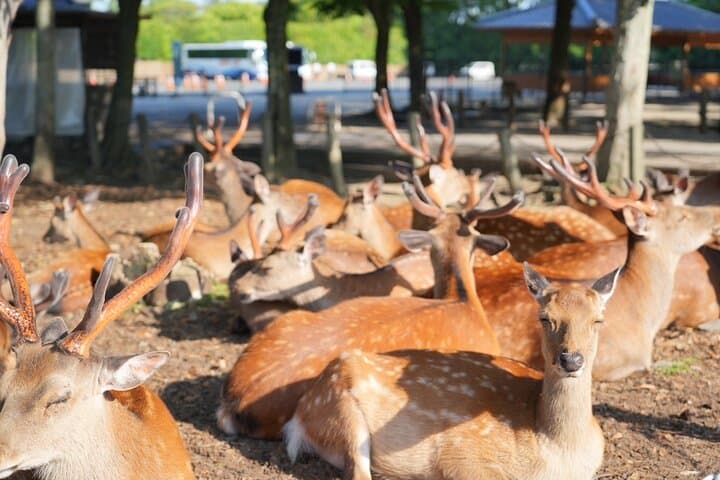
ExploreNara day trips
The deer park and the Great Buddha of Todai-ji.
ExploreKansai day trips
Osaka, Himeji Castle and Hiroshima with Miyajima.
ExploreTop attractions in Kyoto
The landmarks that define the city — and the tickets and tours that get you in, often skipping the line.
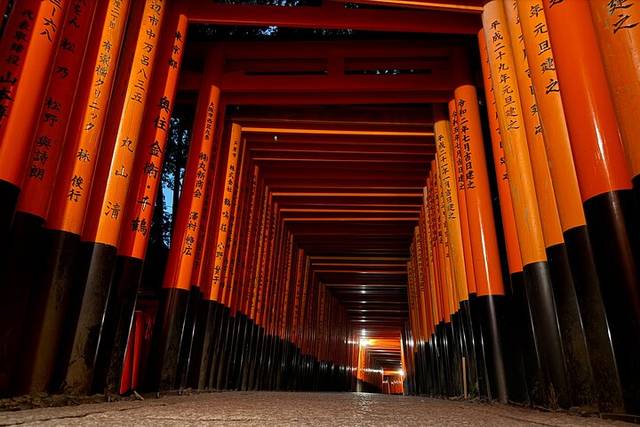
Fushimi Inari
Thousands of vermilion torii gates up a sacred mountain.
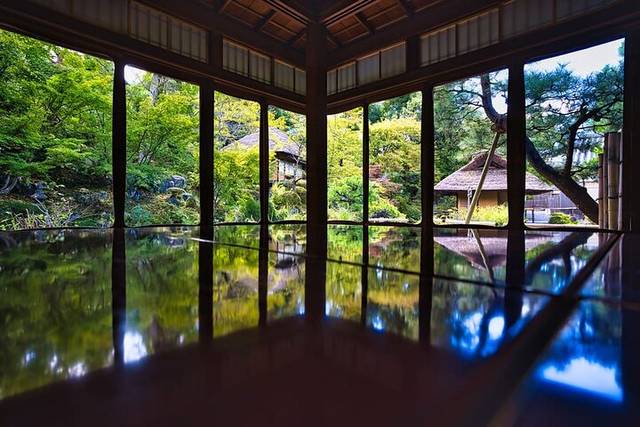
Kiyomizu-dera
The wooden temple terrace with sweeping views over Kyoto.
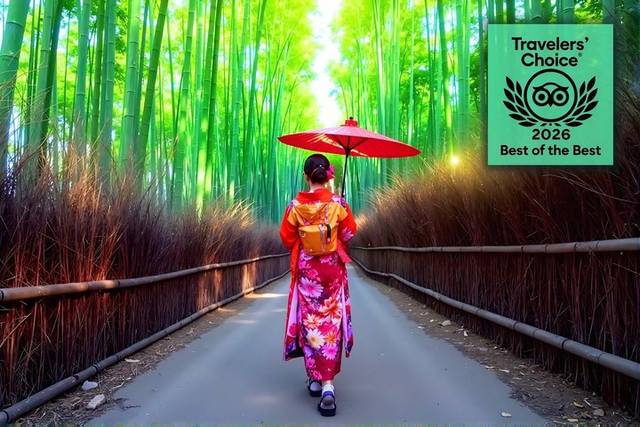
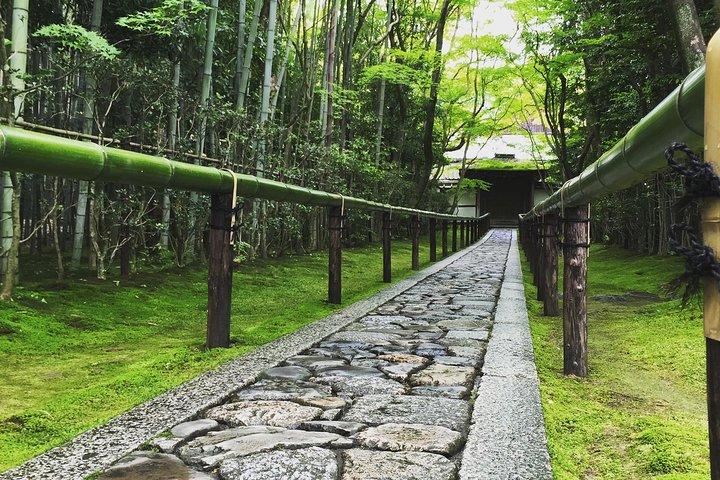
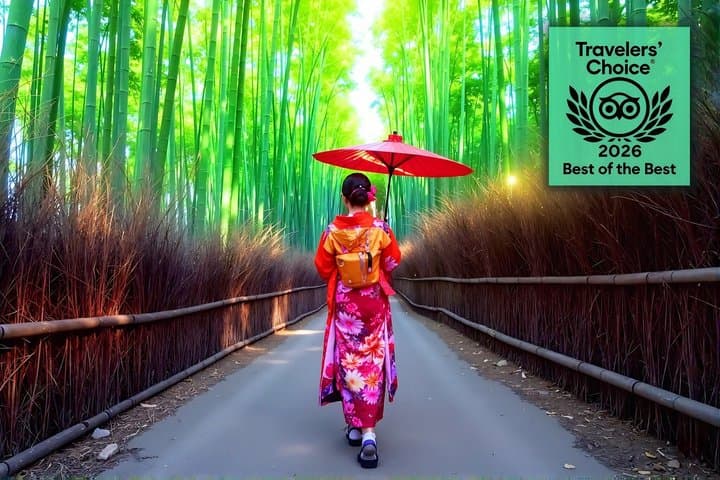
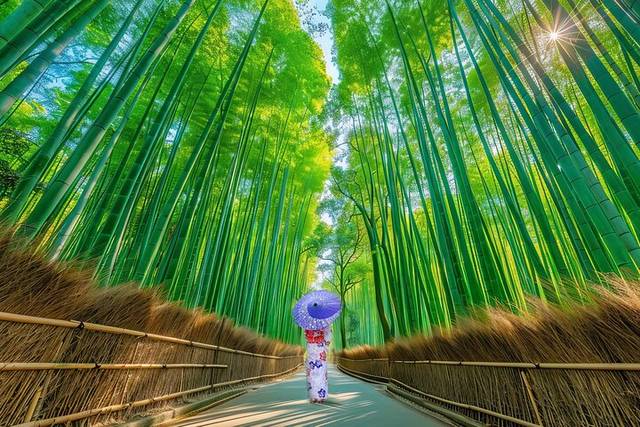
Arashiyama Bamboo
The ethereal bamboo grove in Kyoto’s western hills.
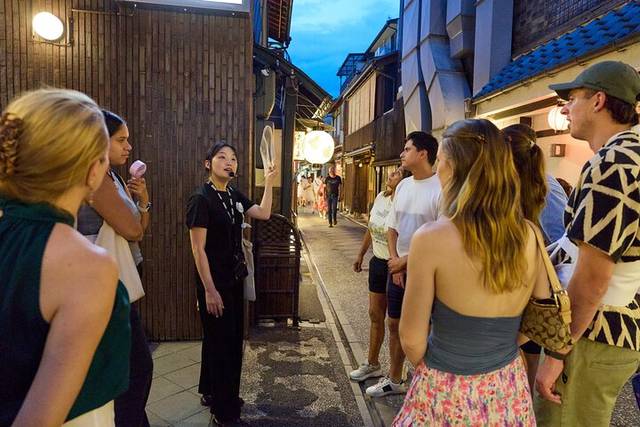
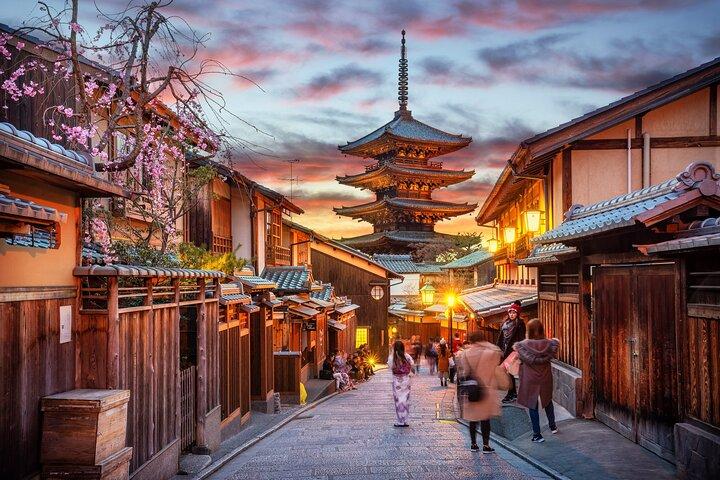
Gion
The historic geisha district of wooden teahouses.
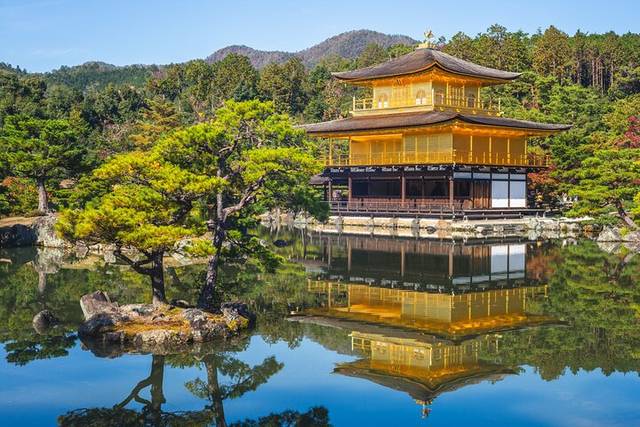
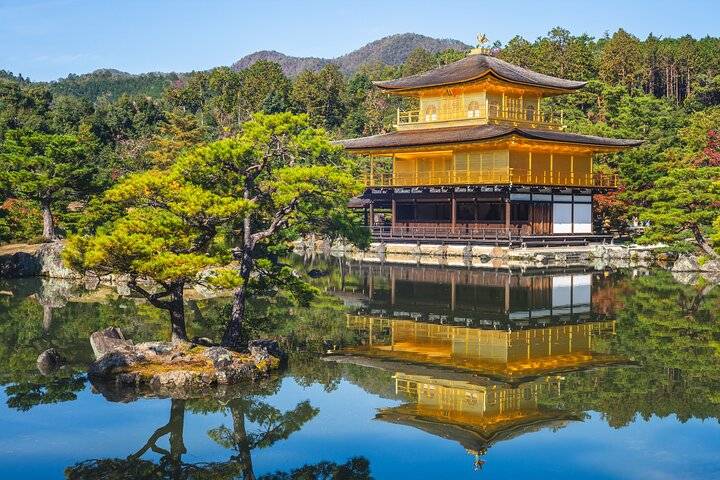
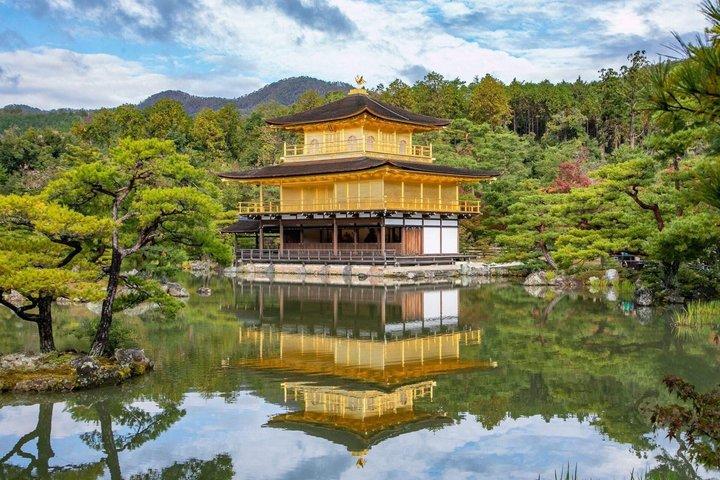
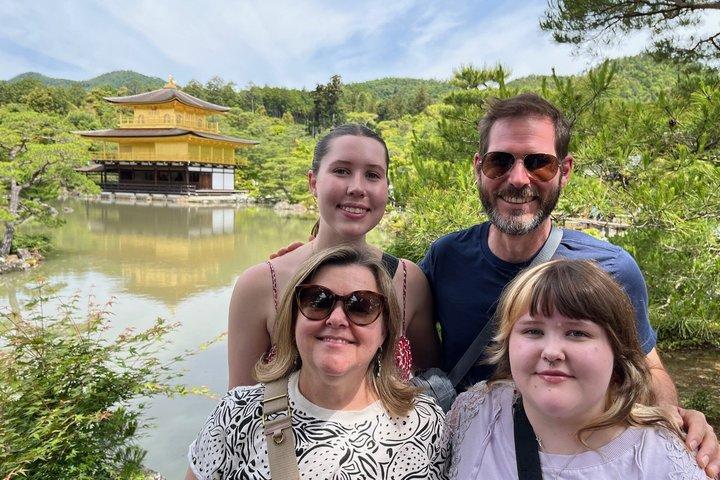
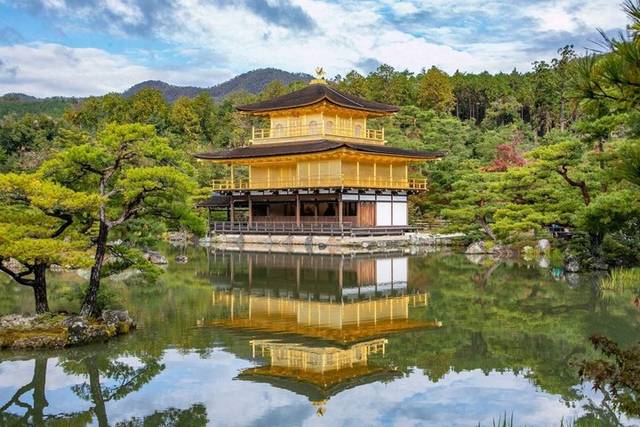
Kinkaku-ji
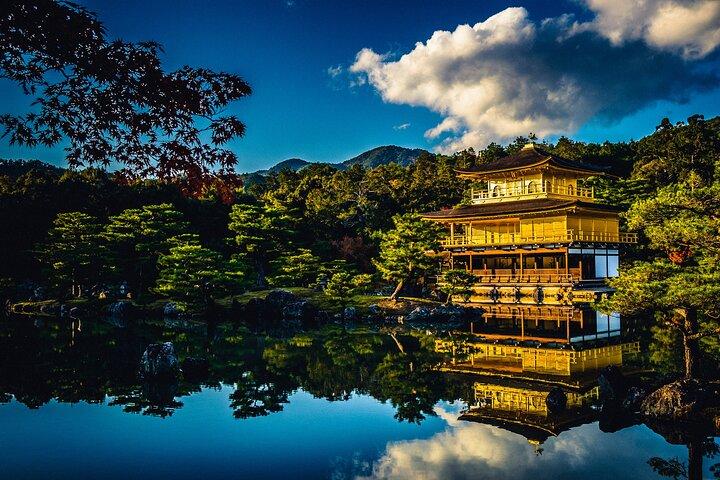
The Golden Pavilion mirrored in its tranquil pond.
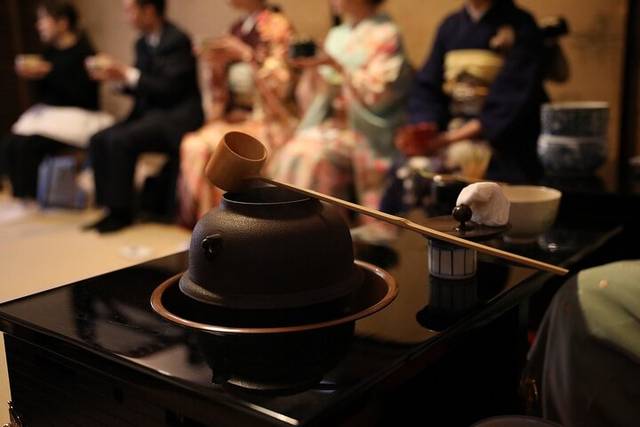
Tea & kimono
Tea ceremonies and kimono strolls in the old streets.
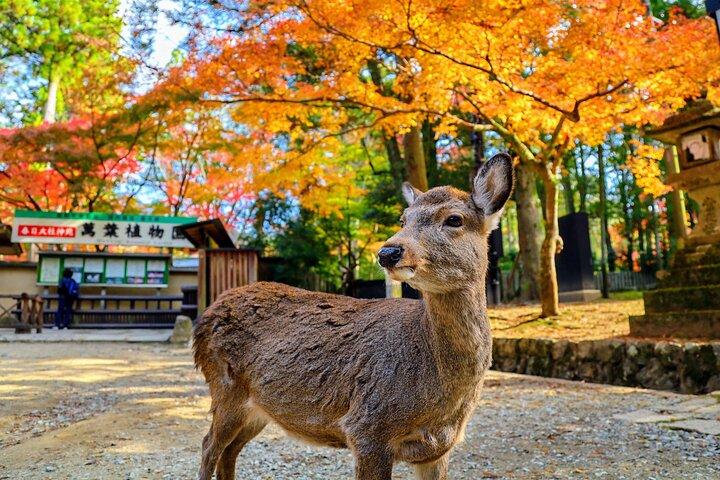
Nara
The deer park and the Great Buddha of Todai-ji.
Osaka
The neon canals of Dotonbori and Osaka Castle.
Kyoto in 1 day
- 1Fushimi Inari at dawn
- 2Kiyomizu-dera & Higashiyama
- 3Kinkaku-ji
- 4Arashiyama bamboo
Kyoto in 2 days
- 1Day 1: Fushimi Inari & Higashiyama
- 2Tea ceremony & Gion
- 3Day 2: Arashiyama & Kinkaku-ji
- 4Nara day trip option
Kyoto in 3 days
- 1Day 1: east Kyoto & Gion
- 2Day 2: west Kyoto & Arashiyama
- 3Day 3: Nara or Osaka
- 4Kaiseki farewell dinner
Kyoto with kids
- 1Arashiyama monkey park
- 2Bamboo grove
- 3Nara deer feeding
- 4Samurai & ninja experience
Kyoto temples & gardens
- 1Fushimi Inari at sunrise
- 2Kinkaku-ji, the Golden Pavilion
- 3Arashiyama bamboo grove
- 4A quiet zen garden to close
Kyoto geisha & tea traditions
- 1Rent a kimono for the day
- 2Tea ceremony with a master
- 3Gion geisha district by night
- 4A maiko performance to finish
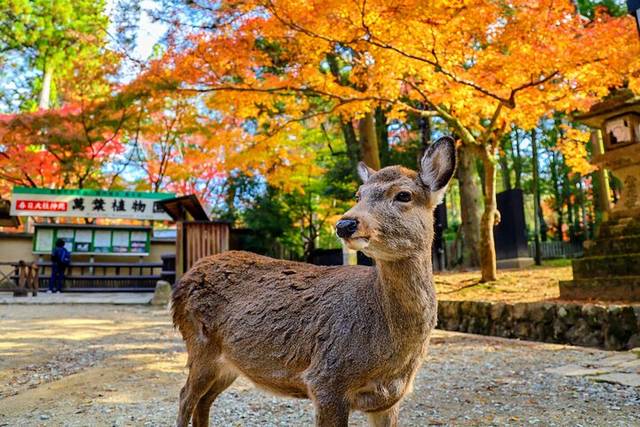 45 min away
Nara
The deer park and the Great Buddha of Todai-ji.
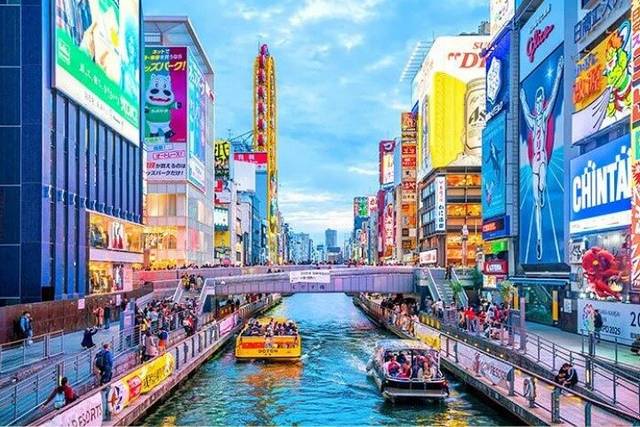 30 min away
Osaka
Dotonbori’s neon canals, street food and Osaka Castle.
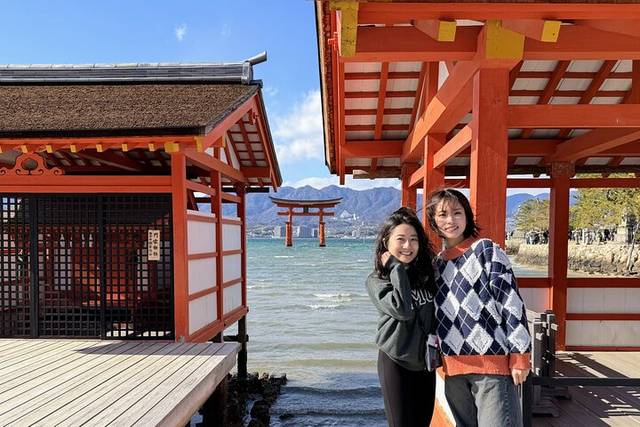 2 hrs away
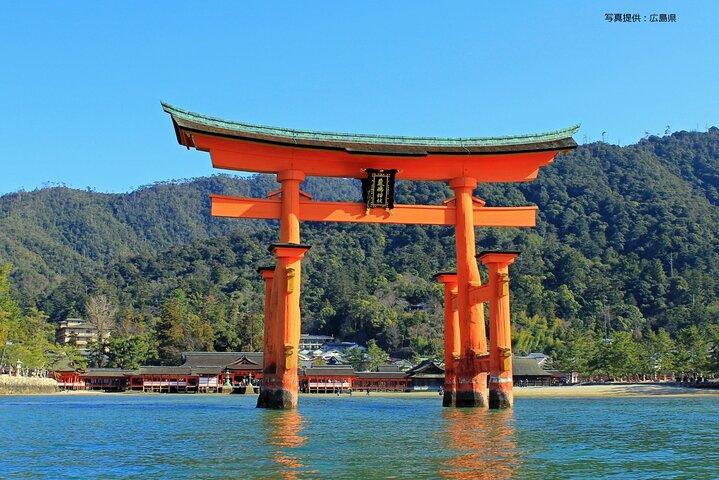
Hiroshima & Miyajima
The Peace Memorial and the floating torii of Miyajima.
 1 hr away
Himeji Castle
Japan’s magnificent white “Heron” castle, a UNESCO site.
 30 min away
Uji
The matcha town with Byodo-in temple and tea houses.
 1 hr away
Kobe
Harbour views, hot springs and famous Kobe beef.
Know before you go
Short, straight answers to the questions every Kyoto visitor asks before booking.
The sweet-spot seasons
Spring (late March–April) for cherry blossom and autumn (November) for fiery foliage are the most beautiful — and busiest — times.
Cherry blossom (late Mar–Apr)
The sakura transform the temples and riverbanks for a couple of weeks — magical but crowded, so book ahead.
Summer (Jun–Aug)
Hot and humid, with the June rainy season and the famous Gion Matsuri festival in July; start early to beat the heat.
Autumn (Nov)
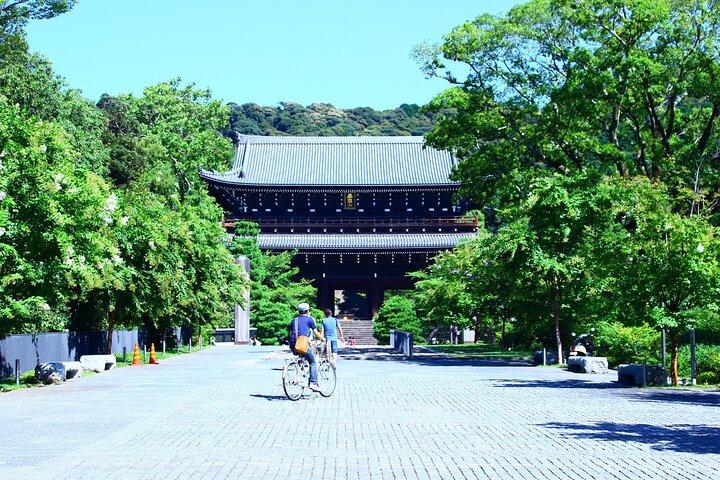
Kyoto’s autumn foliage (koyo) is spectacular at temples like Tofuku-ji — a top time to visit, so reserve early.
Winter (Dec–Feb)
Cold and quiet, with occasional snow that dusts the temples beautifully and the lowest crowds and prices.
Gion Matsuri
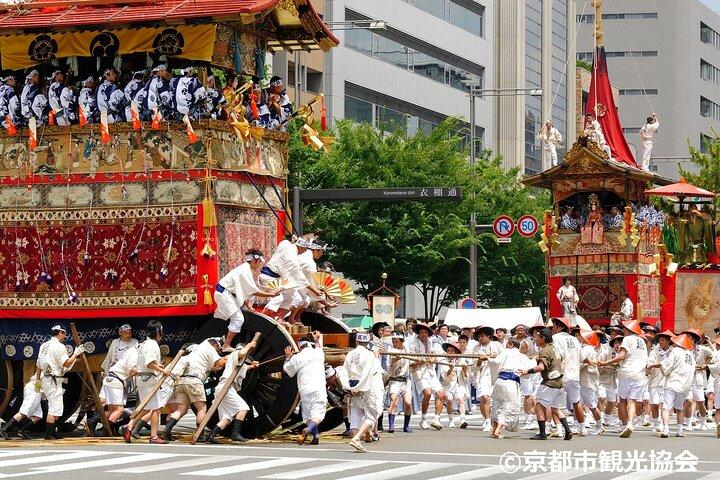
Kyoto’s grand July festival fills the streets with floats and crowds — spectacular but very busy, so plan ahead.
One day
Enough for Fushimi Inari, Kiyomizu-dera, the Golden Pavilion and the Arashiyama bamboo grove with an early start.
Two days
Add a tea ceremony, a Gion geisha walk and either west Kyoto or a Nara day trip.
Three days
The sweet spot: east and west Kyoto plus a Nara or Osaka day trip.
Four to five days
Add Hiroshima and Miyajima, Himeji Castle or hidden temples and gardens.
A week
Use Kyoto as a Kansai base for Nara, Osaka, Kobe, Himeji and Hiroshima.
Travelling with kids
Mix the monkey park and bamboo with Nara’s deer at a gentle pace.
City buses
Buses reach most temples but get crowded; a day pass helps, though they can be slow in peak season.
Trains & subway
Two subway lines and several rail lines (including to Fushimi Inari and Arashiyama) are faster than buses for many trips.
Bikes & e-bikes
Kyoto is flat and bike-friendly; an e-bike or cycling tour is a great way to link the scattered sights.
On foot
Districts like Higashiyama and Gion are best explored on foot, strolling the historic lanes.
Taxis & tours
Taxis and private tours save time for the spread-out temples, especially with limited days.
From the airport
Kansai Airport links to Kyoto by the Haruka express train in about 75 minutes; Osaka’s Itami is closer by bus.
Temple etiquette
Be quiet and respectful at temples and shrines, remove shoes where indicated, and follow photography rules — some interiors forbid photos.
Geisha respect
In Gion, don’t chase or block geiko and maiko for photos; private streets have restrictions, so admire respectfully or join a guided tour.
Cash & cards
Carry some yen for temples, small shops and buses; cards are increasingly accepted, and convenience-store ATMs take foreign cards.
Start early
Visit Fushimi Inari and Arashiyama at opening to beat the crowds and get the best photos.
Dress for the season
Pack for humid summers and cold winters, and comfortable shoes for lots of walking on temple paths.
Rail pass
A regional Kansai or JR pass can save money if you’ll day-trip to Nara, Osaka or Hiroshima.
Tea & kimono experiences
Tea ceremonies, kimono dressing and geisha experiences have limited places — book ahead.
Food tours
Small-group Nishiki Market and Gion food tours book out in peak season.
Day trips
Nara, Hiroshima and Himeji tours fill up in the cherry-blossom and autumn seasons.
Cherry-blossom & autumn
Late-March to April and November accommodation and tours sell out months ahead — plan early.
Special temple openings
Some temples hold limited special night illuminations in spring and autumn — book timed tickets ahead.
Private guided tours
Top licensed guides get booked up in peak season — reserve early.
City & temple tours
Around ¥6,000–20,000 (about €35–120) for a half- or full-day guided tour.
Tea & kimono
Roughly ¥3,000–8,000 (about €18–50) for a tea ceremony or kimono experience.
Food tours
About ¥8,000–16,000 (about €50–100) for a guided Kyoto food tour with tastings.
Day trips
Around ¥6,000–14,000 (about €35–90) for Nara or Osaka; Hiroshima costs more for the distance.
Temple entries
Most temples charge ¥400–600 each; budget for several if exploring independently.
How to save
Use bus and rail passes, visit free shrines like Fushimi Inari, and join group tours.
Kyoto through the seasons
What's best, how busy it gets, and one booking tip for each time of year.
- Best for
- Cherry blossom in late March–April — Kyoto’s most beautiful, popular season.
- Crowds
- Booking tip
- Book months ahead for sakura season.
- Best for
- The Gion Matsuri festival and lush green temples, though hot and humid.
- Crowds
- Booking tip
- Start early and carry water in the heat.
- Best for
- Spectacular November foliage at the temples — a top time to visit.
- Crowds
- Booking tip
- Another peak — reserve tours and hotels early.
- Best for
- Quiet temples, the lowest prices and occasional beautiful snow.
- Crowds
- Booking tip
- Great value with the fewest crowds.