Eintritt zum National Palace Museum Northern Branch Taiwan



Beschreibung
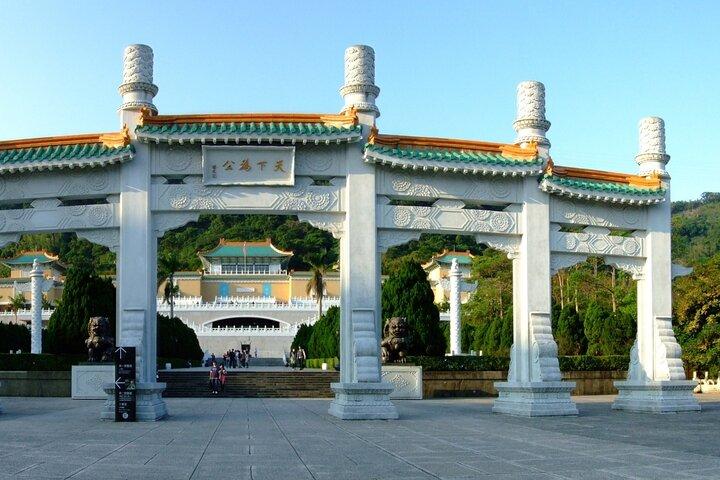
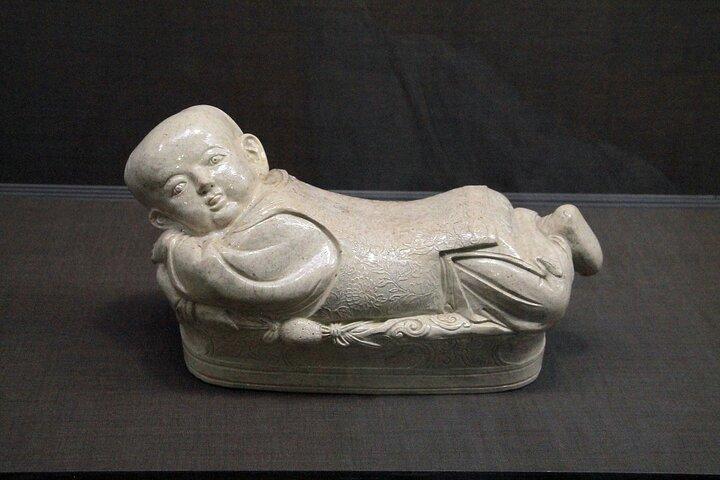
Entdecken Sie die Nördliche Zweigstelle des Nationalen Palastmuseums in Taiwan, ein kulturelles Juwel, das Reisenden aller Herkunft und Interessen ein unvergessliches Erlebnis verspricht. Die Northern Branch des National Palace Museum beherbergt eine erstaunliche Sammlung von über 700.000 unschätzbaren Artefakten. Es beherbergt einige der erlesensten chinesischen Kunst- und historischen Schätze aus 8.000 Jahren Geschichte. Das Museum selbst ist ein architektonisches Meisterwerk. Das moderne und innovative Design ergänzt die natürliche Umgebung und bietet eine harmonische Mischung aus Tradition und Innovation. Das Museum bietet ein umfassendes kulturelles Erlebnis, das den Besuchern ein tieferes Verständnis der chinesischen Geschichte und Traditionen ermöglicht. Zusammenfassend lässt sich sagen, dass die Nördliche Zweigstelle des Nationalen Palastmuseums in Taiwan eine einzigartige Mischung aus historischen Schätzen, architektonischer Schönheit, kulturellem Eintauchen und einer friedlichen natürlichen Umgebung bietet. Buchen Sie noch heute Ihren Besuch und begeben Sie sich auf eine unvergleichliche Reise durch Jahrhunderte voller Geschichte und Kultur!
Tour-Optionen
Reiseverlauf
Spazieren Sie durch Chinas reiche und lange Geschichte bei einer Tagestour durch Taiwans berühmteste Museen. Von wunderschöner Kunst bis hin zu antiken Artefakten – staunen Sie über die unzähligen Schätze, die in diesen Gebäuden ausgestellt sind. Betreten Sie das Nationale Palastmuseum von Taipeh, wo Sie die Entwicklung der chinesischen Kunst anhand von mehr als 6.000 Artefakten von der Jungsteinzeit bis zur Moderne verfolgen können. Bewundern Sie aufwendige Kalligraphie, Keramik und Gemälde. Machen Sie einen Spaziergang durch den Zhishan-Garten und bewundern Sie die Harmonie von Feng Shui und chinesischer Architektur. Der Northern Branch ist als modernes architektonisches Meisterwerk inmitten der üppigen Landschaft Nordtaiwans konzipiert. Das Design des Gebäudes sollte sowohl innen als auch außen eine Attraktion für sich sein und ein einzigartiges und umfassendes Museumserlebnis bieten.
Highlights
Was ist inklusive
Bewertungen der Reisenden
Wichtige Informationen
- Rollstuhlgerechter Zugang
- Kleinkinder können in einem Kinderwagen gefahren werden.
- In der Umgebung sind öffentliche Verkehrsmittel verfügbar.
- Kleinkinder müssen auf dem Schoß eines Erwachsenen sitzen.
- Die Transfermöglichkeiten sind rollstuhlgerecht.
- Für alle Fitnesslevel geeignet
- Northern Branch: 9:00–17:00 Uhr, Dienstag bis Sonntag, Montag geschlossen
- Das Bibliotheksgebäude bleibt an Tagen, Sonntagen und Feiertagen geschlossen
- Northern Branch: Legen Sie die folgenden Papiere vor und lassen Sie die Mitarbeiter vor Ort Ihren QR-Code scannen: Taiwan-Ausweis, ISIC (International Student Identity Card) oder APRC (Alien Permanent Resident Certificate).
Bewertungen(3)
As a first time visitor to Taipei, I very much enjoyed learning about the rich history and culture. The museum was a wonderful way to explore and learn.
Visited the beautiful National Palace Museum this morning. I had read the book ‘Breekbare lading’ by Adam Brookes in the Netherlands and was fascinated by that story. To see the most precious part of this cargo (read art treasures) in this museum was a special experience. The museum was just half an hour from our hotel. We bought the tickets in advance. The museum opens at 9 am and it is recommended to go early so that you can first view the showpiece, the bush pak choi with grasshopper of jade on the third floor before the crowds of tourists come. We were there at 09.30 and were just in time to photograph it quietly. You can compare the popularity of the art object to our national pride, Rembrandt's Night Watch. You will also find the most beautiful other jade objects, bronzes, scriptures, embroidered and woven landscapes, jewelry, Buddhas, tableware, vases, etc. Everything is clearly described and there is enough staff to help you. Very welcoming all although we found the interior of the building not contemporary. Beautiful museum shops. We stayed there for over three hours and were impressed. Then we walked through the beautiful garden. Below is a description of Adam Brookes’ book ‘Breakable cargo’: Adam Brookes reconstructs museum director Ma Heng’s unique sixteen-year journey to safeguard the art treasures of the Forbidden City, a journey that teaches us much about modern-day China. When Japan invaded Manchuria in 1931, fears of air strikes on Beijing grew. There were fears for the fate of the art treasures in the Forbidden City: precious porcelain, priceless silk paintings, unique calligraphies and libraries, plus ten giant stones with inscriptions considered the primordial texts of China. Ma Heng, the modest museum director, was ordered to have everything packed and taken inland. It was the beginning of an incredible journey, which would last almost sixteen years. All the while, Heng and his curators were on the road, carrying nearly twenty thousand wooden crates full of valuables. They traveled by train and steamer, in trucks, with rafts and sometimes on foot, their cargo on the backs of countless porters. So they pushed deeper and deeper into the country. The treasures ended up in caves, temples and barns, where they were tried as best as possible to keep them out of the hands of the advancing Japanese troops, and to protect them from termites, moisture, heat and cold. After the Japanese capitulation, the Chinese Civil War flared up, eventually resulting in a divided country. That would also determine the fate of the collection itself: part ended up in Beijing, another in Taipei.
The collection of bronzes and ceramics is wonderful. Since there are many items in the collection, the exhibition often changes hands. This month's special exhibition is also interesting. It is home to an unimaginably large collection of precious European and Chinese jewelry, mainly from the 19th and early 20th centuries. There were few paintings in this exhibition. All are displayed in a spacious, leisurely space, with careful commentary. There are also many benches on which you can sit, and you can enjoy them at your own pace. He often brought his own bottle and supplied hot and cold water freely. Admission is free of charge, with no checks or restrictions on bags. Flash photography is prohibited. Writing with a ballpoint pen is also acceptable. There are many attendants, but there are no small restrictions on the audience like in Japan. The restrooms are spacious and the facilities are modern and clean. The gift shop also has a Japanese catalog. If you have written a postcard, you can also buy stamps at a nearby post office and put them in the green box designated for the National Palace Museum. By the way, you can also exchange money at the post office. Walking around the wonderful gardens of the adjacent Charitable Garden leads to the National Palace Museum without climbing stairs.