TIWANAKU-RUINER. Andligt och politiskt centrum - Tiwanaku-kulturen.


Beskrivning
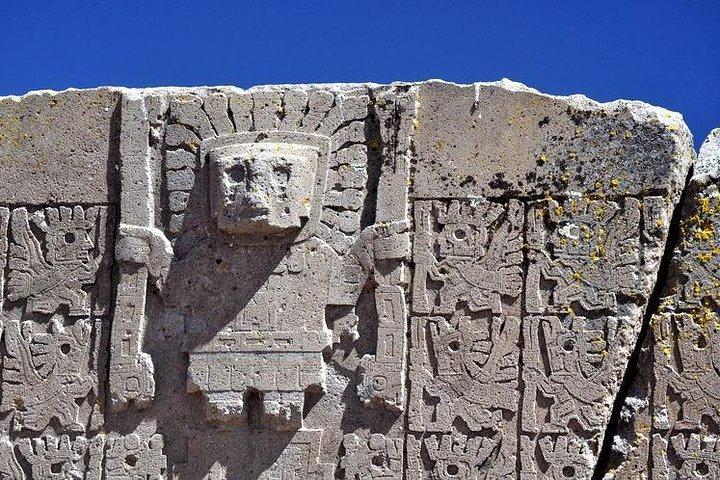
Staden Tiwanaku, huvudstad i ett mäktigt pre-spanskt imperium som dominerade ett stort område i södra Andesfjällen och därefter, nådde sitt namn mellan 500 och 900 e.Kr. Dess monumentala rester vittnar om den kulturella och politiska betydelsen av denna civilisation, som skiljer sig från något av de andra pre-latinamerikanska imperierna i Amerika. Stadens allmänna - religiösa utrymme formas av en serie arkitektoniska strukturer som motsvarar olika perioder med kulturella anslutningar: Semi-underjordiskt tempel, Kalasasayas tempel, Akapanas Pyramid, Pumapumku Pyramid. Dessutom representeras områdespolitiker - administrativ officer av strukturer som Palace of Putuni och Kantatallita. Detta arkitektoniska komplex återspeglar periodens komplexa politiska struktur och dess starka religiösa natur. Det mest imponerande monumentet vid Tiwanaku är Pyramiden i Akapana. En av de mest populära platserna att besöka i Sydamerika.
Turalternativ
Resplan
BESÖK: - LITIKO-MUSEET - KERAMISKA ARKOLOGISKA RUINER - PUMA PUNKU
Höjdpunkter
Vad som ingår
Resenärers betyg
Viktig information
- Servicedjur tillåtna
- Kollektivtrafiksalternativ finns i närheten
- Spädbarn måste sitta i knät på en vuxen
- Lämplig för alla fysiska konditionsnivåer
Recensioner(4)
A day tour to Tiwanaku with the guide Ricky was a pure rush through the museums and the site. Parts of Tiwanaku and Puma Punku were simply skipped. An hour more in total time - and the rush would not have been necessary. I really don't fly halfway around the world for that. Quick, fast and really careless. No consistent translation into English. I would not use this provider again. A real mistake and a disappointment.
This tour was sold as 4 hours actual was 9hours sold as English tour all in Spanish Never answered questions Has so much potential
Hello Jenny. 1) It takes around 4 hours to get to the historical site of Tiwanaku. This place is not located in the city centre. As you saw for yourselves, it's an important part of Andean culture. 2) We had a multinational and diverse group, we put our multilingual guide who had to speak 3 languages including English on the tour. As you may appreciate not many people (non English speaking) have the confidence to speak English. So the guide spoke in different languages to include them feel inclusive. I hope you understand. We appreciate your feedback and wish you have a brilliant time for the rest of time in Bolivia.
Fantastic place to see but would have preferred more time in the museums and less at lunch. There was so much to see but we ere walked through fairly quickly. The tour guide was a little quiet
Thank you for the review. We will get the guides to be more talkative in the right form. Appreciate the feedback.