Tour naar Maras Moray en Salineras 1/2 dag


Beschrijving
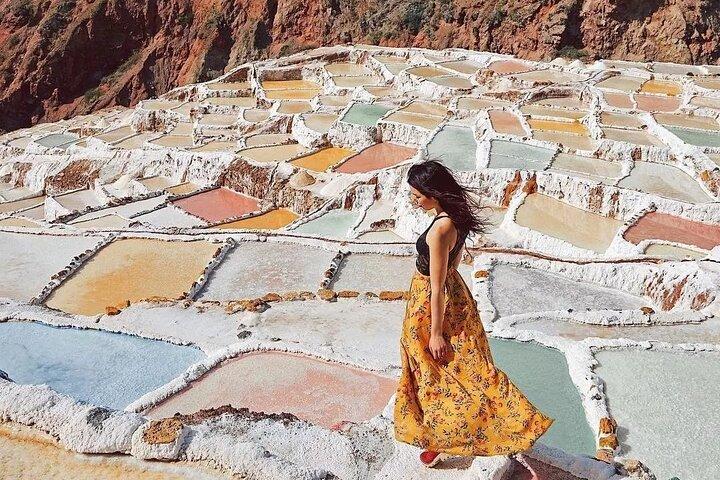
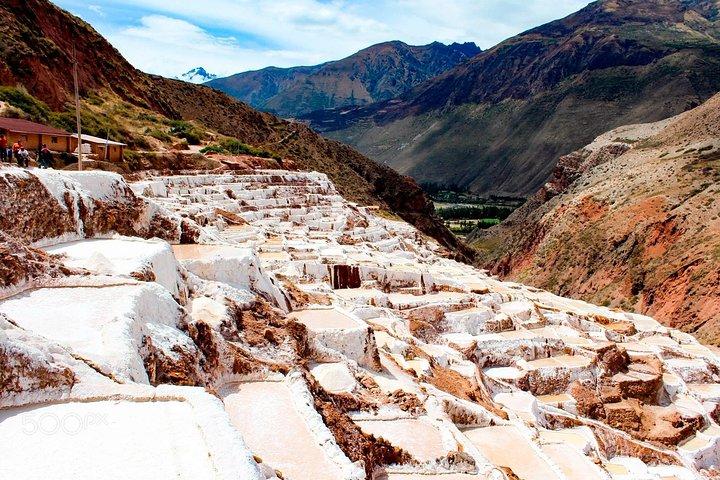
Tussen 8.45 uur en 9.00 uur halen we je op bij je respectievelijke hotels om je naar de stad Maras te brengen, een pittoreske gemeenschap met prachtige landschappen; murene; agrarisch onderzoekscentrum en Salineras, waar we een bron van zout water vinden waaruit zout wordt gewonnen door het verdampingsproces.
Rondreisopties
Reisroute
De stad Maras zal ons eerste bezoekpunt zijn; die van groot belang was tijdens de onderkoning, verklaarde Villa de San Francisco de Asís (het was de belangrijkste zoutleverancier van de zuidelijke hooglanden), zoals blijkt uit de kerk en de huizen die nog steeds de schilden van inheemse adel op hun gevels bewaren.
De Salineras de Maras, ons tweede bezoekpunt, behoort tot de stad Maras, die van groot belang was tijdens de onderkoning, het was de belangrijkste zoutleverancier van de zuidelijke hooglanden, zoals blijkt uit de kerk en de herenhuizen die nog steeds de adellijke schilden behouden Inheems op zijn gevels. De zoutmijnen van Maras verrassen de bezoeker door de meer dan drieduizend bronnen die het presenteert en die momenteel nog steeds worden gebruikt door meer dan 360 families, die dit aangepaste en extractieve ambachtelijke werk hebben geërfd; De commercialisering van zout is verantwoordelijk voor de vereniging Maras Sal, die sinds het einde van de jaren 80 de belangen van de gemeenschap moet waarborgen.
Onze excursie zal doorgaan met het bezoeken van de cirkelvormige terrassen van Moray, die een voorbeeld zijn van hoe de Andes-mens de natuur uitdaagde en gebruik maakte van zijn geografische omgeving om deze in zijn voordeel te gebruiken, deze cirkelvormige platforms dienden als een agrarisch laboratorium dat het verkrijgen van een breed scala aan soorten mogelijk maakte Aardappel, maïs, onder andere producten.
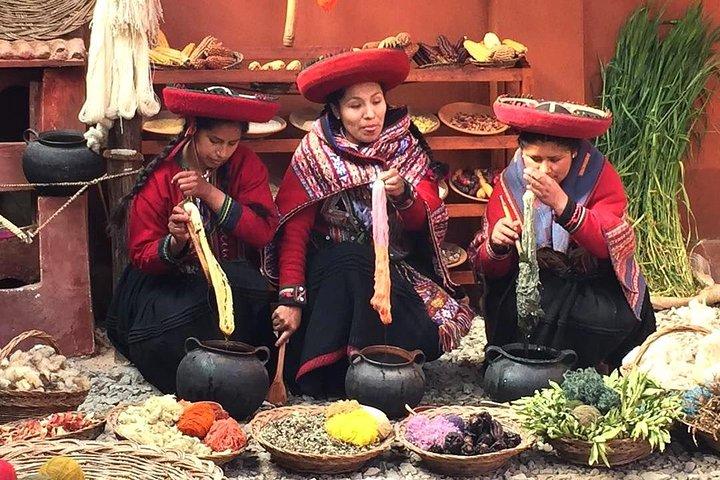
Deze stad ligt op 28 km van Cusco op de verharde weg naar Urubamba. Waar zich de overblijfselen bevinden van wat vroeger de koninklijke hacienda van Túpac Inca Yupanqui was ”, is het als een prachtige koloniale tempel gebouwd op Inca-fundamenten, de grootste attractie. Het is echter de ambachtelijke markt, oorspronkelijk gewijd aan de uitwisseling van landbouwproducten tussen de dorpelingen van de vallei en die van de bovenste delen. Momenteel is de markt een waar spektakel van kleur en beweging dat de toerist fascineert met zijn aanbod van handwerk en textielkleding gemaakt in de zuiverste pre-Columbiaanse stijl. Einde services
Hoogtepunten
Wat is inbegrepen
Beoordelingen van reizigers
Belangrijke informatie
- Niet aanbevolen voor reizigers met een slechte cardiovasculaire gezondheid
- Geschikt voor alle condities
Beoordelingen(34)
My wife and I toured the Salinas de Maras on a day trip during our visit to Peru this past July. It is fascinating how the salt pools have been developed for hundreds of years. Our guide told us that families in the local town own individual pools and have made enough money to send their children to college. We bought a couple of kilos of salt to take home for gifts.
Interesting. Be sure to stop for photos on the ridge above. Not Much time needed actually. Interesting from a cultural perspective. Worth visiting but not wow, wow.
Really interesting and beautiful stop while in Cusco or like I did from Sacred Valley. It’s a must see and highly recommend visiting during the dry season. The tour guide explained that when it’s the rainy season you can’t appreciate the beauty of this place. We had a driver take us and in cost us 20 soles per person to enter the salt mines. Once you take your pictures and enjoy the views don’t forget to stop at the local vendors on the way out and try the chocolate samples they offer I bought the salted chocolate and the maracuya chocolate bars they where delicious!
One of the most interesting places to meet. Amazing. Arriving through the precipice is scary, even more when the van has to give re to give way to other cars.
The salt pans are impressive both visually and from a cultural and historical perspective; to think that the production of mountain spring salt is more than 3000 years old since the ancient inhabitants, before the Incas, did it very similar to how they are done today is something that few can imagine. Ideally, a local guide can compare you on the visit so you can get to know all the technical and historical details of the production and culture.
Surprising, these salt terraces fed by water from the melting ice of the mountains. This gives a "snowy" rendering and a titanic job to collect the kilos of salt, add to that a history of property and ancestral heritage. We were delighted to discover this site a little off the beaten track. How beautiful nature is!
An incredible landscape. A cooperative that has a legacy. You can buy chocolate with fleur de sel or small sachets of salt. Nature proves once again that it is well made.
Bonjour, Merci beaucoup pour votre commentaire ! Nous sommes ravis que vous ayez apprécié le paysage et le travail de la coopérative. C’est merveilleux de savoir que vous avez découvert des produits locaux comme le chocolat à la fleur de sel. La nature a effectivement tant à offrir. Nous espérons vous revoir bientôt pour d'autres expériences ! Cordialement, Rolando A. Willka Travel
The place is really spectacular. From the road between mountains, to the place. Highly recommended
Just interesting, but the price charged for entry (20 soles in June 2024) is high for visitors. Structure ok, visit that lasts about 30/40 minutes. Several vans at the same time and a mess of people to take pictures. Guides are more concerned about photo than the place itself.
These salt pans are truly unique: salt water that flows from the mountains. The view is truly scenic. The small sample of free salt with the entrance ticket was also very welcome. Absolutely unmissable on a tour of the Sacred Valley.