Si prega di andare all'interno del Milan Vistor Center per fare il check-in
Descrizione
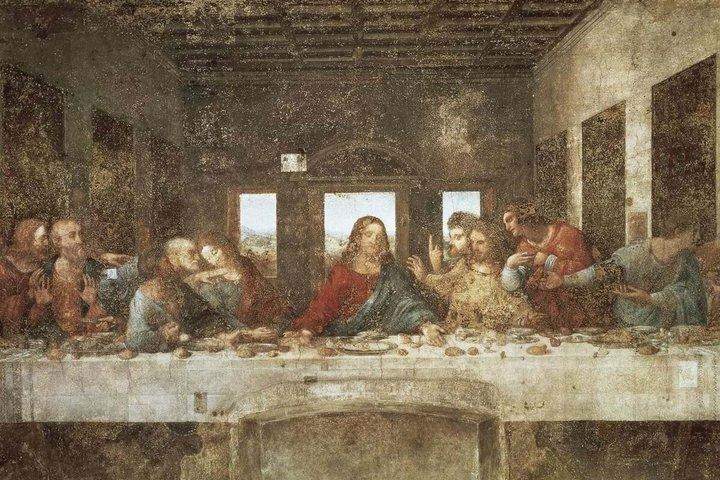
Segui le orme di Leonardo da Vinci con accesso salta fila all'Ultima Cena, uno dei capolavori più celebrati di Milano.
Scegli tra una vasta gamma di esperienze guidate, dalla classica visita di 1 ora a tour più completi della durata massima di 6 ore.
A seconda dell'opzione selezionata, la tua esperienza può includere anche la Chiesa di Santa Maria delle Grazie, il Castello Sforzesco e la Pietà Rondanini di Michelangelo, il Museo alla Scala, il Duomo di Milano o un tour a piedi esteso che copre i principali monumenti di Milano.
Ogni opzione include L'Ultima Cena, ma itinerari, durata e attrazioni incluse variano notevolmente.
Alcune opzioni si concentrano esclusivamente sul capolavoro di Leonardo, mentre altre offrono un'esplorazione di mezza giornata o di un'intera giornata di Milano.
Si prega di controllare attentamente il titolo dell'opzione, la durata e le inclusioni prima di prenotare per selezionare l'esperienza che meglio corrisponde ai tuoi interessi e al tempo disponibile.
Opzioni del tour
Ultima Cena Tour di 1 ora
RIV
Durata: 1 ora
Visita il dipinto dell'Ultima Cena: Questa opzione non include la visita alla chiesa. Potrai comunque vedere la chiesa quando riaprirà.
Punto di partenza:
Via Fratelli Ruffini, 1, 20123 Milano MI, Italia
Ultima Cena - 1 h (max 9 pax)
Tour per max 9 persone: Questo tour è per piccoli gruppi per godersi al meglio questa esperienza e avere il tempo di fare domande alla tua Guida
RIV
Durata: 1 ora
Punto di partenza:
Via Fratelli Ruffini, 1, 20123 Milano MI, Italia
Tour dell'Ultima Cena
CW
Punto di partenza:
Piazza di Santa Maria delle Grazie, 20123 Milano MI, Italia
Ultima Cena, Duomo + Milano Tour
VED
Durata: 6 ore. Ammira i punti salienti di Milano in un giorno con una Guida locale. Scopri storie nascoste e goditi una vibrante passeggiata per la città.
Punti salienti: Visita l'Ultima Cena, Santa Maria dell Grazie, il Duomo, il Castello Sforzesco (fuori) San Maurizio al Monastero Maggiore e altro ancora
Punto d'incontro: Incontra la nostra Guida in Piazzale Luigi Cadorna 14 (sul lato destro dell'ingresso della stazione ferroviaria di Cadorna, vicino al bar MARINONI)
Punto di partenza:
Piazzale Luigi Cadorna, 14, 20123 Milano MI, Italia
Ultima Cena + Michelangelo Pietà
AUT
Durata: 3 ore. Ammira l'Ultima Cena di Leonardo e la Pietà di Michelangelo in un grande tour, tra cui Santa Maria delle Grazie e il Castello Sforzesco.
Punti salienti:: Castello Sforzesco - Pietà di Michelangelo - Chiesa di Santa Maria delle Grazie - Ultima Cena di Leonardo
Punto d'incontro: Incontra la nostra Guida in Piazza Castello 1
Punto di partenza:
Autostradale Viaggi, Piazza Castello, 1, 20121 Milano MI, Italia
Tour classico dell'Ultima Cena
TOI
Durata: 1 ora
Punto di partenza:
Piazza di Santa Maria delle Grazie, 20123 Milano MI, Italia
Ultima Cena, La Scala & Duomo
ZAN
Durata: 3 ore 30 minuti
Itinerario: Ammira l'Ultima Cena, visita il Duomo di Milano, ammira la Galleria Vittorio Emanuele II e scopri la Scala con un tour guidato di mezza giornata
Autobus: Prenderai un autobus dal Duomo al museo dell'Ultima Cena
Punto di partenza:
Largo Cairoli, 18, 20121 Milano MI, Italia
ESPERIENZA DELL'ULTIMA CENA
CRW
Durata: 1 ora. Goditi l'accesso salta fila all'Ultima Cena di Leonardo da Vinci, con ingresso garantito e approfondimenti Esperti di una Guida Esperta
Punto di partenza:
Piazza di Santa Maria delle Grazie, 20123 Milano MI, Italia
Ultima Cena - Tour classico
BOL-WY
Durata: 1 ora
Punto di partenza:
Via Fratelli Ruffini, 1, 20123 Milano MI, Italia
Ultima Cena + Tour di Milano
MilGUI
Durata: 3 ore. Guarda l'Ultima Cena di Leonardo da Vinci e scopri i punti salienti di Milano in questo tour a piedi di 3 ore
Punto di partenza:
Piazza di Santa Maria delle Grazie, 20123 Milano MI, Italia
Tour della città + Ultima Cena (3h)
VED
Durata: 3 ore
Punti salienti: Goditi l'Ultima Cena (all'interno) e un tour della città che include il Castello Sforzesco, la Galleria Vittorio Emanuele II e il Duomo (all'esterno).
Punti di partenza:
P.za del Duomo, 4, 20122 Milano MI, Italia
Piazza di Santa Maria delle Grazie, 20123 Milano MI, Italia
VIP Ultima Cena + Tour del Duomo
WA
Durata: 2 ore 30 minuti
Tour esclusivo: Un lussuoso tour con accesso esclusivo salta fila all'Ultima Cena e al Duomo - per un'esperienza Milano davvero raffinata
Piccolo gruppo: Max 8 persone
Punto di partenza:
Piazza di Santa Maria delle Grazie, 20123 Milano MI, Italia
Ultima Cena, Duomo + Tour della città
WA
Durata: 6 ore. Salta le code ed esplora i luoghi più importanti di Milano, tra cui l'Ultima Cena e il Duomo, con guide Esperte in un piccolo gruppo
Punti salienti: Ultima Cena - Duomo - Castello Sforzesco (Pietà Michelangelo) - Chiesa di Santa Maria delle Grazie - Tour della città
Meeint Point: Incontra la Guida accanto al grande monumento dell'ago e del filo nel mezzo di Piazza Luigi Cadorna
Punto di partenza:
Piazzale Luigi Cadorna, 8/1, 20123 Milano MI, Italia
Tour completo dell'Ultima Cena + Chiesa
Itinerario:: Scopri l'Ultima Cena di Leonardo da Vinci ed esplora la storica Chiesa di Santa Maria delle Grazie con una guida esperta.
RIV
Durata: 1 ora 30 minuti
Ultima cena + tour della città
WA
Durata: 3 ore
Punti salienti: Goditi l'Ultima Cena (all'interno) e un tour della città che include il Castello Sforzesco, la Galleria Vittorio Emanuele II e il Duomo (all'esterno).
Punto d'incontro: Incontra la tua Guida fuori dall'ingresso dell'Ultima Cena per iniziare il tour
Punto di partenza:
Piazza di Santa Maria delle Grazie, 20123 Milano MI, Italia
Ultima Cena di Piccolo Gruppo + Chiesa
RIV
Durata: 1 ora 30 minuti
Tour esclusivo per piccoli gruppi: Goditi un tour guidato di 1,5 ore dell'Ultima Cena di Leonardo da Vinci e della Chiesa di Santa Maria delle Grazie con un massimo di 9 ospiti.
Punto di partenza:
Via Fratelli Ruffini, 1, 20123 Milano MI, Italia
Ultima Cena - Piccolo gruppo
CRW
Durata: 1 ora
VIP TOUR: Unisciti a un piccolo gruppo , con accesso salta fila, ingresso garantito e guida Esperta.
Punto di partenza:
Piazza di Santa Maria delle Grazie, 20123 Milano MI, Italia
Itinerario
Il Cenacolo
Ingresso incluso15 min
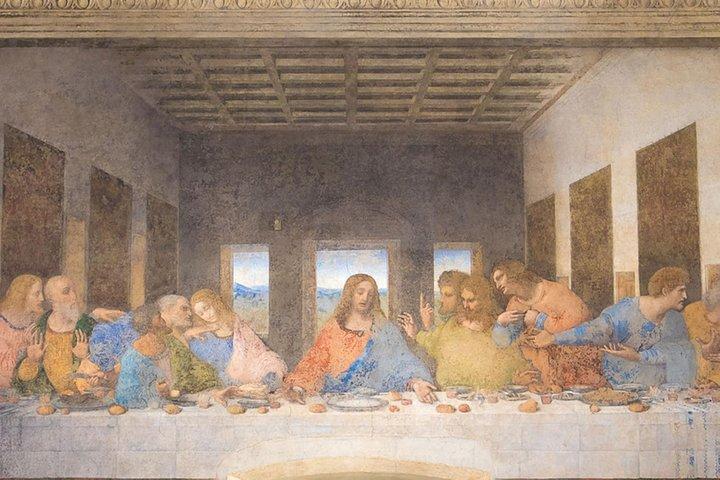
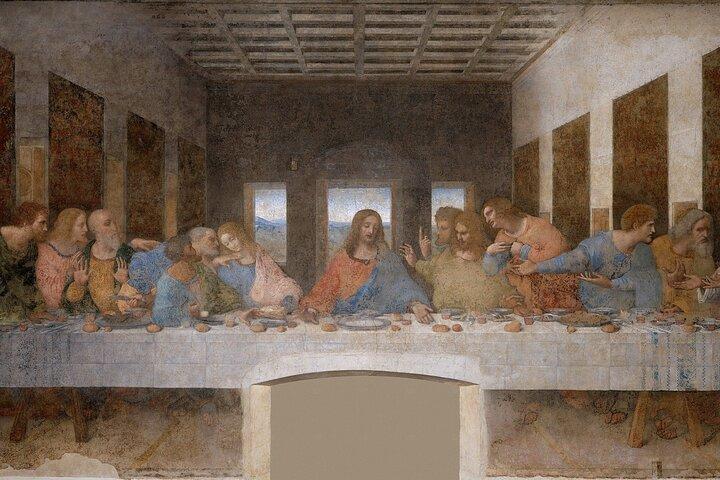
Il murale più famoso di Milano, L'Ultima Cena di Leonardo da Vinci, è nascosto su una parete del refettorio adiacente alla Basilica di Santa Maria delle Grazie. Raffigurare Gesù e i Suoi discepoli nel momento drammatico in cui rivela di essere consapevole del tradimento, è uno studio psicologico magistrale e una delle immagini più iconiche del mondo.
Santa Maria delle Grazie
30 min
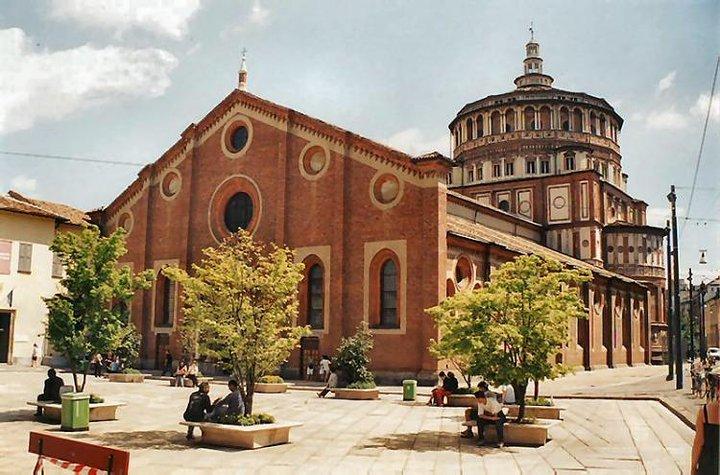
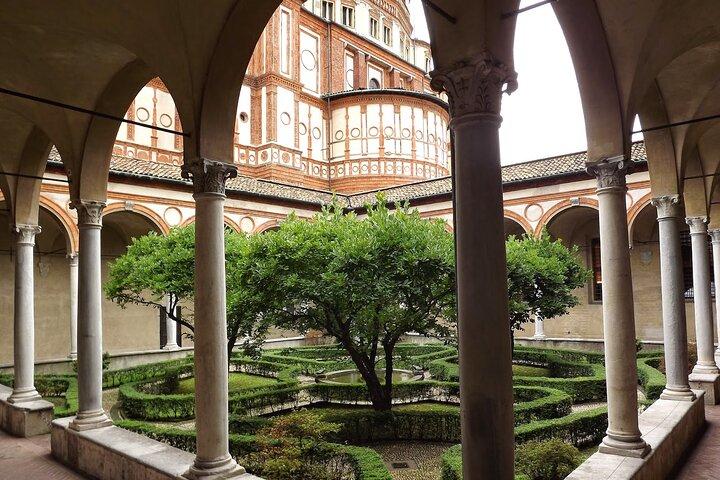
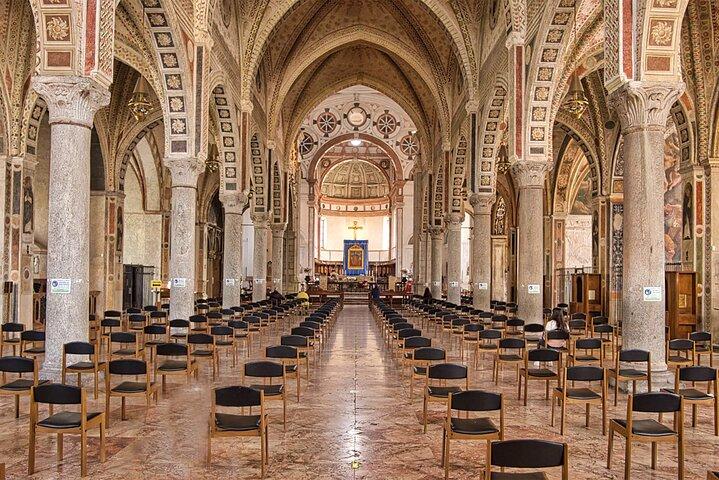
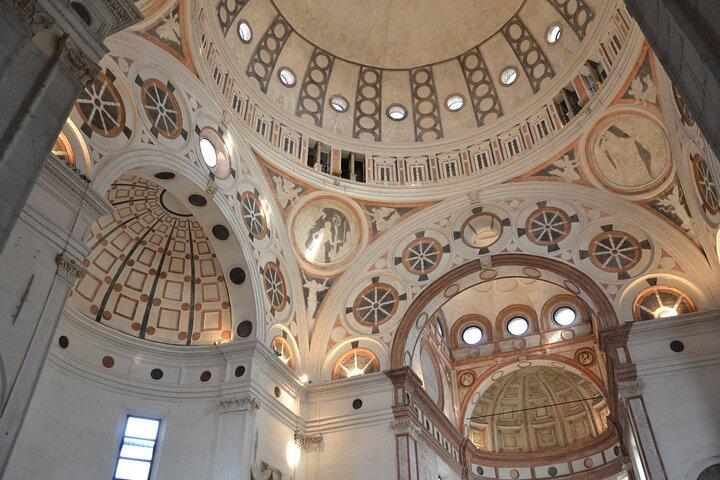
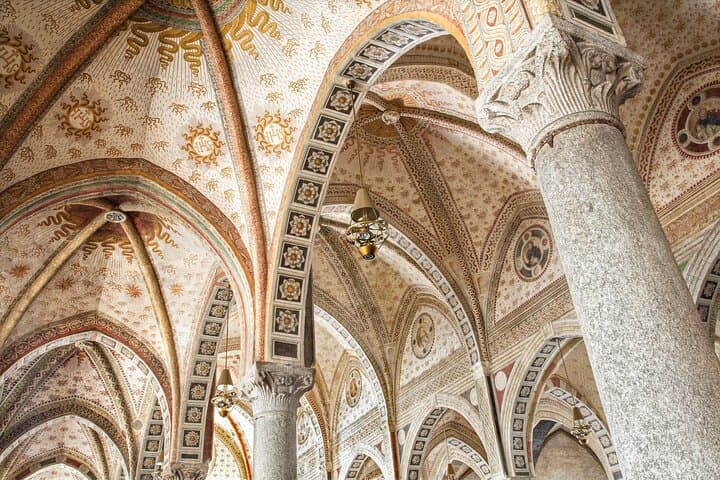
Santa Maria delle Grazie, sito Patrimonio dell'Umanità dell'UNESCO e eccezionale testimonianza dell'architettura rinascimentale milanese. Progettata da Guiniforte Solari nel 1463, con aggiunte successive del Bramante, questa splendida chiesa longobarda racchiude la magnificenza della corte milanese di Ludovico Sforza e Beatrice d’Este. La visita della Chiesa può essere fatta solo dall’esterno se la Chiesa è chiusa. La chiesa è chiusa dalle 12:50 alle 15:00
Cosa è incluso
Incluso
Pietà di Michelangelo (se hai scelto questa opzione)
Biglietto salta fila
Visita della chiesa all'interno (quando la chiesa è aperta e inclusa nella tua opzione)
Guida autorizzata e cuffie per ascoltare chiaramente la Guida
Tour della città di Milano (se hai scelto questa opzione)
Tutte le tasse e spese
Non incluso
Cibo e bevande
Trasporto privato
Visita interna della Chiesa (quando la Chiesa è chiusa o non inclusa nella tua opzione))
Valutazioni dei viaggiatori
4.4
333 recensioni
5
246
4
34
3
19
2
8
1
26
Informazioni importanti
Sono disponibili trasporti pubblici nelle vicinanze
Adatto a tutti i livelli di forma fisica
La disponibilità per gli spettacoli non può essere verificata senza effettuare una prenotazione.
L'addebito sulla carta di credito avverrà solo previa conferma della disponibilità dello spettacolo
Opera in tutte le condizioni atmosferiche, si prega di vestirsi in modo appropriato
Per accedere ai luoghi di culto e ai musei selezionati è necessario un dress code. Non sono ammessi pantaloncini o top senza maniche. Ginocchia e spalle DEVONO essere coperte sia per gli uomini che per le donne. Potresti rischiare di rifiutare l'ingresso se non rispetti questi requisiti di abbigliamento
Portare l'ID per ogni persona che partecipa al tour
Non è necessario riscattare il biglietto prima dell'inizio del tour
Il tour di mercoledì alle 16:30 e venerdì alle 12:00 è bilingue (Inglese e Italiano)
Cancellazione
Tutte le vendite sono definitive. Nessun rimborso previsto in caso di cancellazione.
0+ giorni prima0% di rimborso
Recensioni(333)
M
Mark_M
September 26, 2026
I was *very* unsure what...
I was *very* unsure what I was buying online via Viator, other than seeing The Last Supper. I am so happy to leave this review to let others know, 1) this can be trusted, 2) the tour we had (Palace, history, walking, Last Supper) was very good (3 hrs).
K
Kathryn_V
September 24, 2026
Disappointed
It was a disaster. I booked on line for a 3:00 pm tour then the tour guide contacted me and changed it to 4:30 pm. Which was fine. I contacted the guide to confirm the night before and he confirmed the time, date and location. We showed up 30 minutes before the tour and waited. There was another Viator tour at the same time but we were not on the list. I tried contacting the guide without success. Finally had to contact the toll free number and talk to an agent for 20 minutes. They said there was some confusion. There was no communication to us at all about any of this. The stress of figuring out our next steps was exhausting. We had to explain to the ticket office and show them our voucher, which said 3:00 ( the guide was suppose to bring our new voucher and tickets for 4:30) Fortunately they honored our voucher and gave us two tickets which was an hour later then hour planned tour-5:30pm. NO SHOW, NO COMMUNICATION and not a guarantee to see the Last Supper. Very disappointed.
Risposta dell'operatore
We sincerely apologise for the scheduling error and the stress and inconvenience it caused.
Our team did everything possible to resolve the situation. Our main priority was to ensure that you could still see The Last Supper, and we ultimately secured your admission. We also immediately issued a full refund, so you were able to visit at no cost.
We remained in communication during the process, although we recognise that the assistance you received did not meet your expectations. Ensuring your admission and refunding your booking were our efforts to put things right, but we understand that they do not erase the disappointment of missing the guided experience you had booked.
We take responsibility for the error and sincerely apologise for letting you down.
T
tmdelmar
September 22, 2026
So happy to see Davinci’s Last Supper! We learned so much from our guide and felt we she explained in depth everything s
Excellent guide who was well informed and very friendly and knowledgeable. This site has problems it is not transmitted
T
tmitch09
September 21, 2026
Great trip
great experience. booked last minute glad was able to get worked out
H
hanyid2018
September 20, 2026
Poor experience
The operator is unreachable; too much stress for a supposedly relaxing trip
Q
Q8155MIpaule
September 20, 2026
Da Vinci's Last Supper was a highlight of our time in Milan
our guide was Arabella, she took good care of our group ensuring we were all together explaining what was needed to comply with the entrance requirements. Her love of the subject was apparent in her detailed talk. You only get 15 minutes to view the painting but it was worth it, I found the experience emotional.
M
MaryAnn_S
September 20, 2026
Amazing to see in person!...
Amazing to see in person! Great tour of area. Super guide, very knowledgable with great insights!! A must see in Milan!
J
Jill_B
September 19, 2026
Don’t miss this one!
this was well worth the money. Our tour guide was so informative and spoke perfect English.
we also got hearing devices which made it easy to hear our guide and block out the others.
3
304kennethg
September 19, 2026
Bad
Would never book with Trip Advisor again. United cancelled our flight and rescheduled us for the next day. We missed the tour by two hours. Trip Advisor would not reschedule us or give us a refund. Very unfair since none of this was our fault. Will not book again and I have previously used Trip Advisor for about 20 trips in many countries!
W
Wynelover
September 18, 2026
Best of Milan!
After not being able to purchase single tickets to see the Last Supper I researched for a walking tour of Milan with included viewing ofThe Last Supper. Our tour guide Danniela was so knowledgeable and taught us so much of the history of Milan. He was kind and engaging with the group. I recommend this tour!
Confronta tour simili a Milan
Il più economico: Leonardo Da Vinci's Last Supper Guided Tour in Milan — $69
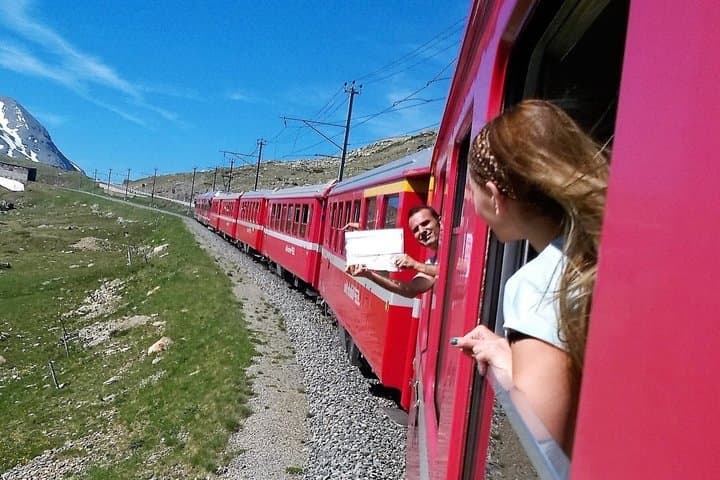
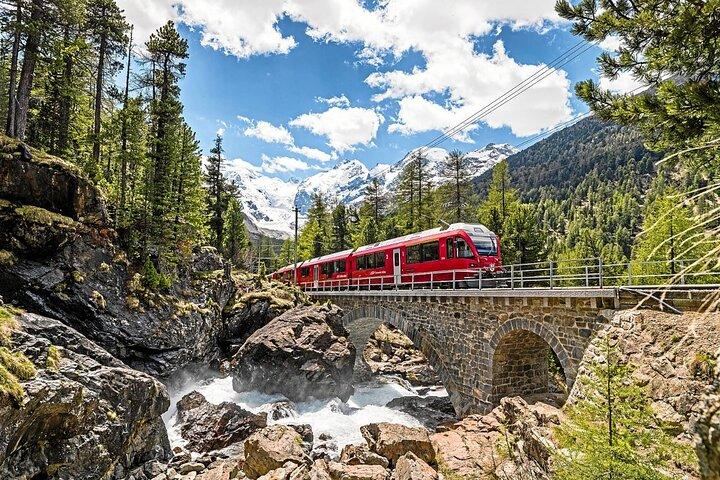
Il più votato: Bernina Red Train, Swiss Alps & St Moritz From Milan — 4.8 (3,805 recensioni)
Il più breve: Milan: Da Vinci Last Supper Skip-the-Line Guided Tour — 1 ora