Tour/Kyoto/Sashiko Studio Stitching nel quartiere artistico di Kyoto
Sashiko Studio Stitching nel quartiere artistico di Kyoto
5.0(6)Kyoto1h 30min
VIATOR5.0(5)TRIPADVISOR5.0(1)
+14 photos
In breve
Durata
1h 30min
Prezzo da
$65 / persona
Località
Kyoto, Giappone
Valutazione
5.0 / 5 · 6 recensioni
Lingue
EN
Gruppo
Piccolo gruppo, fino a 6
Cancellazione
Cancellazione gratuita
Conferma
Immediata
Biglietto
Biglietti mobili o cartacei accettati
Operatore
Pinpoint Traveler, Inc
Punto d’incontro
Ci incontriamo fuori dal Sashiko Studio - la stazione più vicina è Kiyomizu Gojo Station (Keihan)
Descrizione
Storia ed evoluzione di Sashiko
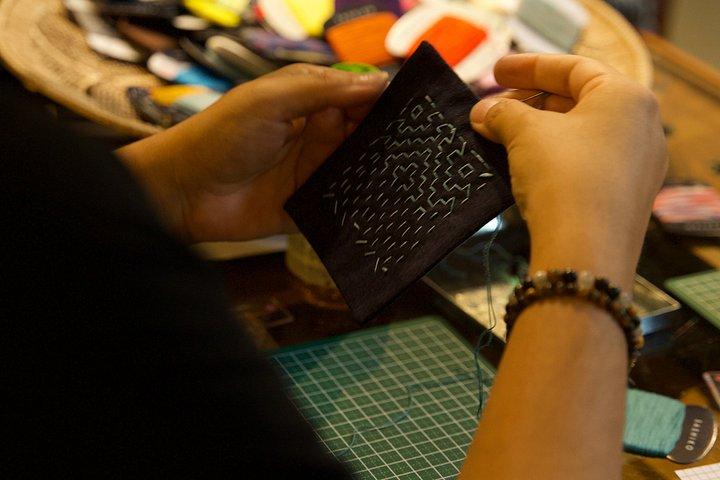
Sashiko, che significa "piccole pugnalate", risale al periodo Edo (1603-1868). È iniziato come un modo pratico per rinforzare e isolare gli indumenti, utilizzati da agricoltori e pescatori per riparare gli indumenti per inverni rigidi. Nel tempo, si è evoluta in una forma d'arte, con regioni che sviluppano modelli unici ricchi di significato culturale e simbolico.
L'esperienza del workshop
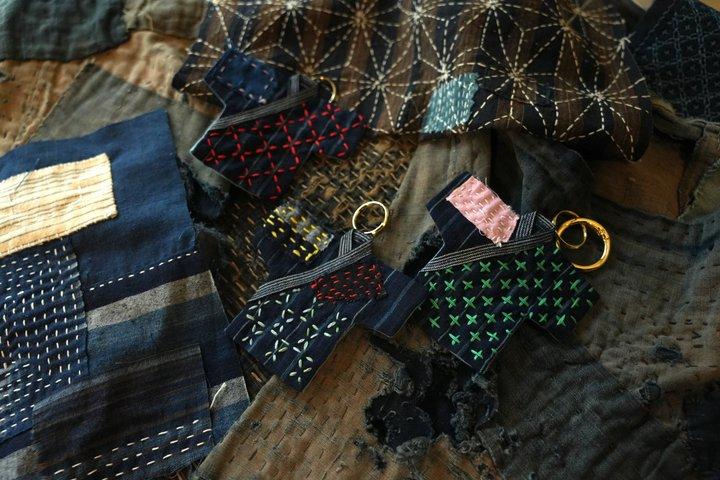
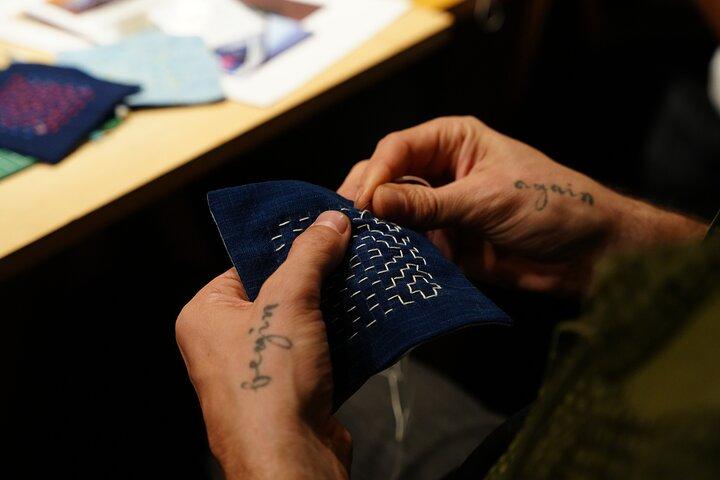
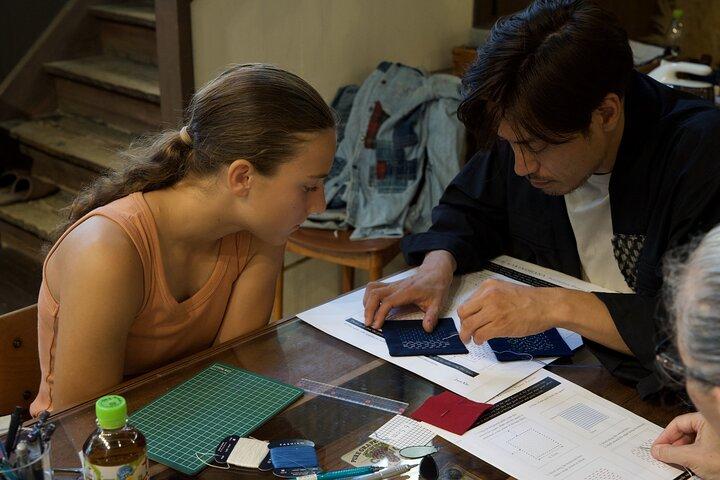
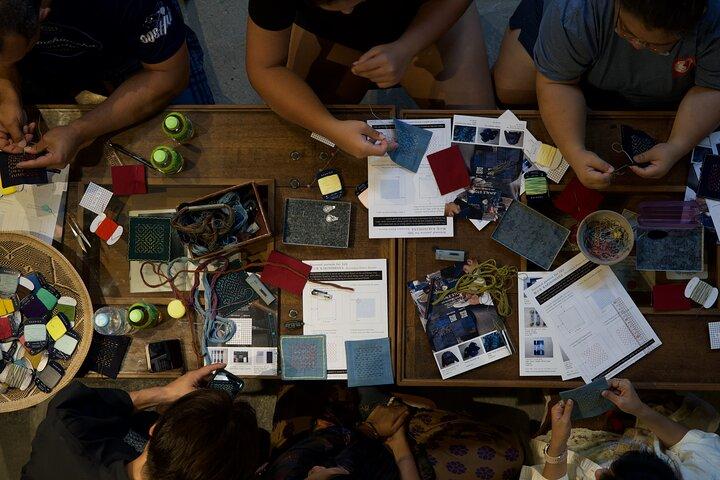
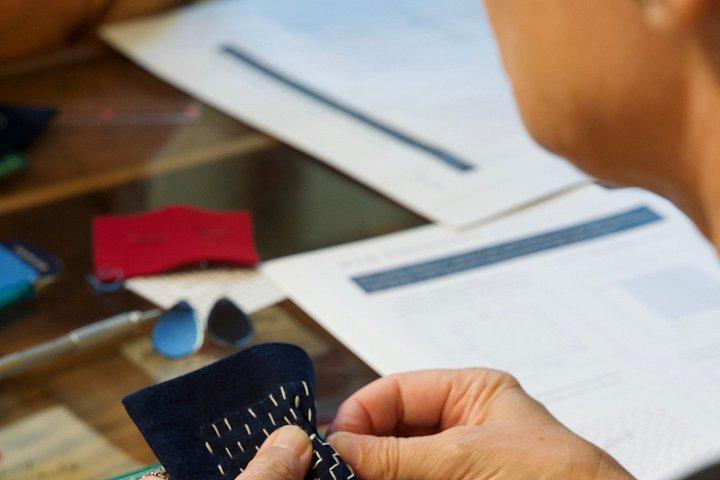
In questa sessione pratica, imparerai i punti base Sashiko mentre crei un portachiavi ispirato a un cappotto hapi tradizionale. Il workshop inizia con una breve storia, seguita da dimostrazioni e pratica guidata. Tenuto in un edificio storico di Kyoto in un quartiere di artisti attivi, cucirai circondato dalla creatività locale.
Take away
Partirai con un momento fatto a mano, abilità pratiche Sashiko e una comprensione più profonda della cultura Giapponese. Lo studio offre anche prodotti e kit Sashiko curati, con sconti sull'acquisto in contanti.
Opzioni del tour
Sashiko Studio Stitching nel quartiere artistico di Kyoto
Cosa è incluso
Incluso
Progetto Sashiko completato : porta a casa il tuo oggetto Sashiko artigianale
Tutti gli strumenti e i materiali necessari: tessuti, aghi, fili e altri strumenti specifici forniti
Istruttore esperto: Istruzione guidata da esperti artigiani Sashiko durante tutto il workshop
Non incluso
Trasporto alla sede
Assicurazione personale o di viaggio
Valutazioni dei viaggiatori
5.0
6 recensioni
5
6
4
0
3
0
2
0
1
0
Informazioni importanti
Accessibile in sedia a rotelle
I neonati e i bambini piccoli possono essere portati in carrozzina o passeggino
Sono disponibili trasporti pubblici nelle vicinanze
I neonati devono sedere in grembo a un adulto
I trasporti sono accessibili in sedia a rotelle
Tutte le aree e le superfici sono accessibili in sedia a rotelle
Adatto a tutti i livelli di forma fisica
Cancellazione
Per ottenere un rimborso completo, cancella la prenotazione almeno 24 ore prima della partenza programmata.
1+ giorni prima100% di rimborso
0–1 giorni prima0% di rimborso
Recensioni(6)
B
Becky_H
June 9, 2026
Sashiko for beginners
Nene is an excellent teacher! She is kind, patient, has good visual props and explanations to try basic sashiko. She welcomes mistakes for the complete beginner like I was!
Risposta dell'operatore
We are very happy to hear that you had such a wonderful time discovering the basics of Sashiko alongside Nene. It is fantastic to know that her welcoming approach and helpful props gave you the confidence to enjoy the craft as a complete beginner, and your kind words are a beautiful reward for her teaching. 😊
J
Julia_E
May 25, 2026
sashiko cultural experience
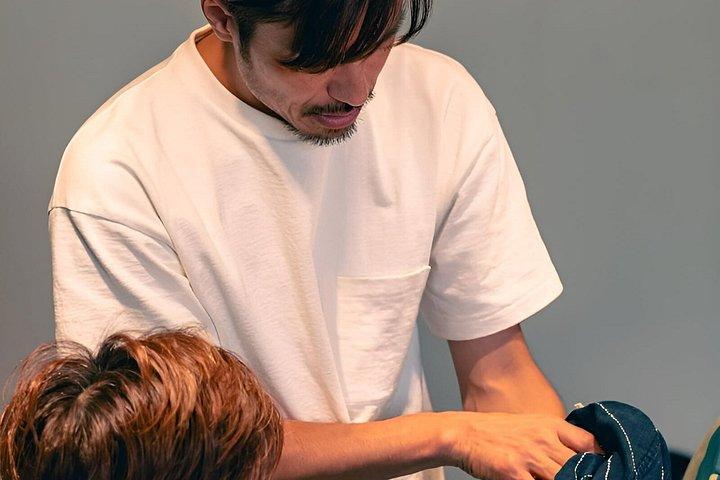
Excellent small group (6) experience with an artist who has a deep understanding, respect and passion for traditional Japanese fiber arts. Jun is a skilled contemporary artist incorporating ancient techniques into his contemporary creations. He is a patient and kind teacher. The project he chose gave all the basics of sashiko and was able to be completed in the class time.
Risposta dell'operatore
It is a pleasure to know that our small group setting provided the perfect space for you to connect with the rich traditions of Japanese fiber arts. Having a contemporary creator like Jun share his unique perspective, deep respect for ancient techniques, and patient guidance is something we consider incredibly special. We are glad that the curated project allowed you to comfortably master the basics and complete your piece within the class time.🙌
M
Marian_C
May 15, 2026
A wonderful time spent...
A wonderful time spent stitching with a very experienced sashiko teacher. I felt very welcomed and the class was unhurried, instructions clear and conversation flowed. Delightful time.
Risposta dell'operatore
It is wonderful to hear that your time stitching with us felt so welcoming and relaxed. Having an experienced instructor who can provide clear guidance while keeping the atmosphere unhurried and conversational is exactly the kind of environment we want for our guests, and knowing that you had a delightful experience means a lot to us.
C
Cheryl_Y
April 9, 2026
Complete Sashiko Immersion Experience
I learned so much about sashiko from Jun in a relaxed and informative small group setting tucked away on one of the side streets. There are hand dyed threads and sashiko supplies available for purchase. Highly recommend!
Risposta dell'operatore
Thank you for taking the time to share your experience. We’re glad to hear that learning sashiko with Jun in a small, relaxed setting felt both informative and enjoyable. Being in a tucked-away studio and having access to hand-dyed threads and materials is part of what we hope adds to the experience. 👏 We truly appreciate your recommendation.
E
Etta M
March 20, 2026
Where Thread Meets Tradition: My Sashiko Experience in Kyoto
Learning Sashiko stitch work from Jun was one of the highlights of visiting Kyoto. From the moment the workshop began, it was clear how deeply he values both the craft and its lineage.
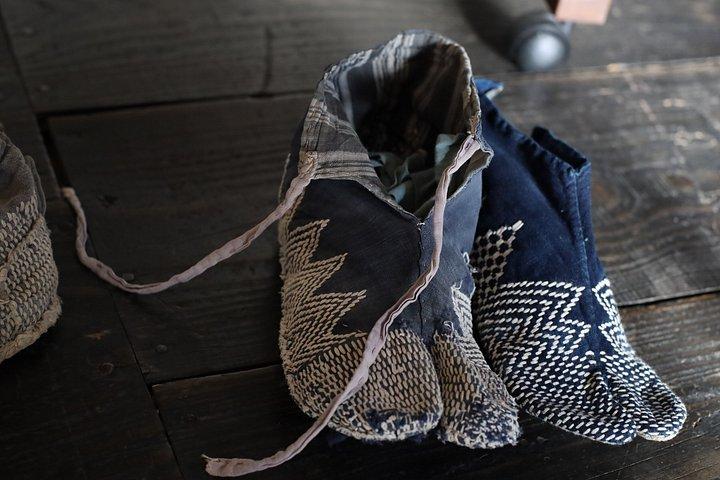
Jun brought a beautiful collection of antique boro and Sashiko-stitched textiles to inspire us—including his incredible hand-stitched sneakers. It was my first time seeing authentic boro pieces from generations past, and it made our time together feel so alive and meaningful. He even plant-dyed the threads included in our Sashiko kits, adding another layer of care and intention to the experience. He also had a mini shop set up with kits, plant-dyed threads, and tools, making it easy for those who want to continue practicing this craft after the workshop.
His instruction was thorough and thoughtful. He began by introducing us to the history of this ancient craft and explained multiple ways of preparing Sashiko thread for our projects—such as where to cut a full skein and how to store thread so it doesn’t get tangled. He demonstrated how to get started, taught us different knotting techniques, and guided us in choosing our stitch pattern templates. He also explained the differences between thick and thin threads, when to use each, and introduced tools like a special chalk pencil for marking patterns.
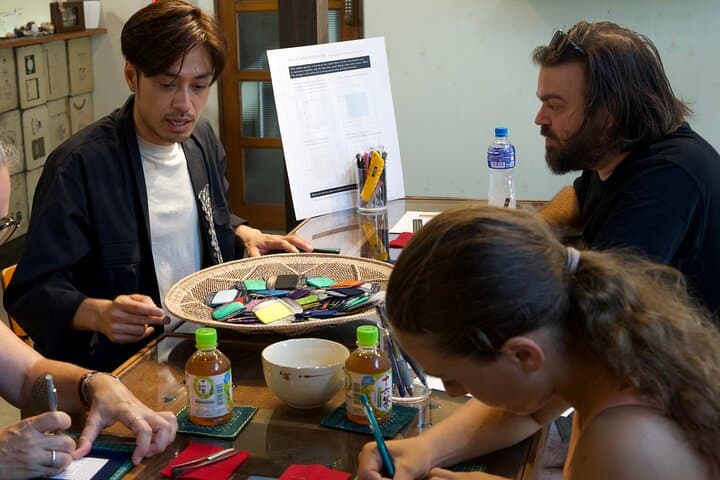
One of the most memorable parts of the workshop was the relaxed stitching time. We sat together as a group, sewing and sharing stories about life in a warm, welcoming atmosphere. His assistant served us green tea along with delicious snacks, including crackers and mochi.
I appreciated being able to ask questions about my own stitching—like how to baste properly and how to make both sides of the work, including the back, look beautiful.
I was especially excited to learn from a Japanese teacher in Japan, and I appreciated hearing how he became a Sashiko artist, as well as learning about his fashion design business in Osaka.
By the end of the workshop, we had all completed our Sashiko-stitched keychains, and I left with a happy smile and a renewed sense of creative excitement for future projects.
Thank you, Jun, for your generosity, inspiration, and for sharing the beauty of Sashiko with us.
1 persone hanno trovato utile questa recensione
Risposta dell'operatore
It’s great to hear the workshop with Jun became such a meaningful highlight of your time in Kyoto. We’re delighted that his deep respect for the craft, along with the antique textiles and plant-dyed materials, helped bring the tradition to life. It’s also wonderful to know the hands-on guidance and relaxed, shared stitching time created such a memorable atmosphere. Your thoughtful words about the experience and Jun’s teaching are truly appreciated.😊
E
ETTA_M
March 20, 2026
Discovering Traditional Sashiko with Jun in Kyoto
Learning Sashiko stitch work from Jun was one of the highlights of visiting Kyoto. From the moment the workshop began, it was clear how deeply he values both the craft and its lineage.
Jun brought a beautiful collection of antique boro and Sashiko-stitched textiles to inspire us—including his incredible hand-stitched sneakers. It was my first time seeing authentic boro pieces from generations past, and it made our time together feel so alive and meaningful. He even plant-dyed the threads included in our Sashiko kits, adding another layer of care and intention to the experience. He also had a mini shop set up with kits, plant-dyed threads, and tools, making it easy for those who want to continue practicing this craft after the workshop.
His instruction was thorough and thoughtful. He began by introducing us to the history of this ancient craft and explained multiple ways of preparing Sashiko thread for our projects—such as where to cut a full skein and how to store thread so it doesn’t get tangled. He demonstrated how to get started, taught us different knotting techniques, and guided us in choosing our stitch pattern templates. He also explained the differences between thick and thin threads, when to use each, and introduced tools like a special chalk pencil for marking patterns.
One of the most memorable parts of the workshop was the relaxed stitching time. We sat together as a group, sewing and sharing stories about life in a warm, welcoming atmosphere. His assistant served us green tea along with delicious snacks, including crackers and mochi.
I appreciated being able to ask questions about my own stitching—like how to baste properly and how to make both sides of the work, including the back, look beautiful.
I was especially excited to learn from a Japanese teacher in Japan, and I appreciated hearing how he became a Sashiko artist, as well as learning about his fashion design business in Osaka.
By the end of the workshop, we had all completed our Sashiko-stitched keychains, and I left with a happy smile and a renewed sense of creative excitement for future projects.
Thank you, Jun, for your generosity, inspiration, and for sharing the beauty of Sashiko with us. It was a gift to learn from you!
Risposta dell'operatore
Thank you for joining the workshop and for sharing such a thoughtful reflection. We’re truly delighted to hear the experience with Jun became such a meaningful part of your time in Kyoto. It’s wonderful that his dedication to the craft, the history, and the small details helped bring everything to life. We’re especially glad the relaxed atmosphere and time spent stitching together made the experience feel personal and memorable. Your kind words about Jun and the workshop are sincerely appreciated.✨
Confronta tour simili a Kyoto
Il più economico: Kyoto: Gion Hidden Gems & Geisha Culture Tour — $20
Il più votato: Award-Winning Authentic Ramen Making Experience in Kyoto — 5.0 (2,660 recensioni)
Il più breve: Sashiko Studio Stitching nel quartiere artistico di Kyoto — 1h 30min
Tour
Durata
Valutazione
Prezzo
Sashiko Studio Stitching nel quartiere artistico di Kyoto