Museo Etrusco de Roma de Villa Giulia


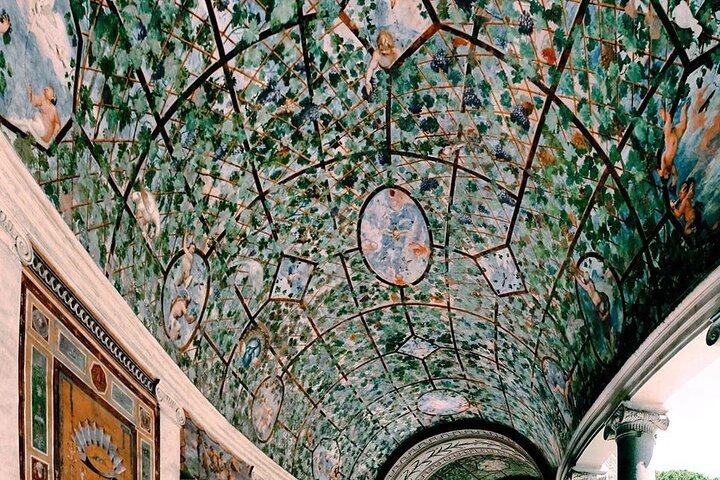
Descripción
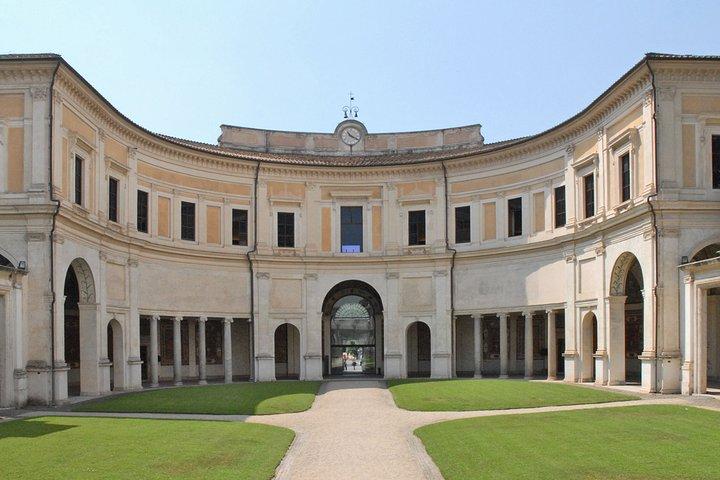
El Museo de Villa Giulia nació en 1889 por iniciativa de Felice Barnabei (1842-1922), arqueólogo y político italiano, basado en un programa coherente de exploraciones arqueológicas. Las nuevas perspectivas concretas generadas por la inminente ampliación del Museo de Villa Giulia se ilustran en los paneles a la derecha de la entrada y las ventanas modernas con ventanas que se abren en la Villa Poniatowski para acomodar una extensa revisión de los materiales recientemente adquiridos. Se trata principalmente de cerámicas finas de diferentes edades y producciones, a veces verdaderas obras maestras, robadas por ladrones de tumbas, que han sido devueltas de los principales museos y coleccionistas privados en los Estados Unidos como resultado de una compleja operación promovida por Italia. Junto a estos se incluyen otros objetos importantes de las incautaciones ordenadas por el poder judicial como resultado de una brillante operación realizada por el Comando de Policía para la Protección del Patrimonio Cultural.
Opciones de la excursión
Itinerario
Los visitantes admirarán el museo más importante de la civilización etrusca, que incluye no solo algunas de las creaciones más importantes de esta civilización, sino también productos griegos del más alto nivel.
Lo más destacado
Qué incluye
Valoraciones de viajeros
Información importante
- Accesible para silla de ruedas
- Los bebés y los niños pequeños pueden ir en un cochecito o en una silla de paseo
- Hay opciones de transporte público disponibles en las cercanías
- Los bebés deben sentarse en el regazo de un adulto
- Las opciones de transporte son accesibles para sillas de ruedas
- Adecuado para todos los niveles de aptitud física
Opiniones(20)
I loved it right from the frescoes at the entrance. The history of the Etruscans, all the information and the art it holds, and the cherry on top. Tuesdays and Thursdays allow witnessing the restorations in the laboratory. Unmissable everything and very few tourists for how overwhelming Rome was those days in June.
There are few indications on the meaning of the first visit is excellent. The centerpieces the sarcophagus was missing
We enjoyed learning about the history of the Etruscans. Very insightful and lots to see. Would definitely recommend the experience
don't waste your money! buy the tickets directly same day at the museum. we paid 3x what it would have cost to enter the museum and the audio did not work.
The museum is beautiful and deserves 5* but the staff is made up of bums. Assuming that from Google search the closing time is scheduled at 7.30 pm, the control staff at the rooms begins to turn off the lights at 6.30 pm. Visiting the museum and the entire garden outside takes about an hour and a half and, in our case, entered at 5.45 pm, we found ourselves inside the museum by 6.15 pm, pushed running in the dark, out of everything by 7 pm (half an hour before closing ). To visit only in the morning and highly recommended after 7.00.
Absolutely great museum, which is “luckily” missed by the masses. Great collection, nicely displayed, and in an awesome building. Nice and quiet, and learned more of the Etruscans to appreciate them more. And now I’m interested in more of their history, which is the main goal of a museum. All considered a under appreciated gem in Rome.
They did not except our tickets. They called it a scam. Very frustrating, especially since we were really looking forward to it.
good morning, access is possible only by showing official tickets provided by us. Any other documents (copy of payment, Viator receipt or other) do not allow entry to the monuments.
I like history that makes you feel connected to people and how they viewed life and lived it, and this venue does it with the Etruscans. It shows how vibrant and whole their presence and culture was before they got swallowed up by Rome, but also how big an influence they were on their eventual conquerors. Looking at their faces on their art cinched the connection.
Visit to a very educational museum, bem cared for in every aspect. They even have an Etruscan tomb, not to mention the precious jewels, vases and other precious artifacts.
This large Museum displays Etruscan antiques and is the largest in the world doing so. To some extent many of the artifacts shown appear derived from Greek models.