¡REAPERTURA el 8 de diciembre de 2020! Nuevo horario : miércoles a domingo 10 : 00h-18 : 00h
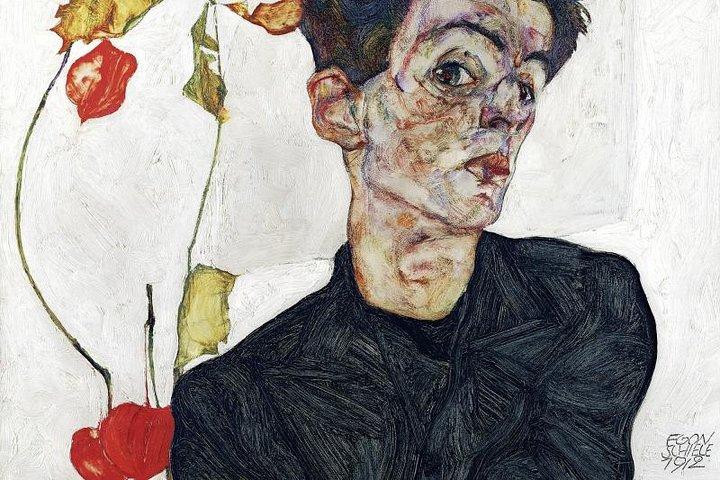
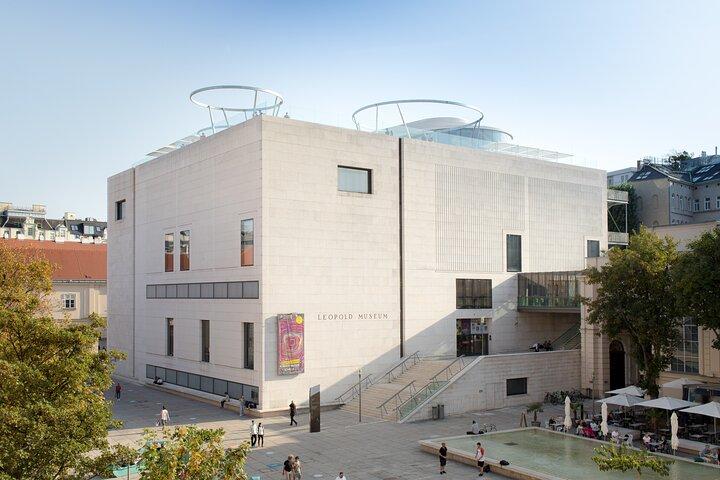
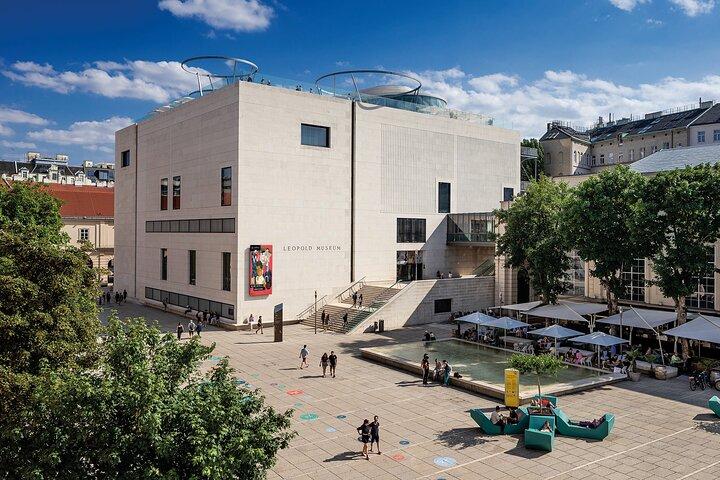
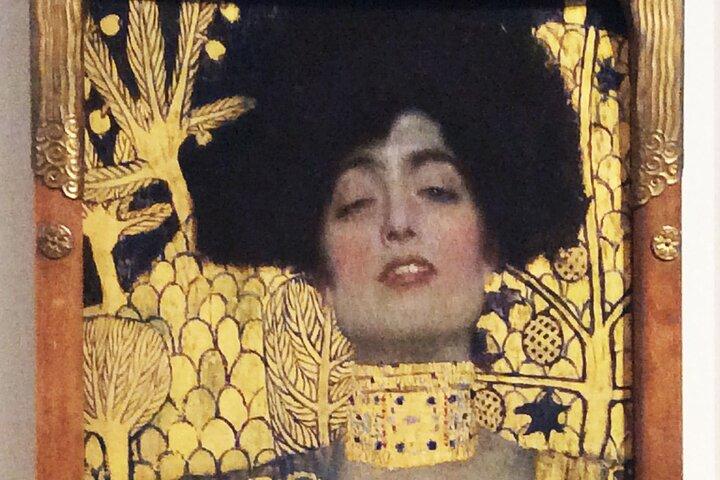
El Museo de Leopoldo es un tesoro único de la Jugendstil vienesa, la Wiener Werkstätte y el expresionismo. Es el museo más visitado del sitio cultural más popular de la ciudad, el MuseumsQuartier, y alberga la colección Egon Schiele más significativa y grande del mundo, así como obras maestras del fundador de Secession, Gustav Klimt.
Consejo : Las ventanas panorámicas del museo ofrecen una maravillosa vista del centro de Viena con la plaza María Teresa y el Palacio de Hofburg.
Traducido automáticamente del original por el Traductor de Google.
Horarios y precios
Días
lun, mié, jue, vie, sáb y dom
Próxima fecha disponible
lun, 19 oct
Adulto (26 a 64 años)
$22
Mayor (65 años o más)
$18
Joven (19 a 25 años)
$18
Niño (8 a 18 años)
$3
Bebé (0 a 7 años)
Gratis
Según el calendario actual del operador en Viator, consultado el 18 oct.
Opciones de la excursión
Entrada al Museo Leopold Viena
Itinerario
Leopold Museum
Entrada incluida
La Colección Leopold es una de las colecciones de arte austriaco moderno más importantes del mundo. Las más de 5,000 exhibiciones fueron recolectadas por Rudolf y su esposa Elisabeth Leopold durante un período de cinco décadas. En 1994, Rudolf Leopold consolidó la Colección con la ayuda de la República de Austria y el Banco Nacional de Austria en la Fundación Privada del Museo Leopold, una fundación privada sin fines de lucro.
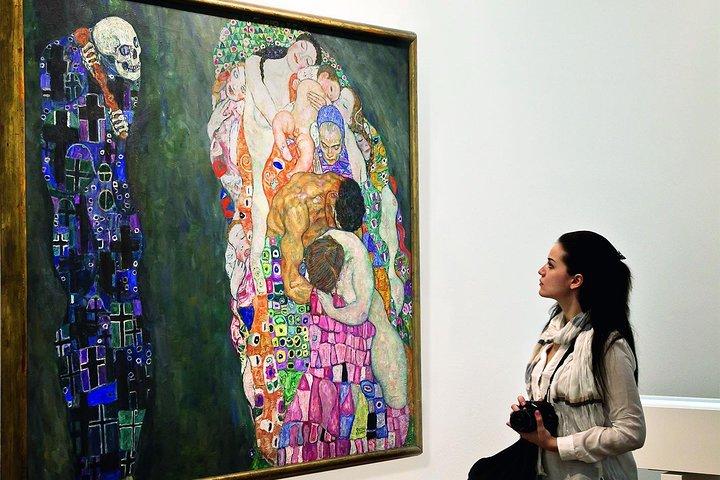
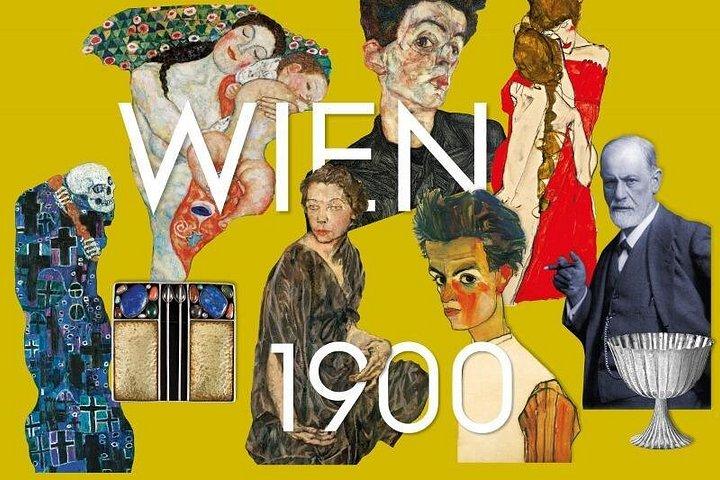
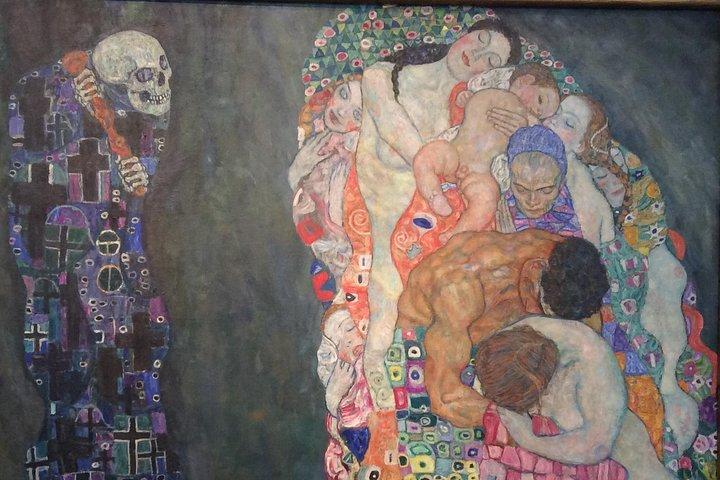
El Museo Leopold es un museo único y activo lleno de luz en el corazón de Viena y el mayor imán cultural en el MuseumsQuartier. Además de emocionantes exposiciones especiales, no solo alberga la colección más importante e importante de Egon Schiele en todo el mundo, sino también obras maestras de Gustav Klimt más allá del precio, como su pintura figurativa probablemente más importante "Muerte y vida". En ningún otro museo de Viena, uno puede acercarse tanto al legendario "Fin de siècle Vienna" y presenciar el nacimiento de la modernidad. La colección muestra cómo el arte del imperio de los Habsburgo cambió del estricto historicismo y el encantador impresionismo del humor en pocos años al único "Wiener Moderne" mundial que abarca a Klimt y Schiele, así como a Oskar Kokoschka, Richard Gerstl, Koloman Moser y muchos otros artistas. quienes están bien representados con obras importantes en el Museo Leopold.
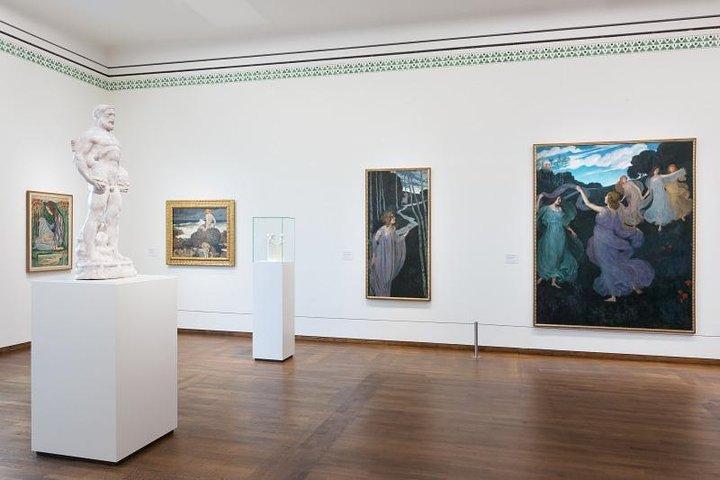
Otro enfoque del museo está en el período de entreguerras austriaco, que atrajo a muchos artistas importantes como Albin Egger-Lienz, Anton Kolig y Herbert Boeckl y apunta en parte hacia la segunda mitad del siglo XX. Esta es la razón por la cual se presentan repetidamente artistas austriacos de la generación de posguerra u obras excepcionales del siglo XIX de Ferdinand Georg Waldmüller, Friedrich Gauermann, August von Pettenkofen, Anton Romako, Emil Jakob Schindler, Carl Schuch y otros.
Objetos cotidianos sustanciales y sorprendentemente modernos del Fin de Siècle completan la colección, por lo que deben citar especialmente a Otto Wagner, Adolf Loos, Dagobert Peche y los fundadores de Wiener Werkstätte Josef Hoffmann y Koloman Moser.
Y dado que todos los grandes artistas de Wiener Moderne se reunieron regularmente en los cafés de época para intercambios inspiradores, no hace falta decir que también en el Museo Leopold un café debe tener su lugar. En el "Café Leopold" puede relajarse y revisar su visita a la colección Leopold que Rudolf Leopold y su esposa Elisabeth reunieron en el transcurso de cinco décadas y ahora comprende más de 5,000 objetos de arte.
Qué incluye
Incluido
Boleto
No incluido
Comida y bebida
Guía
Audioguía
Valoraciones de viajeros
Opiniones recopiladas por Viator y Tripadvisor
4.6
553 opiniones
5
432
4
79
3
19
2
7
1
16
Comparado con otros tours en Vienna
N.º 31 por número de reseñas entre 1211 tours en Vienna
Precio desde $22: un 71 % menos que el precio habitual de $74 para tours de duración similar en Vienna
Precio sin cambios en los últimos 16 días
Comparación de Excurgo entre 1211 tours de Viator, recalculada a diario.
Información importante
Accesible para silla de ruedas
Los bebés y los niños pequeños pueden ir en un cochecito o en una silla de paseo
No se recomienda para viajeros con mala salud cardiovascular
Adecuado para todos los niveles de aptitud física
Los niños deben ir acompañados de un adulto.
Entrada de precio reducido para niños solo con el carnet de identidad pertinente
Presente su bono de Viator en la ventanilla para cambiarlo por la entrada. No se olvide de imprimir su bono.
Audioguía disponible en alemán, inglés, francés, italiano, con coste adicional: 4 EUR
Cancelación
Para obtener un reembolso completo, cancele como mínimo 24 horas antes de la hora de salida programada.
1+ días antes100% de reembolso
0–1 días antes0% de reembolso
Opiniones(553)
Opiniones recopiladas por Viator y Tripadvisor
O
Ortlinde
October 13, 2026 · vía Tripadvisor
Great modern Austrian art.
Lovely museum. This is a wonderful collection of Austrian art around the tour of the last century up through the second world war. The museum was well laid out and the information available to understand. The art was very good. Also, they have a quite lovely café with excellent food which made for a lovely lunch experience as well.
A
angiem498
October 10, 2026 · vía Tripadvisor
Interesting
I am not an art aficionado- so my opinion isn't worth much. That being said, we enjoyed looking at the paintings and trying to broaden our horizons a bit. Interesting even for somebody who doesn't appreciate art all that much.
A
AndrewHorsler11
October 9, 2026 · vía Tripadvisor
A wonderful experience
A wonderful museum not only because of its fantastic collection of paintings, furniture and other items, but also the way in which the art is put into the political, cultural and societal context of late nineteenth and early twentieth century life in Vienna.
3
369luk_r
October 3, 2026 · vía Tripadvisor
Greatly reccomended
Absolutely stunning collection, I spent close to three hours in there, before I had to go. I'd reccomend it to anyone interested in austrian seccesion. The price is alright, there wasn't too much people, overall it was great experience and beautiful space
6
648juanl648
October 3, 2026 · vía Tripadvisor
Essencial to understand contemporary Austrian culture.
Excelent collection on Austrian painters and designers of siecles of XX and XXI centuries.
Very good help from its employeees.
P
paulinehearne
September 25, 2026 · vía Tripadvisor
Excellent delivered everything!
Eclectic and varied collection that was enough to keep you enthralled and entertained. Friendly and helpful staff .
A good choice for2-3 hours
K
kmv2025
September 18, 2026 · vía Tripadvisor
Art makes happy
Fantastic exhibition with Klimt and Schiele
D
Donna_Z
September 14, 2026 · vía Viator
Fabulous museum!
Fabulous museum for fans of the Vienna 1900 period and its artists. Superb collection of paintings and decorative arts.
S
sim0pa
September 13, 2026 · vía Tripadvisor
Wonderful experience
Stunning, very well organized, highly recommended
Q
Q6779KKemmab
September 13, 2026 · vía Tripadvisor
Leopard Museum
Love Klimt and seeing his early works was great. Discovering new or forgotten artists added to the trip. Lots of places to sit and look at the paintings and loads of information on the artists and their works.
Not expensive to get in and worth it. The museum quarter itself is relaxing and a mix of modern and old architecture.
Compara tours similares en Vienna
El más barato: Entradas para el KunstHausWien. Museo Hundertwasser — $5
El mejor valorado: Schlumberger Sparkling Wine Cellar World Entrance Ticket en Viena — 4.7 (164 opiniones)
El más corto: Schlumberger Sparkling Wine Cellar World Entrance Ticket en Viena — 50 min–1h 30min