Tour to Maras Moray and Salineras 1/2 Day


Description
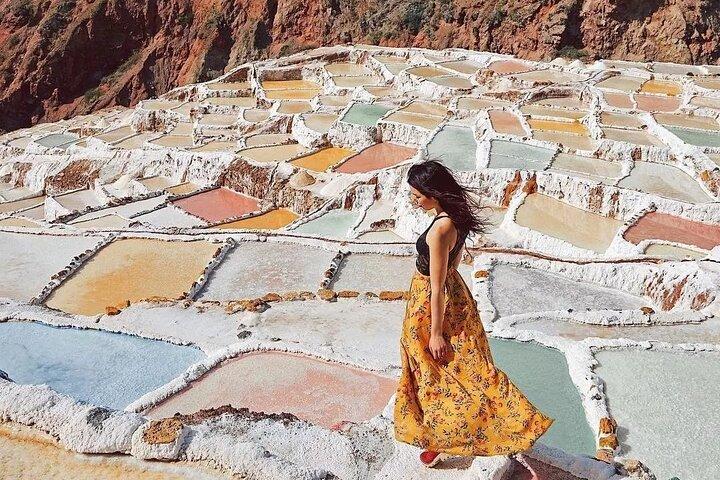
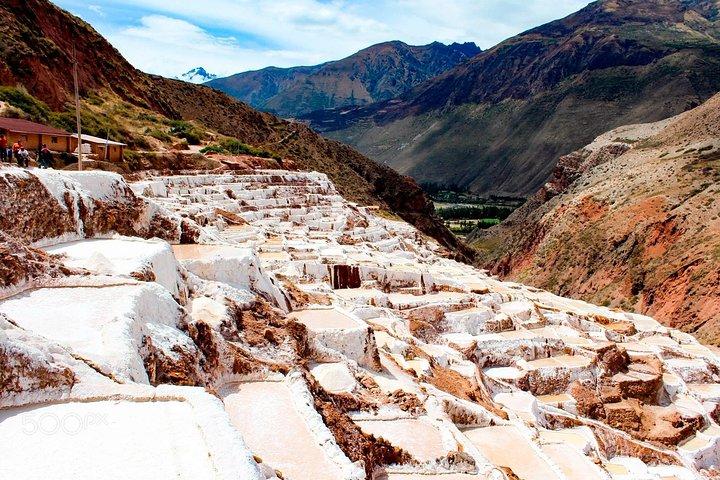
Between 8:45 a.m. and 9:00 a.m. we will pick you up from your respective hotels to drive you to the town of Maras, a picturesque community with beautiful landscapes; Moray; agricultural research center and Salineras, where we find a source of salt water from which salt is obtained by the evaporation process.
Tour Options
Itinerary
The town of Maras will be our first point of visit; which was of great importance during the Viceroyalty, declared Villa de San Francisco de Asís (it was the main salt supplier of the southern highlands), as evidenced by the church and the houses that still preserve the shields of indigenous nobility on their facades.
The Salineras de Maras, our second point of visit, belongs to the town of Maras, which was of great importance during the Viceroyalty, it was the main salt supplier of the southern highlands, as evidenced by the church and the mansions that still retain the shields of nobility Indigenous on its facades. The salt mines of Maras surprise the visitor by the more than three thousand wells that it presents and that at present continue to be worked by more than 360 families, who have inherited this custom and extractive craft work; The commercialization of salt is in charge of the association Maras Sal, in charge of ensuring community interests since the end of the 80s.
Our excursion will continue visiting the circular terraces of Moray, which are a sample of how the Andean man challenged nature and took advantage of his geographical environment to use it to his advantage, these circular platforms served as an agricultural laboratory that allowed obtaining a wide variety of species Potato, corn, among other products.
This town is located 28 km from Cusco on the paved road to Urubamba. Where the remains of what used to be the royal hacienda of Túpac Inca Yupanqui are located ”, it is like a beautiful colonial temple built on Inca foundations, its greatest attraction. However, it is its artisan market, originally dedicated to the exchange of agricultural products between the villagers of the valley and those of the upper parts. Currently, the market is a true spectacle of color and movement that causes the tourist's fascination with its offer of handicrafts and textile garments made in the purest pre-Columbian style. End of services.
Highlights
What's included
Traveller Ratings
Important Information
- Not recommended for travelers with poor cardiovascular health
- Suitable for all physical fitness levels
Reviews(34)
My wife and I toured the Salinas de Maras on a day trip during our visit to Peru this past July. It is fascinating how the salt pools have been developed for hundreds of years. Our guide told us that families in the local town own individual pools and have made enough money to send their children to college. We bought a couple of kilos of salt to take home for gifts.
Interesting. Be sure to stop for photos on the ridge above. Not Much time needed actually. Interesting from a cultural perspective. Worth visiting but not wow, wow.
Really interesting and beautiful stop while in Cusco or like I did from Sacred Valley. It’s a must see and highly recommend visiting during the dry season. The tour guide explained that when it’s the rainy season you can’t appreciate the beauty of this place. We had a driver take us and in cost us 20 soles per person to enter the salt mines. Once you take your pictures and enjoy the views don’t forget to stop at the local vendors on the way out and try the chocolate samples they offer I bought the salted chocolate and the maracuya chocolate bars they where delicious!
One of the most interesting places to meet. Amazing. Arriving through the precipice is scary, even more when the van has to give re to give way to other cars.
The salt pans are impressive both visually and from a cultural and historical perspective; to think that the production of mountain spring salt is more than 3000 years old since the ancient inhabitants, before the Incas, did it very similar to how they are done today is something that few can imagine. Ideally, a local guide can compare you on the visit so you can get to know all the technical and historical details of the production and culture.
Surprising, these salt terraces fed by water from the melting ice of the mountains. This gives a "snowy" rendering and a titanic job to collect the kilos of salt, add to that a history of property and ancestral heritage. We were delighted to discover this site a little off the beaten track. How beautiful nature is!
An incredible landscape. A cooperative that has a legacy. You can buy chocolate with fleur de sel or small sachets of salt. Nature proves once again that it is well made.
Bonjour, Merci beaucoup pour votre commentaire ! Nous sommes ravis que vous ayez apprécié le paysage et le travail de la coopérative. C’est merveilleux de savoir que vous avez découvert des produits locaux comme le chocolat à la fleur de sel. La nature a effectivement tant à offrir. Nous espérons vous revoir bientôt pour d'autres expériences ! Cordialement, Rolando A. Willka Travel
The place is really spectacular. From the road between mountains, to the place. Highly recommended
Just interesting, but the price charged for entry (20 soles in June 2024) is high for visitors. Structure ok, visit that lasts about 30/40 minutes. Several vans at the same time and a mess of people to take pictures. Guides are more concerned about photo than the place itself.
These salt pans are truly unique: salt water that flows from the mountains. The view is truly scenic. The small sample of free salt with the entrance ticket was also very welcome. Absolutely unmissable on a tour of the Sacred Valley.