Sapa Tours, Tickets & Things to Do
Discover the best Sapa tours, the misty mountain town of northern Vietnam wrapped in emerald rice terraces: trek through the Muong Hoa valley past Hmong and Dao villages, ride the cable car up Fansipan — the “Roof of Indochina” — visit Cat Cat village and tumbling waterfalls, stay overnight in a hill-tribe homestay, and explore on easy tours from Hanoi. Compare top-rated activities and plan your perfect Vietnam trip.














Explore Sapa by interest
Whatever brings you to Sapa — world-class museums, the river, or a long lunch — start with the experiences travellers love most.
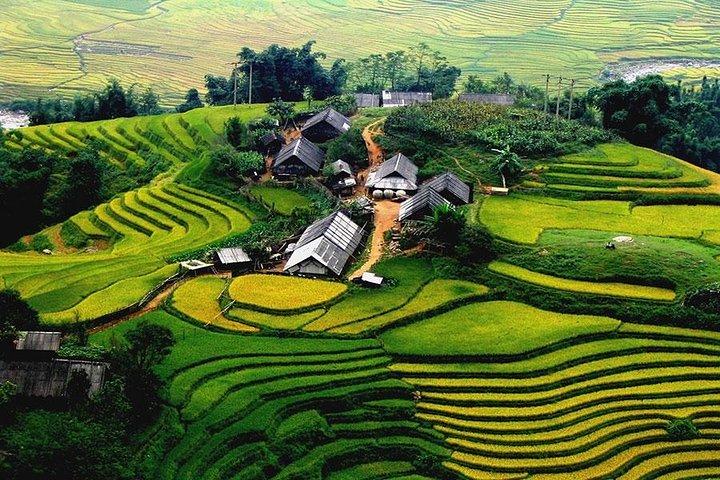
Trekking
Rice-terrace hikes.
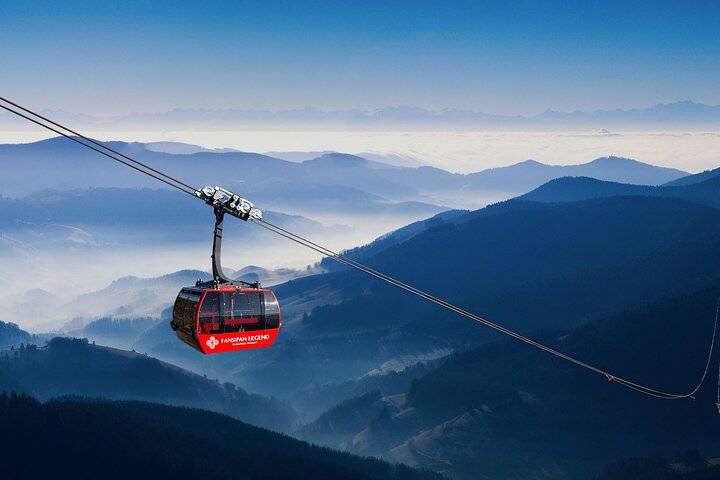
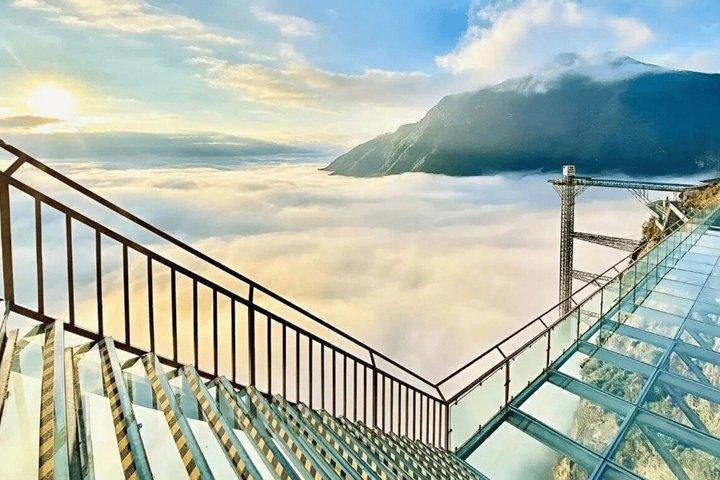
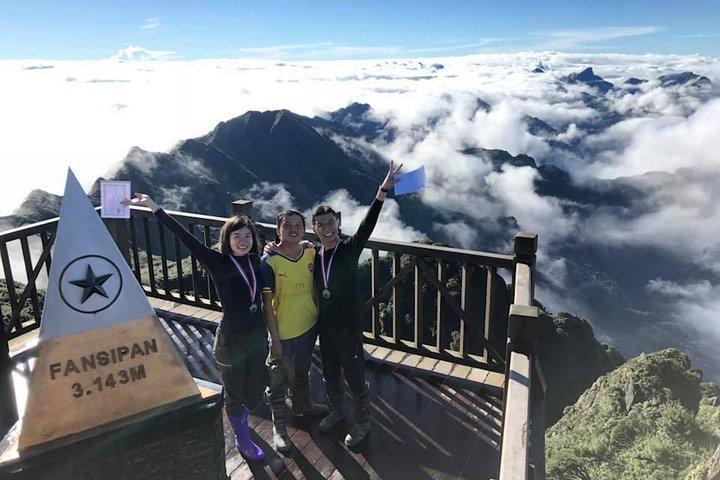
ExploreFansipan
Roof of Indochina.
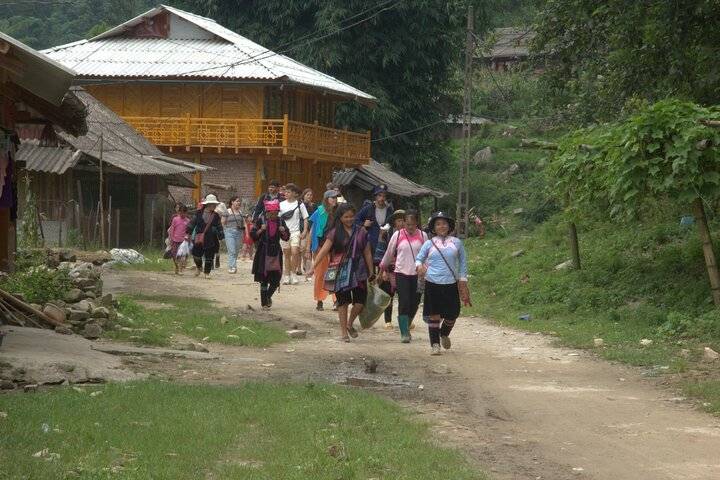
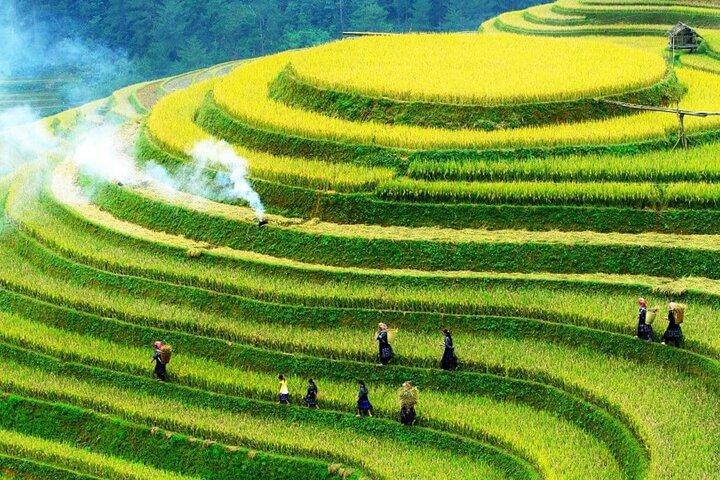
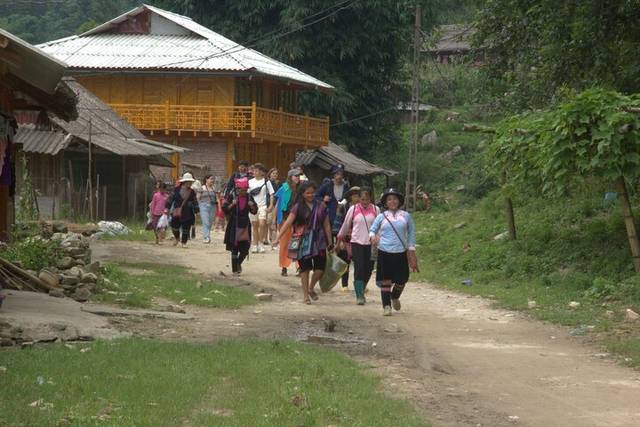
ExploreEthnic villages
Hmong and Dao culture.
ExploreWaterfalls
Silver and Love falls.
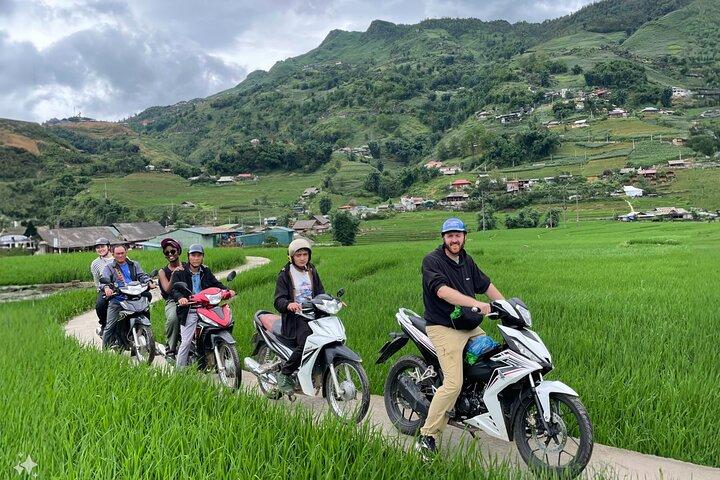
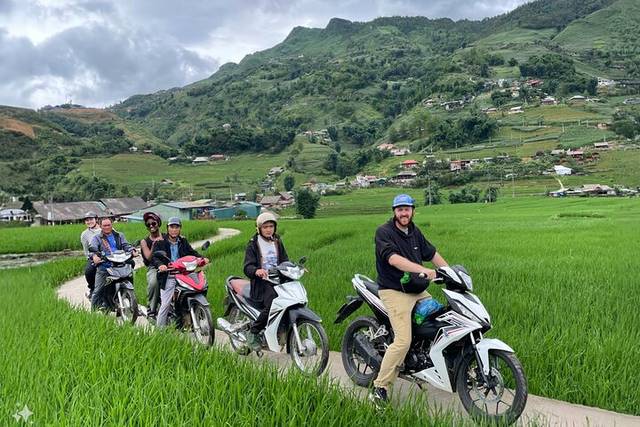
ExploreMotorbike & jeep
Off the beaten path.
ExploreFrom Hanoi
Easy multi-day tours.
ExploreCat Cat village
Hmong village & falls.
ExploreBac Ha market
Colourful Sunday market.
ExploreTop attractions in Sapa
The landmarks that define the city — and the tickets and tours that get you in, often skipping the line.
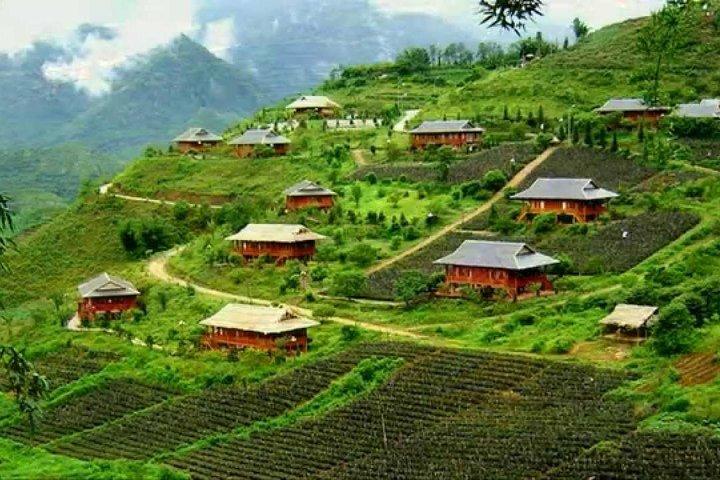
Rice Terraces
Muong Hoa valley.

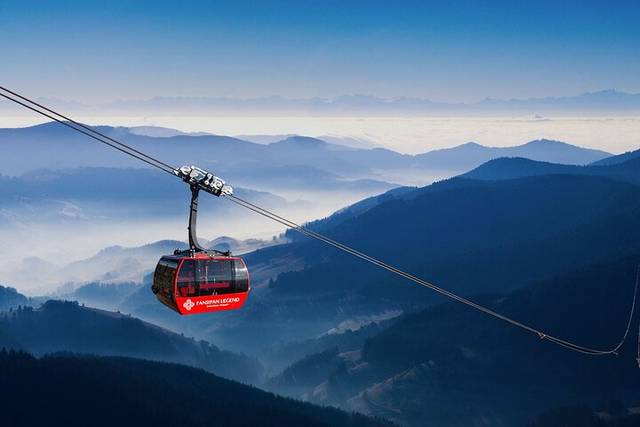
Fansipan
Roof of Indochina.
Cat Cat Village
Hmong village.
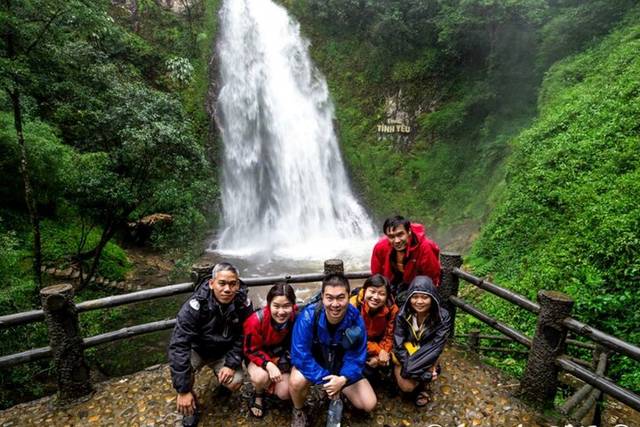
Silver Waterfall
Thac Bac falls.
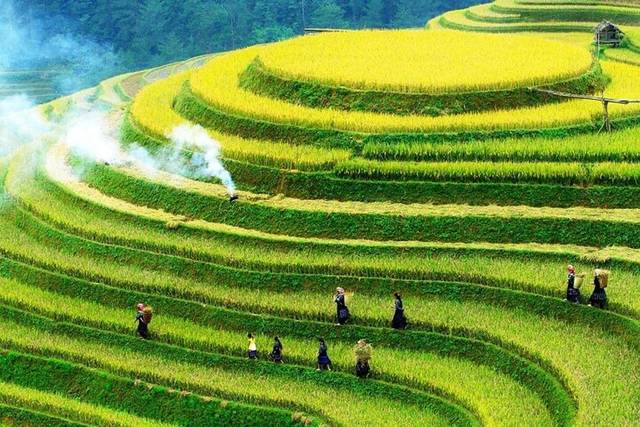
Muong Hoa Valley
Terraced valley.
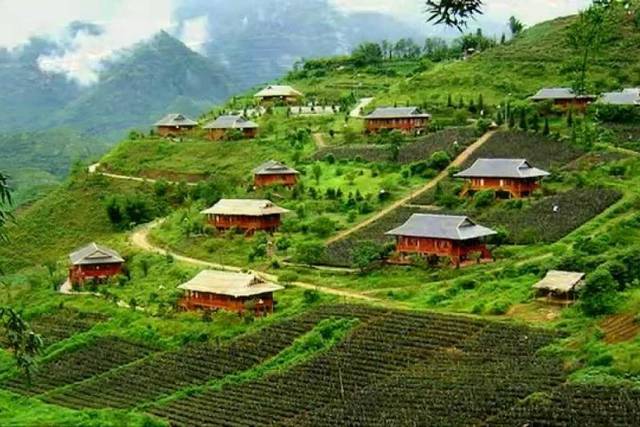
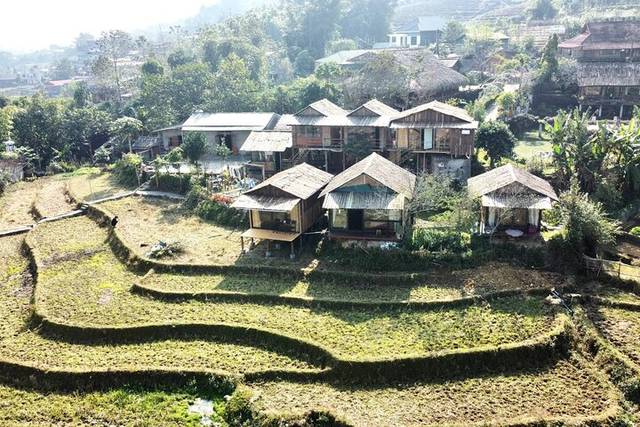
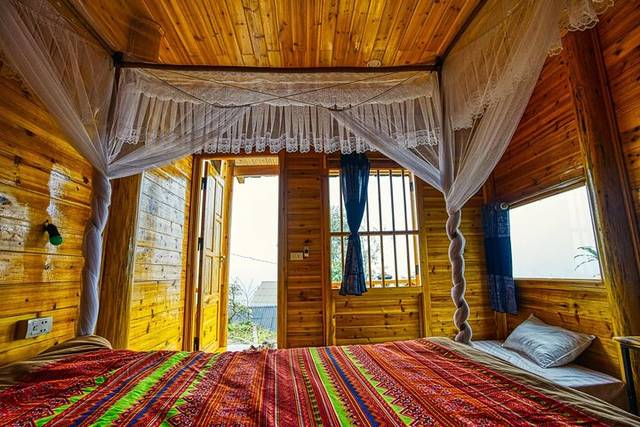
Hill-Tribe Homestay
Village life.
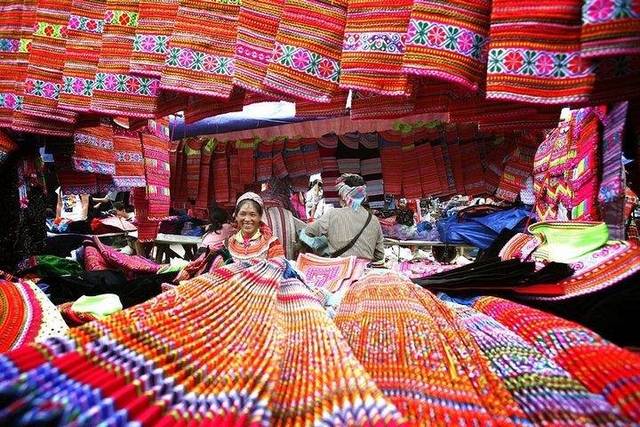
Bac Ha Market
Flower Hmong market.
O Quy Ho Pass
Skywalk & views.
Sapa in 2 days
- 1Day 1: valley trek
- 2Village homestay
- 3Day 2: Fansipan
- 4Waterfalls & pass
Sapa in 3 days
- 1Day 1: valley trek
- 2Day 2: Fansipan & falls
- 3Day 3: Bac Ha market
- 4Terraces, peak & market
Sapa with kids
- 1Fansipan cable car
- 2Cat Cat village
- 3Easy valley walk
- 4Waterfalls
 2.5 hrs away
Bac Ha Market
Flower Hmong market.
 12 km away
Silver Waterfall
Thac Bac falls.
 Valley away
Muong Hoa Valley
Terrace trek.
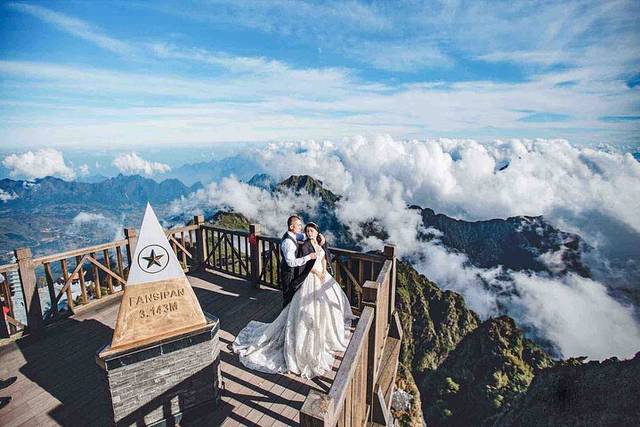 Cable car away
Fansipan Summit
Roof of Indochina.
2 km awayCat Cat Village
Hmong village.
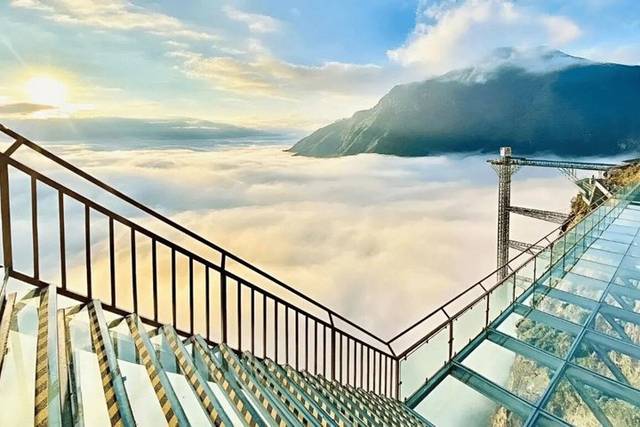 15 km away
O Quy Ho Pass
Skywalk & views.
Know before you go
Short, straight answers to the questions every Sapa visitor asks before booking.
The sweet-spot months
September to November and March to May bring the clearest skies and mildest weather — the best times for trekking and views.
Golden terraces (Sep–Oct)
The rice terraces turn gold before harvest in September and October, the most photogenic time to visit Sapa.
Green terraces (May–Jun)
When the paddies are flooded and planted in May–June, the terraces shimmer green and mirror-like, another beautiful season.
Rainy season (Jun–Aug)
Summer brings heavy rain and slippery, muddy trails, though the landscape is lush; pack waterproofs and good shoes.
Winter (Dec–Feb)
Cold, misty and occasionally with frost or rare snow on Fansipan; atmospheric but chilly, so dress very warmly.
Bac Ha market
The famous Bac Ha hill-tribe market runs every Sunday year-round — plan a Sunday to catch it.
One day
Fansipan and a village or short trek.
Two days
Add a valley trek and a homestay.
Three days
The sweet spot: terraces, Fansipan and a market.
From Hanoi
Allow 2–3 days for the long transfer and trekking.
Mountain base
Sapa town is the base for treks and tours.
Travelling with kids
Use the cable car and easy village walks.
From Hanoi
Sapa is 5–6 hours from Hanoi by limousine van or sleeper bus, or by overnight train to Lao Cai then a 1-hour road transfer.
Trekking
Many villages and terraces are reached on foot with a local guide, the classic way to explore Sapa’s valleys.
Fansipan cable car
The Sun World cable car and a funicular carry visitors up Fansipan without trekking.
Motorbike & jeep
Guided motorbike and jeep tours reach passes, waterfalls and remote villages off the trekking routes.
Tours & transfers
Most visitors join tours that include transport from Hanoi, guides, treks and the cable car.
Sapa town
Sapa town itself is compact and walkable, with the market, church and viewpoints close together.
Wear good shoes
Trails are steep and often muddy — sturdy, grippy walking shoes or boots are essential for trekking.
Pack layers
Mountain weather changes fast and can be cold and misty even in summer — bring warm layers and a waterproof.
Vietnamese dong
Vietnam uses the dong; carry cash for villages, markets and small vendors, as cards are rarely accepted outside town.
Respect local culture
Ask before photographing hill-tribe people, and support communities by buying handicrafts or hiring local guides.
Time Bac Ha for Sunday
The famous Bac Ha market only runs on Sundays — plan your dates to include it.
Pre-book transfers
Limousine vans and tours from Hanoi sell out in peak season — book ahead.
Trekking tours
Guided valley treks and homestays are popular — book ahead.
Fansipan cable car
Cable-car and combo tickets are in demand — reserve early.
Tours from Hanoi
Multi-day packages and limousine transfers fill up — pre-book.
Village homestays
Authentic homestays have limited spots — book ahead.
Bac Ha market trips
Sunday Bac Ha tours are popular — reserve early.
Harvest & spring peaks
September–November and March–May are busy — plan ahead.
Trekking tours
Around €20–50 for a guided day trek in the valley.
Fansipan cable car
About €25–45 for the cable car, more with combos.
Trek & homestay
Roughly €40–90 for a 2-day trek with village homestay.
Tour from Hanoi
Around €90–200 for a 2–3 day Sapa tour from Hanoi.
Bac Ha market
About €25–55 for a Bac Ha market day tour.
How to save
Join group treks, take the bus over the train, and travel midweek.
Sapa through the seasons
What's best, how busy it gets, and one booking tip for each time of year.
- Best for
- Golden terraces, clear views.
- Crowds
- Booking tip
- Best; book ahead.
- Best for
- Green terraces, mild.
- Crowds
- Booking tip
- Lovely; popular.
- Best for
- Lush, fewer crowds.
- Crowds
- Booking tip
- Rainy; muddy trails.
- Best for
- Misty, atmospheric.
- Crowds
- Booking tip
- Cold; dress warm.