Mumbai Heritage & Elephanta Caves: A Colonial Architecture Itinerary
Mumbai wears its history in stone — Victorian Gothic public buildings, seafront Art Deco and the ancient rock-cut temples of Elephanta Island. This heritage itinerary pairs a colonial-architecture walk through Fort and Colaba with a ferry to the UNESCO-listed caves, plus the best-rated guided tours and tickets to book for each.
At a glance
- 1Fort & Colaba colonial walk
- 2Gothic & Art Deco UNESCO ensemble
- 3Ferry to the Elephanta Caves
- 4Gateway of India at dusk
Colonial Mumbai on foot
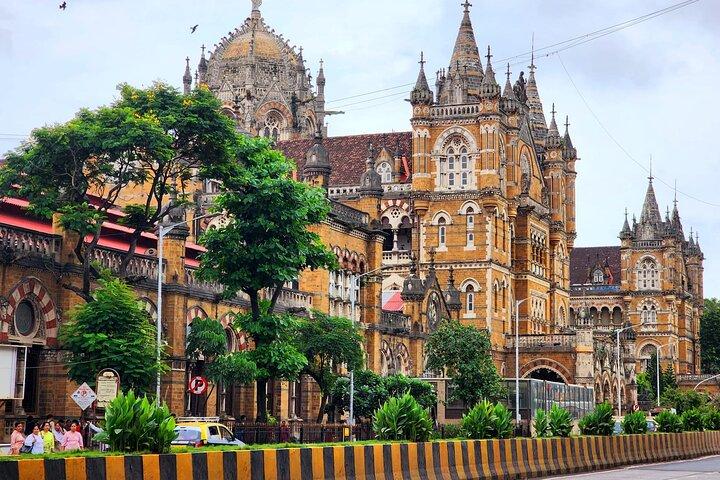
Begin in the Fort district and Colaba, where Victorian Gothic facades, arcaded streets and the university clock tower recall the city's 19th-century boom. A guided heritage walk links the landmarks around Kala Ghoda and the harbour, explaining how Bombay grew into a trading capital of the British empire. Most walks run two to three hours at an easy pace, ending close to the Gateway of India.
A UNESCO ensemble of Gothic and Art Deco
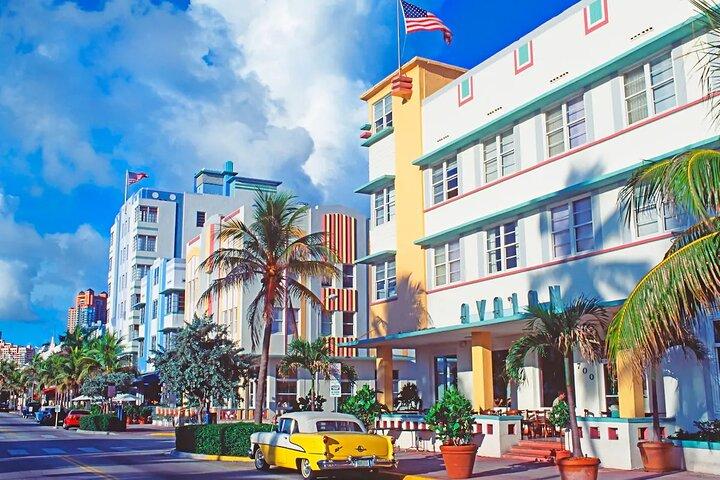
Mumbai's Victorian Gothic and Art Deco Ensembles form a UNESCO World Heritage Site — a rare stretch where 19th-century Gothic Revival faces 1930s Art Deco across the Oval Maidan. A specialist walk decodes the two styles, from ornate stone spires and gargoyles to streamlined cinema frontages and seaside apartment blocks along Marine Drive. It is one of the best ways to read the city's layered architectural story.
Ferry to the Elephanta Caves
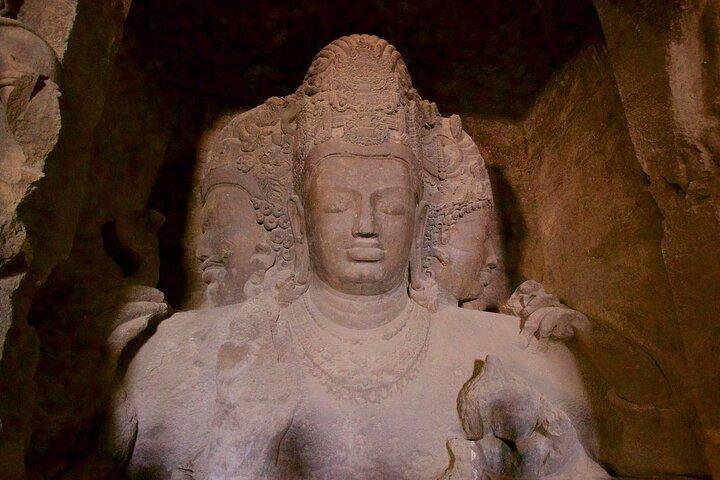
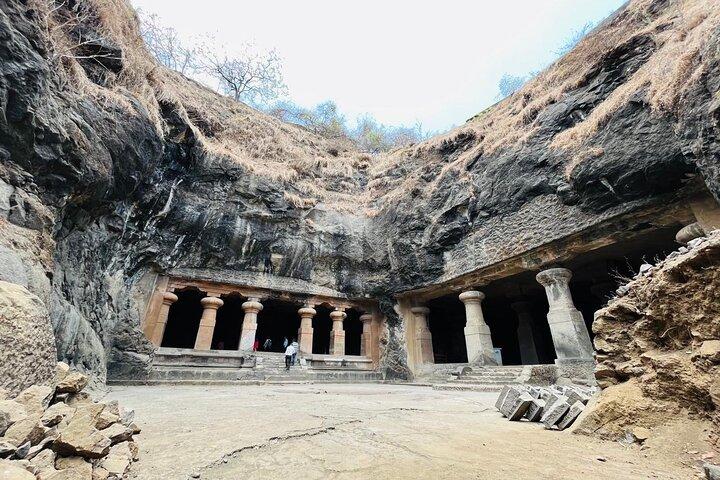
Cap the day with a harbour ferry to Elephanta Island, where rock-cut cave temples carved between the 5th and 8th centuries hold the majestic three-headed Shiva sculpture, another UNESCO site. The crossing takes about an hour each way; guided tours handle the ferry, the climb up to the caves and the history, so you can simply enjoy the sculptures, the temple halls and the sea views.
Book the experiences in this itinerary
Top-rated tours for exactly what this plan recommends in Mumbai — prices per person.