National Palace Museum Northern Branch Taiwan Entré



Beskrivning
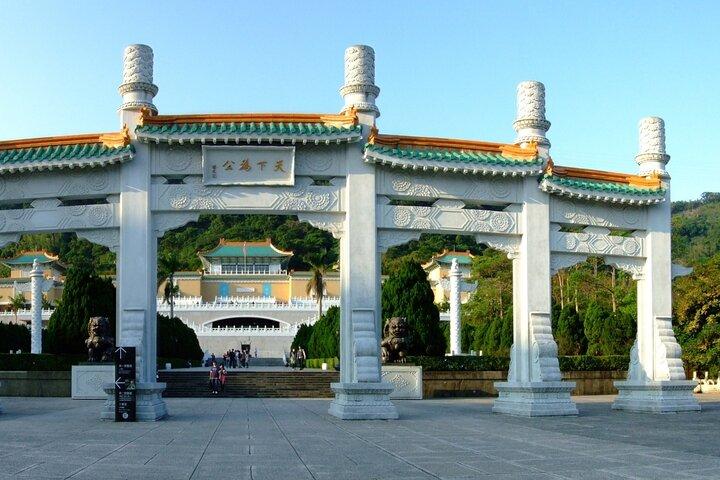
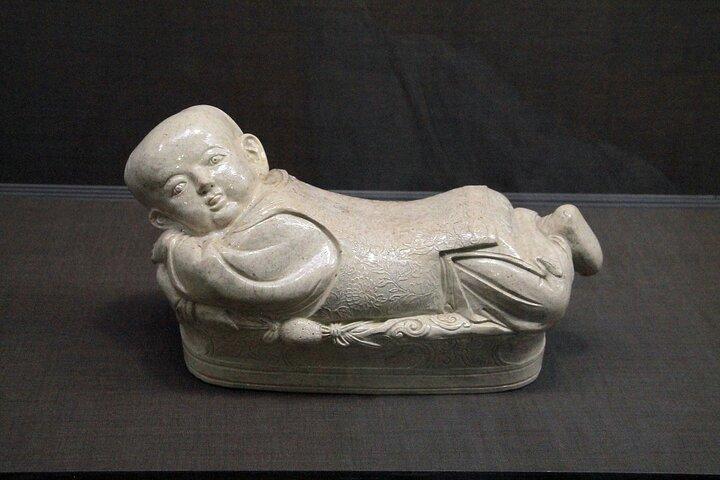
Upptäck National Palace Museum Northern Branch i Taiwan, en kulturell pärla som lovar en oförglömlig upplevelse för resenärer med alla bakgrunder och intressen. National Palace Museum Northern Branch är hem för en häpnadsväckande samling av över 700 000 ovärderliga artefakter. Det rymmer några av de mest utsökta kinesiska konst- och historiska skatterna, som spänner över 8 000 år av historia. Museet i sig är ett arkitektoniskt mästerverk. Den moderna och innovativa designen kompletterar den naturliga omgivningen och erbjuder en harmonisk blandning av tradition och innovation. Museet erbjuder en uppslukande kulturell upplevelse som gör det möjligt för besökare att få en djupare förståelse för kinesisk historia och traditioner. Sammanfattningsvis erbjuder National Palace Museum Northern Branch i Taiwan en unik blandning av historiska skatter, arkitektonisk skönhet, kulturell fördjupning och en fridfull naturmiljö. Boka ditt besök idag för att ge dig ut på en resa genom århundraden av historia och kultur utan dess like!
Turalternativ
Resplan
Gå igenom Kinas rika och långa historia med en dagstur till Taiwans mest berömda museer. Från vacker konst till antika artefakter, var vördnad över de otaliga skatterna som finns i dessa byggnader. Gå in i Taipeis National Palace Museum där du kan se utvecklingen av kinesisk konst i mer än 6 000 artefakter från den neolitiska perioden till modern tid. Förundras över invecklad kalligrafi, keramik och målningar. Ta en promenad i Zhishan Garden för att beundra harmonin mellan feng shui och kinesisk arkitektur. The Northern Branch är designad som ett modernt arkitektoniskt mästerverk mitt i det frodiga landskapet i norra Taiwan. Byggnadens design, både interiör och exteriör, förutsågs vara en attraktion i sig, som erbjuder en unik och uppslukande museiupplevelse.
Höjdpunkter
Vad som ingår
Resenärers betyg
Viktig information
- Anpassat för rullstol
- Spädbarn och små barn kan åka i barnvagn eller sittvagn
- Kollektivtrafiksalternativ finns i närheten
- Spädbarn måste sitta i knät på en vuxen
- Transportalternativ är rullstolsanpassade
- Lämplig för alla fysiska konditionsnivåer
- Norra grenen: 9:00–17:00, tisdag till söndag, stängt på måndagar
- Biblioteksbyggnaden kommer att vara stängd på Mondagar, söndagar och allmänna helgdagar
- Northern Branch: Uppvisa följande papper och låt personalen på plats skanna din QR-kod - Taiwan ID-kort, ISIC (International Student Identity Card) eller APRC (alien permanent resident Certificate)
Recensioner(3)
As a first time visitor to Taipei, I very much enjoyed learning about the rich history and culture. The museum was a wonderful way to explore and learn.
Visited the beautiful National Palace Museum this morning. I had read the book ‘Breekbare lading’ by Adam Brookes in the Netherlands and was fascinated by that story. To see the most precious part of this cargo (read art treasures) in this museum was a special experience. The museum was just half an hour from our hotel. We bought the tickets in advance. The museum opens at 9 am and it is recommended to go early so that you can first view the showpiece, the bush pak choi with grasshopper of jade on the third floor before the crowds of tourists come. We were there at 09.30 and were just in time to photograph it quietly. You can compare the popularity of the art object to our national pride, Rembrandt's Night Watch. You will also find the most beautiful other jade objects, bronzes, scriptures, embroidered and woven landscapes, jewelry, Buddhas, tableware, vases, etc. Everything is clearly described and there is enough staff to help you. Very welcoming all although we found the interior of the building not contemporary. Beautiful museum shops. We stayed there for over three hours and were impressed. Then we walked through the beautiful garden. Below is a description of Adam Brookes’ book ‘Breakable cargo’: Adam Brookes reconstructs museum director Ma Heng’s unique sixteen-year journey to safeguard the art treasures of the Forbidden City, a journey that teaches us much about modern-day China. When Japan invaded Manchuria in 1931, fears of air strikes on Beijing grew. There were fears for the fate of the art treasures in the Forbidden City: precious porcelain, priceless silk paintings, unique calligraphies and libraries, plus ten giant stones with inscriptions considered the primordial texts of China. Ma Heng, the modest museum director, was ordered to have everything packed and taken inland. It was the beginning of an incredible journey, which would last almost sixteen years. All the while, Heng and his curators were on the road, carrying nearly twenty thousand wooden crates full of valuables. They traveled by train and steamer, in trucks, with rafts and sometimes on foot, their cargo on the backs of countless porters. So they pushed deeper and deeper into the country. The treasures ended up in caves, temples and barns, where they were tried as best as possible to keep them out of the hands of the advancing Japanese troops, and to protect them from termites, moisture, heat and cold. After the Japanese capitulation, the Chinese Civil War flared up, eventually resulting in a divided country. That would also determine the fate of the collection itself: part ended up in Beijing, another in Taipei.
The collection of bronzes and ceramics is wonderful. Since there are many items in the collection, the exhibition often changes hands. This month's special exhibition is also interesting. It is home to an unimaginably large collection of precious European and Chinese jewelry, mainly from the 19th and early 20th centuries. There were few paintings in this exhibition. All are displayed in a spacious, leisurely space, with careful commentary. There are also many benches on which you can sit, and you can enjoy them at your own pace. He often brought his own bottle and supplied hot and cold water freely. Admission is free of charge, with no checks or restrictions on bags. Flash photography is prohibited. Writing with a ballpoint pen is also acceptable. There are many attendants, but there are no small restrictions on the audience like in Japan. The restrooms are spacious and the facilities are modern and clean. The gift shop also has a Japanese catalog. If you have written a postcard, you can also buy stamps at a nearby post office and put them in the green box designated for the National Palace Museum. By the way, you can also exchange money at the post office. Walking around the wonderful gardens of the adjacent Charitable Garden leads to the National Palace Museum without climbing stairs.