RUÍNAS DE TIWANAKU. Centro Espiritual e Político - Cultura Tiwanaku.


Descrição
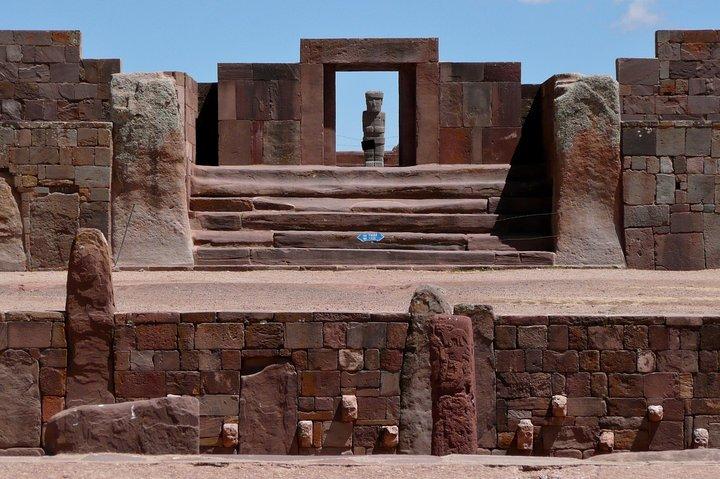
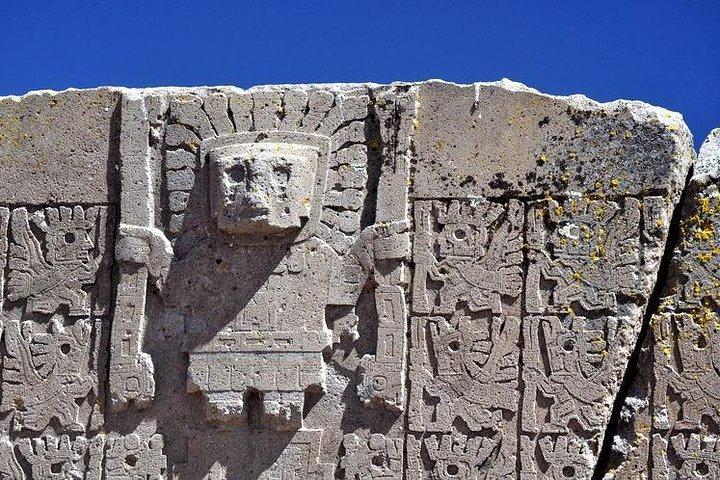
A cidade de Tiwanaku, capital de um poderoso império pré-hispânico que dominava uma grande área do sul dos Andes e além, atingiu seu apogeu entre 500 e 900 dC. Seus restos monumentais testemunham o significado cultural e político desta civilização, que é distinta de qualquer outro império pré-hispânico das Américas. O espaço público - religioso desta cidade é moldado por uma série de estruturas arquitetônicas que correspondem a diferentes períodos de acessos culturais: Templo Semi-subterrâneo, Templo de Kalasasaya, Pirâmide de Akapana, Pirâmide de Pumapumku. Além disso, o político político - administrador da área é representado por estruturas como o Palácio de Putuni e Kantatallita. Este complexo arquitetônico reflete a complexa estrutura política do período e sua forte natureza religiosa. O monumento mais imponente de Tiwanaku é a Pirâmide de Akapana. Um dos lugares mais populares para visitar na América do Sul.
Opções de passeio
Itinerário
VISITA: - O MUSEU LITICO - RUÍNAS ARQUEOLÓGICAS CERÂMICAS - PUMA PUNKU
Destaques
O que está incluído
Avaliações dos viajantes
Informações importantes
- Aceita animais de serviço
- Opções de transporte público disponíveis perto
- Bebês precisam sentar no colo de um adulto
- Adequado para todos os níveis de condicionamento físico
Avaliações(4)
A day tour to Tiwanaku with the guide Ricky was a pure rush through the museums and the site. Parts of Tiwanaku and Puma Punku were simply skipped. An hour more in total time - and the rush would not have been necessary. I really don't fly halfway around the world for that. Quick, fast and really careless. No consistent translation into English. I would not use this provider again. A real mistake and a disappointment.
This tour was sold as 4 hours actual was 9hours sold as English tour all in Spanish Never answered questions Has so much potential
Hello Jenny. 1) It takes around 4 hours to get to the historical site of Tiwanaku. This place is not located in the city centre. As you saw for yourselves, it's an important part of Andean culture. 2) We had a multinational and diverse group, we put our multilingual guide who had to speak 3 languages including English on the tour. As you may appreciate not many people (non English speaking) have the confidence to speak English. So the guide spoke in different languages to include them feel inclusive. I hope you understand. We appreciate your feedback and wish you have a brilliant time for the rest of time in Bolivia.
Fantastic place to see but would have preferred more time in the museums and less at lunch. There was so much to see but we ere walked through fairly quickly. The tour guide was a little quiet
Thank you for the review. We will get the guides to be more talkative in the right form. Appreciate the feedback.