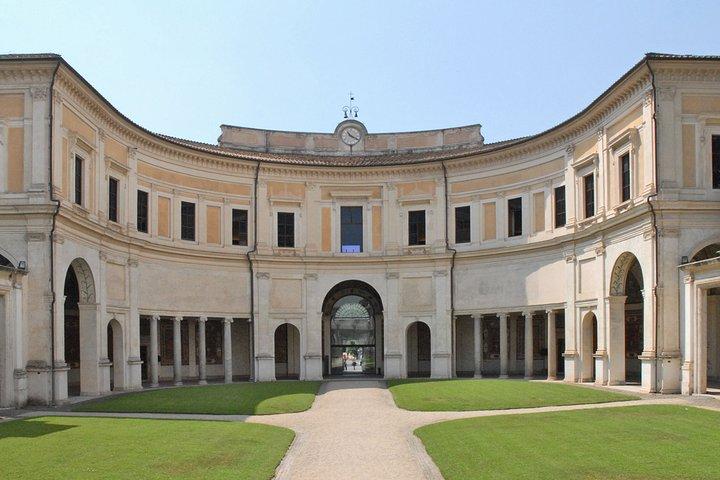
Roma Museu Etrusco de Villa Giulia



+2 photos

Em resumo
- Duração
- 1–3 horas
- Preço desde
- $24 / pessoa
- Localização
- Rome, Itália
- Avaliação
- 4.2 / 5 · 21 avaliações
- Idiomas
- DE, EN, IT, FR
- Grupo
- 1–5 pessoas
- Cancelamento
- Ver condições abaixo
- Confirmação
- Em 24 h
- Bilhete
- Ingresso em papel ou digital aceito
- Operador
- Weekend in Italy
Descrição
O Museu de Villa Giulia nasceu em 1889 por iniciativa de Felice Barnabei (1842-1922), arqueólogo e político italiano, com base em um programa coerente de explorações arqueológicas. As novas perspectivas de concreto geradas pela iminente ampliação do Museu de Villa Giulia são ilustradas nos painéis à direita da entrada e janelas modernas com janelas que se abrem para a Villa Poniatowski para acomodar uma extensa revisão dos materiais recentemente adquiridos. Trata-se principalmente de cerâmicas finas de diferentes idades e produções, às vezes verdadeiras obras-primas, roubadas por ladrões de tumbas, que foram devolvidas dos principais museus e colecionadores particulares dos Estados Unidos como resultado de uma operação complexa promovida pela Itália. Paralelamente, incluem-se outros objetos importantes de apreensões ordenadas pelo Judiciário em decorrência de brilhante operação conduzida pelo Comando de Polícia de Proteção ao Patrimônio Cultural.
Traduzido automaticamente do original pelo Google Tradutor.
Horários e preços
- Dias
- terça, quarta, quinta, sexta, sábado e domingo
- Partidas
- 20 vezes por dia, 8:30–18:00
- Próxima data disponível
- quarta, 28/10
- Adulto (26 anos ou mais)
- $24
O preço muda conforme a data; mostramos o mais baixo.
Ao pôr do sol: a saída das 16:00 está a decorrer quando o sol se põe, por volta das 17:00 nas próximas semanas.
Segundo o calendário atual do operador na Viator, verificado em 23/10.
Opções de passeio
Itinerário
Museo Nazionale Etrusco di Villa Giulia
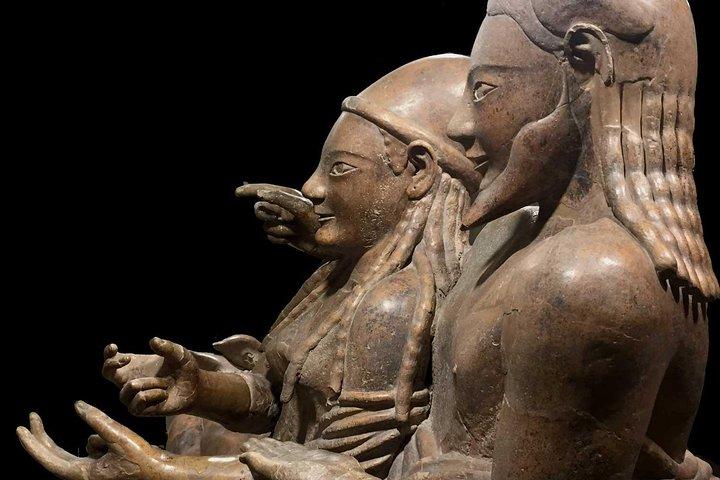
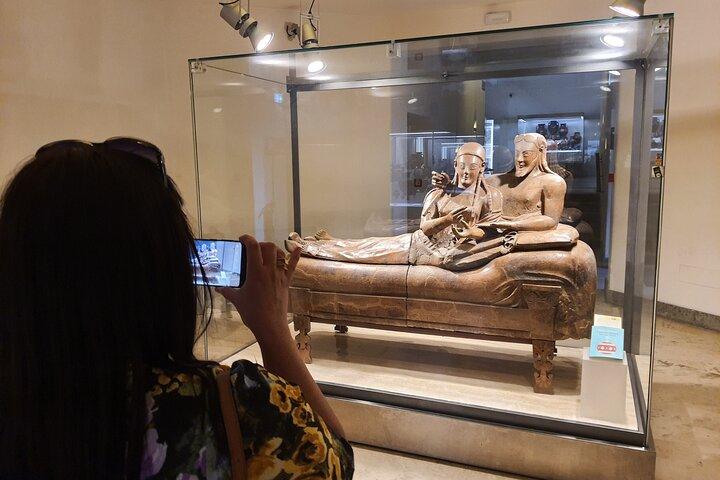
Os visitantes irão admirar o museu mais importante da civilização etrusca, que inclui não só algumas das criações mais importantes desta civilização, mas também produtos gregos do mais alto nível.
O que está incluído
Incluído
bilhete de entrada
Não incluído
Lanches
Transporte particular
Avaliações dos viajantes
Avaliações recolhidas pela Viator e pelo Tripadvisor
4.2
21 avaliações
Comparado com outros passeios em Rome
- Preço a partir de $24: 79% abaixo do preço típico de $113 para passeios de duração semelhante em Rome
Comparação da Excurgo entre 8095 passeios da Viator, recalculada diariamente.
Informações importantes
- Acessibilidade para cadeira de rodas
- Bebês e crianças pequenas podem andar em um carrinho
- Opções de transporte público disponíveis perto
- Bebês precisam sentar no colo de um adulto
- Opções de transporte com acessibilidade para cadeirantes
- Adequado para todos os níveis de condicionamento físico
Cancelamento
Todas as vendas são definitivas. Não haverá reembolso em caso de cancelamento.
0+ dias antes0% de reembolso
Avaliações(21)
Avaliações recolhidas pela Viator e pelo Tripadvisor
Compare tours semelhantes em Rome
- O mais barato: Roma Museu Etrusco de Villa Giulia — $24
- O mais bem avaliado: Roma Museu Etrusco de Villa Giulia — 4.2 (21 avaliações)
- O mais curto: Visita ao Museu Vaticano Patrimônio Egípcio e Etrusco — 1h 30min
| Tour | Duração | Avaliação | Preço | |
|---|---|---|---|---|
| Roma Museu Etrusco de Villa Giulia | 1–3 horas | 4.2 (21) | $24 | |
 Tour Privado - Museu Nacional Etrusco Tour Privado - Museu Nacional Etrusco | 2 horas | 5.0 (18) | $132 | Ver |
 Visita guiada privada ao Museu Etrusco em Roma Visita guiada privada ao Museu Etrusco em Roma | 2h 30min | — | $262 | Ver |
 Aula de Culinária Autêntica Privada em Casa Local com Giulia Aula de Culinária Autêntica Privada em Casa Local com Giulia | 3 horas | 5.0 (1) | $125 | Ver |
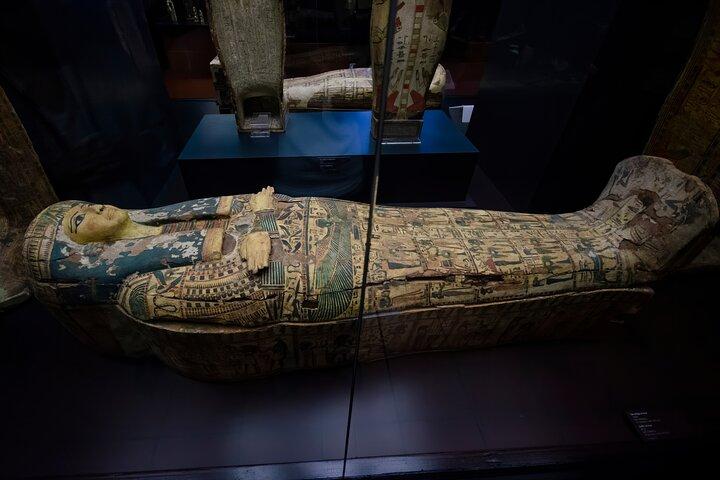 Visita ao Museu Vaticano Patrimônio Egípcio e Etrusco Visita ao Museu Vaticano Patrimônio Egípcio e Etrusco | 1h 30min | — | $149 | Ver |
 Destaques etruscos dia inteiro saindo de Roma Destaques etruscos dia inteiro saindo de Roma | 6 horas | — | $378 | Ver |
 Etruscos Entre Mistério e Emoção Etruscos Entre Mistério e Emoção | 5 horas | — | $790 | Ver |
desde$24
4.2(21)