J
Excellent Experience!
I ended taking two classes back to back with 2 different techniques. Junko was an amazing instructor and would highly recommend this location and classes!
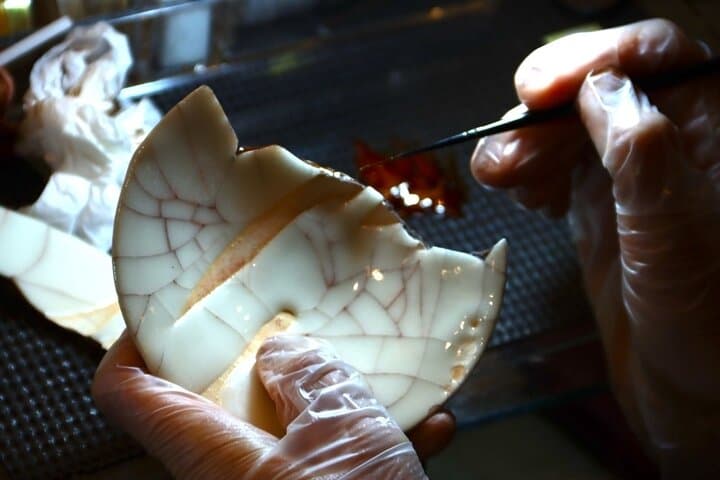
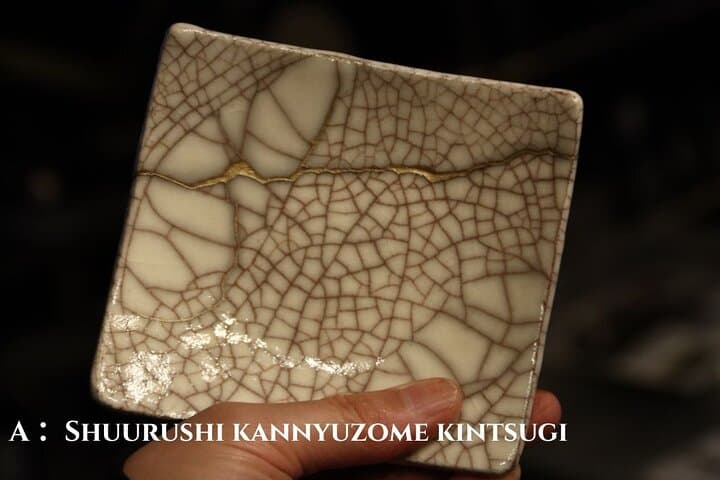
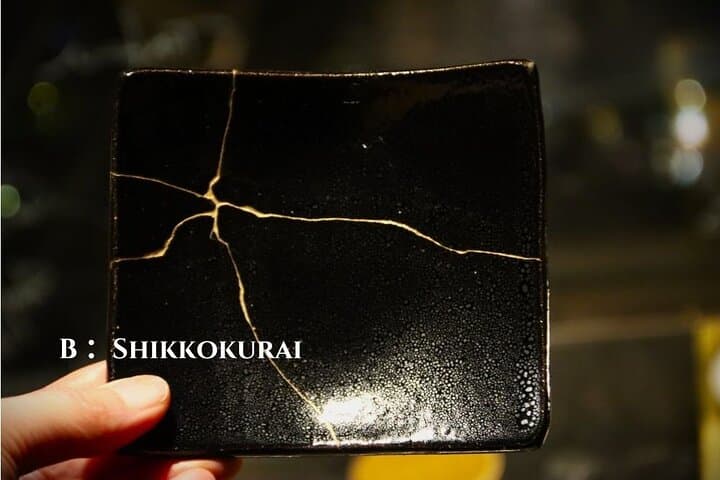
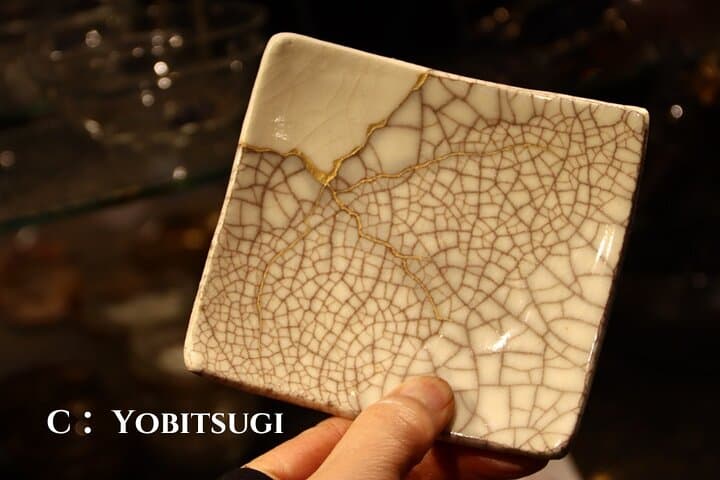
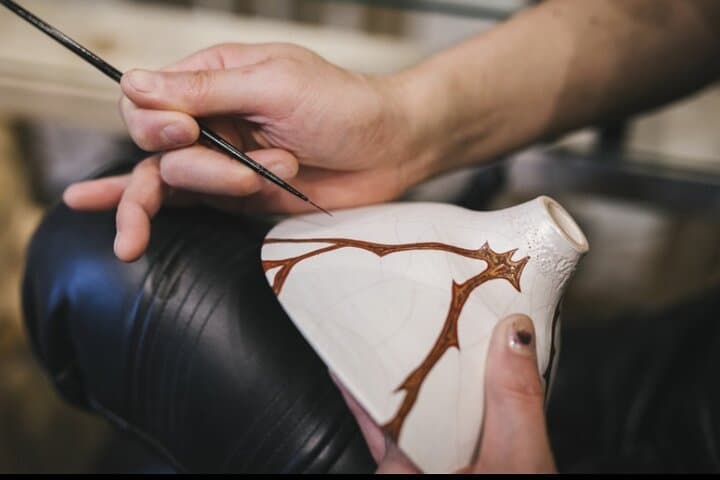


Kintsugi é uma técnica simples de restauração que usa ouro ou outro pó metálico para reparar peças quebradas, lascadas ou rachadas. O Kintsugi é transmitido no Japão desde os tempos antigos, e a cultura de cuidar bem das coisas atraiu a atenção em todo o mundo. A laca Kintsugi vem do carvalho venenoso ou da árvore negra da família da hera venenosa. Quando seca, a laca é um adesivo natural inofensivo ao corpo humano e com efeito endurecedor. As rachaduras são consideradas uma paisagem no kintsugi, e a junta é decorada com ouro, prata ou outro pó metálico. Kintsugi se baseia em não fingir que as rachaduras nunca existiram, mas em considerá-las parte da história do item e dar-lhe nova vida. Em 2024, Mestre Taku é agraciado com a Medalha com Fita Azul Escuro, a comenda honrosa concedida a indivíduos que obtiveram conquistas significativas nas áreas de ciência, arte, invenção, aprimoramento e criação neste ano.
Para receber um reembolso integral, cancele até 24 horas antes do horário de partida.
I ended taking two classes back to back with 2 different techniques. Junko was an amazing instructor and would highly recommend this location and classes!
I paid near $150.00 for a 2 hours class with a master artisan, I got an hour class with one of the apprentice. The master gave the class to the previous group who was lingering on my time. Instead of a seat in the class I was put on a table near the closet and instructed by one of his helper on the art of Kintsugi. She was very good or I was learning fast because we were done in an hour. I completed my project and got the tools to do it at home. At no time did the master came and check with me. The instructions were adequate but I felt kind of cheated. I will recommend this activity but make sure you get the master or pay for the help
The concept, history and technique were all explained through words and videos, and the teachers guided us closely enough that we didn't make mistakes while still doing all the work ourselves, which was ideal. The gentleman guiding us was very kind and friendly. Now we have wonderful souvenirs to keep a wonderful memory alive. Been wanting to try kintsugi for a very long time and I'm glad I did it here.
Had a lot of fun learning about traditional Japanese ceramics and culture. It was really cool learning by about the different tools, materials and history behind the designs and work.
It was very great! We had such an amazing time as a group !
It’s really fun, the first time trying to fix the ceramic with gold
And excellent experience! Very relaxing, meaningful, and educational! High recommend!
It was a great class to experience and understand the beautiful art of Kintsugi! The artist was very kind and the other teachers were also. It was wonderful- we loved it so much, they let us buy other pieces to give to friends!
Junko was a super friendly and helpful instructor! Fun experience to learn about the history and meaning of the practice. Great to be able to create a piece as a beautiful souvenir
Fun class! Highly recommend learning about an amazing technique to make something broken even more beautiful. The studio is in the basement behind a stainless steel gate. Traffic can be awful so plan for extra time. I barely made it on time and I built in 30 minutes of ‘extra’ time. Also, in Japan, on time is 5 minutes early.
| Tour | Duração | Avaliação | Preço | |
|---|---|---|---|---|
| Ouro puro autêntico Kintsugi Ceramic Workshop com mestre artesão | 2 horas | 5.0 (227) | $150 | |
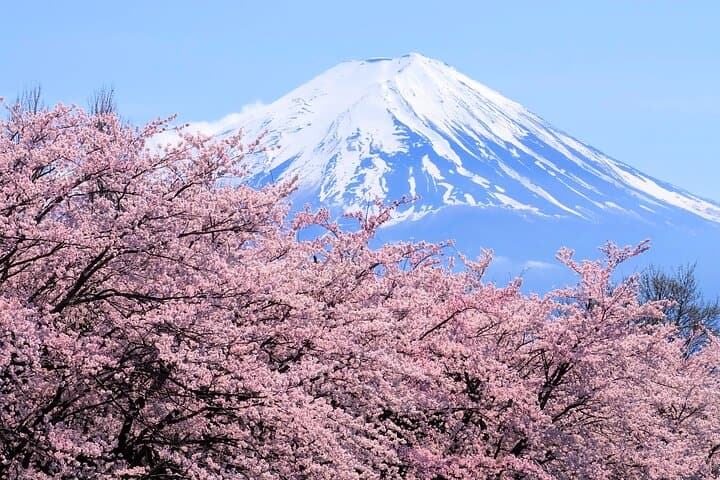 Mt Fuji and Hakone 1-Day Bus Tour Return by Bullet Train Mt Fuji and Hakone 1-Day Bus Tour Return by Bullet Train | 11 horas | 4.8 (32,115) | $160 | Ver |
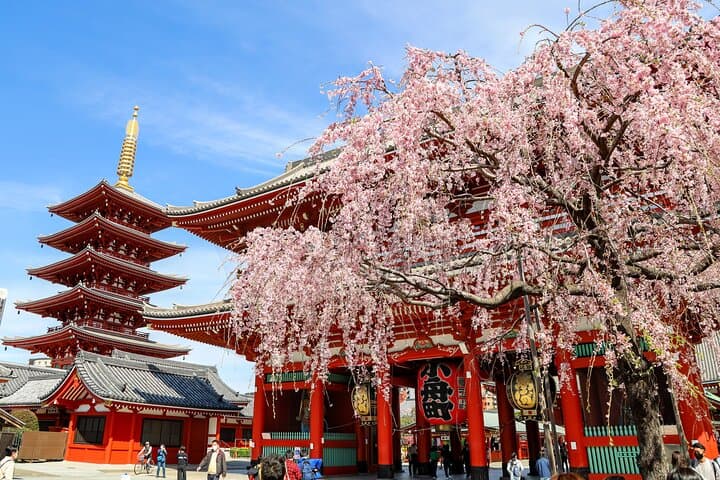 1-Day Tokyo Bus Tour 1-Day Tokyo Bus Tour | 9–10 horas | 4.9 (17,071) | $127 | Ver |
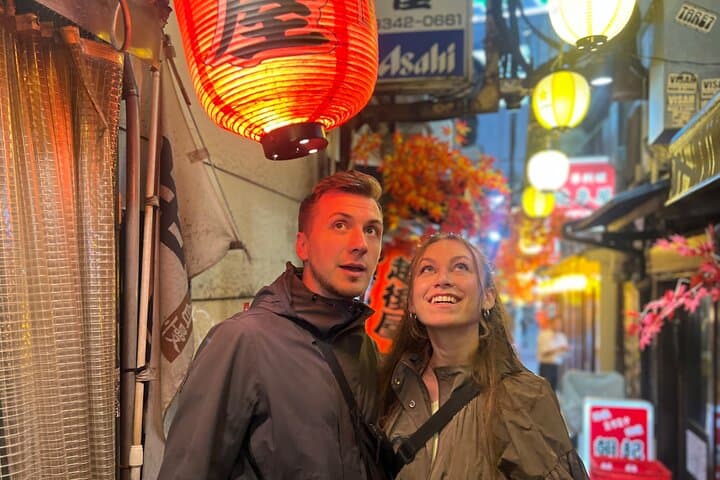 Shinjuku Food Tour in Tokyo Local Eateries Shinjuku Food Tour in Tokyo Local Eateries | 3 horas | 4.9 (9,882) | $85 | Ver |
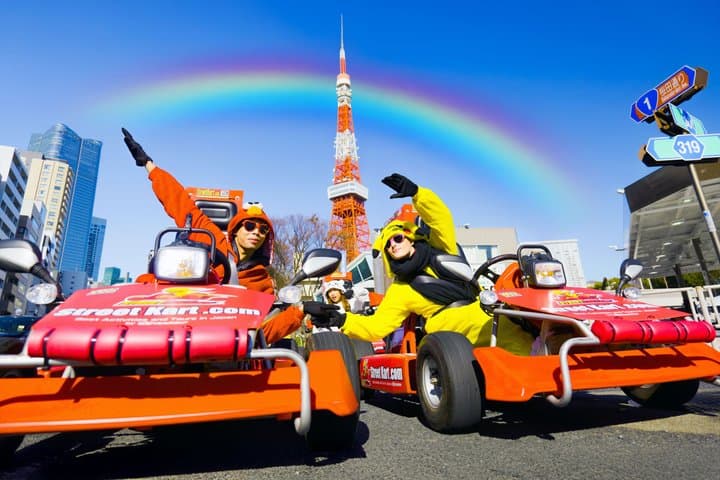 Flagship 2-Hours Official Street Go-Kart Tour - Tokyo Bay Shop Flagship 2-Hours Official Street Go-Kart Tour - Tokyo Bay Shop | 2h–2h 30min | 4.9 (5,222) | $86 | Ver |
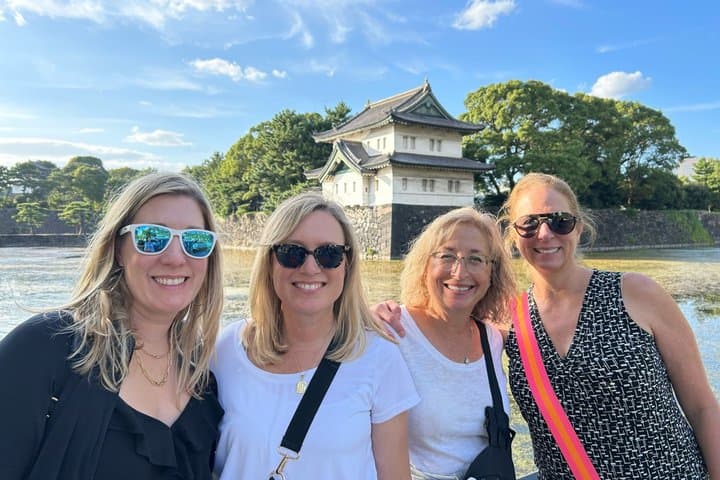 Tokyo Customized Private Tour in 1 Day with Licensed Guide Tokyo Customized Private Tour in 1 Day with Licensed Guide | 4–8 horas | 4.9 (4,746) | $107 | Ver |
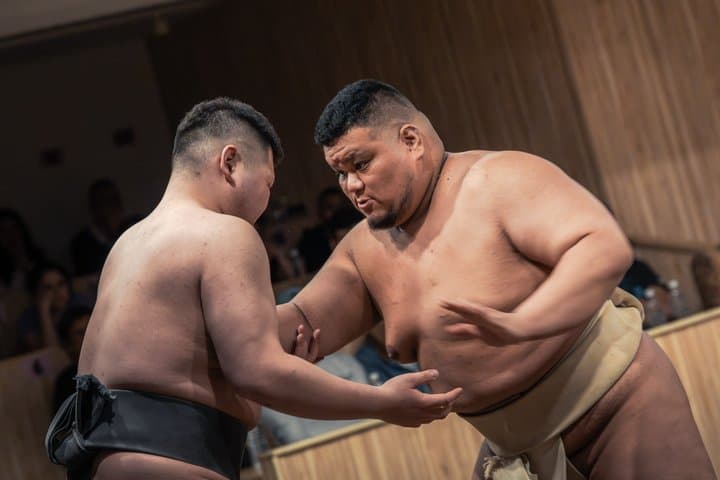 Tokyo Shinjuku Sumo Show & Experience with Photo Tokyo Shinjuku Sumo Show & Experience with Photo | 1h 30min | 4.9 (4,466) | $78 | Ver |