Andrew Descent e Podil de Kiev
+7 photos




Em resumo
- Duração
- 3 horas
- Preço desde
- $86 / pessoa
- Localização
- Kiev, Ucrânia
- Avaliação
- 5.0 / 5 · 4 avaliações
- Idiomas
- DE, UK, EN, ES
- Grupo
- Privado
- Cancelamento
- Cancelamento gratuito até 24 horas antes
- Recolha no hotel
- Disponível
- Confirmação
- Imediata
- Bilhete
- Ingresso em papel ou digital aceito
- Operador
- ARGOTOUR
Descrição
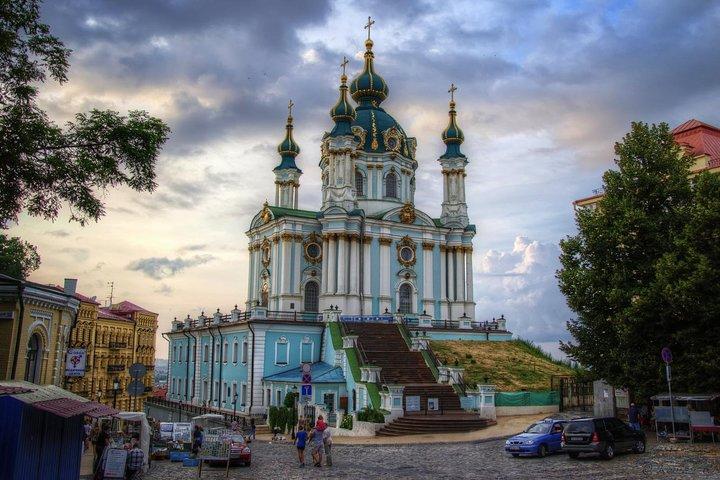
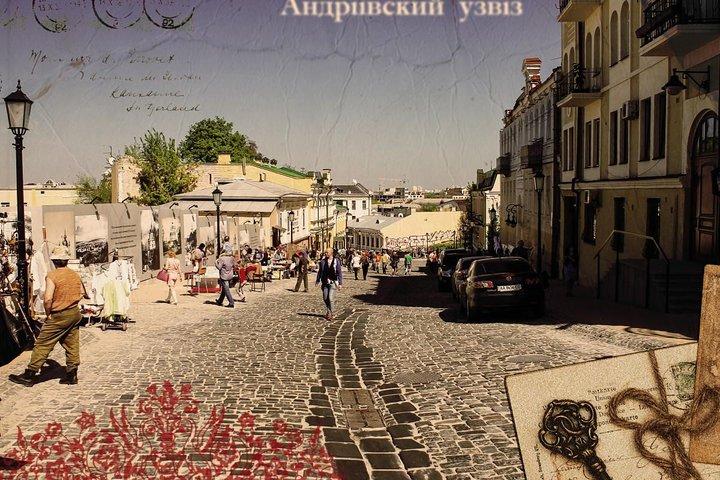
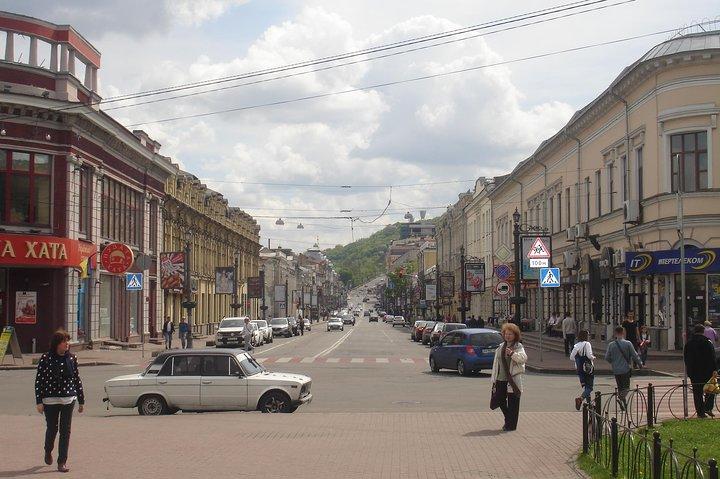
Explore os mistérios da antiga rua de Kiev, a descida de Andrew ao longo dos últimos 3 séculos e desfrute da atmosfera levando-o de volta à história, como se estivesse viajando pela máquina do tempo. Normalmente, a descendência de Andrew é associada unicamente ao nome de Mikhail Bulgakov, o escritor mundialmente famoso, que viveu na descida no prédio No.13. Na verdade, desde o final do século XIX, muitas figuras proeminentes da ciência e da cultura ucranianas viviam nessa rua densamente povoada. Agora, a descida de St. Andrew é uma das principais atrações turísticas da capital da Ucrânia. Parece um museu ao ar livre.
Traduzido automaticamente do original pelo Google Tradutor.
Horários e preços
- Dias
- Todos os dias
- Partidas
- 10:00 e 14:00
- Próxima data disponível
- domingo, 18/10
- Preço por grupo
- $86 por grupo de até 15 pessoas
O preço muda conforme a data; mostramos o mais baixo.
Ao pôr do sol: a saída das 14:00 está a decorrer quando o sol se põe, por volta das 16:38 nas próximas semanas.
Segundo o calendário atual do operador na Viator, verificado em 17/10.
Opções de passeio
Itinerário
Andriivskyi Descent
Decente de André
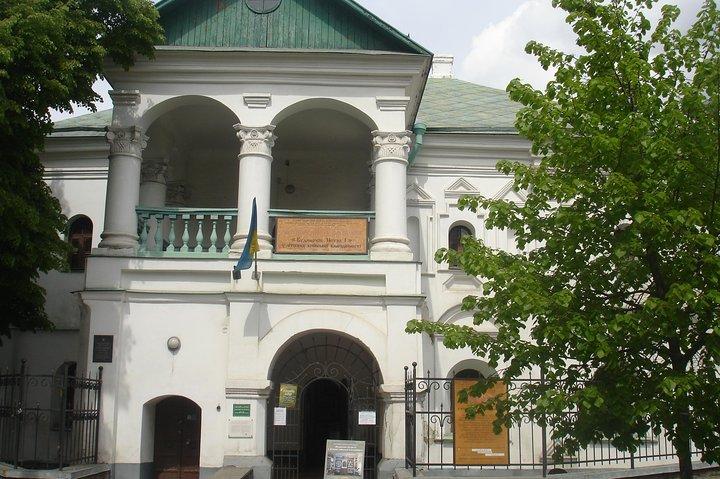
One Street Museum
Museu de uma rua
Mikhail Bulgakov Museum
Museu Mikhail Bulgakov
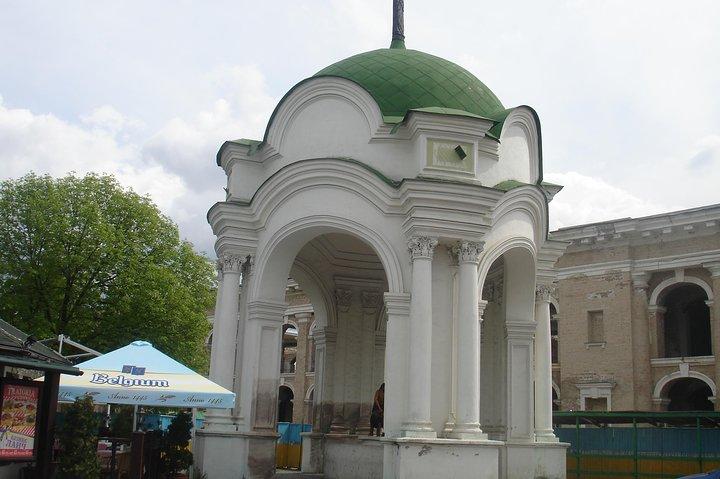
Fountain of Samson
Fonte de Sansão
O que está incluído
Incluído
Passeio a pé - guia irá buscá-lo no hotel ou apartamento centralmente localizado da sua estadia em Kiev
Recepção e desembarque no hotel
Explore a tradicional arte artesanal ucraniana na histórica rua de Kiev - Andrew's Decent
Bay a mão fez lembranças tradicionais ucranianas
O tour inclui transporte em veículo particular ou minivan ou microônibus e picape e desembarque no hotel (exceto passeio a pé)
Visita guiada privada
Veja a história da Kiev, onde o começo de Kiev cresce
Não incluído
Taxas de entrada para museus: Museu de Mikhail Bulgakov, Museu de uma rua (cerca de US $ 2 por pessoa)
Alimentos e bebidas
Serviço extra
Transporte em caso de passeio a pé
Locais e horários de recolha
O hotel ou o apartamento do viajante centralmente localizado em Kiev. Por favor, informe o endereço central da sua estadia em Kiev na sua reserva, com o nome do hotel, número da casa e nome da rua. No caso de você não sabe o seu local de pick up em Kiev, podemos conhecê-lo no centro da cidade no Hotel Ukraina, área do lobby. Hotel Ukraina: 4 Institutskaya street, 01001, Kiev, Ucrânia, ukraine-hotel.kiev.ua
Avaliações dos viajantes
Avaliações recolhidas pela Viator e pelo Tripadvisor
5.0
4 avaliações
Comparado com outros passeios em Kiev
- 45.º em número de avaliações entre 147 passeios em Kiev
- Preço nos últimos 15 dias: $85–$86
Comparação da Excurgo entre 147 passeios da Viator, recalculada diariamente.
Informações importantes
- Opções de transporte público disponíveis perto
- Bebês precisam sentar no colo de um adulto
- Adequado para todos os níveis de condicionamento físico
- Outro guia falando em idioma está a pedido
Cancelamento
Para receber um reembolso integral, cancele até 24 horas antes do horário de partida.
1+ dias antes100% de reembolso
0–1 dias antes0% de reembolso
Avaliações(4)
Avaliações recolhidas pela Viator e pelo Tripadvisor
Compare tours semelhantes em Kiev
- O mais barato: Extreme Show Kyiv — $17
- O mais bem avaliado: Excursão de grupo de dia inteiro a Chernobyl e Prypiat — 4.9 (263 avaliações)
- O mais curto: Extreme Show Kyiv — 45 min
| Tour | Duração | Avaliação | Preço | |
|---|---|---|---|---|
| Andrew Descent e Podil de Kiev | 3 horas | 5.0 (4) | $86 | |
 Tour do Podil da Boêmia Tour do Podil da Boêmia | 3 horas | — | $120 | Ver |
 Excursão privada a pé no distrito de Kyiv Podil com guia local Excursão privada a pé no distrito de Kyiv Podil com guia local | 3 horas | 5.0 (1) | $40 | Ver |
 Cidade baixa de Podil Cidade baixa de Podil | 3 horas | — | $34 | Ver |
 Excursão de grupo de dia inteiro a Chernobyl e Prypiat Excursão de grupo de dia inteiro a Chernobyl e Prypiat | 10–12 horas | 4.9 (263) | $106 | Ver |
 Excursão Urbex Em Kiev Excursão Urbex Em Kiev | 3h 15min | 4.9 (162) | $56 | Ver |
 Extreme Show Kyiv Extreme Show Kyiv | 45 min | 4.8 (102) | $17 | Ver |
desde$86
5.0(4) Cancelamento gratuito