NIKKO PASS werelderfgoedgebied
Beschrijving
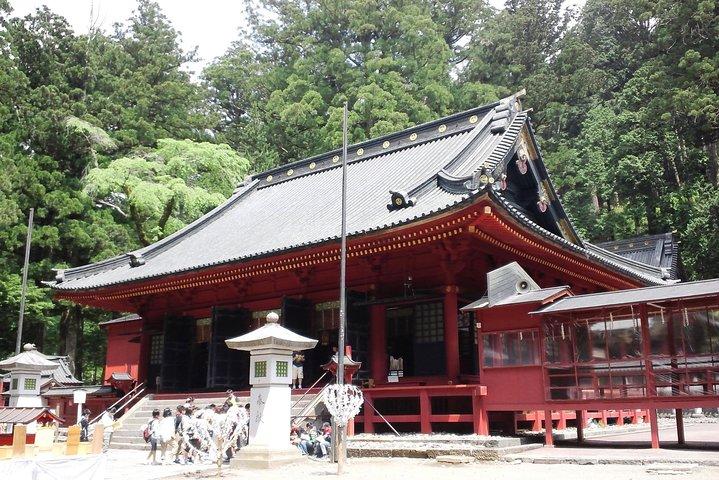
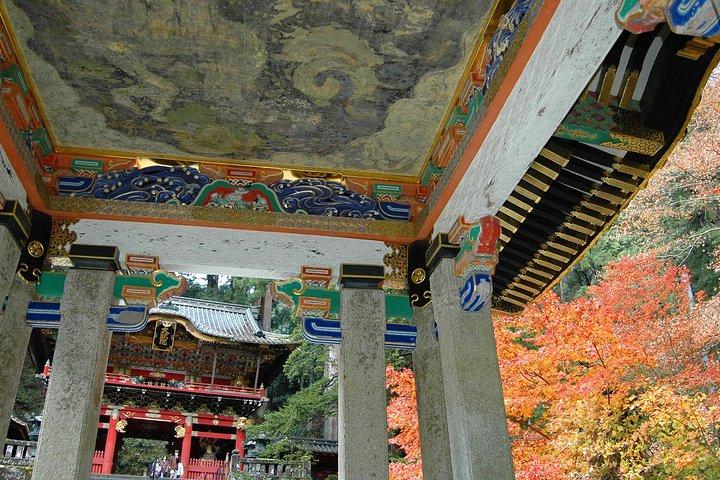
Bezoek prachtige UNESCO-geklasseerde heiligdommen en tempels rond Nikko en Kinugawa met NIKKO PASS werelderfgoedgebied dat 2 dagen geldig is. Profiteer van onbeperkte ritten met een sightseeingbus om bezienswaardigheden zoals het Toshogu-heiligdom en de Rinnoji-tempel te bezoeken. NIKKO staat bekend als een centrum van Shinto en boeddhistische bergverering. Nikko heeft een aantal prachtige heiligdommen en tempels die worden geprezen als UNESCO Werelderfgoed.
Rondreisopties
Reisroute
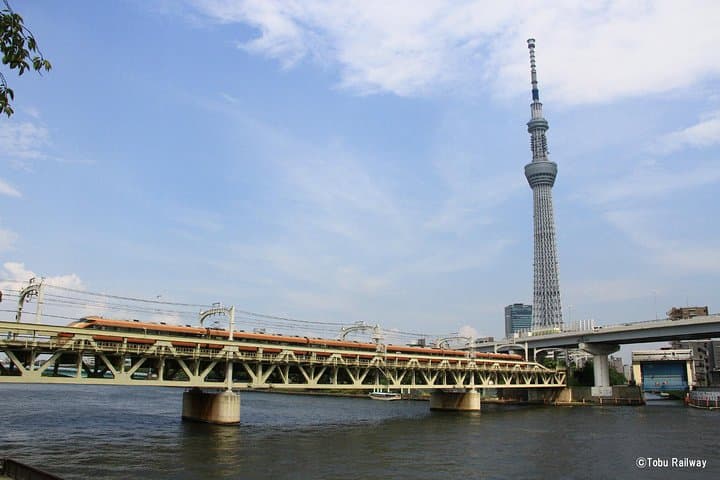
Haal uw NIKKO PASS op bij Tobu Tourist Information Center Asakusa waar u zich bevindt in 1F, Tobu Railway Asakusa station.
Hoogtepunten
Wat is inbegrepen
Beoordelingen van reizigers
Belangrijke informatie
- Rolstoeltoegankelijk
- Baby's en kleine kinderen kunnen in een wandel- of kinderwagen mee
- Opties voor openbaar vervoer zijn in de buurt aanwezig
- Kinderen moeten bij een volwassene op schoot zitten
- Geschikt voor alle condities
- Kinderen van 5 en jonger zijn gratis wanneer ze worden vergezeld door een betalende volwassene.
- Het NIKKO PASS-werelderfgoedgebied is alleen beschikbaar voor buitenlandse toeristen met een Japanse paspoort.
- U moet op de dag van de activiteit een geldig niet-Japans paspoort tonen.
- Sommige attracties in Nikko zijn alleen seizoensgebonden; controleer voordat u gaat.
- Trein- en bustijden en routekaarten zijn beschikbaar op de website van Tobu Railway of de website van Tobu bus. Zoek op “Tobu Railway”of “Tobu bus” om de website te vinden.
- Uw pas is geldig voor een periode van 2 opeenvolgende dagen, te beginnen op de datum die u hebt geselecteerd bij het boeken. Opeenvolgende dagen zijn kalenderdagen, geen 24 - uurs dagen.
- Kortingen op entreegelden, transporttarieven en aankopen variëren per seizoen.
Beoordelingen(4)
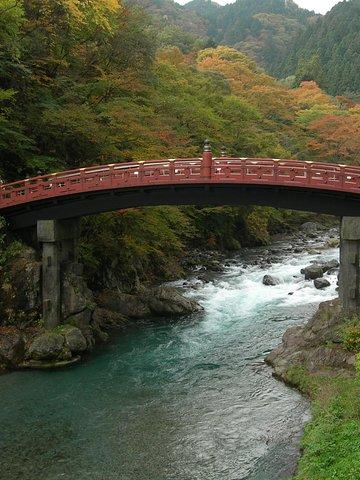
We debated long and hard about what day trip we would make during our 1 week in Tokyo, and we eventually settled on Nikko - and boy were we glad we did. Even in March, the site was absolutely beautiful (and a lot less crowded than it apparently is in the summer), even though it was chilly. We took the Limited Express Spacia X train from Asakusa station (the Asakusa Spacia X station is located just upstairs from the Asakusa subway station), buying tickets about 1 month in advance on Klook. The train requires the purchase of 2 tickets - the basic round-trip ticket, plus the seat reservation. For the basic round-trip ticket, we bought the 2-day World Heritage pass because that includes a round-trip train ticket (and also includes use of the World Heritage shuttle in Nikko); and for the seat reservation, we purchased Premium seats on the way up to Asakusa, and the Cockpit Lounge seats on the return trip. Personally, I liked the Premium seats better than the Cockpit Lounge seats, mainly because the Cockpit Lounge seats didn't have headrests (and it was less private). We left Asakusa at 7:50am, arriving in Nikko at 9:39pm. We returned from Nikko on the 5:35pm train, arriving in Tokyo at 7:20pm. During our time, we visited Shinkyo Bridge, Rinno-Ji temple (the main hall, the gardens/museum, and Taiyuin Temple), and Toshogu Shrine. We also wanted to visit the Futarasan Shrine, but we were a few minutes late to buy tickets, which closed at 3:15pm. We used the free World Heritage shuttle to get around. Upon arrival in Nikko, we exited the train station and crossed to the shuttle bus area. There are 3 shuttle bus pick-up locations all next to each other, so be sure to choose the right one (in our case, the World Heritage Shuttle). For our Klook World Heritage pass, you don't show the pass when you board the shuttle (even though there is a QR scanner on the bus right as you board), but rather simply show your pass to the bus driver as you exit. We got off at the first stop to visit Shinkyo Bridge, spent about 15 minutes, then re-loaded the next shuttle to go to the main Rinno-Ji temple area. From the Rinno-Ji temple area, we explored the various temples and shrines, including walking to Toshogu Shrine. We had planned to also take the 45-minute shuttle to Lake Chuzenji to visit Kegon Falls, but we actually spent so much time in the World Heritage area that we didn't have enough time (not to mention it was cold anyway, and so it was going to be even colder up at the Lake). We had lunch at Maruhide Shokudo restaurant near the World Heritage area - a great little restaurant.
Nikko is a truly wonderful place and well worth a visit but the pass really isn’t necessary as there are plenty of ways to get there from Tokyo. Get the express ticket which is a 2 hour trip. The regular train is 3 hours. Be prepared for lots of uphill walking and steps. The bus from the station helps cut some of that.
The Nikko Pass World Heritage Area is an excellent way to go from Asakusa in Tokyo all the way to the Tobu-Nikko Station. This is a non-stop train. The ride from the metropolis of Tokyo is very interesting as you leave very urban landscape to extremely rural landscape. It takes about 2 hours from Asakusa to Nikko. From the Tobu-Nikko Station, you can take the frequent bus service that will take you to the World Heritage Area that has the shrines and temples of Nikko, and to Lake Chuzenji and beyond. The entry to the World Heritage site is included although some Temples and Shrines have additional fees. The bus service is included in the pass fees. The return trip from Nikko back to Asakusa is also a 2 hour journey and is very comfortable. Easy way to visit Nikko on your own without having to book a guided tour and pay a lot more yen. It is a 2 day pass, but I was only able to use it for just one day, but still a good deal.
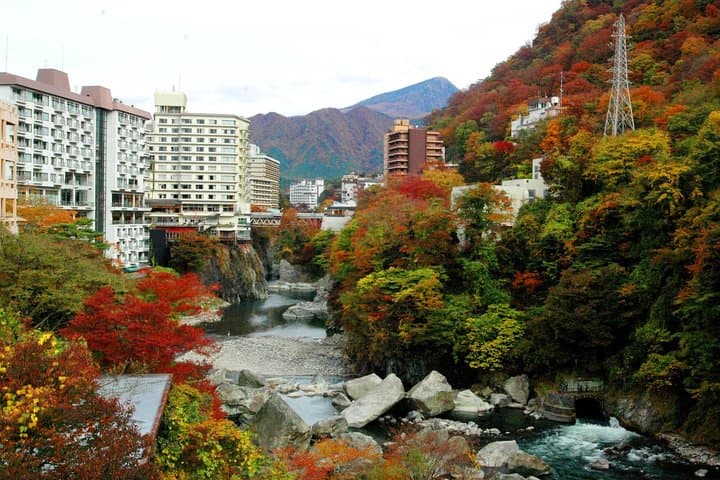
We found the hotel here by accident and when we woke up the next morning, we looked from our balcony far below to a surging spectacular river gorge! We could hear the sounds of the rushing water from our hotel room high above the river. The trees were beginning to turn Autumn colors and this was some of the most beautiful scenery we had experienced on our entire visit to Japan! There was also a great walking bridge only about 10 minutes hike from our hotel.