TOUR PRIVATO - Tonalità dove gli imperatori sognavano e le dinastie indugiano


Descrizione
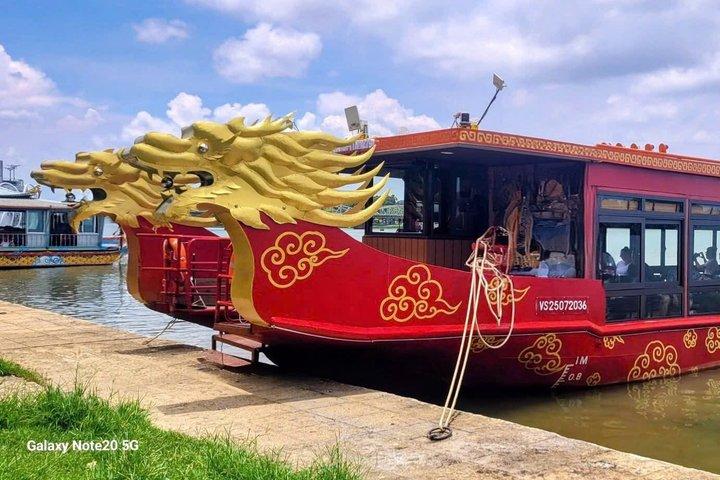
Fai un salto indietro nel tempo per scoprire il ricco patrimonio di Hue, l'ex capitale imperiale del Vietnam. Per oltre 140 anni, questa città è stata il cuore reale della nazione, rimanendo oggi un museo vivente di antichi templi, grandi cittadelle ed elegante architettura coloniale Francese. Il tuo viaggio inizia con un tranquillo giro in barca lungo il Fiume dei Profumi fino alla Pagoda Thien Mu, la cui iconica torre a sette livelli si erge con grazia sopra il paesaggio. Essendo uno dei siti spirituali più antichi del Vietnam, offre una finestra sull'anima della città. Successivamente, addentrati nella grandiosità della Città Imperiale, un vasto complesso murario che un tempo ospitava la corte reale. Anche se il tempo ha lasciato il segno, le porte e i padiglioni sopravvissuti riecheggiano ancora l'eredità degli imperatori. Dopo pranzo, esplora la serenità poetica della tomba di Tu Duc e la sorprendente miscela di stili orientali e occidentali alla tomba di Khai Dinh. Mentre il sole si addolcisce, torna al tuo hotel con un apprezzamento più profondo dell'eredità imperiale di Hue.
Opzioni del tour
Itinerario
Situata sulla riva nord del fiume Profumo nel villaggio di Huong Long, a cinque chilometri dalla città di Hue, la Pagoda di Thien Mu è uno dei siti religiosi più belli e ben conservati del Vietnam.
Il complesso dei monumenti di Hue è un patrimonio mondiale dell'UNESCO e si trova nella città di Hue, nel Vietnam centrale. Hue è stata fondata come capitale del Vietnam da Gia Long, il primo re della dinastia Nguyen nel 1802. Ha ricoperto questa posizione per nove dinastie Nguyen fino al 1945. L'enorme complesso presenta centinaia di monumenti e rovine, come la Città Proibita Viola, un tempo residenza della famiglia reale e gravemente danneggiata durante la guerra del Vietnam, la Città Imperiale, tombe reali, torre della bandiera, pagode, templi, una biblioteca e un museo .
Tu Duc fu il quarto imperatore del Vietnam e visse dal 1829 al 1883, durante il quale si dice che avesse 104 concubine. Durante il suo regno, il Vietnam perse l'indipendenza dalla Francia
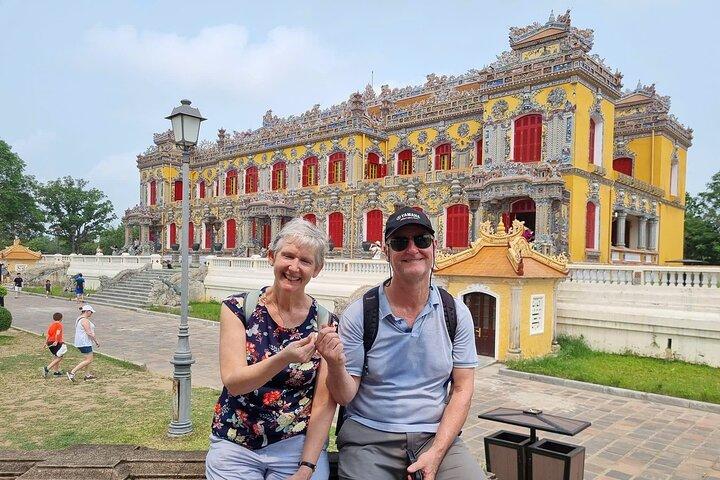
La tomba reale dell'imperatore Nguyen Khai Dinh è unica tra le tombe reali di Hue, in Vietnam. Dove altre tombe reali sono espansive e invitano alla rispettosa riflessione, Khai Dinh costruì il suo ultimo luogo di riposo per essere monumentale nello stile e esplosivo nell'esecuzione.
Punti salienti
Cosa è incluso
Luoghi e orari di ritiro
Si prega di essere pronti nella hall dell'hotel 10 minuti prima dell'orario di prelievo previsto. La nostra Guida ti incontrerà lì e sarà felice di aiutarti con qualsiasi domanda tu possa avere.
Valutazioni dei viaggiatori
Informazioni importanti
- I neonati devono sedere in grembo a un adulto
- I viaggiatori devono avere una buona forma fisica
Recensioni(5)
A UNESCO World Heritage site which, if accompanied by an informative guide, enables visitors to learn a great deal about life during the Nguyễn Dynasty, including the Emperor who had a thousand (legitimate) wives, the roles of eunuchs, and the meaning of dress colours. An entertaining as well as historically significant experiential visit.
Forbidden Purple City is the innermost enclosed area of Hue Citadel. No moat here but still the thick walls and an imposing gate leading to a grand spectacle featuring a palace of majestic architecture and grandeur. This area was meant to support the emperor and his family in everything they needed. It’s being restored slowly but you can still see/feel? How impressive this site must have been at its heyday. Lots of walking so bring some comfortable shoes and water. A local guide would be helpful too.
The Forbidden Purple City in Hue felt like a portal to another world. The moment you walk through the imposing gates, you will be struck by the quiet grandeur of it all. The architecture was majestic, though worn by centuries of history; and the old courtyards, narrow hallways, faded murals and crumbling parts only added to the charm. Wear comfortable shoes because you’ll do a fair bit of walking— a hat and some sunscreen wouldn’t hurt too cos the sun can be pretty strong during the summer months. And just in case you're hankering after a more immersive experience, consider hiring a local guide. I did, and I do not think I would have enjoyed quite as much if I hadn't had all these extra bits explained.
The older section of the city is a moated, walled citadel surrounded by eleven stone gates. This palace is somewhat like the Forbidden City in Beijing China but in no way as crowded with tourists (especially those pushing and yelling CHINESE tourists). This wall enclosed Royal Compound is Massive at 3 X 3 Miles (NOT exaggerating), thus much bigger than the Forbidden City in Beijing China. Hue became the capital city of a reunified Vietnam from 1802 until 1945 under the reign of the Nguyễn dynasty, where the last emperor turned over all political control to Ho Chie Min at the end of the American war. We observed the damage and rebuilding of the citadel’s grounds following the Viet Cong Tet Offensive. THIS IS A MUST SEE location for anyone visiting Vietnam, but make sure you come here with a guide, as just roaming around the grounds on your own, you will NOT relate well to all the history here. There is a massive water Moat around the 3X3 mile complex, and within its design was to be able to fend off invaders, and especially invaders at the time that had the ultimate weapon = Elephants!!!!