Tour PRIVATO ai Cedri di Dio, Besharre e Valle di Qozhaya

Descrizione
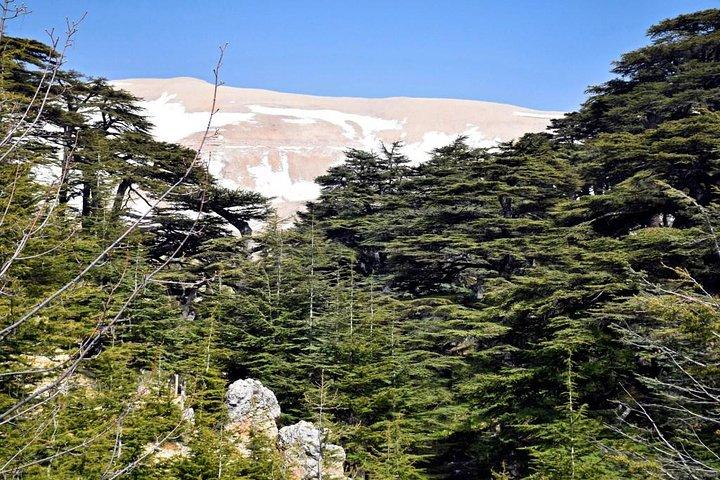
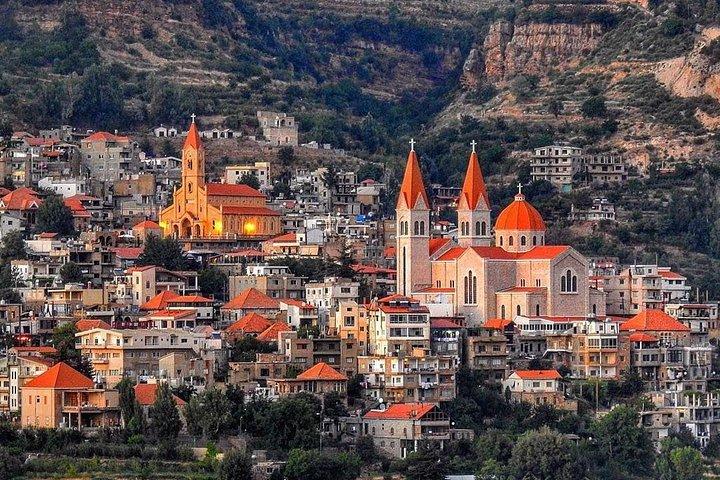
Fuggi dal trambusto della città e scopri secoli di storie nascoste in questa gita di un giorno ricca di storia. Goditi un mix di attrazioni culturali e naturali viaggiando da una località all'altra. I punti salienti includono un'antica foresta di cedri, la galleria Gebran Khalil Gebran e un eremo del XIV secolo. Un cielo azzurro brillante ci porta a Besharre. dove in alto sui monti sorge la Foresta dei Cedri. Un albero di cedro di 2000 anni nel mezzo di numerosi chioschi di souvenir copre la strada principale. Una passeggiata nel parco protetto “Cedrus Libani”. Informazioni, dettagli, miti e credenze. La tappa successiva è la galleria Gebran, situata nel centro di Besharre, i tesori iconici dell'artista libanese all'interno di questo umile monastero trasformato in una bella galleria semicurva in una gigantesca montagna rocciosa. Pochi minuti dopo scendiamo in profondità nella valle di Kadisha. Scenari mozzafiato, viste meravigliose, cascate d'acqua e forme curve nelle montagne circostanti. Un eremo e un monastero del XIV secolo, richiedeva una tranquilla osservanza.
Opzioni del tour
Itinerario
La foresta dei cedri di Dio ... Un vecchio albero di cedro di 2000 anni nel mezzo di numerosi chioschi di souvenir copre la strada principale! Sembra stupendo! Facciamo un'escursione nella foresta protetta ... "Cedrus Libani" (Cedro del Libano) è il simbolo del Libano, la terra dei cedri ... Maggiori informazioni, dettagli, miti e credenze mentre la tua guida ti accompagna durante questa bella passeggiata ...
La galleria Gebran Khalil Gebran si trova nel centro di Besharre. Chi è Gebran Khalil Gebran? Lo chiamiamo "il profeta" il suo soprannome? Quanti libri ha scritto e quante lingue sono state tradotte? Il suo famoso libro è ancora un best seller? E i suoi quadri, cosa ne pensi di loro? Tutto questo e molto altro ancora in questo umile antico monastero trasformato in una bella galleria a metà curva in una gigantesca montagna rocciosa ...
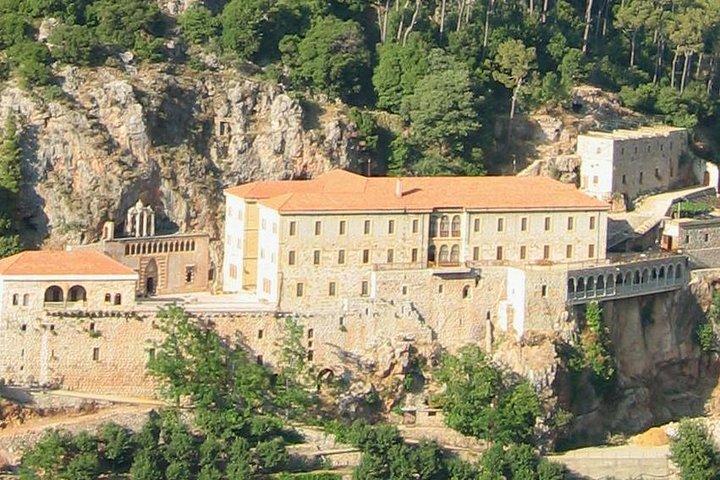
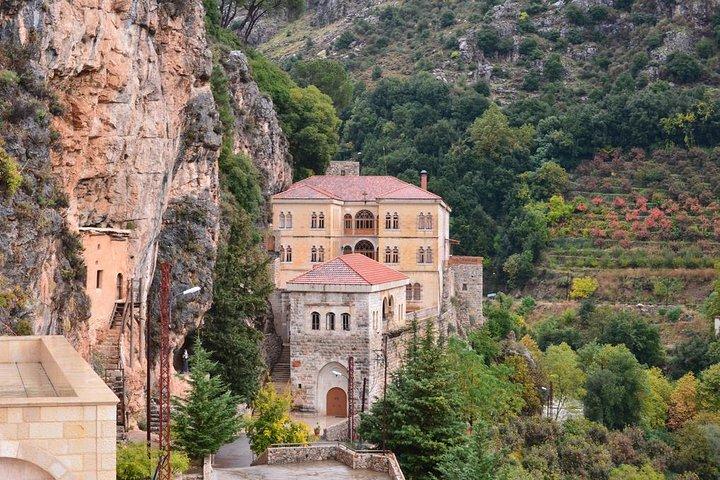
La valle di Qadisha o la "Valle Sacra" come la chiamano i locali. Paesaggi mozzafiato, viste meravigliose, cascate d'acqua (in primavera) e molte forme curve nelle montagne circostanti ... In fondo alla valle un eremo e un monastero del XIV secolo ... L'osservanza silenziosa richiedeva ...
Punti salienti
Cosa è incluso
Luoghi e orari di ritiro
Ritiriamo da tutti gli indirizzi a Beirut
Valutazioni dei viaggiatori
Informazioni importanti
- Sono disponibili seggiolini specifici per neonati
- Sconsigliato ai viaggiatori con problemi alla schiena
- Sconsigliato ai viaggiatori con problemi cardiovascolari
- Adatto a tutti i livelli di forma fisica
- I bambini devono essere accompagnati da un adulto
Recensioni(3)
After more than a decade of dreams, this trip became real, at last. I had the option to visit the largest and the oldest cedar tree forest and chose the latter. Having learnt it is located about 2000 meters above the sea level and considering it was late November, I decided to buy a warm long cardigan and a woolen shawl, and I did well. I was intrigued with the forest name; my guide (the owner of the company himself, a very experienced guide as well as a very interesting person, we had inspiring conversations for hours during the drive there and back) told me it was given by the monks who found it, and then took care of it, who could not discover the origin of this oldest cedar tree forest in Lebanon. Cedars are special trees. When they are adult, they are very resistant, strong, living for thousands of years; however, the young trees are very vulnerable and less than 10% make it to the adulthood. I set on my journey at 11 am, travelled along the coast for almost 2 hours (with a stop for the delicious Lebanese coffee), and then our car climbed the mountains for another hour or so. The seaside temperature was about +23°C, but it dropped to +10°C in the mountains. This was in places with the sunshine. In the shades of the forest, the temperature went even lower and in less than 20 minutes, my hands started freezing up to the point my camera failed to respond to the touch. I tried to warm my hands wrapped in the shawl and was somehow successful. The oldest cedar tree is located outside the reserve, on the top of the village; this is the tree model for the Lebanese flag (before, I used to think it was just an artistic image, only while preparing for my trip I found out there was a real tree behind, which is about 3,000 years old). The entrance to the park is free of charge, voluntary donations are welcome to support the project of re-introducing the cedars to all the Mediterranean-facing slopes of the Lebanese mountains (the cedars need the see humidity, they cannot live on the desert-facing slopes). After going some steps down, you will find yourself on a path leading you through the reserve. There are very old as well as younger trees, which raises hopes for this forest. Be ready to go uphill; in this altitude it is more difficult as one would expect. It was quiet, calm, soothing one’s mind. You will pass the church to get to the “main square” dedicated to the French poet de Lamartine who wrote many of his poems in this very forest. When the cedar on the top of the hill was killed by a lightning, a local sculptor created the poet’s image and few more sculptures in the tree remains. The cedar Trinity (pictured with a 2-storey building to show its size) is the highest part of the journey. As a surprise, the park closed at 4 pm the day I visited it, while it is supposed to be at 5 pm. I recommend checking at the entrance to avoid running to the exit. I arrived back to the hotel short before 7 pm, happy, tired, and totally satisfied. Wish you a great trip!
Thank you!