ROVINE DI TIWANAKU. Centro spirituale e politico - Cultura Tiwanaku.


Descrizione
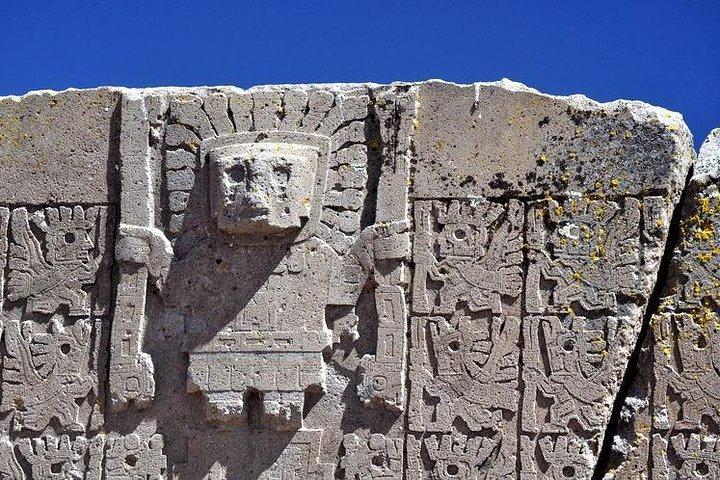
La città di Tiwanaku, capitale di un potente impero preispanico che dominava una vasta area delle Ande meridionali e oltre, raggiunse il suo apogeo tra il 500 e il 900 d.C. I suoi resti monumentali testimoniano il significato culturale e politico di questa civiltà, che è distinta da qualsiasi altro impero preispanico delle Americhe. Lo spazio pubblico - religioso di questa città è modellato da una serie di strutture architettoniche che corrispondono a diversi periodi di accessioni culturali: Tempio semi-sotterraneo, Tempio di Kalasasaya, Piramide di Akapana, Piramide di Pumapumku. Inoltre, il politico di area - ufficiale amministrativo è rappresentato da strutture come il Palazzo di Putuni e Kantatallita. Questo complesso architettonico riflette la complessa struttura politica del periodo e la sua forte natura religiosa. Il monumento più imponente a Tiwanaku è la Piramide di Akapana. Uno dei posti più popolari da visitare in Sud America.
Opzioni del tour
Itinerario
VISITA: - IL MUSEO DEL LITICO - ROVERE ARCHEOLOGICHE CERAMICHE - PUMA PUNKU
Punti salienti
Cosa è incluso
Valutazioni dei viaggiatori
Informazioni importanti
- Animali di servizio ammessi
- Sono disponibili trasporti pubblici nelle vicinanze
- I neonati devono sedere in grembo a un adulto
- Adatto a tutti i livelli di forma fisica
Recensioni(4)
A day tour to Tiwanaku with the guide Ricky was a pure rush through the museums and the site. Parts of Tiwanaku and Puma Punku were simply skipped. An hour more in total time - and the rush would not have been necessary. I really don't fly halfway around the world for that. Quick, fast and really careless. No consistent translation into English. I would not use this provider again. A real mistake and a disappointment.
This tour was sold as 4 hours actual was 9hours sold as English tour all in Spanish Never answered questions Has so much potential
Hello Jenny. 1) It takes around 4 hours to get to the historical site of Tiwanaku. This place is not located in the city centre. As you saw for yourselves, it's an important part of Andean culture. 2) We had a multinational and diverse group, we put our multilingual guide who had to speak 3 languages including English on the tour. As you may appreciate not many people (non English speaking) have the confidence to speak English. So the guide spoke in different languages to include them feel inclusive. I hope you understand. We appreciate your feedback and wish you have a brilliant time for the rest of time in Bolivia.
Fantastic place to see but would have preferred more time in the museums and less at lunch. There was so much to see but we ere walked through fairly quickly. The tour guide was a little quiet
Thank you for the review. We will get the guides to be more talkative in the right form. Appreciate the feedback.