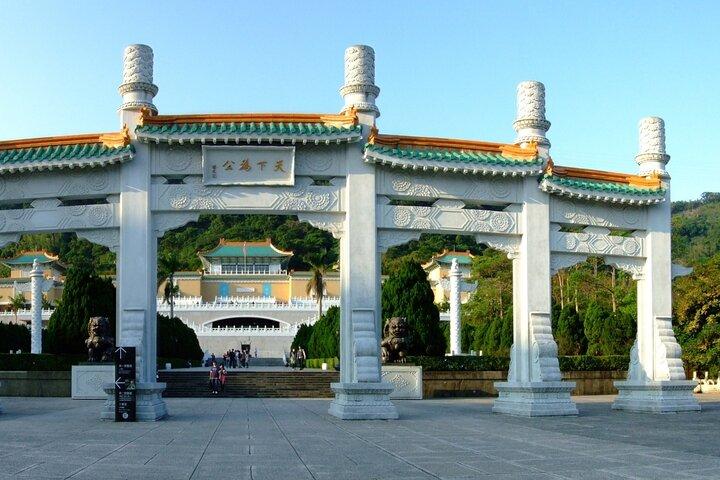
Ingresso al Museo del Palazzo Nazionale, filiale settentrionale di Taiwan



Descrizione
Scopri il Museo del Palazzo Nazionale, ramo settentrionale di Taiwan, un gioiello culturale che promette un'esperienza indimenticabile per viaggiatori di ogni provenienza e interesse. Il National Palace Museum Northern Branch ospita una sorprendente collezione di oltre 700.000 manufatti di inestimabile valore. Ospita alcuni dei più squisiti tesori storici e artistici cinesi, che abbracciano 8.000 anni di storia. Il museo stesso è un capolavoro architettonico. Il design moderno e innovativo si integra con l'ambiente naturale, offrendo un'armoniosa miscela di tradizione e innovazione. Il museo offre un'esperienza culturale coinvolgente che consente ai visitatori di acquisire una comprensione più profonda della storia e delle tradizioni cinesi. In sintesi, il ramo settentrionale del Museo del Palazzo Nazionale di Taiwan offre una miscela unica di tesori storici, bellezza architettonica, immersione culturale e un ambiente naturale tranquillo. Prenota oggi la tua visita per intraprendere un viaggio attraverso secoli di storia e cultura come nessun altro!
Opzioni del tour
Itinerario
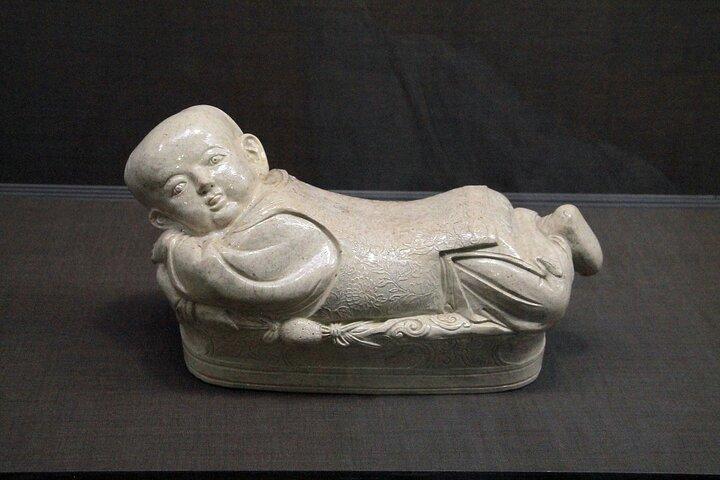
Passeggia attraverso la ricca e lunga storia della Cina con un tour di un giorno dei musei più famosi di Taiwan. Dalle splendide opere d'arte agli antichi manufatti, lasciati stupire dagli innumerevoli tesori presenti in questi edifici. Entra nel Museo del Palazzo Nazionale di Taipei dove potrai vedere l'evoluzione dell'arte cinese in oltre 6.000 manufatti dal Neolitico all'era moderna. Lasciati stupire dall'intricata calligrafia, dalle ceramiche e dai dipinti. Fai una passeggiata al Giardino Zhishan per ammirare l'armonia del feng shui e dell'architettura cinese. Il Northern Branch è concepito come un capolavoro architettonico moderno immerso nel lussureggiante paesaggio del nord di Taiwan. Si prevedeva che il design dell'edificio, sia interno che esterno, costituisse un'attrazione in sé, offrendo un'esperienza museale unica e coinvolgente.
Punti salienti
Cosa è incluso
Valutazioni dei viaggiatori
Informazioni importanti
- Accessibile in sedia a rotelle
- I neonati e i bambini piccoli possono essere portati in carrozzina o passeggino
- Sono disponibili trasporti pubblici nelle vicinanze
- I neonati devono sedere in grembo a un adulto
- I trasporti sono accessibili in sedia a rotelle
- Adatto a tutti i livelli di forma fisica
- Ramo Nord: 9:00-17:00, dal martedì alla domenica, chiuso il lunedì
- L'edificio della Biblioteca resterà chiuso il lunedì, la domenica e i giorni festivi
- Filiale settentrionale: presenta i seguenti documenti e chiedi al personale in loco di scansionare il tuo codice QR: carta d'identità di Taiwan, ISIC (carta d'identità studentesca internazionale) o APRC (certificato di residenza permanente straniero)
Recensioni(3)
As a first time visitor to Taipei, I very much enjoyed learning about the rich history and culture. The museum was a wonderful way to explore and learn.
Visited the beautiful National Palace Museum this morning. I had read the book ‘Breekbare lading’ by Adam Brookes in the Netherlands and was fascinated by that story. To see the most precious part of this cargo (read art treasures) in this museum was a special experience. The museum was just half an hour from our hotel. We bought the tickets in advance. The museum opens at 9 am and it is recommended to go early so that you can first view the showpiece, the bush pak choi with grasshopper of jade on the third floor before the crowds of tourists come. We were there at 09.30 and were just in time to photograph it quietly. You can compare the popularity of the art object to our national pride, Rembrandt's Night Watch. You will also find the most beautiful other jade objects, bronzes, scriptures, embroidered and woven landscapes, jewelry, Buddhas, tableware, vases, etc. Everything is clearly described and there is enough staff to help you. Very welcoming all although we found the interior of the building not contemporary. Beautiful museum shops. We stayed there for over three hours and were impressed. Then we walked through the beautiful garden. Below is a description of Adam Brookes’ book ‘Breakable cargo’: Adam Brookes reconstructs museum director Ma Heng’s unique sixteen-year journey to safeguard the art treasures of the Forbidden City, a journey that teaches us much about modern-day China. When Japan invaded Manchuria in 1931, fears of air strikes on Beijing grew. There were fears for the fate of the art treasures in the Forbidden City: precious porcelain, priceless silk paintings, unique calligraphies and libraries, plus ten giant stones with inscriptions considered the primordial texts of China. Ma Heng, the modest museum director, was ordered to have everything packed and taken inland. It was the beginning of an incredible journey, which would last almost sixteen years. All the while, Heng and his curators were on the road, carrying nearly twenty thousand wooden crates full of valuables. They traveled by train and steamer, in trucks, with rafts and sometimes on foot, their cargo on the backs of countless porters. So they pushed deeper and deeper into the country. The treasures ended up in caves, temples and barns, where they were tried as best as possible to keep them out of the hands of the advancing Japanese troops, and to protect them from termites, moisture, heat and cold. After the Japanese capitulation, the Chinese Civil War flared up, eventually resulting in a divided country. That would also determine the fate of the collection itself: part ended up in Beijing, another in Taipei.
The collection of bronzes and ceramics is wonderful. Since there are many items in the collection, the exhibition often changes hands. This month's special exhibition is also interesting. It is home to an unimaginably large collection of precious European and Chinese jewelry, mainly from the 19th and early 20th centuries. There were few paintings in this exhibition. All are displayed in a spacious, leisurely space, with careful commentary. There are also many benches on which you can sit, and you can enjoy them at your own pace. He often brought his own bottle and supplied hot and cold water freely. Admission is free of charge, with no checks or restrictions on bags. Flash photography is prohibited. Writing with a ballpoint pen is also acceptable. There are many attendants, but there are no small restrictions on the audience like in Japan. The restrooms are spacious and the facilities are modern and clean. The gift shop also has a Japanese catalog. If you have written a postcard, you can also buy stamps at a nearby post office and put them in the green box designated for the National Palace Museum. By the way, you can also exchange money at the post office. Walking around the wonderful gardens of the adjacent Charitable Garden leads to the National Palace Museum without climbing stairs.