Charleston in 3 Days: An Itinerary That Actually Works

At 8:15 in the morning on East Bay Street, the only sounds are a street sweeper, a church bell and the hooves of the first carriage horse of the day being walked to the barn. The thirteen houses of Rainbow Row are in shadow, the piazzas of the Battery mansions are empty, and for about an hour Charleston looks the way it does in the photographs. By ten the carriages are running, the walking tours have started and the City Market is selling sweetgrass baskets to four cruise ships' worth of people. This plan uses that hour, and then uses the rest of the day for the things the cruise passengers never reach.
Charleston is small, flat and made for walking, and its history is deeper and darker than the pastel facades suggest: nearly half of all enslaved Africans brought to North America landed within a mile of where you will be standing. The best tours say so; the worst pretend otherwise. Three days is enough for the historic district, the harbor, one plantation and one day for the water and the food. Here is how.
Before you land: book three things, choose one carefully
- A walking tour for the first morning. The two-hour guided sightseeing walk, about $30 and rated 4.9 by nearly 7,000 people, is the standard first move and the right one. If you want more depth, the three-hour walk led by a history professor from The Citadel, about $40, is rated a straight 5.0 and is the tour I would take on a second visit.
- Fort Sumter. The ferry from Liberty Square runs on a fixed schedule with limited seats, about $43 for the round trip and an hour on the island, and the morning boats sell out in spring. Book it for day two.
- A plantation, chosen with care. There are four within 30 minutes and they are not interchangeable (more on this below). Magnolia with transport from downtown, about $96, is the easy option if you have no car; McLeod, on James Island, is the one that tells the story of the people who did the work. Decide before you arrive.
- Skip the City Market as anything more than a ten-minute walk-through. The sweetgrass baskets are real Gullah craft and worth buying; the rest is T-shirts.
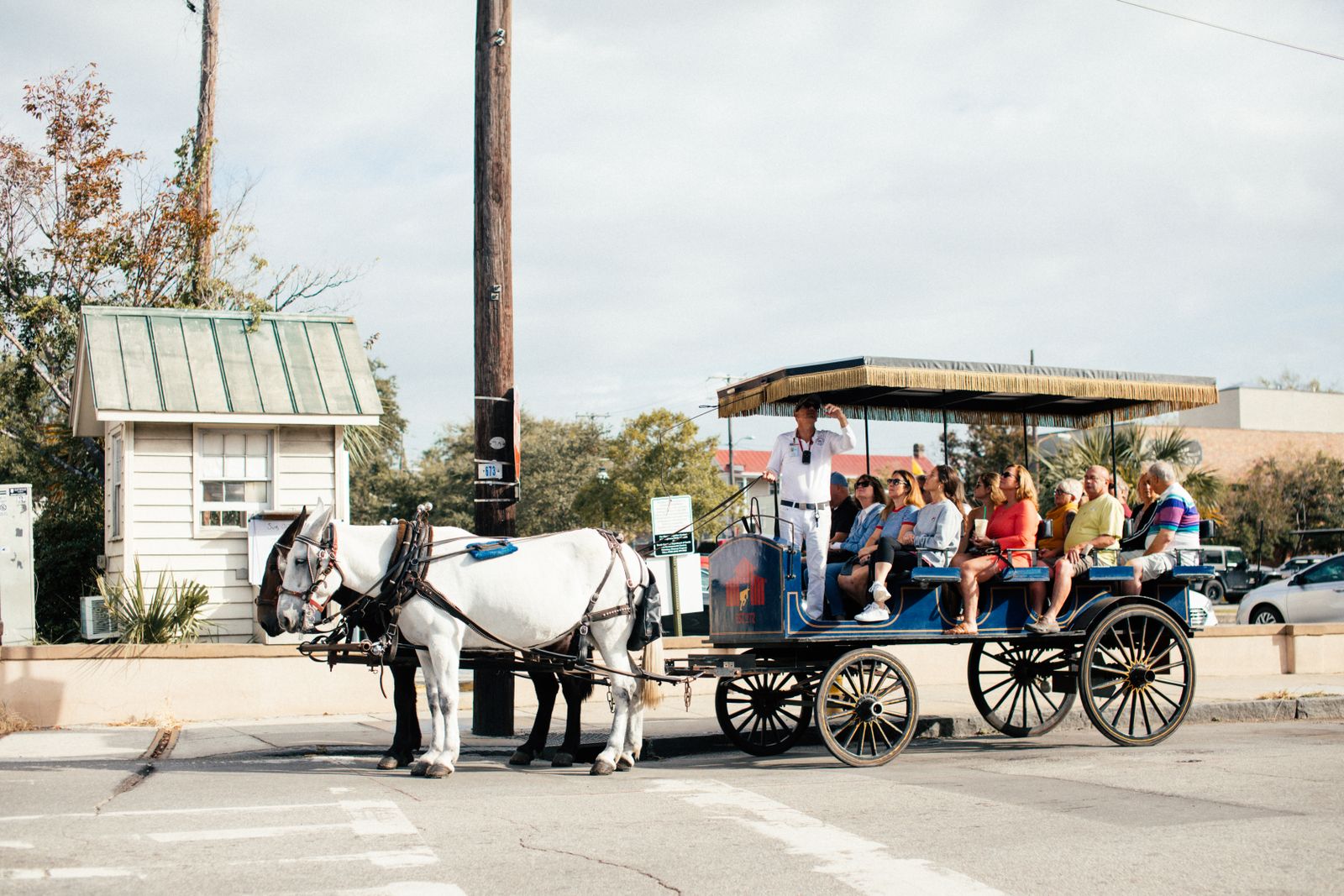
- Skip the carriage in the heat. The carriage tours are charming, about $50 for an hour, and the horses are well looked after, but in July at 2pm nobody is enjoying it, least of all the horse. Take one at 9am in spring or fall, or take the haunted evening version, about $42, when the streets are dark and the guides are at their best.
Stay south of Calhoun Street in the historic district if the budget allows, or in Cannonborough-Elliotborough just north of it, where the restaurants are better and the rooms are cheaper. Either way you will walk everywhere for three days.
Day 1: the peninsula on foot
Morning: the walk that explains everything
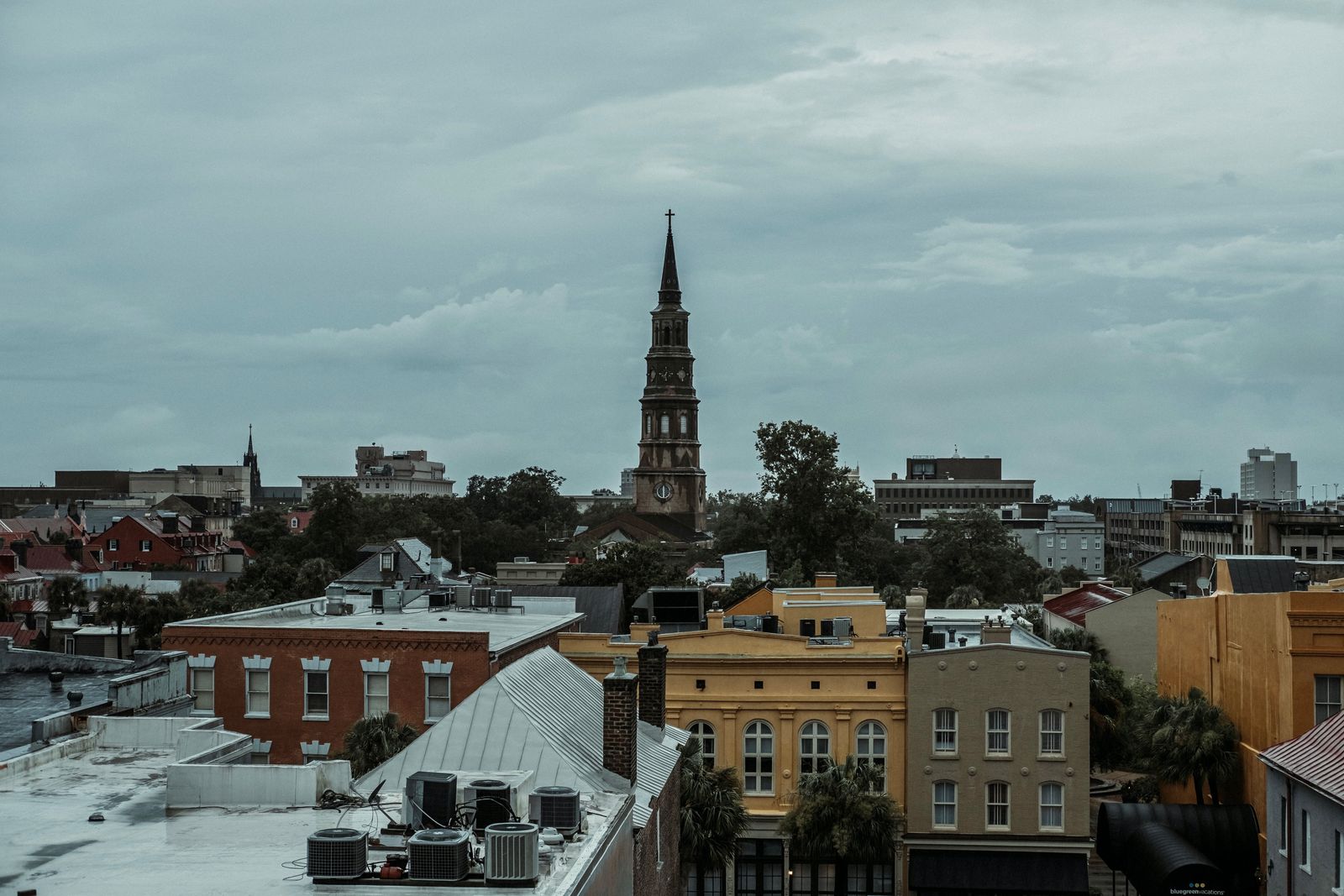
Start at the Battery, the seawall promenade at the tip of the peninsula, where the antebellum mansions face the harbor and Fort Sumter is a low line on the horizon. The guided sightseeing walk covers the Battery, Rainbow Row, the Four Corners of Law, the churches that gave the city its Holy City nickname, and the alleys and hidden gardens off Church and Tradd Streets. Two hours, easy pace, and a guide who will tell you which of the iron gates were made by Philip Simmons, the Black blacksmith whose work is all over the city.
 Historic Charleston Guided Sightseeing Walking TourCheck availability on Viator →
Lunch: shrimp and grits, first attempt
You will eat shrimp and grits at least three times in three days, and that is correct. For the first, go somewhere on East Bay or Market Street that has been serving it since before it was fashionable; a proper plate with stone-ground grits and a tasso gravy runs about $20. She-crab soup is the other thing to order once.
Afternoon: the museum the city needed
Walk north along the waterfront to Gadsden's Wharf, where an estimated 100,000 enslaved Africans were landed, and the International African American Museum that opened on the site in 2023. It is the most important building in Charleston and the one that reframes everything else you will see; give it two hours and check current hours and ticket prices before you go. If it is closed on your day (it typically is one day a week), the Old Slave Mart Museum on Chalmers Street, small and unsparing, is the alternative. The two-hour Lost Stories of Black Charleston walk, about $40 and rated 4.9, covers the same history through the streets and is the second-best tour in the city.
 Lost Stories of Black Charleston Walking TourCheck availability on Viator →
Evening: the ghosts, chosen well
Charleston has more ghost tours than churches, and most are the same script. The one with the graveyard is the exception: 90 minutes, about $36, and it ends inside the Unitarian churchyard after dark, which is otherwise locked and is one of the most beautiful and unsettling places in the city. Book the 9pm departure. Dinner before it, on Upper King Street, where the city eats now; our ghost tours page has the alternatives if this one is full.
Day 2: the harbor and a plantation
Morning: Fort Sumter
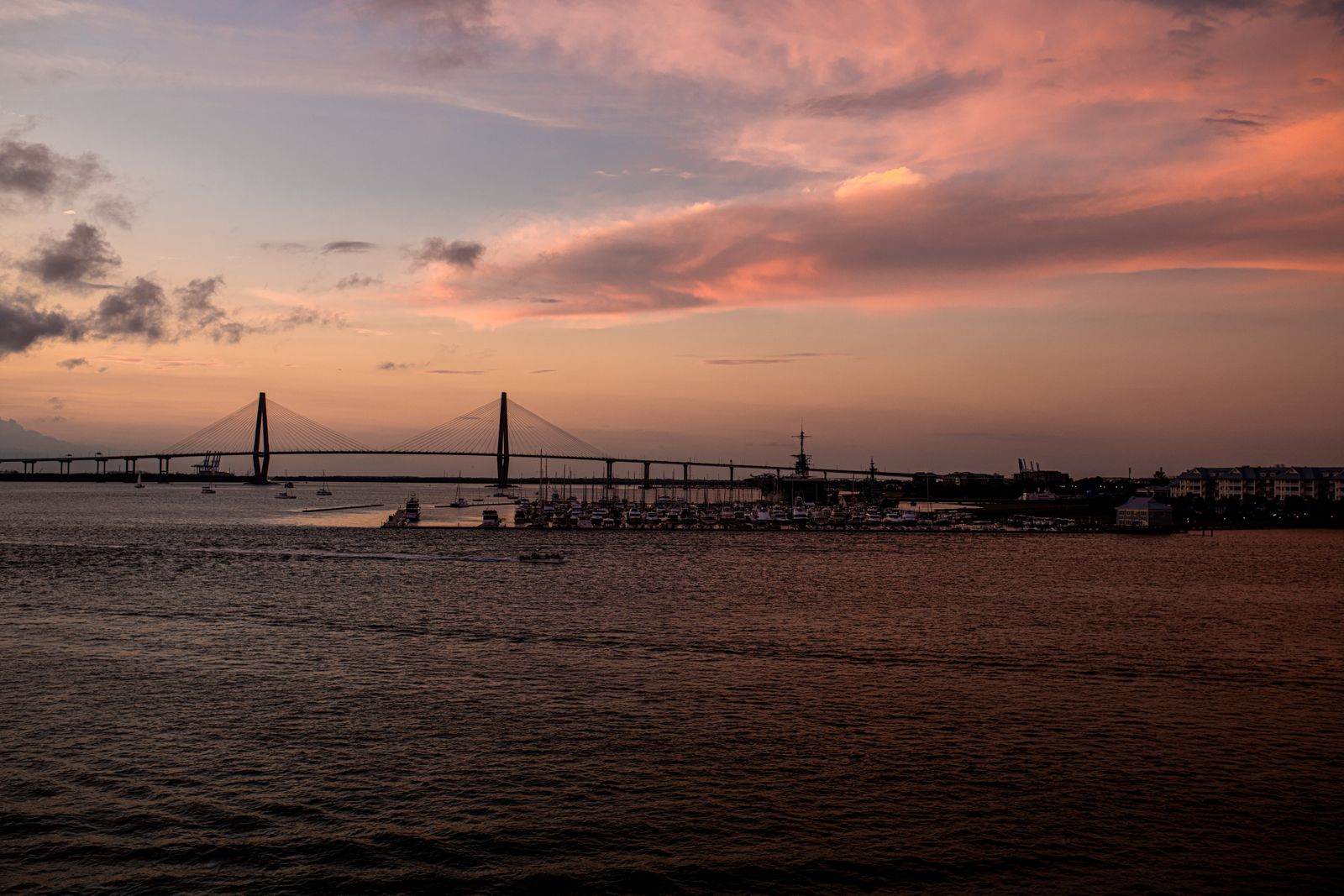
The ferry leaves from Liberty Square by the aquarium and takes 30 minutes each way, with a narrated crossing past the Battery and the Ravenel Bridge. The fort itself is a ruin: the walls that were 50 feet high in April 1861, when the first shots of the Civil War were fired at it from the shore batteries you can see all around you, are one story now, pounded flat by four years of Union bombardment. Rangers give a talk on arrival; take it, then walk the walls. The whole trip is about two and a half hours and around $43.
 Fort Sumter Access and Self-Guided Tour with Roundtrip FerryCheck availability on Viator →
Afternoon: which plantation
This is the decision that shapes the trip, so here is the honest version. Magnolia is the gardens: 60 acres of azaleas and camellias, a swamp boardwalk with alligators, and a house that is the least interesting part. It runs an excellent tour of the surviving slave cabins called From Slavery to Freedom; take it. Middleton Place has the oldest landscaped gardens in the country, the butterfly lakes, and a serious approach to the enslaved community. Boone Hall has the Avenue of Oaks from every film you have seen, a Gullah presentation, and the most commercial feel. McLeod, run by the county parks, has no grand house tour at all; it is a 45-minute guided walk that centers the enslaved and freed families who lived there into the 1990s, and it is the one that stays with people. If you have no car, Magnolia with transport from downtown, about $96 for four and a half hours, is the practical choice and a good one; if you do, spend the morning at McLeod and the afternoon in Magnolia's gardens. Our plantations page compares them all.
 Magnolia Plantation Admission & Tour with Transportation from CharlestonCheck availability on Viator →
Evening: Shem Creek
Drive or rideshare across the Ravenel Bridge to Mount Pleasant and Shem Creek, where the shrimp boats tie up behind the restaurants and the dolphins come in on the tide. Sunset from the boardwalk, then shrimp that were in the water that morning. This is the second plate of shrimp and grits. If you would rather see the sunset from the harbor, the narrated sunset cruise from the aquarium wharf, about $45 for 90 minutes, passes the fort, the bridge and the Battery in the best light of the day; see our harbor cruises page.
Day 3: the food, the water and the oak
Morning: a food tour that teaches
The downtown food tour, about $110 for two and a half hours and rated 4.7 by 1,500 people, is the way to understand why Charleston became the food city of the South: benne wafers, Carolina Gold rice, okra soup, the Gullah kitchen that underlies all of it. The brunch version, biscuits and shrimp and grits (the third plate) with 4.9 stars, is the one for people who would rather eat breakfast for three hours. Compare them on our food tours page.
 Downtown Charleston Food TourCheck availability on Viator →
Afternoon: the beach, or the tree
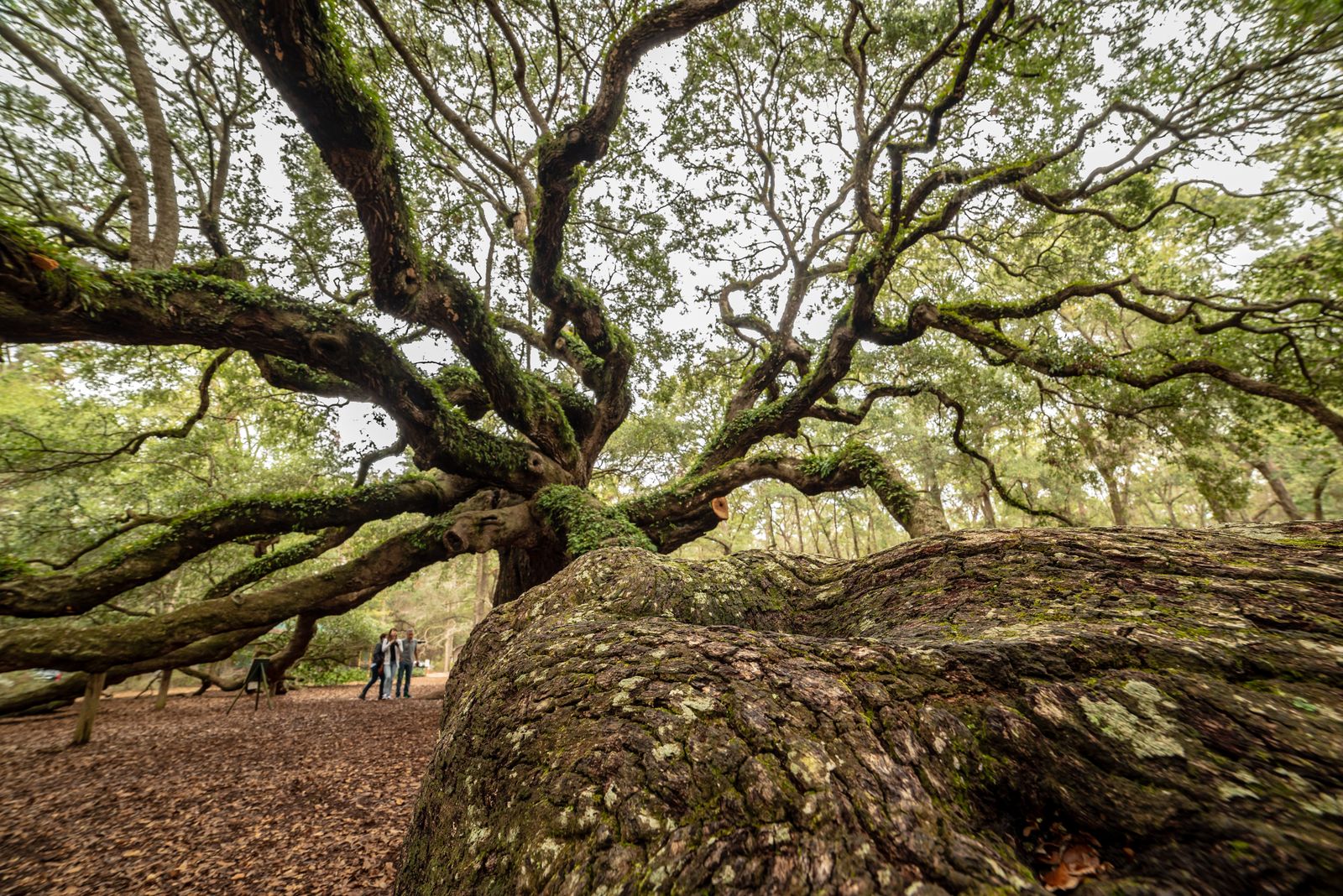
Sullivan's Island, 20 minutes across the bridge, is the locals' beach: wide, quiet, with Fort Moultrie at one end, where Edgar Allan Poe was stationed as a private in 1827. Folly Beach, 20 minutes the other way, is the surfers' one, with a pier and a livelier strip. On the way to Folly, stop at the Angel Oak on Johns Island, a live oak somewhere between 400 and 500 years old whose limbs rest on the ground and shade 17,000 square feet; it is free, it takes twenty minutes, and it is the oldest living thing you will meet in the Lowcountry.
Evening: one last walk
Back on the peninsula, walk the Battery again at dusk, when the lights come on in the mansions and the harbor goes pink. Dinner on Upper King, or a final she-crab soup somewhere near the market. Then, if the energy is there, the haunted carriage tour: 40 minutes through the dark streets with a guide and a horse who has heard it all before.
The three days at a glance
| Day | Morning | Afternoon | Evening | Tours and tickets |
|---|---|---|---|---|
| 1 | Battery, walking tour | African American Museum or Black Charleston walk | Upper King dinner, graveyard ghost walk | about $66 to $106 plus museum entry |
| 2 | Fort Sumter ferry | Plantation | Shem Creek or sunset cruise | about $139 to $184 |
| 3 | Food tour | Sullivan's or Folly, Angel Oak | Battery at dusk, haunted carriage | about $110 to $152 |
Add $20 to $35 per meal (this is a city where the food is the point) and $15 a day for rideshares, and three days comes to roughly $500 to $650 per person before the hotel. The walking tour and the plantation are the two decisions that shape the trip; the carriage and the cruise are the ones to cut if the budget is tight.
If you only have one day, or if you have four
One day: the walking tour at nine, shrimp and grits, the African American Museum, the Battery at dusk, a ghost walk. Our Charleston in one day plan has it hour by hour.
Four days: a second plantation (McLeod if you did Magnolia, or the other way around), Fort Moultrie and the whole of Sullivan's Island, a kayak through the salt marsh at Shem Creek with the dolphins, or a day in Beaufort, 90 minutes south, which is Charleston with the volume turned down. The history and plantations plan stretches the second day to two.
Overrated, underrated, and the weather
Overrated: the City Market. Carriages in the heat. Rainbow Row after ten. Waiting an hour for a table at the restaurant everyone has heard of when the one two doors down is as good.
Underrated: McLeod Plantation. The Unitarian churchyard. Fort Moultrie. The Angel Oak. Sullivan's Island on a weekday. The Citadel professor's walk.
Weather: March to May is the reason Charleston exists in postcards: azaleas, 75 degrees, gardens at their peak, and prices to match. September to November is nearly as good and quieter, with hurricane season a real if occasional factor in September. June to August is hot and wet enough that everything on this plan should move an hour earlier and the afternoons should be indoors or on the water. December to February is mild, 50s and 60s, empty and cheap, and the historic district with a fire lit in the bar is not a bad place to spend a winter weekend. Late May into June brings the Spoleto arts festival and full hotels.
Questions people ask before going
Is three days enough for Charleston?
Yes. The historic district is a mile square, the harbor and a plantation each take half a day, and the third day is for the beach and the food. A fourth day adds a second plantation or Beaufort; a week is a Lowcountry trip with Savannah at the far end.
Do I need a car?
Not for days one and two if you take the plantation tour with transport. For the beaches, the Angel Oak, Shem Creek and McLeod, a car or a series of rideshares is needed; renting one for the third day only is a reasonable compromise. Parking in the historic district is scarce and metered, so leave it at the hotel the rest of the time.
Which plantation should I visit?
Magnolia for gardens and the easiest logistics; McLeod for the most honest history; Middleton for landscape and quiet; Boone Hall for the oak avenue and the Gullah presentation. Whichever you choose, take the tour that covers the enslaved community; every one of them offers it now and it is the part that matters.
Is Fort Sumter worth the ferry?
Yes, once, for the crossing as much as the fort. The ruin itself is modest; the ranger talk and the view back at the city from where the war began are not. Book the first boat of the morning in spring, when the afternoon sailings fill.
What should I eat?
Shrimp and grits, she-crab soup, okra soup, a benne wafer, oysters in any month with an r, and a biscuit with whatever they put on it. Reservations matter on Upper King from Thursday to Saturday; on the other nights, walk in.
Where should I stay?
South of Broad for the postcard and the price; the area around King and Calhoun for restaurants and a ten-minute walk to everything; Mount Pleasant across the bridge for families who want a pool and Shem Creek. Compare every tour, walk and boat on our Charleston page.