Veuillez entrer à l'intérieur du Milan Vistor Center pour effectuer l'enregistrement
Description
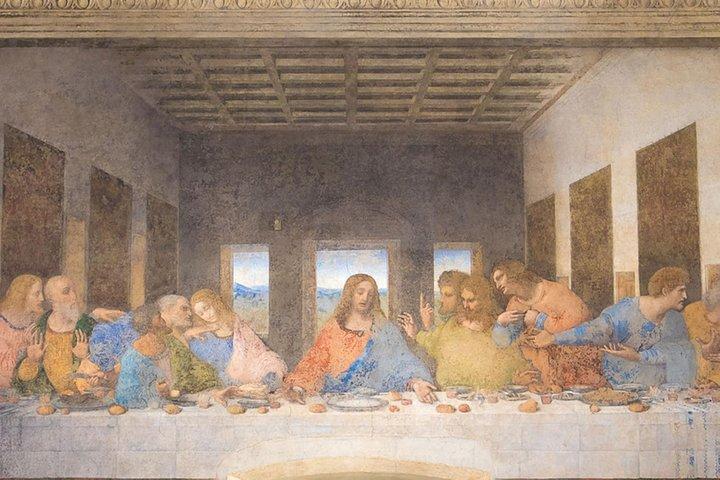
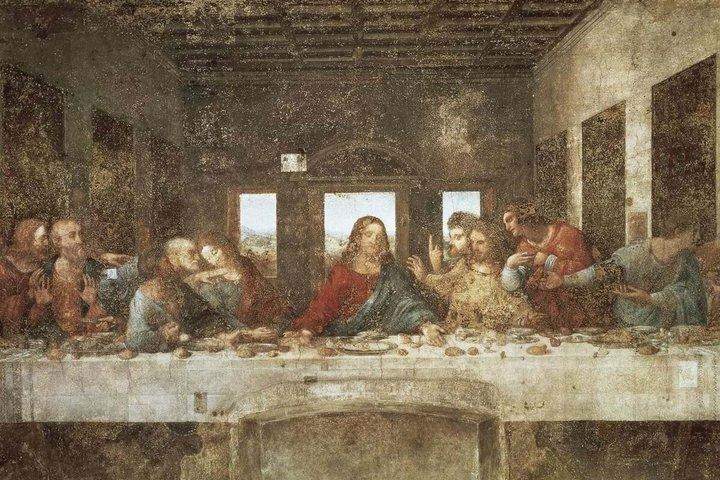
Suivez les traces de Léonard de Vinci avec un accès coupe-file à La Cène, l’un des chefs-d’œuvre les plus célèbres de Milan.
Choisissez parmi un large éventail d'expériences guidées, de la visite classique d'une heure à des visites plus complètes d'une durée maximale de 6 heures.
Selon l'option choisie, votre expérience peut également inclure l'église Santa Maria delle Grazie, le château des Sforza et la Pietà Rondanini de Michel-Ange, le musée de la Scala, la cathédrale de Milan, ou une visite à pied prolongée couvrant les principaux monuments de Milan.
Chaque option inclut La Cène, mais les itinéraires, la durée et les attractions incluses varient considérablement.
Certaines options se concentrent exclusivement sur le chef-d’œuvre de Léonard, tandis que d’autres proposent une exploration de Milan d’une demi-journée ou d’une journée.
Veuillez vérifier attentivement le titre, la durée et les inclusions de l'option avant de réserver pour sélectionner l'expérience qui correspond le mieux à vos intérêts et au temps disponible.
Options de l'excursion
Dernier repas du petit groupe + Église
RIV
Durée : 1 heure 30 minutes
Visite exclusive en petit groupe : Profitez d'une visite guidée de 1,5 heure de la Cène de Léonard de Vinci et de l'église Santa Maria delle Grazie avec max 9 invités.
Point de départ :
Via Fratelli Ruffini, 1, 20123 Milano MI, Italie
Dernière Cène - 1 h (max 9 pax)
Visite pour max 9 personnes : Cette visite est pour petit groupe pour profiter au mieux de cette expérience et avoir le temps de poser des questions à votre Guide
RIV
Durée : 1 heure
Point de départ :
Via Fratelli Ruffini, 1, 20123 Milano MI, Italie
Dernière Cène, La Scala & Duomo
ZAN
Durée : 3 heures 30 minutes
Itinéraire : Voir la Cène, visiter Milan Duomo, admirer la Galleria Vittorio Emanuele II, et découvrir la Scala lors d'une visite guidée d'une demi-journée
Bus : Vous prendrez un bus de Duomo au musée du Souper
Point de départ :
Largo Cairoli, 18, 20121 Milano MI, Italie
Dernière Cène, Duomo + City Tour
WA
Durée : 6 heures : Évitez les files d'attente et explorez les principaux sites touristiques de Milan, dont la Cène et le Duomo, avec des guides Experts en petit groupe
Faits saillants : Cène - Duomo - Château des Sforza (Michelangelo Pietà) - Église Santa Maria delle Grazie - Tour de ville
Meeint Point : Rencontrez le Guide près du grand monument Aiguille et Fil au milieu de la Piazza Luigi Cadorna
Point de départ :
Piazzale Luigi Cadorna, 8/1, 20123 Milano MI, Italie
DERNIÈRE EXPÉRIENCE DU SOUPER
CRW
Durée : 1 heure : Profitez d’un accès coupe-file à la Cène de Léonard de Vinci, avec une entrée garantie et des avis Experts d’un Guide Expert
Point de départ :
Piazza di Santa Maria delle Grazie, 20123 Milano MI, Italie
Dernière Cène - Petit groupe
CRW
Durée : 1 heure
VISITE VIP : Rejoignez un petit groupe , avec accès coupe-file, entrée garantie, et conseils Experts.
Point de départ :
Piazza di Santa Maria delle Grazie, 20123 Milano MI, Italie
Dernière Cène - Tour classique
BOL-WY
Durée : 1 heure
Point de départ :
Via Fratelli Ruffini, 1, 20123 Milano MI, Italie
Visite complète de la Cène + Église
Itinéraire : : Découvrez la Cène de Léonard de Vinci et explorez l'église historique de Santa Maria delle Grazie avec un guide expert.
RIV
Durée : 1 heure 30 minutes
Visite de la Cène + Milan
MilGUI
Durée : 3 heures : Découvrez la Cène de Léonard de Vinci et les points forts de Milan lors de cette visite à pied de 3 heures
Point de départ :
Piazza di Santa Maria delle Grazie, 20123 Milano MI, Italie
Dernière Cène + Tour de Ville
WA
Durée : 3 heures
Faits saillants : Profitez de la Cène (à l'intérieur) et d'un tour de ville comprenant le château des Sforza, la galerie Vittorio Emanuele II et le Duomo (à l'extérieur).
Point de rencontre : rencontrer votre Guide devant l'entrée de La Cène pour commencer la visite
Point de départ :
Piazza di Santa Maria delle Grazie, 20123 Milano MI, Italie
Visite de la Cène
CW
Point de départ :
Piazza di Santa Maria delle Grazie, 20123 Milano MI, Italie
Dernière Cène 1 - heure Tour
RIV
Durée : 1 heure
Visitez le tableau de la Cène : Cette option n'inclut pas la visite de l'église. Vous pourrez encore voir l'église à sa réouverture.
Point de départ :
Via Fratelli Ruffini, 1, 20123 Milano MI, Italie
VIP Dernière Cène + Visite du Dôme
WA
Durée : 2 heures 30 minutes
Exclusive Tour : Un circuit luxueux avec accès exclusif coupe-file à la Cène et au Duomo — pour une expérience milanaise vraiment raffinée
Petit groupe : Max 8 personnes
Point de départ :
Piazza di Santa Maria delle Grazie, 20123 Milano MI, Italie
Visite de la ville + Cène (3h)
VED
Durée : 3 heures
Faits saillants : Profitez de la Cène (à l'intérieur) et d'un tour de ville comprenant le château des Sforza, la galerie Vittorio Emanuele II et le Duomo (à l'extérieur).
Points de départ :
P.za del Duomo, 4, 20122 Milano MI, Italie
Piazza di Santa Maria delle Grazie, 20123 Milano MI, Italie
Visite classique de la Cène
TOI
Durée : 1 heure
Point de départ :
Piazza di Santa Maria delle Grazie, 20123 Milano MI, Italie
Dernière Cène + Michelangelo Pietà
AUT
Durée : 3 heures : Admirez la Cène de Léonard et la Pietà de Michel-Ange lors d'une grande visite, y compris Santa Maria delle Grazie et le château des Sforza.
Faits saillants : : Château des Sforza (coutryards) - Pietà de Michel-Ange - Église Santa Maria delle Grazie - Cène de Léonard
Point de rencontre : Découvrez notre Guide sur Piazza Castello 1
Point de départ :
Autostradale Viaggi, Piazza Castello, 1, 20121 Milano MI, Italie
Dernière Cène, Duomo + Milan Tour
VED
Durée : 6 heures : Découvrez les points forts de Milan en une journée avec un Guide local. Découvrez des histoires cachées et profitez d'une promenade animée à travers la ville.
Faits saillants : Visitez la Cène, Santa Maria dell Grazie, le Duomo, le château des Sforza (à l'extérieur) San Maurizio al Monastero Maggiore et plus encore
Point de rencontre : Rencontrez notre Guide à Piazzale Luigi Cadorna 14 (sur le côté droit de l'entrée de la gare de Cadorna, près du bar MARINONI)
Point de départ :
Piazzale Luigi Cadorna, 14, 20123 Milano MI, Italie
Itinéraire
Il Cenacolo
Entrée incluse15 min
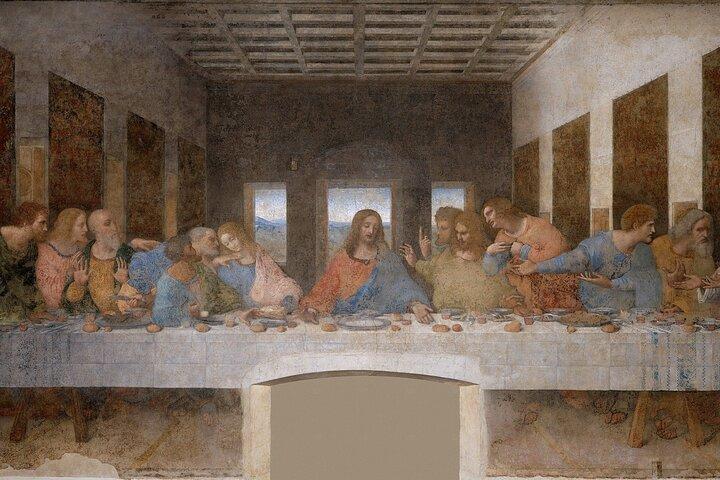
La fresque la plus célèbre de Milan, La Cène de Léonard de Vinci, est cachée sur un mur du réfectoire attenant à la basilique Santa Maria delle Grazie. Représenter Jésus et Ses disciples au moment dramatique où Il révèle qu'Il est conscient de la trahison, c'est une étude psychologique magistrale et l'une des images les plus emblématiques du monde.
Santa Maria delle Grazie
30 min
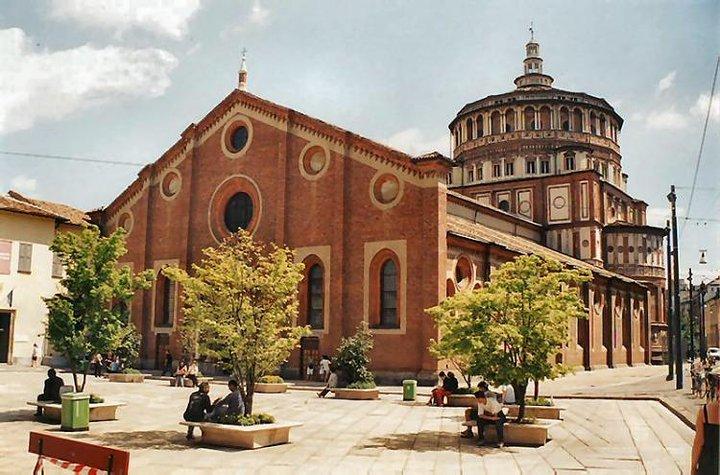
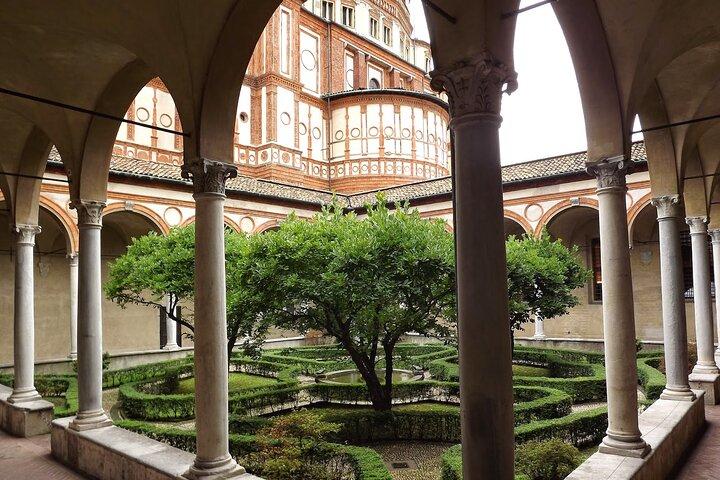
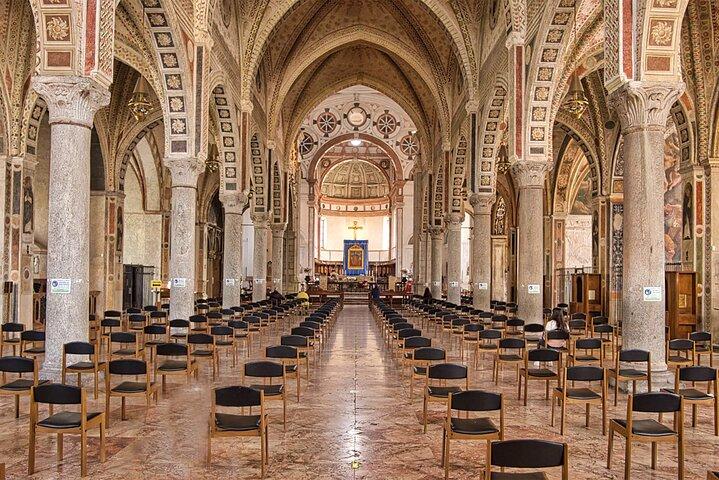
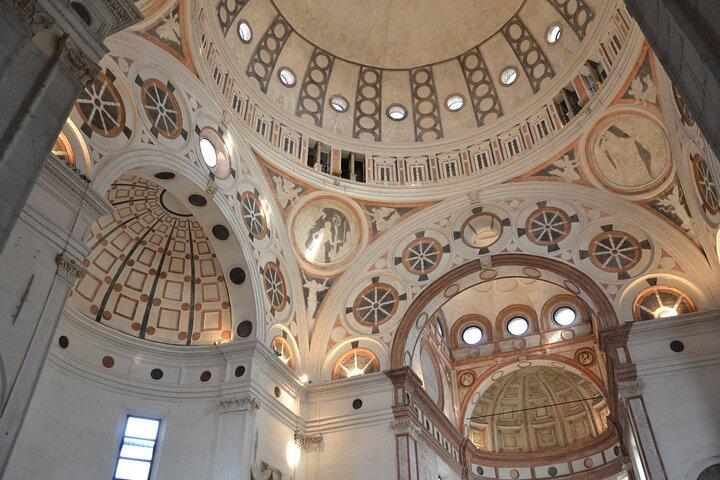
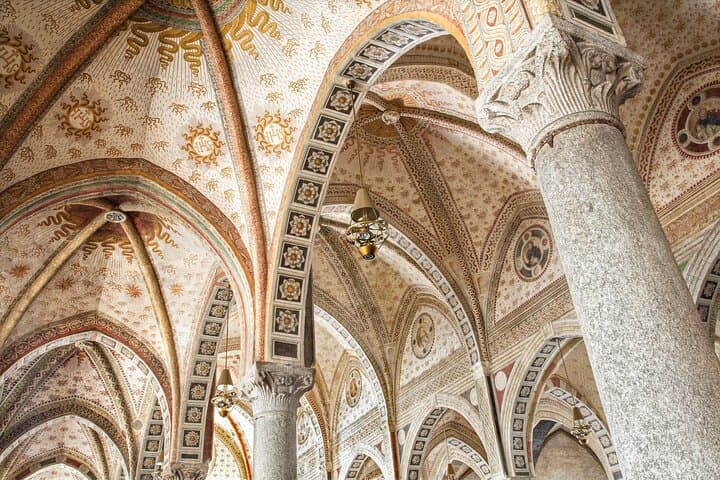
Santa Maria delle Grazie, classée au patrimoine mondial de l'UNESCO et témoignage exceptionnel de l'architecture de la Renaissance à Milan. Conçue par Guiniforte Solari en 1463, avec des ajouts ultérieurs de Bramante, cette superbe église lombarde résume la magnificence de la cour milanaise de Ludovico Sforza et Béatrice d’Este. La vue de l'Église peut se faire juste de l'extérieur si l'Église est fermée. L'église est fermée entre 12 h 50 et 15 h
Ce qui est inclus
Inclus
Tous frais et taxes
Billet coupe-file
Guide agréé et Casques pour entendre clairement le Guide
Pietà de Michel-Ange (si vous avez choisi cette option)
Visite de la ville de Milan (si vous avez choisi cette option)
Visite de l'église à l'intérieur (lorsque l'église est ouverte et incluse dans votre option)
Non inclus
Nourriture et boissons
Transport privé
Visite interne de l'église (lorsque l'église est fermée ou non incluse dans votre option))
Avis des voyageurs
4.4
333 avis
5
246
4
34
3
19
2
8
1
26
Informations importantes
Transports en commun disponibles à proximité
Convient à toutes les conditions physiques
La disponibilité des spectacles ne peut être vérifiée sans réservation.
Les cartes de crédit ne seront débitées que sur confirmation de la disponibilité du spectacle
Fonctionne dans toutes les conditions météorologiques, veuillez vous habiller correctement
Un code vestimentaire est requis pour entrer dans les lieux de culte et certains musées. Pas de short ni de haut sans manches autorisés. Les genoux et les épaules DOIVENT être couverts pour les hommes et les femmes. Vous risquez de vous voir refuser l'entrée si vous ne respectez pas ces exigences vestimentaires
Apportez l'identité de chaque personne participant à la visite
Vous n'avez pas besoin d'échanger le billet avant le début de la visite
La visite le mercredi à 16h30 et le vendredi à 12h00 est bilingue (Anglais et Italien)
Annulation
Toutes les ventes sont définitives. Les annulations ne donneront lieu à aucun remboursement.
0+ jours avant0% remboursé
Avis(333)
M
Mark_M
September 26, 2026
I was *very* unsure what...
I was *very* unsure what I was buying online via Viator, other than seeing The Last Supper. I am so happy to leave this review to let others know, 1) this can be trusted, 2) the tour we had (Palace, history, walking, Last Supper) was very good (3 hrs).
K
Kathryn_V
September 24, 2026
Disappointed
It was a disaster. I booked on line for a 3:00 pm tour then the tour guide contacted me and changed it to 4:30 pm. Which was fine. I contacted the guide to confirm the night before and he confirmed the time, date and location. We showed up 30 minutes before the tour and waited. There was another Viator tour at the same time but we were not on the list. I tried contacting the guide without success. Finally had to contact the toll free number and talk to an agent for 20 minutes. They said there was some confusion. There was no communication to us at all about any of this. The stress of figuring out our next steps was exhausting. We had to explain to the ticket office and show them our voucher, which said 3:00 ( the guide was suppose to bring our new voucher and tickets for 4:30) Fortunately they honored our voucher and gave us two tickets which was an hour later then hour planned tour-5:30pm. NO SHOW, NO COMMUNICATION and not a guarantee to see the Last Supper. Very disappointed.
Réponse de l'opérateur
We sincerely apologise for the scheduling error and the stress and inconvenience it caused.
Our team did everything possible to resolve the situation. Our main priority was to ensure that you could still see The Last Supper, and we ultimately secured your admission. We also immediately issued a full refund, so you were able to visit at no cost.
We remained in communication during the process, although we recognise that the assistance you received did not meet your expectations. Ensuring your admission and refunding your booking were our efforts to put things right, but we understand that they do not erase the disappointment of missing the guided experience you had booked.
We take responsibility for the error and sincerely apologise for letting you down.
T
tmdelmar
September 22, 2026
So happy to see Davinci’s Last Supper! We learned so much from our guide and felt we she explained in depth everything s
Excellent guide who was well informed and very friendly and knowledgeable. This site has problems it is not transmitted
T
tmitch09
September 21, 2026
Great trip
great experience. booked last minute glad was able to get worked out
H
hanyid2018
September 20, 2026
Poor experience
The operator is unreachable; too much stress for a supposedly relaxing trip
Q
Q8155MIpaule
September 20, 2026
Da Vinci's Last Supper was a highlight of our time in Milan
our guide was Arabella, she took good care of our group ensuring we were all together explaining what was needed to comply with the entrance requirements. Her love of the subject was apparent in her detailed talk. You only get 15 minutes to view the painting but it was worth it, I found the experience emotional.
M
MaryAnn_S
September 20, 2026
Amazing to see in person!...
Amazing to see in person! Great tour of area. Super guide, very knowledgable with great insights!! A must see in Milan!
J
Jill_B
September 19, 2026
Don’t miss this one!
this was well worth the money. Our tour guide was so informative and spoke perfect English.
we also got hearing devices which made it easy to hear our guide and block out the others.
3
304kennethg
September 19, 2026
Bad
Would never book with Trip Advisor again. United cancelled our flight and rescheduled us for the next day. We missed the tour by two hours. Trip Advisor would not reschedule us or give us a refund. Very unfair since none of this was our fault. Will not book again and I have previously used Trip Advisor for about 20 trips in many countries!
W
Wynelover
September 18, 2026
Best of Milan!
After not being able to purchase single tickets to see the Last Supper I researched for a walking tour of Milan with included viewing ofThe Last Supper. Our tour guide Danniela was so knowledgeable and taught us so much of the history of Milan. He was kind and engaging with the group. I recommend this tour!
Comparer des visites similaires à Milan
Le moins cher: Leonardo Da Vinci's Last Supper Guided Tour in Milan — $69
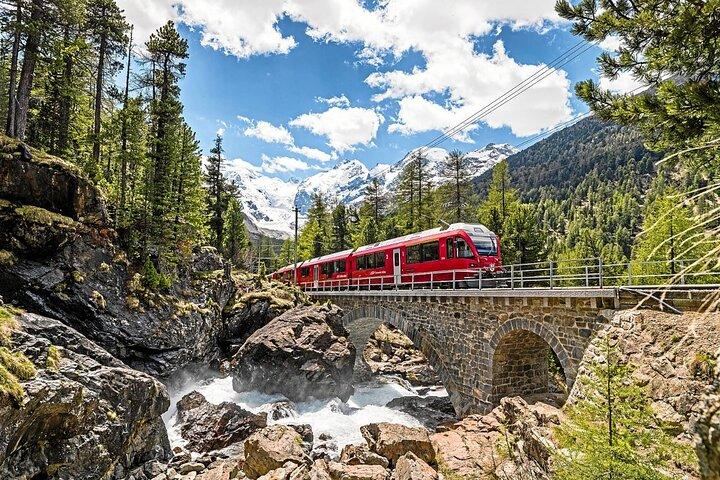
Le mieux noté: Bernina Red Train, Swiss Alps & St Moritz From Milan — 4.8 (3,805 avis)
Le plus court: Milan: Da Vinci Last Supper Skip-the-Line Guided Tour — 1 heure