Chicago in 3 Days: An Itinerary That Actually Works

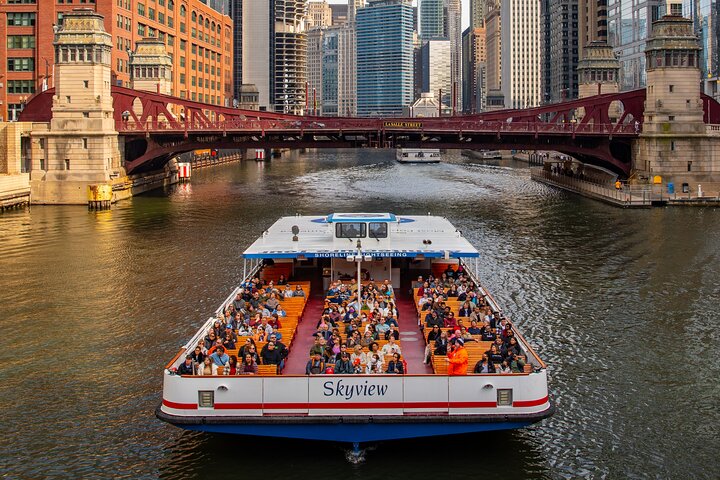
It is 9:40 on a Tuesday morning and the first architecture cruise of the day is pulling away from the Riverwalk dock under the DuSable Bridge. You are either on it, coffee in hand, or you are on the bridge above it watching it go and wondering why the 10:00 boat already says sold out. Most of what goes wrong in Chicago comes down to that one difference. This plan is built around it: book the handful of things that sell out, walk to everything else, and ride the L when your feet give up.
I grew up on the South Side and I still do this loop with every friend who visits. It fits into three real days, not three 14-hour marches, and it leaves room for the thing that makes Chicago good, which is standing on a bridge with nothing scheduled for an hour.
Before you land: three things to book, one thing to skip
Chicago has 520+ bookable tours and tickets, and you need about four of them. Everything else on this itinerary is free or costs a train fare.
- The architecture river cruise. This is the single best thing in the city and the one that sells out in summer, especially the late-afternoon boats. Book it before you book your hotel. The architecture cruise options all follow the same river; the differences are the boat, the docent and the price.
- An observation deck at sunset. The Skydeck at Willis Tower or 360 Chicago at the old Hancock. Both use timed entry, and the sunset slots are the first to go. Compare the two on our observation decks page before you decide.
- One food tour. Not because you cannot find deep dish alone, but because a good guide gets you an Italian beef, a Chicago dog and a slice in three hours without three separate lines.
- Skip the hop-on-hop-off bus. It rates a 3.9 on Viator for a reason. Downtown Chicago is flat, gridded and walkable, and the elevated L train is the best $2.50 tour in America (check the current fare). Put the $49 toward the cruise instead.
Get a Ventra card or use tap-to-pay on the L and buses, and stay in the Loop, River North or near the Magnificent Mile so that every morning starts within a 15-minute walk of the river.
If you take one recommendation from this whole article, make it this boat. The Chicago Architecture Foundation's docents are volunteers who study for months, and it shows.
 Chicago Architecture River CruiseCheck availability on Viator →
Day 1: The Loop, the river and the reason people come here
Morning: Millennium Park before the crowds
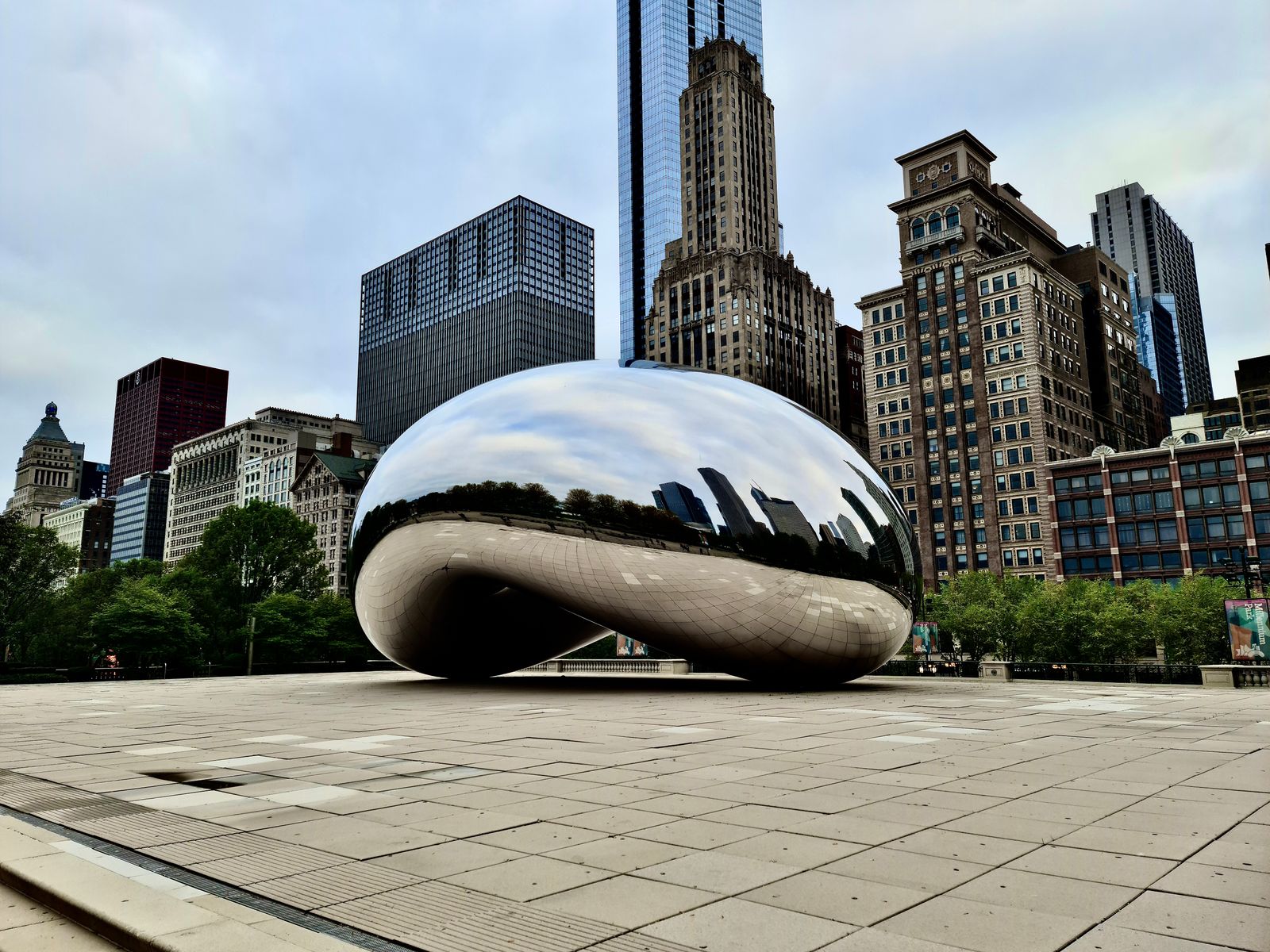
Be at Cloud Gate, which everyone calls the Bean, by 8:00. You will share it with joggers and two wedding photographers instead of four hundred people. Walk through Crown Fountain, cross the BP Bridge into Maggie Daley Park for the skyline view back over the park, then come back along Michigan Avenue to the Art Institute for opening time (check current hours and buy a timed ticket).
Give the Art Institute two and a half hours, not five. Go straight to the Impressionists on the second floor, then Nighthawks and American Gothic in the American wing, then the Thorne Miniature Rooms in the basement, which are the thing nobody plans to see and everybody talks about afterward. Leave while you still like museums.
Lunch: an Italian beef, standing up
Chicago's real sandwich is not the hot dog, it is the Italian beef: thin-sliced roast beef, its own gravy, hot giardiniera, ordered dipped so the bread gives up. The old-school stands in River North and the West Loop serve it at a counter with no chairs. You eat leaning forward. Budget $12 to $15 and twenty minutes.
Afternoon: the river, then the Riverwalk
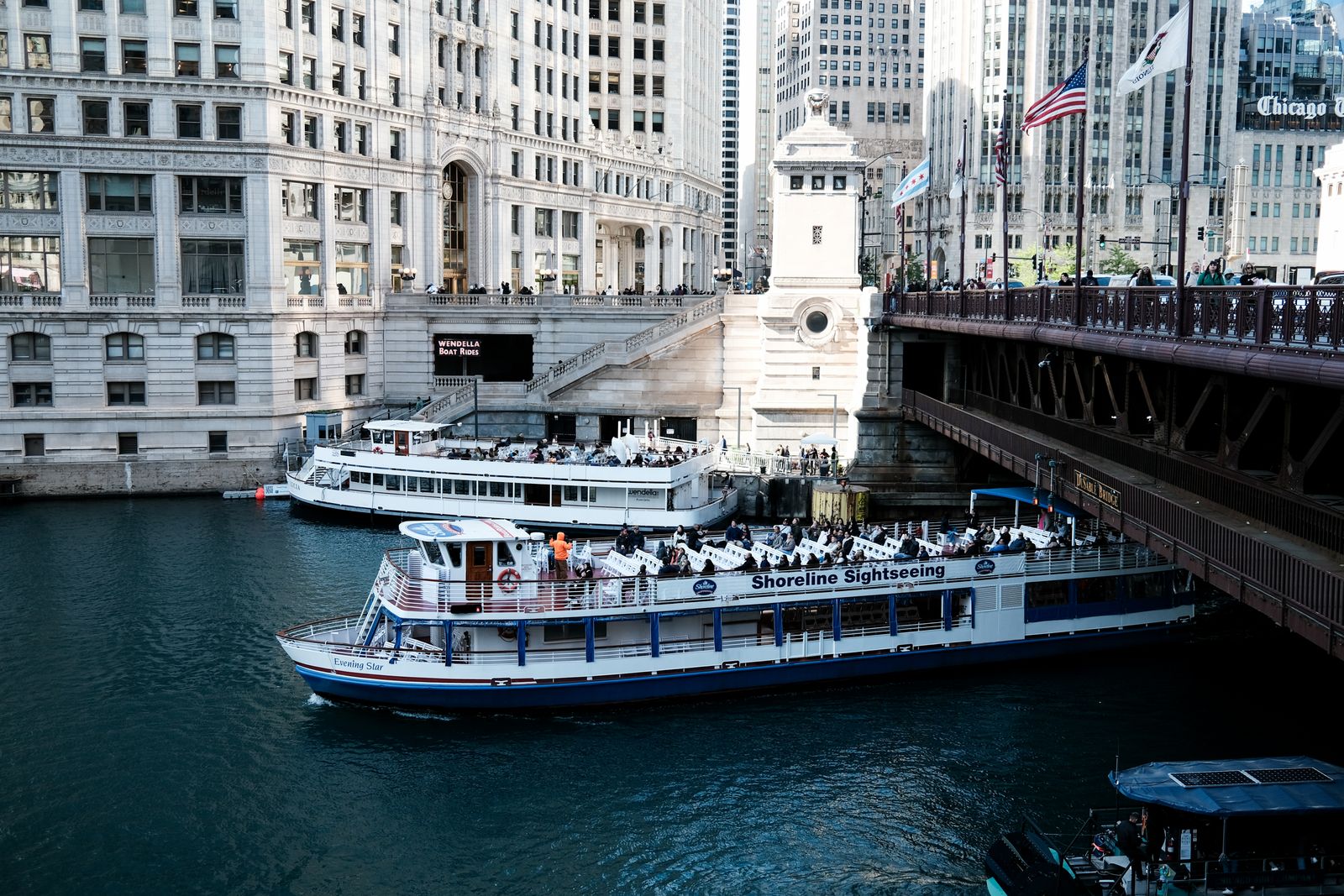
Take a 2:00 or 3:00 cruise. Ninety minutes on the water explains the city better than any museum: why the river flows backward, why the Marina City corncobs look the way they do, why every 1920s tower steps back like a wedding cake. Afterwards, walk the Riverwalk east from the dock to the lake. It is a mile of cafes, kayak rentals and bridge houses, and by 5:00 half the Loop is down there with a drink.
Evening: sunset from 1,353 feet, then deep dish
Book a Skydeck slot 45 minutes before sunset so you see the city in daylight, at golden hour and lit up, all in one ticket. The glass Ledge boxes have a line even with timed entry; the view is the same from the window beside them.
 Skydeck - Willis Tower AdmissionCheck availability on Viator →
Deep dish takes 35 to 45 minutes to bake, so order it the moment you sit down or call it in ahead where the restaurant allows. One small pie feeds two people who think they are hungry. Locals argue about Lou Malnati's, Pequod's caramelized crust and Giordano's stuffed version the way other cities argue about sports teams; you will not settle it in one night, so pick the one closest to your hotel.
Day 2: Neighborhoods, the L and one proper food tour
Morning: the $35 tour that outrates the $100 ones
Start with the architecture interiors walking tour. It costs about $35, runs two hours and has a five-star average from almost 1,800 reviews, which is higher than tours costing three times as much. You go inside the lobbies you walked past yesterday: the Rookery's light court, the Palmer House ceiling, marble and mosaic that the street gives no hint of. It is the best value in the city and it is indoors, which matters in Chicago from November to March.
 Original Chicago Architecture Interiors Tour: Dazzling InteriorsCheck availability on Viator →
Midday: eat your way through three hours
The Chicago Favorites food and walking tour is the one I send people on. Three hours, six or so tastings, and it covers the three things you actually need to eat here: deep dish, Italian beef and a proper Chicago dog with no ketchup. It runs around $85 and it replaces lunch and most of dinner. If pizza is the only thing you care about, the dedicated pizza tour at $89 does three or four styles across three and a half hours instead. Browse the rest on our food tours page if neither fits your dates.
 Chicago Favorites Ultimate Food and Walking TourCheck availability on Viator →
Afternoon: ride the Brown Line, then the lakefront
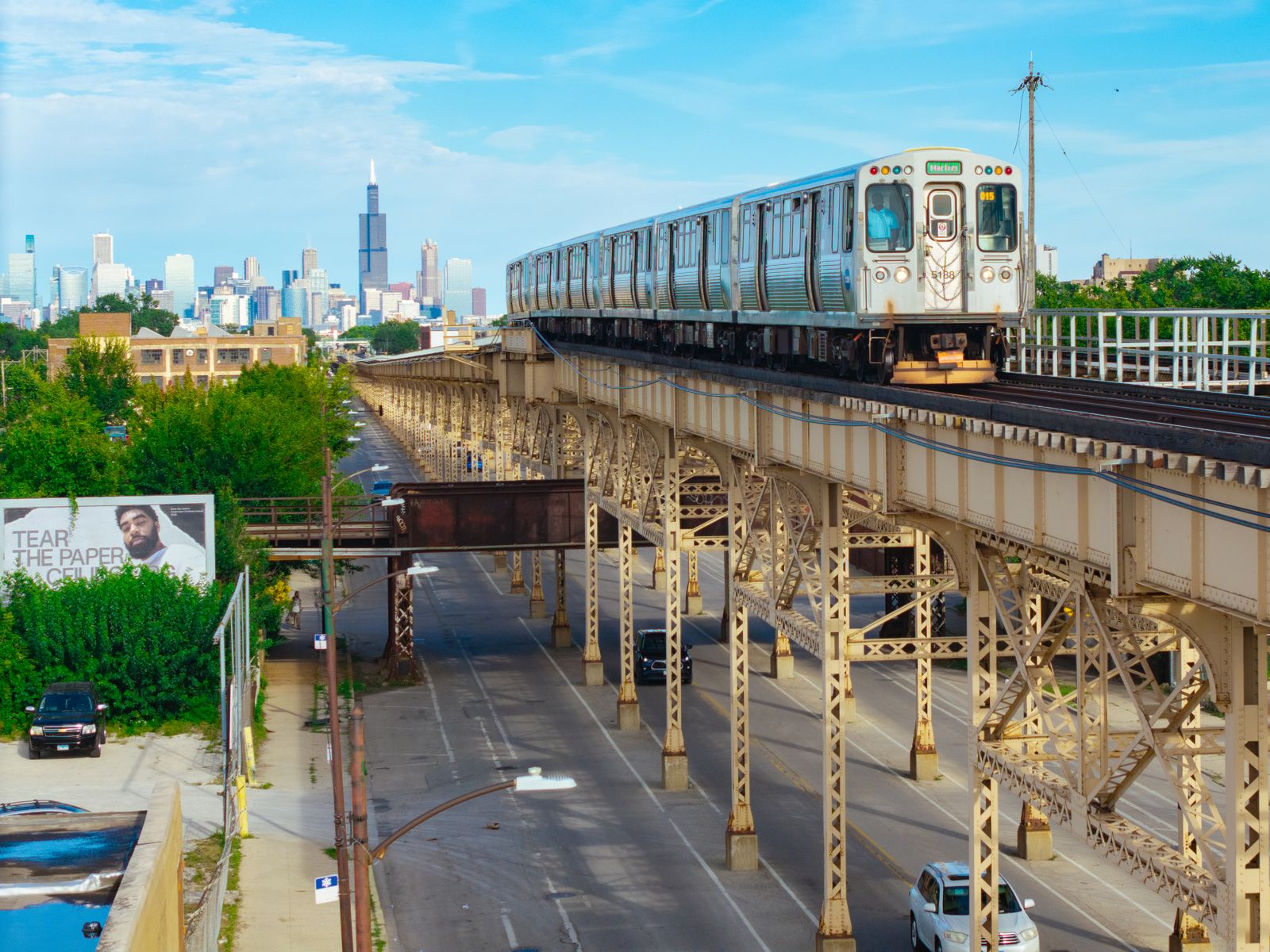
Take the Brown Line from the Loop north toward Kimball. It runs elevated through the canyon of downtown, curves around the corner at Lake and Wells inches from office windows, then rolls through three-flat neighborhoods at second-floor height. Get off at Southport or Damen for coffee and a walk. Nobody sells this as a tour and it is one of the best rides in the city.
Come back via the lake. From Fullerton, walk east to the Lakefront Trail and follow it south past North Avenue Beach to the Oak Street curve, where the skyline stands up in front of you all at once. Lincoln Park Zoo and its conservatory are on the way and both are free.
Evening: comedy, blues or both
Old Town has Second City, where half the cast of every American comedy started; check the current schedule and book, because weekend shows sell out. Lincoln Park and the North Side have the blues clubs that stay open past 2am. Either one is a ten-minute Brown Line or bus ride back to the Loop.
Day 3: Museum Campus, gangsters and the lake
Morning: one museum and the best free photo in Chicago
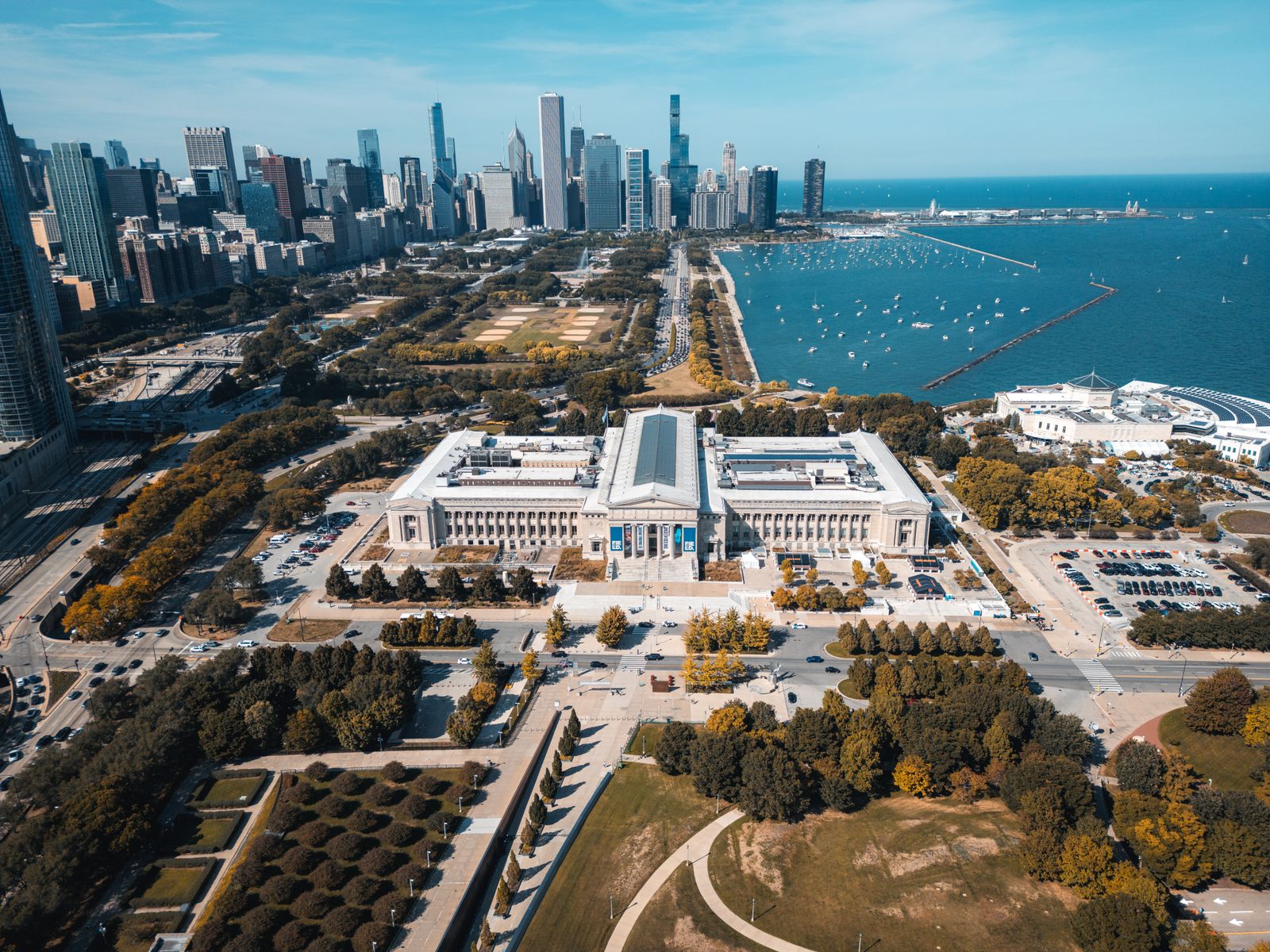
Museum Campus puts the Field Museum, the Shedd Aquarium and the Adler Planetarium on one peninsula south of Grant Park. Do not try all three. Sue the T. rex and the Egyptian tomb make the Field the right pick for most first-timers; the Shedd wins with kids under ten. Before you go inside, walk out to the Adler. The path along the planetarium is the postcard skyline shot, the whole downtown across the water, and it costs nothing.
If museums are not your thing, a two-hour Segway tour of the lakefront and Museum Campus covers the same ground outside for about $64 and has a five-star average.
Lunch: Pilsen or Chinatown
Both are one short train ride from the Loop. Pilsen, on 18th Street, is a Mexican neighborhood with murals on every corner and taquerias where a full lunch is under $15. Chinatown sits on the river's South Branch; in season a water taxi runs there from downtown, which turns lunch into a second boat ride (check the current schedule). Either one beats anything you will find near the museums.
Afternoon: Capone, the Valentine's Day massacre and the bus that goes where it happened
Chicago's gangster history is real and the good tours treat it that way. The crime and mob bus tour runs two hours for about $49, has 3,500 reviews and drives you to the actual sites: the garage site of the St. Valentine's Day Massacre, the Biograph Theater where Dillinger was shot, Capone's neighborhoods. It is the right format because the sites are spread across the North Side and you would spend the afternoon on the train otherwise. Prefer walking? The two-hour crime, mobsters and ghosts walk covers the downtown chapter for about $34. There are more on our gangster and history tours page.
 Chicago Crime and Mob Bus TourCheck availability on Viator →
Evening: the lake, or the bar where Capone drank
In summer, Navy Pier fires off fireworks twice a week (check the schedule) and the best seats are on a sunset cruise leaving the pier. The rest of the year, take the Red Line north to Uptown for the Green Mill, a 1907 jazz club with Capone's booth still by the side door, live music most nights and a cover you pay in cash at the door. It is the most Chicago place to end three days in Chicago.
The three days at a glance
| Day | Morning | Afternoon | Evening | Tours and tickets |
|---|---|---|---|---|
| 1 | Millennium Park at 8, Art Institute | Architecture river cruise, Riverwalk | Skydeck at sunset, deep dish | about $83 to $101 |
| 2 | Architecture interiors walk | Food tour, Brown Line, lakefront | Second City or a blues club | about $120 plus show tickets |
| 3 | Museum Campus, Adler skyline walk | Pilsen lunch, gangster bus tour | Navy Pier fireworks or the Green Mill | about $49 plus museum entry |
Add roughly $15 a day for the L, $12 to $20 per casual meal and whatever you spend at the bar, and three days lands between $350 and $500 per person on top of your hotel, with two of the four tours being optional. If you plan on the Skydeck plus two or more museums, price a CityPASS first; it usually pays for itself on the third attraction.
If you only have one day, or if you have four
One day: Millennium Park at 8, Art Institute until noon, a beef for lunch, the 2:00 architecture cruise, the Riverwalk, the Skydeck at sunset, deep dish. That is the compressed version and it works; we lay it out stop by stop in our Chicago in one day itinerary.
Four days: leave the city. Oak Park is 20 minutes on the Green Line and has the Frank Lloyd Wright Home and Studio plus the densest cluster of his houses anywhere. The Indiana Dunes are an hour on the South Shore Line and feel like an ocean beach. Milwaukee is 90 minutes on Amtrak for breweries and the lakefront art museum. All three, with transport options, are on our day trips from Chicago page.
Overrated, underrated, and the weather
Overrated: Navy Pier as a destination. Go for a boat or the fireworks, not for the pier itself, which is a mall with a Ferris wheel. Also the Magnificent Mile as a shopping street; it is the same stores as every other American downtown, just with better architecture above the second floor.
Underrated: the Pedway, the underground tunnel system that links forty blocks of the Loop and has its own two-hour tour for about $35; the Garfield Park Conservatory, one of the largest in the country and free; and the Riverwalk at 8am, before the cafes open, when it is just you and the bridge tenders.
Weather: this plan assumes May through October, when the boats run and the lakefront is a place you want to be. June to August is peak, warm and crowded, and the cruise sells out days ahead. September and October are the best months, with mild days and fall color along the river. From November to March swap the boat for the interiors tour and the Pedway, keep the Skydeck, and add the Art Institute's other half; the wind off the lake is not a joke and the locals are not exaggerating about it.
Questions people ask before going
Is three days enough for Chicago?
Yes, for a first visit. Three days covers the river, one great museum, two neighborhoods and the lakefront without rushing. People who come back usually do it for a specific reason: a Cubs game at Wrigley, the summer festivals, the Christmas market, or the food in Pilsen and Chinatown they only got a taste of.
Which architecture cruise should I book?
Any of the docent-led 90-minute cruises leaving from the Riverwalk or the Michigan Avenue bridge. The Chicago Architecture Center's own boat costs a little more and has the most-trained guides; the others run the same route for $39 to $45 and are excellent. The 45-minute version is fine if that is all your schedule allows, but you miss the South Branch. Book an afternoon or golden-hour sailing and sit on the open top deck.
Where should I stay for this itinerary?
The Loop, River North or Streeterville. Every morning on this plan starts within a 15-minute walk of the river, and the L stations for the neighborhood days are all downtown. The West Loop is a good second choice if you care more about restaurants than about being near the lake.
Do I need a car in Chicago?
No, and you do not want one. Downtown parking runs $40 to $60 a night at hotels, the L reaches every stop on this itinerary, and both airports connect to the Loop by train. Rent a car only for the fourth-day trip to Galena or the far suburbs.
Is downtown Chicago safe for visitors?
The neighborhoods on this itinerary, the Loop, River North, Lincoln Park, Pilsen, Chinatown and the Museum Campus, are busy and well-traveled at the hours you will be there. Use the same sense you would in any big city: keep your phone in your pocket on the L platform at night, take a rideshare back after a late club, and do not walk the lakefront trail alone after dark.
Is the CityPASS worth it?
If you plan to do the Skydeck plus two of the big museums, usually yes; it bundles five attractions at a discount and includes timed entry. If your list is the cruise, one museum and a food tour, buy tickets individually. You can compare every ticket and tour in one place on our Chicago page.
Excursions à Chicago
Trouvez et réservez les meilleures excursions de cette destination
Voir les excursions