Visita guiada al templo funerario de Hatshepsut
Descripción
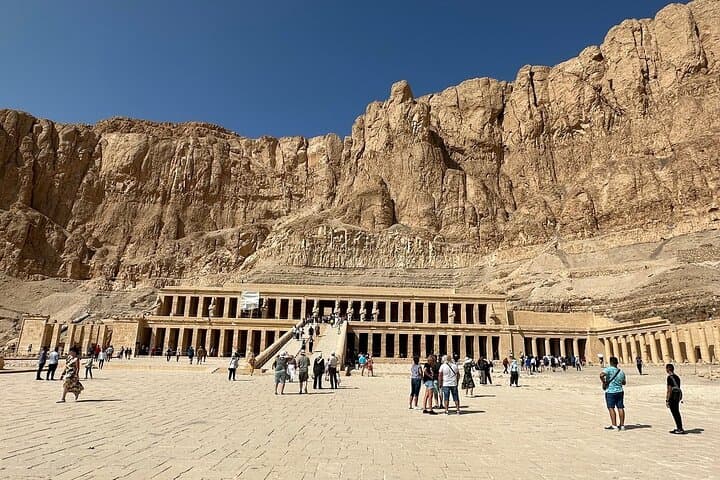
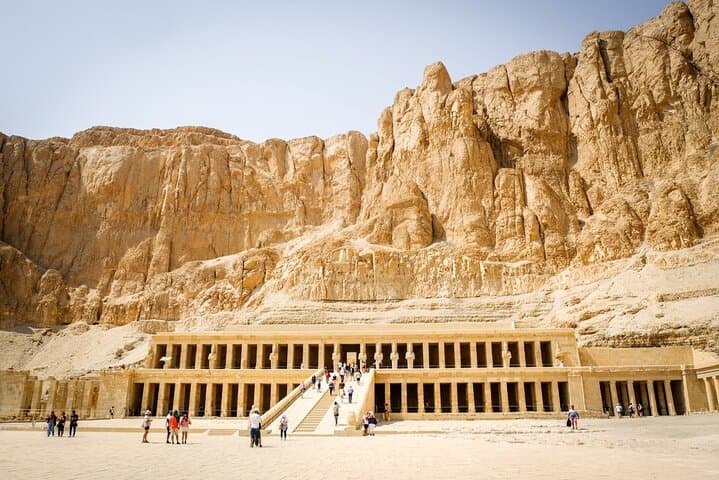
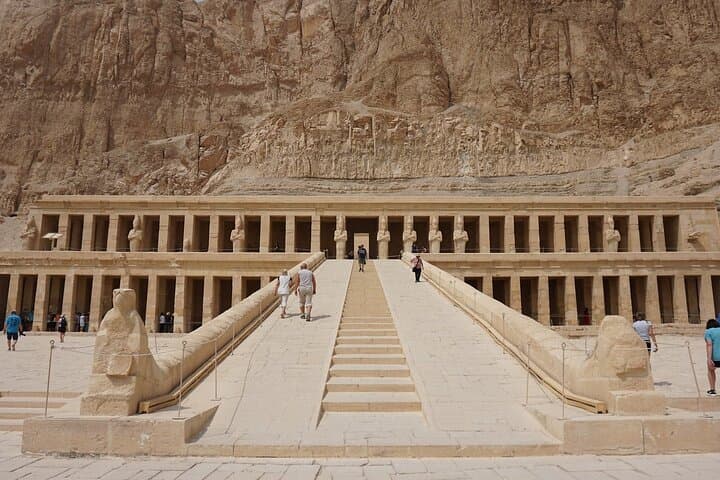
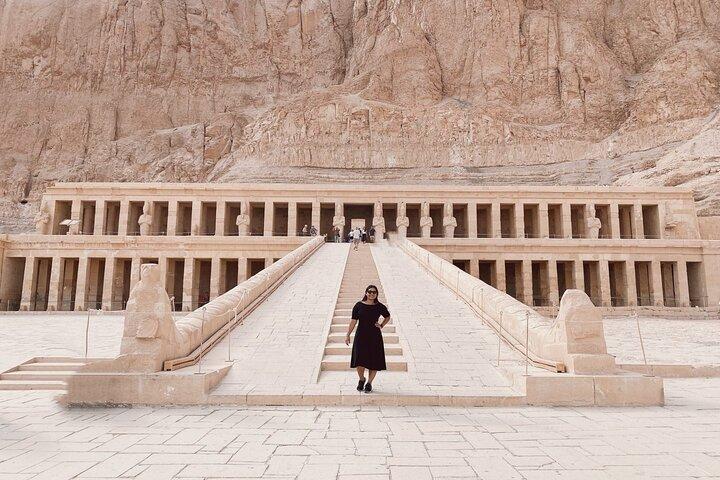
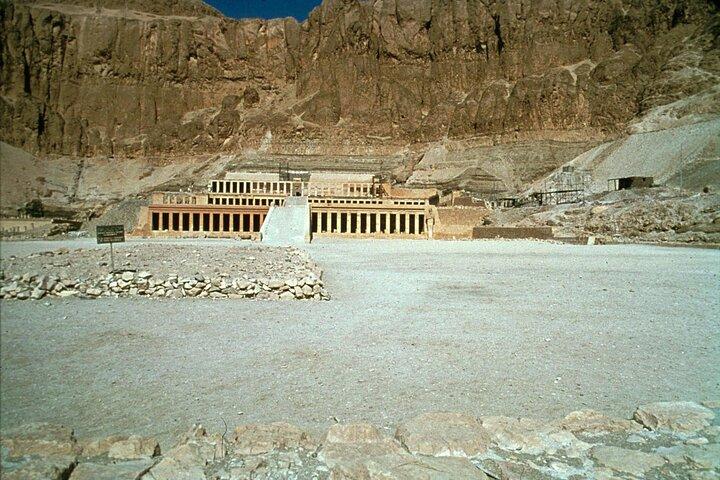
Explora las antiguas maravillas de Egipto con una visita guiada al Templo Mortuorio de Hatshepsut. Adéntrate en la rica historia y belleza arquitectónica de este emblemático sitio mientras nuestros expertos guías te guían a través de sus salones plantados y extensos terrenos. Obtenga información sobre la vida y el legado de la reina Hatshepsut, una de las gobernantes más poderosas y enigmáticas de Egipto. Sumérgete en el esplendor del antiguo Egipto en este inolvidable viaje al Templo Mortuorio de Hatshepsut.
Opciones de la excursión
Itinerario
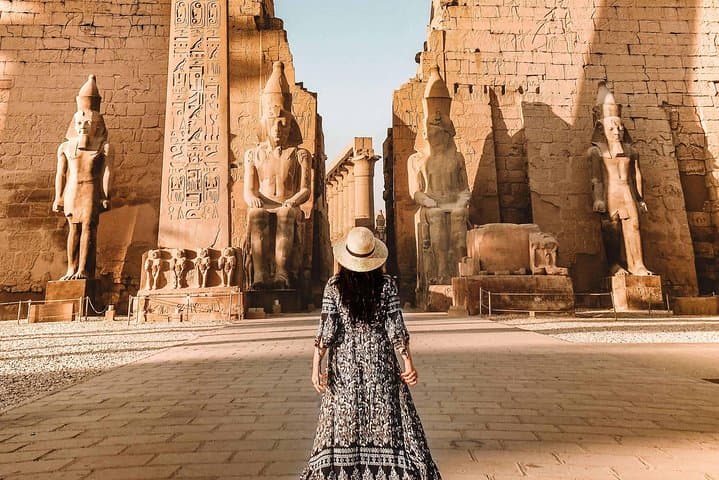
Recogida de su hotel o crucero por el Nilo en Luxor por guía turístico con licencia turística, luego será trasladado en vehículo privado de aire acondicionado a Cisjordania, donde visitará el Valle de los Reyes, la magnificencia de la gran arquitectura que se utilizó para el entierro, hay muchos reyes enterrados en este valle. Las tumbas más conocidas son el rey Tutmosis I, Tutmosis III, Tut-Ankh-Amon, el rey Ramsés VI, el rey Mrenptah y AmonhotepII.
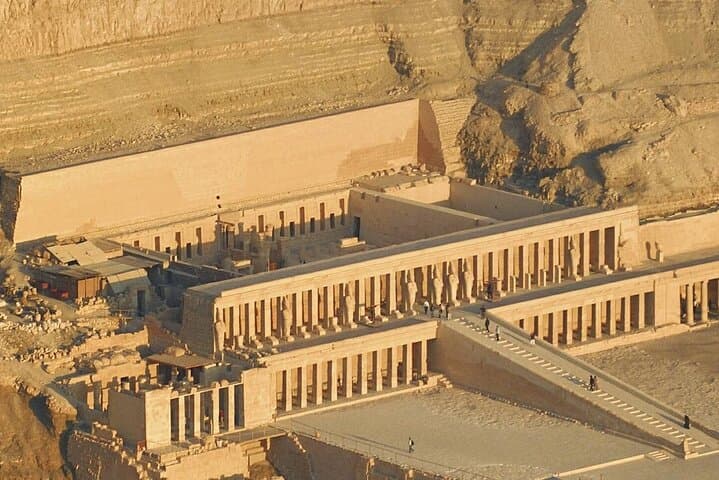
El templo de la reina Hatshepsut, conocido como El Dir El Bahari, fue construido por la reina Hatshepsut, hija de Tutmosis I, quien gobernó Egipto unos 20 años durante la dinastía XVIII (aproximadamente 1490-1469 a.C.), la única mujer faraónica que reinó en el antiguo Egipto.
Los Colosos de Memnón que son restos del templo mortuorio de Amenhotep III Una vez finalizado el tour será trasladado de regreso a su Hotel.
Lo más destacado
Qué incluye
Lugares y horarios de recogida
Encontrará a nuestro guía turístico en el área del vestíbulo con un cartel que muestra el nombre del cliente
Valoraciones de viajeros
Información importante
- Hay opciones de transporte público disponibles en las cercanías
- Hay asientos o sillas infantiles disponibles
- No se recomienda para viajeros con lesiones de la columna vertebral
- No es recomendable para embarazadas
- No se recomienda para viajeros con mala salud cardiovascular
- Adecuado para todos los niveles de aptitud física
Opiniones(1)
As you drive towards this temple you can see the old workers tombs and homes carved into the side of the hills. The temple itself has different levels of stairs n buildings leading upto the main complex. On the walls it shows how it imported trees via boats from other countries there a tree stump left in the courtyard of one of these trees. There a few statues at pillars on the main building a few was destroyed by tutmose The 3rd and tried to erase more of the art on the walls. Place is built towards a hill so impressive how the did it.
Thank you for sharing your detailed observations. We’re pleased to hear that you appreciated the unique aspects of your journey toward the temple. It’s fascinating indeed to see the old workers’ tombs and the homes carved into the hillside, which add such a historic charm to the area. We’re glad you enjoyed exploring the temple’s various levels, staircases, and buildings leading up to the main complex. Your description of the wall art, including the depiction of imported trees and the preserved tree stump in the courtyard, truly captures the ingenuity of the builders. We also appreciate your insights regarding the statues and the restoration challenges encountered during Tutmose III’s reign. It’s rewarding to know that the overall construction and location on the hillside left such a positive impression on you. We value your feedback and hope your experience inspires future visits. Warm regards, Aly Emo Tours Swiss