Tour privado de senderismo en Sapa : Y Linh Ho, Lao Chai & Ta Van

Descripción
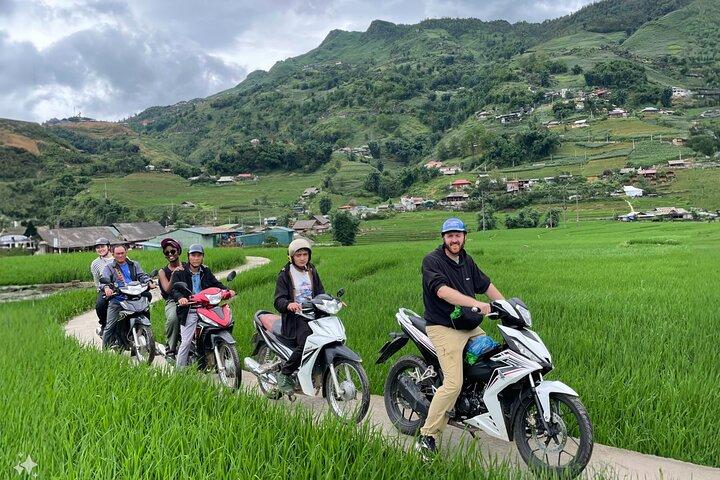
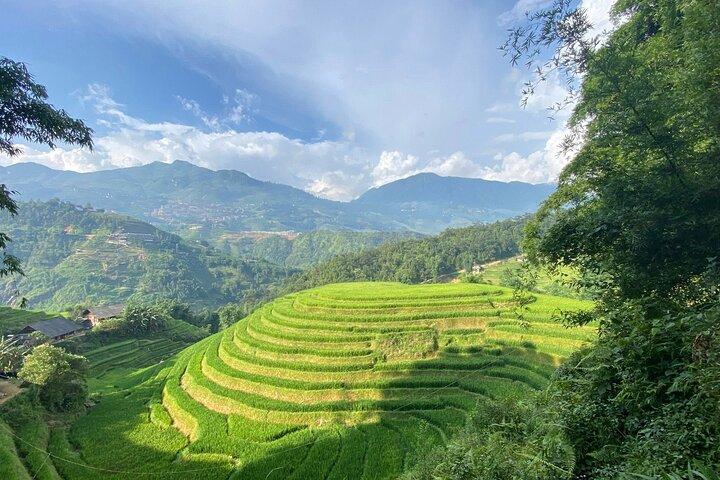
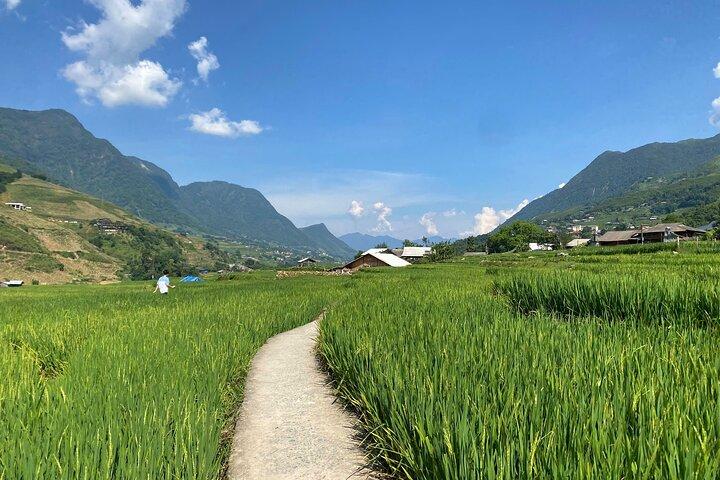
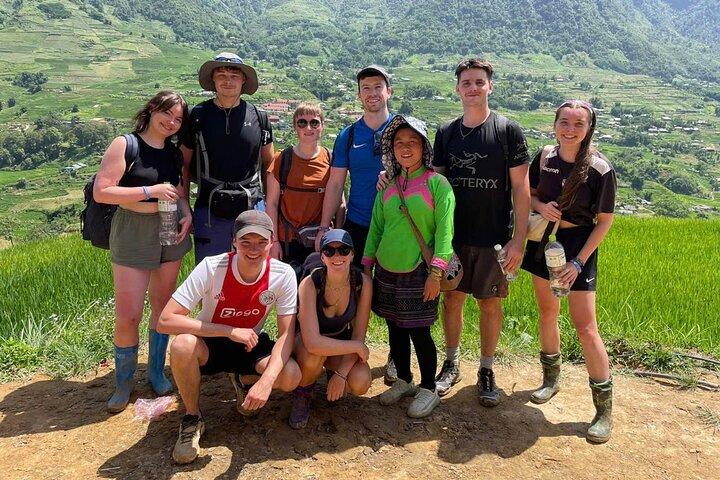
Este tour privado de trekking ofrece una mirada más profunda y auténtica al famoso valle de Muong Hoa de Sapa. En lugar de seguir los caminos principales llenos de gente, su guía lo guiará a lo largo de senderos panorámicos menos conocidos a través de Y Linh Ho, Lao Chai y Ta Van, lo que le dará vistas ininterrumpidas de los campos de arroz en terrazas, paisajes de montaña y la vida local diaria. Su guía es un residente local con amplio conocimiento de las culturas H’mong y Giay, asegurando conexiones reales e historias significativas en el camino. Debido a que la experiencia es privada, el ritmo es totalmente flexible: puede detenerse para tomar fotos, disfrutar de momentos tranquilos en la naturaleza o ajustar la ruta en función de su comodidad. También disfrutarás de un almuerzo relajado en una casa local o restaurante familiar, apoyando a las comunidades que visites. Este tour es ideal para los viajeros que desean una experiencia de Sapa más personalizada, auténtica y fuera de lo común, lejos de las rutas típicas llenas de gente.
Opciones de la excursión
Itinerario
Ubicado en las montañas al suroeste de Sapa, Y Linh Ho es a menudo la primera parada en la caminata del valle de Muong Hoa. Este remoto pueblo negro hmong solo es accesible mediante trekking, ofreciendo un ambiente tranquilo y virgen. A medida que caminas por estrechos senderos de montaña y bosques de bambú, pasarás por pequeñas casas esparcidas entre campos en terrazas. Y Linh Ho es conocido por sus paisajes dramáticos, su belleza tranquila y su visión de la vida tradicional hmong, lejos de los caminos turísticos más transitados.
A pocos pasos de Y Linh Ho se encuentra Lao Chai, uno de los pueblos negros hmong más grandes de la región de Sapa. Rodeado de amplios arrozales en terrazas y flanqueado por colinas ondulantes, Lao Chai es pintoresco y culturalmente rico. Los visitantes pueden observar a los hmong trabajando en el campo, tejiendo tela de cáñamo o tiñendo con índigo. El pueblo ofrece una profunda inmersión cultural, con la oportunidad de visitar las casas locales y aprender sobre las técnicas agrícolas y textiles tradicionales transmitidas de generación en generación.
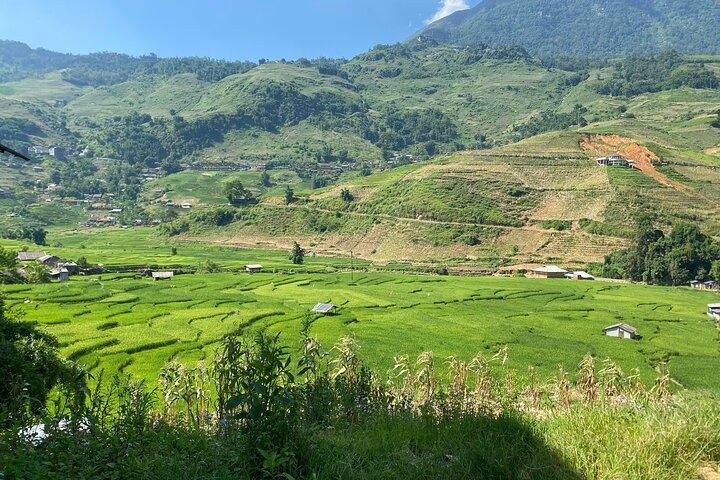
Ubicado más abajo en el valle de Muong Hoa, Ta Van es el hogar del grupo étnico Giay, con poblaciones más pequeñas de personas Hmong y Dao. A diferencia de las empinadas colinas de los pueblos anteriores, Ta Van se encuentra en un exuberante valle verde con vistas panorámicas y puentes de madera que cruzan arroyos suaves. Este pueblo es conocido por sus casas de zancudos, vibrante vida comunitaria y un número creciente de familias de familia, por lo que es un gran lugar para disfrutar de una comida local o pasar una noche con una familia anfitriona. Ta Van muestra una mezcla de culturas y es un punto final relajante para la caminata.
Lo más destacado
Qué incluye
Lugares y horarios de recogida
Nuestro guía turístico local le estará esperando en el vestíbulo de su hotel y se acercará a usted para confirmar su nombre.
Valoraciones de viajeros
Información importante
- No se recomienda para viajeros con mala salud cardiovascular
- Adecuado para todos los niveles de aptitud física
Opiniones(6)
La was an amazing tour guide, she walked us around the villages and had us experience the real Vietnam. She explained and described everything we saw and answered all our questions, with friendliness and always a smile on her face. 100% recommended!
Fabulous trip through the village, rice fields, and cornfields. Our guide was very attentive to us. I highly recommend this trek, or you might miss out on something in Sa Pa.
Very good experience seeing the local villages and our guide was lovely and taught us about local farming and answered all our questions
Best experience in Sa Pa! Highly recommend! Our tour guide was great!
We would give our guide, La, a 5/5 rating. She was conscientious, knowledgeable, and full of positive energy... a wonderful guide! With her very good English, she offered insights into both the stunning geography through which we trekked and the culture of the people who still work the land. Just one example: along the way, La pointed out some indigo plants and invited us to rub the leaves to turn our hands blue; stopping at a village further on, she took us to a small workshop where local women were preparing the indigo for dyeing fabrics and explained each stage of this complex process. We really appreciated her care and concern as we negotiated the more difficult sections of the trail; La was especially helpful in ensuring my wife didn't lose her footing. Which brings me to the less positive aspect of this experience: the mud. About half of our 10-12km trek was on very slippery, muddy trails. And at times, the trails were very steep. It was impossible to look around and fully take in the dazzling beauty of the rice terraces and misty mountains when eyes had to be focussed on negotiating the slick, greasy mud step-by-step. The muddy conditions really downgraded what could have been an excellent outing. It would have been REALLY helpful if the tour operator had informed us about the trail conditions beforehand. We had received an email the day prior to confirm our pick-up location; why wasn't some information about the muddy conditions included? Had we known, we could have picked up some trekking poles, which would have made a huge difference in managing the worst parts of the trail. Of course, the trail conditions are what they are; but the tour operator, we feel, should have been more proactive in preparing us. Other points: the lunch was good, simple but quite tasty and filling. Not so good,, being persistently hassled along the way by vendors selling this or that was a nuisance. Even after being told "no thank you" multiple times, they would follow us (and any other non-local) for several minutes beseeching us to buy whatever it was they were selling. There's a disquieting child labor aspect here as well, as numerous vendors were young children sent by parents to go sell trinkets to the tourists. Yes, of course, I get that they're just trying to earn money. And yes, obviously, there's not much the guide or tour operator can do about it, but for us, this annoyance was another downside to our overall experience.
Hi, thank you very much for your detailed and thoughtful review. First of all, we’re truly happy to hear that you had such a positive experience with **La**. Your kind words about her knowledge, energy, and care mean a lot to us. We’re especially glad she could support you and your wife during the more challenging parts of the trek and provide meaningful insights into local culture, such as the indigo process—this is exactly the kind of authentic experience we aim to offer. At the same time, we sincerely appreciate your honest feedback regarding the trail conditions. You are absolutely right—during certain times of the year, especially in humid or rainy conditions, the trails in Sapa can become very muddy and slippery. We agree that we should have communicated this more clearly in advance, so you could better prepare with appropriate gear such as trekking poles. This is something we will improve immediately in our pre-tour communication. Regarding the local vendors, we completely understand how this can feel overwhelming at times. As you mentioned, this is a common situation in the area and unfortunately beyond our direct control. However, we always try to guide our guests on how to التعامل with it comfortably, and we will continue working with our guides to better support guests in these situations. We’re glad to know you enjoyed the lunch and again truly appreciate your balanced feedback. It helps us improve and provide a better experience for future travelers. Thank you once again for choosing us, and we hope to welcome you back to Sapa in the future.
Very nice and helpful guide named La. Answered all our questions and provided interesting cultural info about her community. Nice lunch