Por favor, entra en Milan Vistor Center para hacer el check-in
Descripción
Sigue los pasos de Leonardo da Vinci con acceso sin colas a La Última Cena, una de las obras maestras más célebres de Milán.
Elija entre una amplia gama de experiencias guiadas, desde la clásica visita de 1 hora hasta visitas más completas que duran hasta 6 horas.
Dependiendo de la opción seleccionada, su experiencia también puede incluir la Iglesia de Santa Maria delle Grazie, el Castillo de Sforza y la Pietà Rondanini de Miguel Ángel, el Museo de La Scala, la Catedral de Milán o un recorrido a pie prolongado que cubre los principales lugares de interés de Milán.
Cada opción incluye La última cena, pero los itinerarios, la duración y las atracciones incluidas varían considerablemente.
Algunas opciones se centran exclusivamente en la obra maestra de Leonardo, mientras que otras ofrecen una exploración de medio día o de día completo de Milán.
Por favor, consulta cuidadosamente la opción título, duración e inclusiones antes de reservar para seleccionar la experiencia que mejor se adapte a tus intereses y tiempo disponible.
Opciones de la excursión
Última Cena, Duomo + City Tour
WA
Duración: 6 horas: Evite colas y explore los principales lugares de interés de Milán, como la Última Cena y el Duomo, con guías expertos en un pequeño grupo
Aspectos destacados: Última Cena - Duomo - Castillo de Sforza (Michelangelo Pietà) - Iglesia de Santa Maria delle Grazie - City Tour
Punto de encuentro: Conoce al guía junto al gran monumento de la Aguja y el Hilo en plena Piazza Luigi Cadorna
Punto de partida:
Piazzale Luigi Cadorna, 8/1, 20123 Milano MI, Italia
Última Cena + Miguel Ángel Pietà
AUT
Duración: 3 horas: Admira la Última Cena de Leonardo y la Pietà de Miguel Ángel en un gran tour, incluyendo Santa Maria delle Grazie y el Castillo de Sforza.
Aspectos destacados:: Castillo de Sforza - Piedad de Miguel Ángel - Iglesia de Santa Maria delle Grazie - La última cena de Leonardo
Punto de encuentro: Conoce nuestro guía en Piazza Castello 1
Punto de partida:
Autostradale Viaggi, Piazza Castello, 1, 20121 Milano MI, Italia
Última Cena + City Tour
WA
Duración: 3 horas
Aspectos destacados: Disfrute de la Última Cena (dentro) y un tour por la ciudad que incluye el Castillo de Sforza, la Galería Vittorio Emanuele II y el Duomo (fuera).
Punto de encuentro: Reúnase con su guía fuera de la entrada a La Última Cena para comenzar el recorrido
Punto de partida:
Piazza di Santa Maria delle Grazie, 20123 Milano MI, Italia
Tour de la última cena
CW
Punto de partida:
Piazza di Santa Maria delle Grazie, 20123 Milano MI, Italia
Última Cena - Tour Clásico
BOL-WY
Duración: 1 hora
Punto de partida:
Via Fratelli Ruffini, 1, 20123 Milano MI, Italia
Cena del Señor en grupo pequeño + Iglesia
RIV
Duración: 1 hora 30 minutos
Exclusivo tour para grupos pequeños: Disfruta de una visita guiada de 1,5 horas a la Última Cena de Leonardo da Vinci y la Iglesia de Santa Maria delle Grazie con un máximo de 9 invitados.
Punto de partida:
Via Fratelli Ruffini, 1, 20123 Milano MI, Italia
Última Cena - 1 h (max 9 pax)
Tour para máximo 9 personas: Este tour es para grupos pequeños para disfrutar al máximo de esta experiencia y tener tiempo para hacer preguntas a su guía
RIV
Duración: 1 hora
Punto de partida:
Via Fratelli Ruffini, 1, 20123 Milano MI, Italia
Última Cena, Duomo + Milán Tour
VED
Duración: 6 horas: Vea lo más destacado de Milán en un día con un guía local. Descubre historias ocultas y disfruta de un vibrante paseo por la ciudad.
Aspectos destacados: Visita la Última Cena, Santa Maria dell Grazie, el Duomo, el Castillo de Sforza (fuera) San Mauricio al Monastero Maggiore y más
Punto de encuentro: Reúnase con nuestro guía en Piazzale Luigi Cadorna 14 (a la derecha de la entrada de la estación de tren de Cadorna, cerca del bar MARINONI)
Punto de partida:
Piazzale Luigi Cadorna, 14, 20123 Milano MI, Italia
ÚLTIMA CENA EXPERIENCIA
CRW
Duración: 1 hora: Disfruta de acceso sin colas a la Última Cena de Leonardo da Vinci, con entrada garantizada y conocimientos expertos de un guía experto
Punto de partida:
Piazza di Santa Maria delle Grazie, 20123 Milano MI, Italia
Última Cena, La Scala & Duomo
ZAN
Duración: 3 horas 30 minutos
Itinerario: Ver la Última Cena, visitar el Duomo de Milán, admirar la Galería Vittorio Emanuele II y descubrir La Scala en una visita guiada de medio día
Bus: Tomarás un autobús desde Duomo hasta el Museo de la Última Cena
Punto de partida:
Largo Cairoli, 18, 20121 Milano MI, Italia
Última cena Tour de 1 hora
RIV
Duración: 1 hora
Visita el cuadro de la Última Cena: Esta opción no incluye la visita a la iglesia. Todavía podrá ver la iglesia cuando vuelva a abrir.
Punto de partida:
Via Fratelli Ruffini, 1, 20123 Milano MI, Italia
City Tour + Última Cena (3h)
VED
Duración: 3 horas
Aspectos destacados: Disfrute de la Última Cena (dentro) y un tour por la ciudad que incluye el Castillo de Sforza, la Galería Vittorio Emanuele II y el Duomo (fuera).
Puntos de partida:
P.za del Duomo, 4, 20122 Milano MI, Italia
Piazza di Santa Maria delle Grazie, 20123 Milano MI, Italia
Tour clásico de la última cena
TOI
Duración: 1 hora
Punto de partida:
Piazza di Santa Maria delle Grazie, 20123 Milano MI, Italia
Tour VIP Última Cena + Duomo
WA
Duración: 2 horas 30 minutos
Tour exclusivo: Un tour de lujo con acceso exclusivo sin colas a la Última Cena y el Duomo, para una experiencia verdaderamente refinada en Milán
Grupo reducido: Max 8 personas
Punto de partida:
Piazza di Santa Maria delle Grazie, 20123 Milano MI, Italia
Excursión a Milán + Última Cena
MilGUI
Duración: 3 horas: Vea la Última Cena de Leonardo da Vinci y descubra lo más destacado de Milán en este tour a pie de 3 horas
Punto de partida:
Piazza di Santa Maria delle Grazie, 20123 Milano MI, Italia
Tour completo de la Última Cena + Iglesia
Itinerario:: Descubre la Última Cena de Leonardo da Vinci y explora la histórica Iglesia de Santa Maria delle Grazie con un guía experto.
RIV
Duración: 1 hora 30 minutos
Última Cena - Grupo pequeño
CRW
Duración: 1 hora
VIP TOUR: Únete a un pequeño grupo , con acceso sin colas, entrada garantizada, y orientación experta.
Punto de partida:
Piazza di Santa Maria delle Grazie, 20123 Milano MI, Italia
Itinerario
Il Cenacolo
Entrada incluida15 min
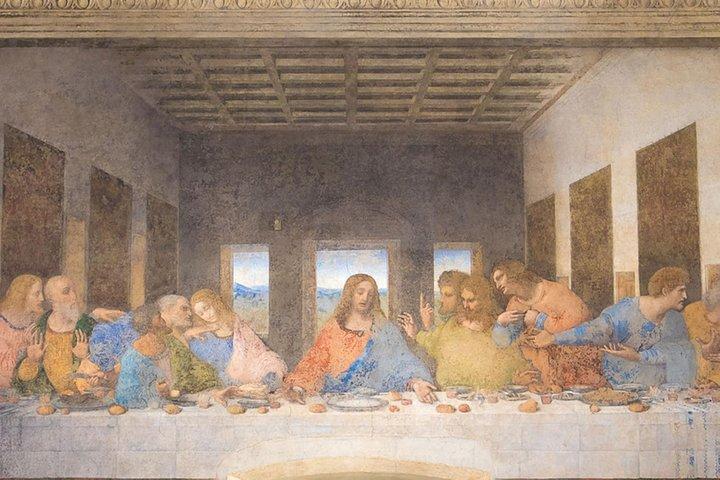
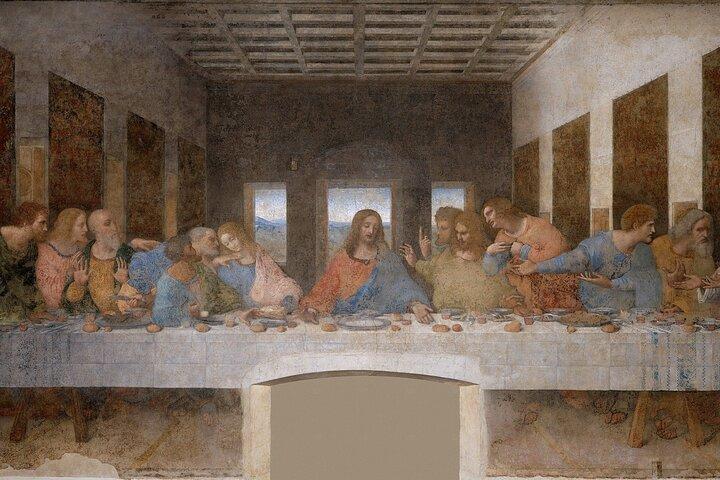
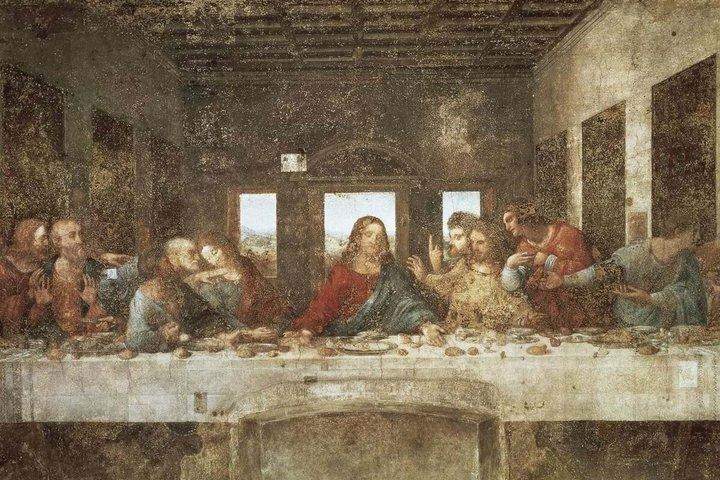
El mural más famoso de Milán, La última cena de Leonardo da Vinci, está escondido en una pared del refectorio contiguo a la Basílica de Santa Maria delle Grazie. Representar a Jesús y a Sus discípulos en el momento dramático en que Él revela que está consciente de la traición, es un estudio psicológico magistral y una de las imágenes más icónicas del mundo.
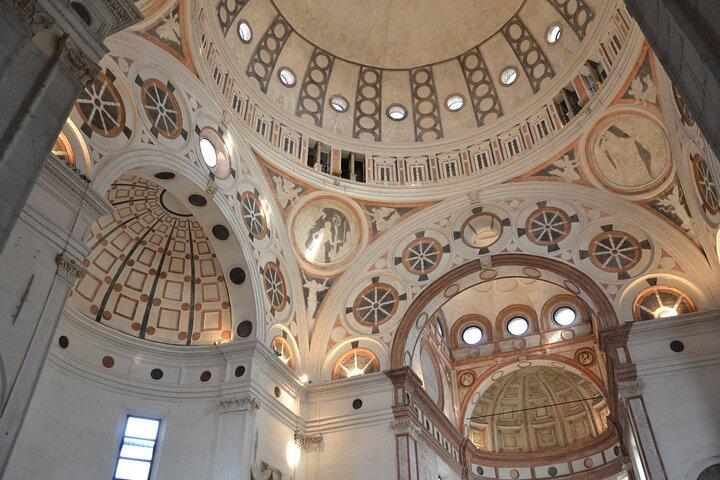
Santa Maria delle Grazie
30 min
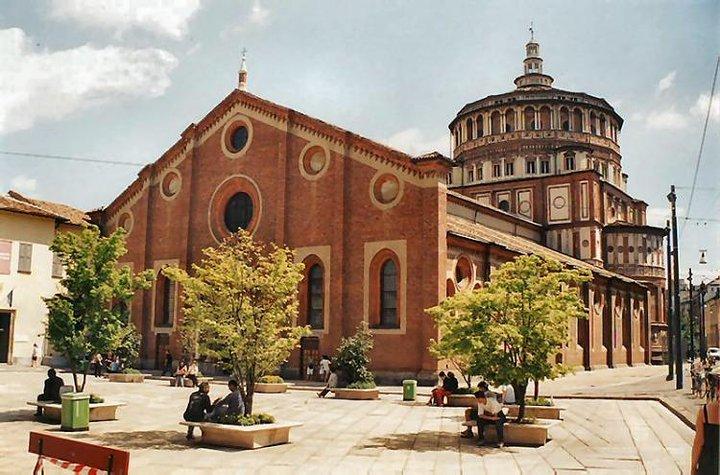
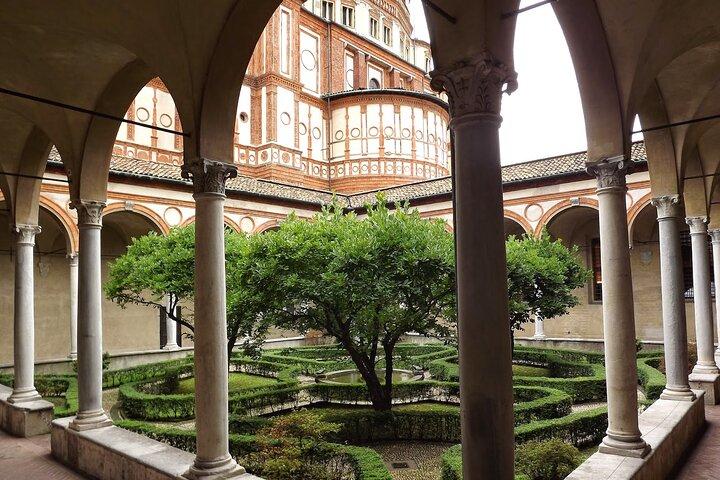
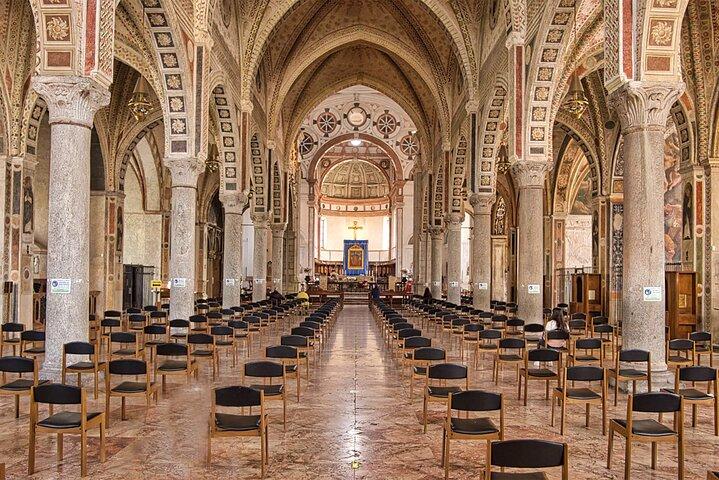
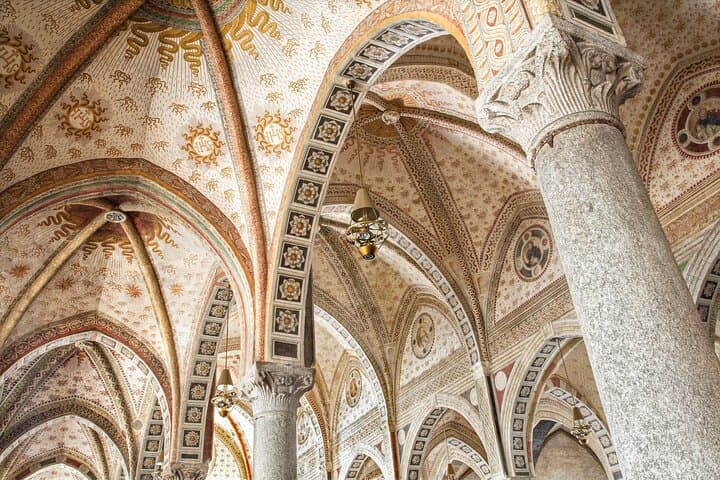
Santa Maria delle Grazie, Patrimonio de la Humanidad por la UNESCO y un testimonio excepcional de la arquitectura renacentista de Milán. Diseñada por Guiniforte Solari en 1463, con adiciones posteriores de Bramante, esta impresionante iglesia lombarda encapsula la magnificencia de la corte milanesa de Ludovico Sforza y Beatriz de Este. La visita de la Iglesia se puede hacer solo desde fuera si la Iglesia está cerrada. La iglesia está cerrada entre las 12: 50 pm y las 3 pm
Qué incluye
Incluido
Visita a la iglesia en el interior (cuando la iglesia está abierta e incluida en su opción)
Pietà de Miguel Ángel (si has elegido esta opción)
Tour por la ciudad de Milán (si ha elegido esta opción)
Evite las colas
Guía con licencia y auriculares para escuchar la guía claramente
Todos los impuestos y tasas
No incluido
Alimentos y bebidas
Transporte privado
Visita Interna de la Iglesia (cuando la Iglesia está cerrada o no incluida en su opción))
Valoraciones de viajeros
4.4
333 opiniones
5
246
4
34
3
19
2
8
1
26
Información importante
Hay opciones de transporte público disponibles en las cercanías
Adecuado para todos los niveles de aptitud física
La disponibilidad de espectáculos no se puede comprobar sin hacer una reserva.
Solo se cobrará a las tarjetas de crédito una vez confirmada la disponibilidad del espectáculo
Funciona en todas las condiciones climáticas, por favor vístete adecuadamente
Se requiere un código de vestimenta para ingresar a los lugares de culto y museos seleccionados. No se permiten pantalones cortos ni camisetas sin mangas. Las rodillas y los hombros DEBEN estar cubiertos para hombres y mujeres. Puede arriesgarse a que se le rechace la entrada si no cumple con estos requisitos de vestimenta
Traer la identificación de cada persona que asista al tour
No es necesario canjear el boleto antes de que comience el tour
El tour el miércoles a las 4 : 30 pm y el viernes a las 12 : 00 pm es bilingüe (Inglés e Italiano)
Cancelación
Todas las ventas son definitivas. No se ofrecen reembolsos tras las cancelaciones.
0+ días antes0% de reembolso
Opiniones(333)
M
Mark_M
September 26, 2026
I was *very* unsure what...
I was *very* unsure what I was buying online via Viator, other than seeing The Last Supper. I am so happy to leave this review to let others know, 1) this can be trusted, 2) the tour we had (Palace, history, walking, Last Supper) was very good (3 hrs).
K
Kathryn_V
September 24, 2026
Disappointed
It was a disaster. I booked on line for a 3:00 pm tour then the tour guide contacted me and changed it to 4:30 pm. Which was fine. I contacted the guide to confirm the night before and he confirmed the time, date and location. We showed up 30 minutes before the tour and waited. There was another Viator tour at the same time but we were not on the list. I tried contacting the guide without success. Finally had to contact the toll free number and talk to an agent for 20 minutes. They said there was some confusion. There was no communication to us at all about any of this. The stress of figuring out our next steps was exhausting. We had to explain to the ticket office and show them our voucher, which said 3:00 ( the guide was suppose to bring our new voucher and tickets for 4:30) Fortunately they honored our voucher and gave us two tickets which was an hour later then hour planned tour-5:30pm. NO SHOW, NO COMMUNICATION and not a guarantee to see the Last Supper. Very disappointed.
Respuesta del operador
We sincerely apologise for the scheduling error and the stress and inconvenience it caused.
Our team did everything possible to resolve the situation. Our main priority was to ensure that you could still see The Last Supper, and we ultimately secured your admission. We also immediately issued a full refund, so you were able to visit at no cost.
We remained in communication during the process, although we recognise that the assistance you received did not meet your expectations. Ensuring your admission and refunding your booking were our efforts to put things right, but we understand that they do not erase the disappointment of missing the guided experience you had booked.
We take responsibility for the error and sincerely apologise for letting you down.
T
tmdelmar
September 22, 2026
So happy to see Davinci’s Last Supper! We learned so much from our guide and felt we she explained in depth everything s
Excellent guide who was well informed and very friendly and knowledgeable. This site has problems it is not transmitted
T
tmitch09
September 21, 2026
Great trip
great experience. booked last minute glad was able to get worked out
H
hanyid2018
September 20, 2026
Poor experience
The operator is unreachable; too much stress for a supposedly relaxing trip
Q
Q8155MIpaule
September 20, 2026
Da Vinci's Last Supper was a highlight of our time in Milan
our guide was Arabella, she took good care of our group ensuring we were all together explaining what was needed to comply with the entrance requirements. Her love of the subject was apparent in her detailed talk. You only get 15 minutes to view the painting but it was worth it, I found the experience emotional.
M
MaryAnn_S
September 20, 2026
Amazing to see in person!...
Amazing to see in person! Great tour of area. Super guide, very knowledgable with great insights!! A must see in Milan!
J
Jill_B
September 19, 2026
Don’t miss this one!
this was well worth the money. Our tour guide was so informative and spoke perfect English.
we also got hearing devices which made it easy to hear our guide and block out the others.
3
304kennethg
September 19, 2026
Bad
Would never book with Trip Advisor again. United cancelled our flight and rescheduled us for the next day. We missed the tour by two hours. Trip Advisor would not reschedule us or give us a refund. Very unfair since none of this was our fault. Will not book again and I have previously used Trip Advisor for about 20 trips in many countries!
W
Wynelover
September 18, 2026
Best of Milan!
After not being able to purchase single tickets to see the Last Supper I researched for a walking tour of Milan with included viewing ofThe Last Supper. Our tour guide Danniela was so knowledgeable and taught us so much of the history of Milan. He was kind and engaging with the group. I recommend this tour!
Compara tours similares en Milan
El más barato: Leonardo Da Vinci's Last Supper Guided Tour in Milan — $69
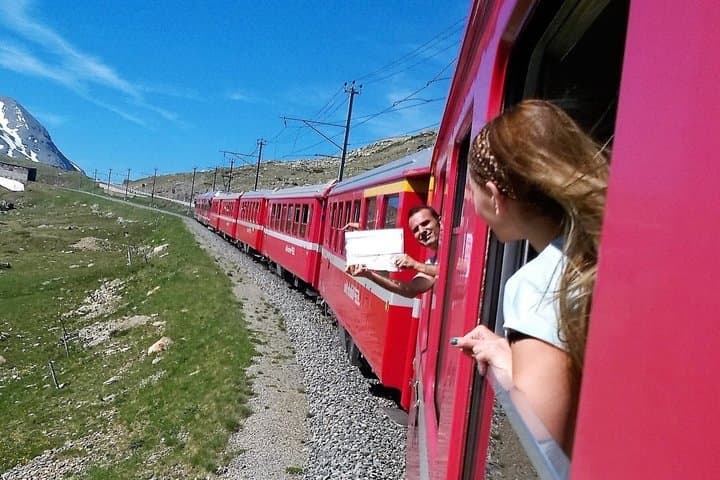
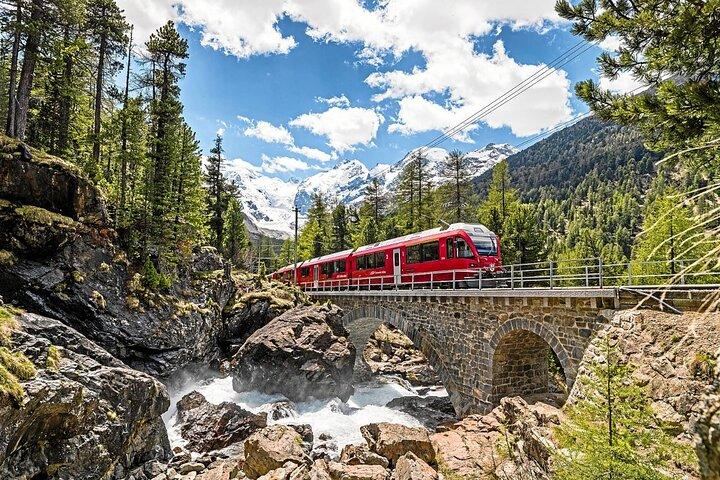
El mejor valorado: Bernina Red Train, Swiss Alps & St Moritz From Milan — 4.8 (3,805 opiniones)
El más corto: Milan: Da Vinci Last Supper Skip-the-Line Guided Tour — 1 hora