Tokio tradicional: un día de sumo, templos y té
Tras el neón, Tokio conserva su alma antigua: establos de sumo donde los luchadores entrenan al amanecer, el humo de incienso de Senso-ji y salas de té donde cada gesto tiene un significado. Así es como puedes pasar un día en el Tokio tradicional, con las experiencias culturales mejor valoradas para reservar.
De un vistazo
- 1Entrenamiento matutino de sumo, Ryogoku
- 2Senso-ji y Nakamise, Asakusa
- 3Prueba de kimono y paseo fotográfico
- 4Ceremonia del té con matcha y wagashi
Mañana: entrenamiento de sumo en Ryogoku
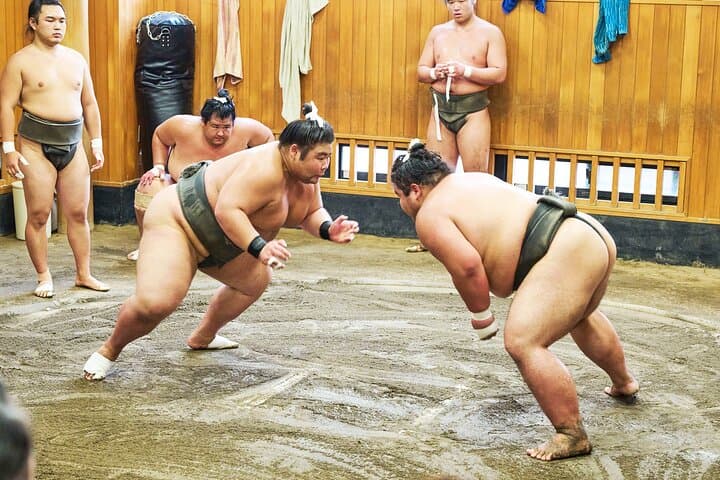
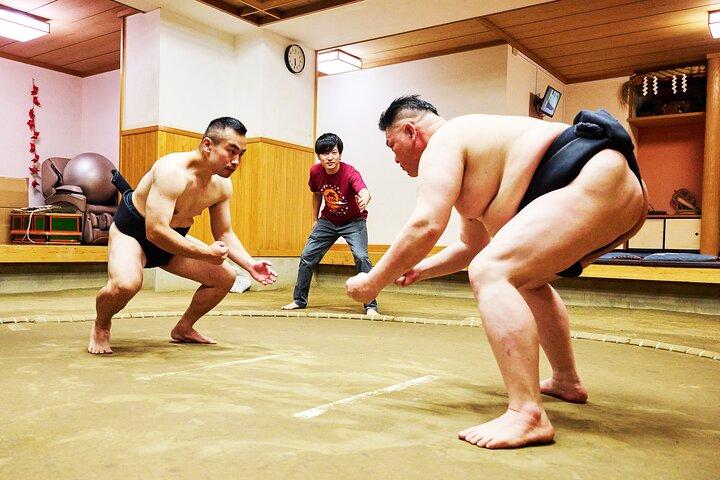
Empieza temprano en Ryogoku, el barrio natal del sumo, viendo el asageiko —el entrenamiento matutino de los luchadores— en un establo en activo. Las sesiones van aproximadamente de 7:30 a 10:00, te sientas en silencio al borde del ring y algunos tours terminan con fotos o una charla con los rikishi. Las entradas cuestan desde unos 40–60 $ y los establos solo admiten pequeños grupos guiados, así que reserva con varios días de antelación; durante las semanas de gran torneo en enero, mayo y septiembre, las visitas al entrenamiento se suspenden.
Mediodía: Asakusa y Senso-ji
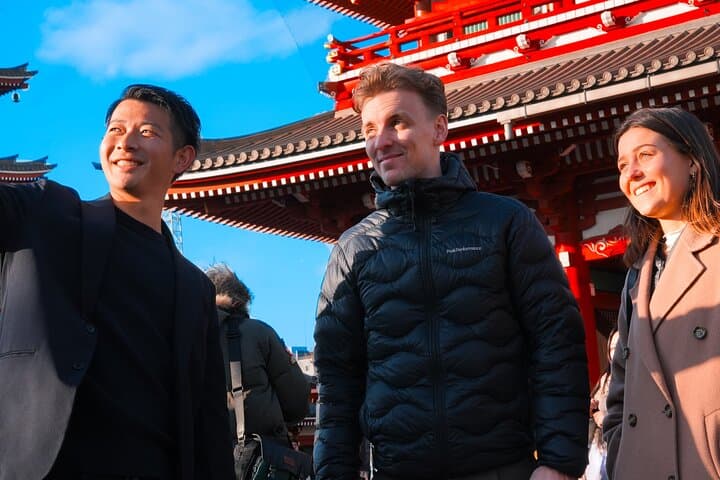
Toma el metro hasta Asakusa para ver Senso-ji, el templo más antiguo de Tokio, fundado en 628. Entra por la gran puerta con farolillo de Kaminarimon, curiosea entre los puestos de aperitivos y artesanía de Nakamise-dori y lanza una moneda en el salón principal. El recinto se llena de gente al final de la mañana, así que un paseo guiado por el casco antiguo —o un paseo en rickshaw por las callejuelas— te ayuda a encontrar los rincones más tranquilos: los escaparates de estilo Edo de Denboin-dori y la pagoda de cinco pisos desde el lado oeste.
Tarde: kimono y una ceremonia del té
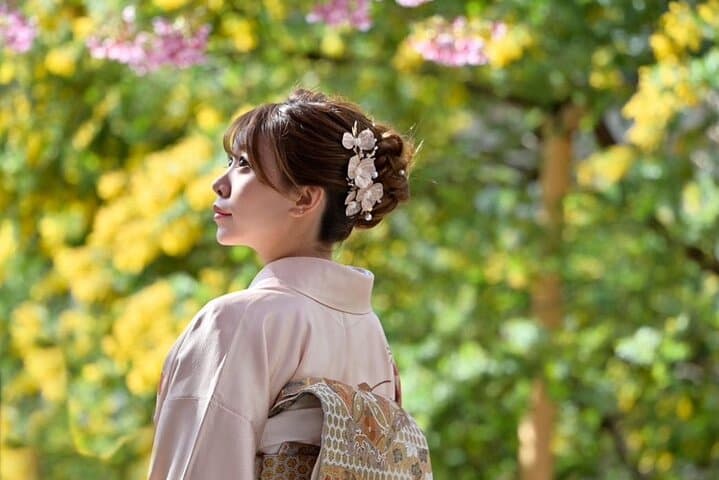
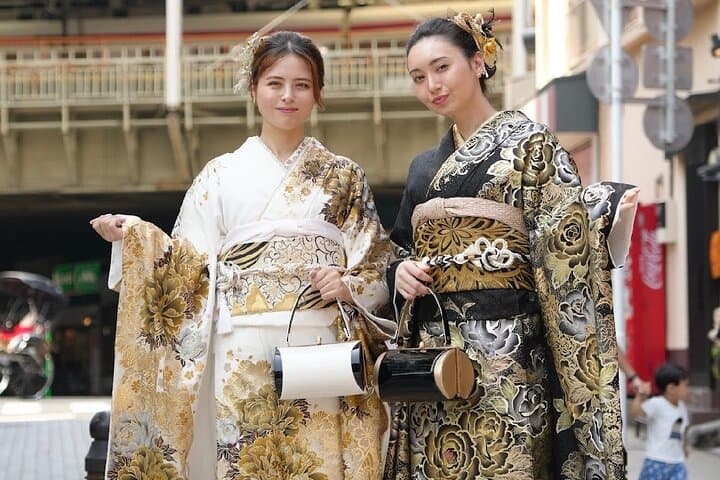
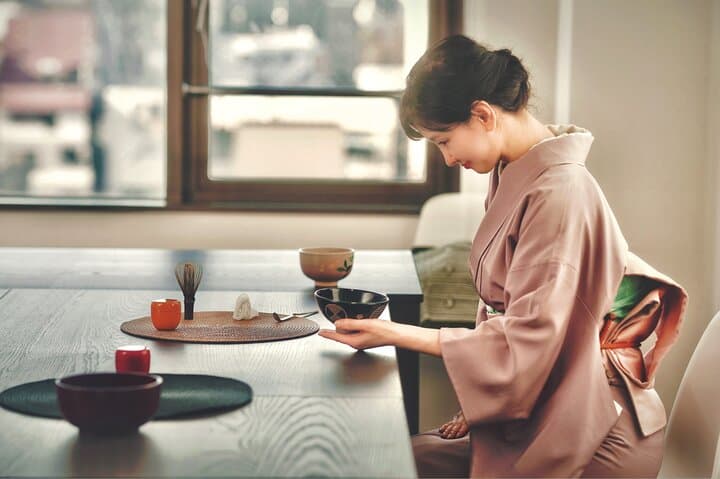
Asakusa es el lugar más fácil de Tokio para alquilar un kimono, con prueba, obi y peinado desde unos ¥3,000–5,000 por la tarde; luego pasea por las callejuelas del templo vestido para las fotos. Corona el día con una ceremonia del té: un anfitrión bate el matcha, sirve dulces wagashi y explica la coreografía de reverencias y giros del cuenco. Las sesiones duran unos 45–60 minutos y las pequeñas salas se llenan, así que reserva tu plaza por adelantado.
Si tienes otra hora
Añade una artesanía práctica para llevarte el día a casa. Los talleres de caligrafía te enseñan a moler la tinta y pintar con pincel tu kanji favorito sobre papel washi, y muchas casas de té ofrecen sesiones combinadas de té y caligrafía. Es un final del día tranquilo y concentrado y, a diferencia de un recuerdo de Nakamise, este lo hiciste tú mismo.
Reserva las experiencias de este itinerario
Los tours mejor valorados para lo que recomienda este plan en Tokyo — precio por persona.