Bazares y artesanía de Jaipur: un itinerario práctico de un día
Jaipur lleva 300 años haciendo cosas a mano: textiles estampados, cerámica azul, plata y gemas talladas. Este día temático cambia los monumentos por los artesanos, avanzando desde un taller de estampado por los bazares codificados por colores de la ciudad vieja hasta una clase de cocina casera. Aquí te contamos cómo aprovecharlo, con las experiencias de Jaipur mejor valoradas para reservar.
De un vistazo
- 1Taller de estampado a mano
- 2Paseo por los bazares de la ciudad vieja
- 3Barrio de gemas y joyería
- 4Clase de cocina rajastaní
Mañana: un taller de estampado
Empieza en un taller de estampado a las afueras de la ciudad, donde los artesanos siguen estampando la tela a mano con bloques tallados de teca y tintes naturales. Un taller de media jornada te permite tallar o entintar tu propio pañuelo para llevártelo a casa, y la mayoría incluye una demostración del secado al sol y el lavado que fijan el color. Las sesiones son de grupos pequeños y se llenan en temporada alta, así que reserva tu plaza desde unos 30 $ con unos días de antelación.
Mediodía: paseo por los bazares y el barrio de las gemas
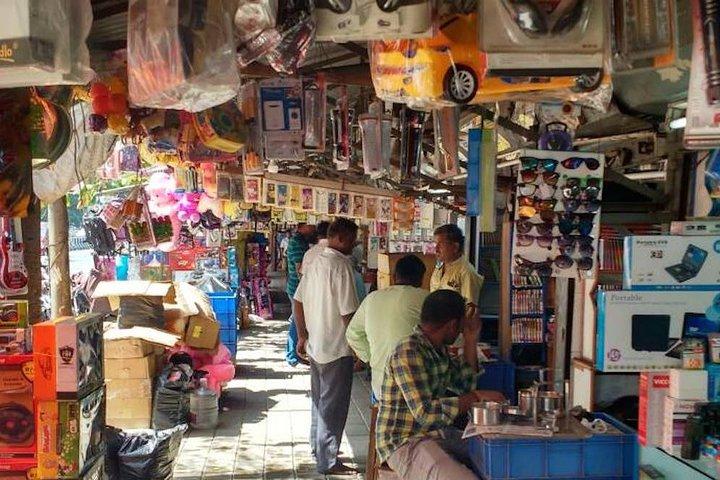
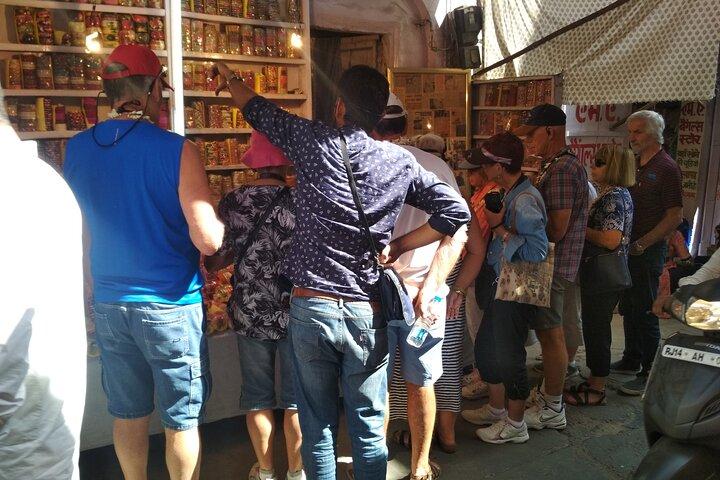
La ciudad amurallada de Jaipur es una cuadrícula de mercados especializados: Johari Bazaar para oro y gemas, Bapu Bazaar para textiles y juttis, Tripolia para brazaletes de laca y objetos de latón. Un paseo de compras guiado —a menudo en tuk-tuk— te lleva a los talleres detrás de los escaparates y te ayuda con el regateo. Jaipur es un centro mundial de gemas talladas, así que una parada en el barrio de la joyería merece la pena aunque solo sea para ver trabajar a los lapidarios.
Noche: una clase de cocina rajastaní
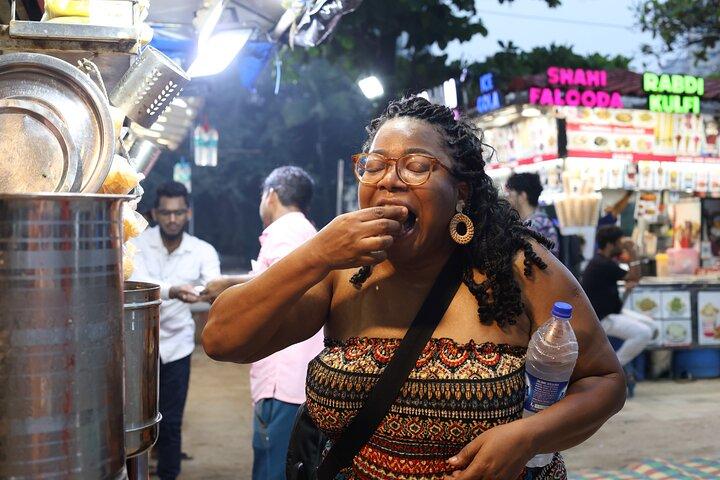
Cierra el día en la cocina de una familia local aprendiendo a preparar clásicos rajastaníes: dal baati churma, gatte ki sabzi, chapatis recién hechos y masala chai. Muchas clases empiezan con una visita guiada al mercado de especias para comprar los ingredientes y luego se sientan a comer lo que has cocinado. Es un final fácil y relajado, normalmente de 3–4 horas desde unos 25 $ por persona con recogida incluida.
Reserva las experiencias de este itinerario
Los tours mejor valorados para lo que recomienda este plan en Jaipur — precio por persona.