Subah e Banaras Sunrise Boat Ride Morning Aarti and Rituals


Description
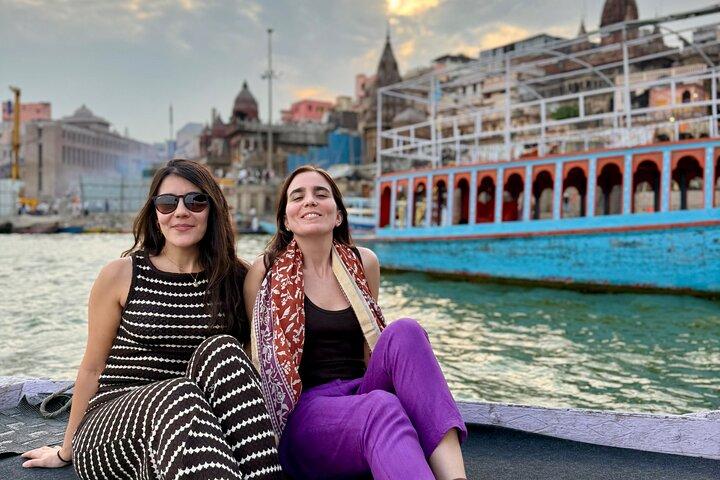
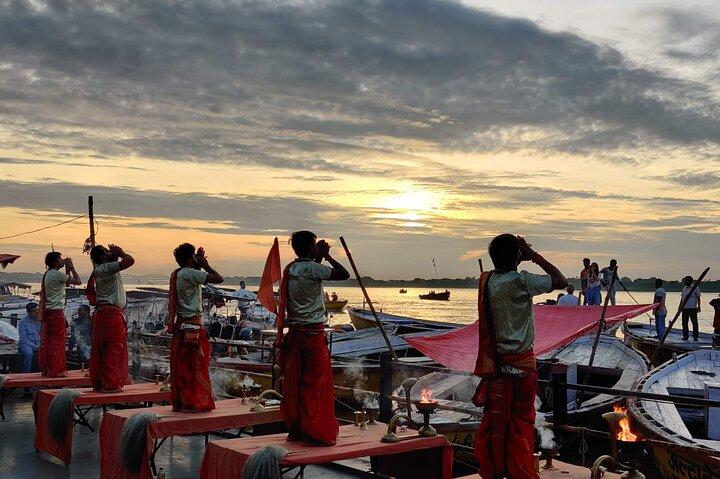
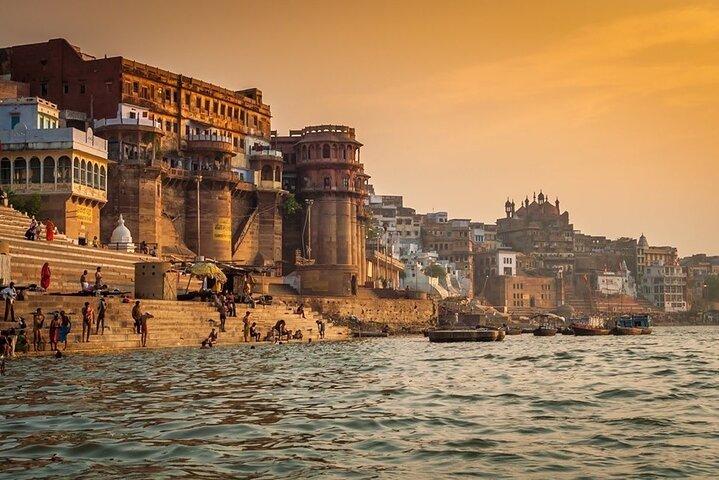
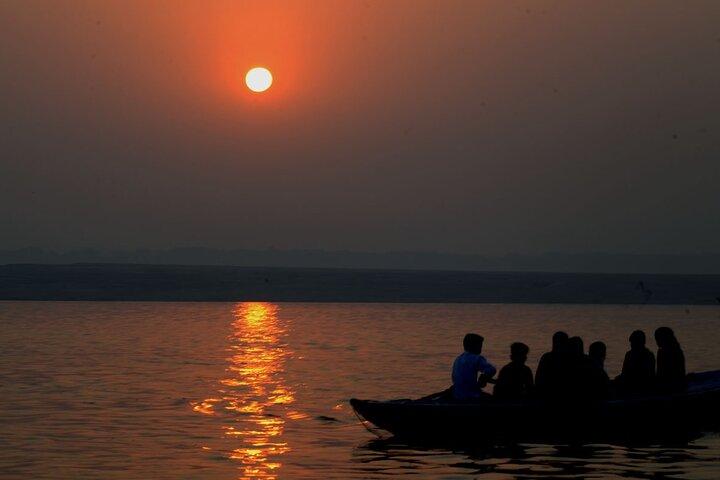
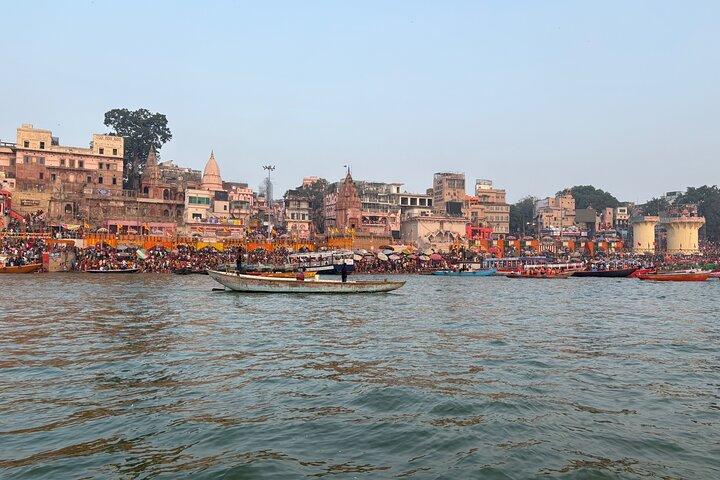
Subah-e-Banaras: Sunrise Boat Ride, Morning Aarti & Rituals in Varanasi: Begin your day with the divine Subah-e-Banaras experience — a soul-stirring sunrise journey on the sacred Ganges. Witness the enchanting Morning Aarti at Assi Ghat, where priests, music, and mantras welcome the first light of the day. Glide on a private boat as the sun rises, illuminating ancient ghats and morning rituals along the river. Feel the peaceful rhythm of local life and the city’s deep spirituality. Guided by a licensed professional, this serene experience captures the timeless essence of Varanasi — pure, sacred, and unforgettable. Highlights: ✅ Witness Subah-e-Banaras Morning Aarti at Assi Ghat ✅ Exclusive sunrise boat ride on the Ganges ✅ Licensed & professional local guide ✅ Observe morning prayers and rituals on the ghats ✅ Peaceful private experience to feel true Varanasi
Tour Options
Itinerary
Assi Ghat marks the sacred confluence of the Ganga and Assi Rivers, making it one of the most vibrant ghats in Varanasi. It’s famous for the soulful Subah-e-Banaras sunrise ceremony that includes yoga, chanting, and live music by the river. Pilgrims take a holy dip here before worshipping Lord Shiva at the nearby Assi Sangameshwar Temple. With its calm yet lively aura, Assi Ghat beautifully captures the essence of Varanasi’s spiritual and cultural charm.
Tulsi Ghat is named after the revered poet-saint Goswami Tulsidas, who composed the Ramcharitmanas here. The ghat is serene and deeply spiritual, dotted with shrines dedicated to Lord Rama. It is also known for its traditional wrestling akharas and festivals like Tulsi Jayanti and Nag Nathaiya. A visit to Tulsi Ghat reveals the literary and devotional legacy of Varanasi, blending divine devotion, cultural heritage, and the tranquil beauty of the Ganges.
Chet Singh Ghat stands as a symbol of royal valor and architectural grandeur. The impressive Chet Singh Fort, built by Raja Chet Singh in the 18th century, dominates the ghat’s skyline. This site witnessed a historic battle between Chet Singh and the British forces. Today, the ghat offers a peaceful view of the Ganga and is a reminder of Varanasi’s regal past. It’s an ideal stop for travelers interested in history, architecture, and ancient tales of Kashi.
Harishchandra Ghat is one of the oldest cremation ghats in Varanasi, second only to Manikarnika Ghat. It is named after the legendary King Harishchandra, who served here in adherence to truth and duty. Hindus believe that cremation at this sacred site grants moksha, or liberation from the cycle of birth and death. The ghat’s continuous flame and solemn rituals reflect the eternal rhythm of life and death along the holy Ganges.
Kedar Ghat is a vibrant and colorful spot popular among South Indian pilgrims visiting Varanasi. It houses the ancient Kedareshwar Temple, dedicated to Lord Shiva, which resembles the Kedarnath Temple in Uttarakhand. The ghat is known for its beautiful steps, devotional chants, and refreshing morning scenes. The waters here are believed to be especially holy. Kedar Ghat is a peaceful place to experience Varanasi’s living spirituality, traditional rituals, and South Indian cultural influence.
Raja Ghat, built in 1720 by Raja Rao Balaji, stands as a graceful reminder of Varanasi’s royal past. The ghat features the elegant Peshwa Haveli, reflecting fine Maratha architecture and heritage. Once a bathing place for nobility, Raja Ghat is now a peaceful retreat along the Ganges, ideal for meditation and photography. Its broad stone steps, quiet surroundings, and historic charm offer visitors a glimpse into the regal traditions that once flourished on the sacred riverbanks of Kashi.
Darbhanga Ghat, one of the most magnificent ghats in Varanasi, was built by the Darbhanga royal family of Bihar in the early 20th century. The highlight is the grand Darbhanga Palace, constructed in red sandstone with splendid balconies and pillars overlooking the Ganga. Its regal architecture reflects a blend of Rajasthani and Mughal styles. Today, part of the palace functions as a heritage hotel, offering guests a royal stay by the river. Darbhanga Ghat’s majestic beauty, especially during sunrise, makes it a photographer’s and traveler’s delight in Varanasi.
Ahilyabai Ghat, named after the legendary Queen Ahilyabai Holkar of Indore, stands as a tribute to her devotion and philanthropy. In the late 18th century, she rebuilt several temples in Varanasi, including the sacred Kashi Vishwanath Temple, and renovated this ghat for pilgrims’ use. The ghat is simple yet spiritually powerful, connecting directly to the heart of Varanasi’s religious life. Its proximity to Dashashwamedh Ghat and Vishwanath Temple makes it a sacred stop for devotees seeking purification and blessings on the banks of the Ganga.
Dashashwamedh Ghat is the most spectacular and lively ghat in Varanasi. According to legend, Lord Brahma performed ten horse sacrifices (Dashashwamedh Yajna) here. Every evening, the grand Ganga Aarti illuminates the steps with lamps, chants, and divine energy. It’s the heart of Varanasi’s spiritual life, attracting thousands of visitors daily. A sunrise boat ride or evening aarti experience at Dashashwamedh Ghat is truly the soul of the Varanasi journey.
Manikarnika Ghat is the most sacred cremation ground in India, symbolizing the eternal cycle of life and death. It is believed that Goddess Parvati’s earring (Manikarnika) fell here, sanctifying the spot forever. Hindus believe that those cremated here attain moksha, or liberation. Despite its intense spiritual significance, the ghat’s atmosphere is deeply peaceful and transformative. Visiting Manikarnika Ghat offers a profound understanding of the philosophy that defines Varanasi’s spiritual essence.
Panchganga Ghat marks the mythical confluence of five holy rivers—Ganga, Yamuna, Saraswati, Kirana, and Dhutpapa. The revered Bindu Madhav Temple stands on its steps, drawing devotees year-round. Once a major learning center for scholars, the ghat retains its historic charm and serenity. The tranquil ambiance, ancient rituals, and religious significance make Panchganga Ghat one of Varanasi’s most spiritually enriching and historically important places to visit.
Highlights
What's included
Traveller Ratings
Important Information
- Infants and small children can ride in a pram or stroller
- Public transportation options are available nearby
- Infants are required to sit on an adult’s lap
- Specialized infant seats are available
- Not recommended for travelers with spinal injuries
- Not recommended for pregnant travelers
- Not recommended for travelers with poor cardiovascular health
- Suitable for all physical fitness levels
Reviews(3)
xperiencing Subah-e-Banaras from a boat on the Ganges was truly one of the most peaceful and memorable moments of my trip to Varanasi. Watching the city slowly wake up as the first light of dawn touched the ghats was incredibly calming — the entire atmosphere felt sacred and filled with a deep sense of stillness. The boat ride allowed us to witness the morning rituals, prayers, and the timeless rhythm of life along the ghats from a beautiful vantage point. There was something magical about the quiet of the river, the soft sound of temple bells, and the golden sunrise reflecting on the water. Our host was extremely kind, warm, and knowledgeable. They explained the history, traditions, and significance of the ghats in a very engaging way, which made the experience even more meaningful. You could really feel their passion for the city and its culture. The whole tour was very well organized and unhurried, allowing us to truly soak in the serenity of the morning. If you want to experience the spiritual essence of Varanasi in the most peaceful way possible, the Subah-e-Banaras boat ride is something I would highly recommend. It’s not just a tour — it’s a deeply calming and beautiful experience that stays with you long after it ends
It was a wonderful experience organised very well. Vinod ji was explaining the details very well. Even though there was fog he guided us in detail and ensured safety first. He was patient and descriptive on his explanations
What an unforgettable experience! The Subah-e-Banaras sunrise tour was truly magical and one of the most peaceful moments I’ve ever had in Varanasi. Watching the Morning Aarti at Assi Ghat as the sun slowly rose over the Ganges was simply breathtaking — the sound of chants, temple bells, and the golden reflection on the water created an atmosphere of deep spirituality. The boat ride was calm and beautifully guided; our licensed local guide shared fascinating stories about the ghats, traditions, and morning rituals. It felt like stepping into the living soul of the city. Seeing people perform yoga, offering prayers, and bathing in the holy river gave me a glimpse of Varanasi’s eternal connection with faith and life. This experience left me feeling peaceful and inspired. If you visit Varanasi, don’t miss Subah-e-Banaras — it’s the most authentic and serene way to start your day.