Nara: Yakushiji Tour – Toshodaiji or Sutra Copying Option

Description
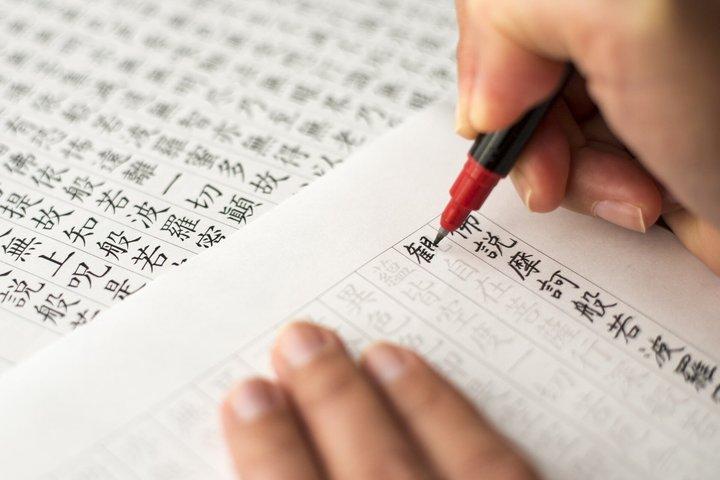
Unlike standard temple visits that focus mainly on sightseeing, this experience offers a structured exploration of early Japanese Buddhism centered on Yakushiji Temple, one of Nara’s most significant historic sites. With expert guidance, you will not only see iconic structures such as the East Pagoda—often called “frozen music”—but also understand their architectural symbolism and artistic refinement. The optional extensions deepen the experience. Adding Toshodaiji Temple, founded by the Chinese monk Ganjin, reveals the international transmission of Buddhist teachings between China and Japan. Alternatively, the sutra copying experience at Genjo Sanzoin Garan allows you to engage directly with Buddhist practice in a contemplative setting. Rather than a simple walk-through, this tour connects architecture, sculpture, and living religious tradition into one coherent story—ideal for travelers seeking context and deeper understanding beyond photographs.
Tour Options
Itinerary
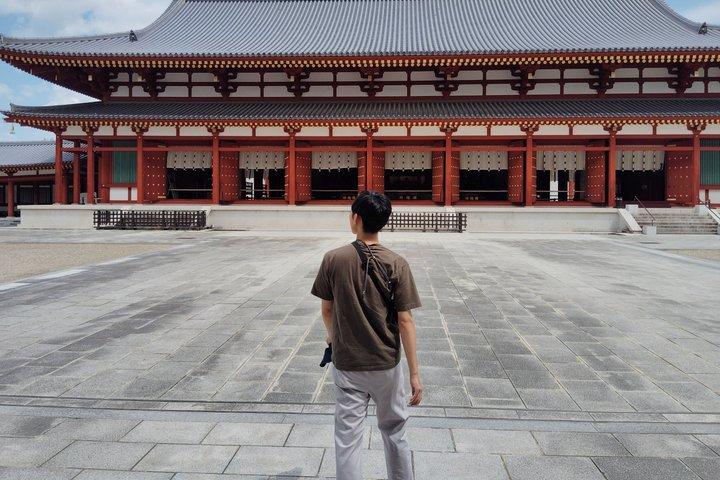
Yakushiji Temple is one of the most important temples of early Japanese Buddhism and a designated UNESCO World Heritage Site as part of the “Historic Monuments of Ancient Nara.” Originally founded in the late 7th century and later relocated to Nara, Yakushiji played a central role in the development of state-sponsored Buddhism during the Nara period. The temple is renowned for its elegant architectural harmony, particularly the contrast between the ancient East Pagoda and the reconstructed West Pagoda. The East Pagoda, often described as “frozen music” because of its rhythmic rooflines, is the only original Nara-period structure remaining on the grounds. Inside the Main Hall (Kondo), visitors can admire the Yakushi Triad, a masterpiece of Buddhist sculpture that reflects the spiritual and artistic sophistication of the era. Yakushiji offers deep insight into the philosophy, art, and political importance of Buddhism in early Japan.
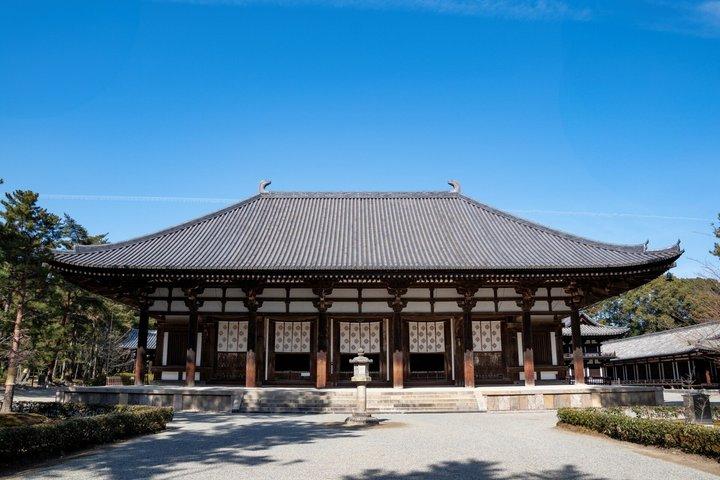
Toshodaiji Temple, included in the Yakushiji + Toshodaiji option, is another UNESCO World Heritage Site with profound historical significance. Founded in 759 by the Chinese monk Ganjin (Jianzhen), the temple represents the transmission of Buddhist teachings and culture from Tang China to Japan. Ganjin endured multiple failed voyages before successfully reaching Japan, where he helped establish proper monastic discipline. Toshodaiji’s Golden Hall (Kondo) is one of the finest surviving examples of Nara-period architecture and houses magnificent Buddhist statues, including a serene seated Rushana Buddha. The temple complex reflects both continental influence and the maturation of Japanese Buddhist aesthetics. Visiting Toshodaiji provides a broader understanding of how international exchange shaped early Japanese religion and culture.
Highlights
What's included
Traveller Ratings
Important Information
- Public transportation options are available nearby
- Suitable for all physical fitness levels
Reviews(1)
Our guide was Yosh. She was fabulous. She took us to each of the pagodas inside the Yakushiji and the large gold Budha at Toshyodaliji. She was very thorough and explained the importance of each of the statues. In addition to her wonderful guide, she gave wonderful advice and things to see after our tour. Yosh has been our best guide in Japan.