Naoshima Island 1 Day Tour from Osaka for JR Pass Holder Only
Description
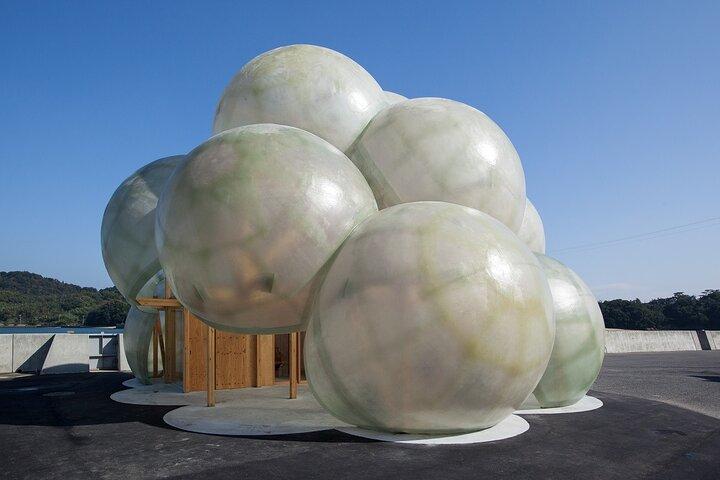
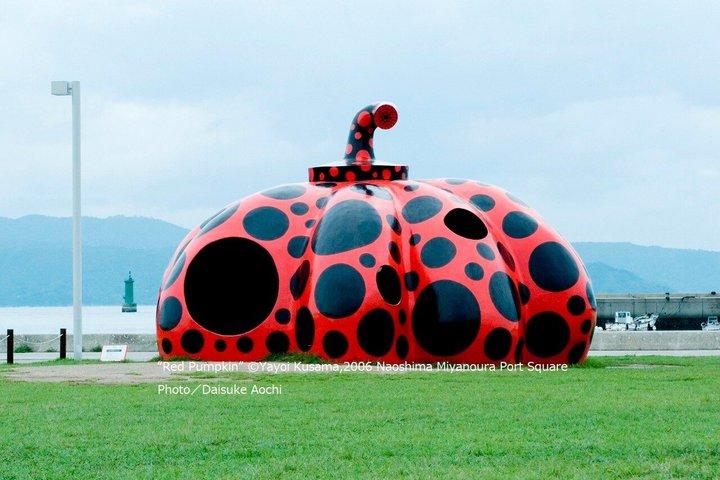
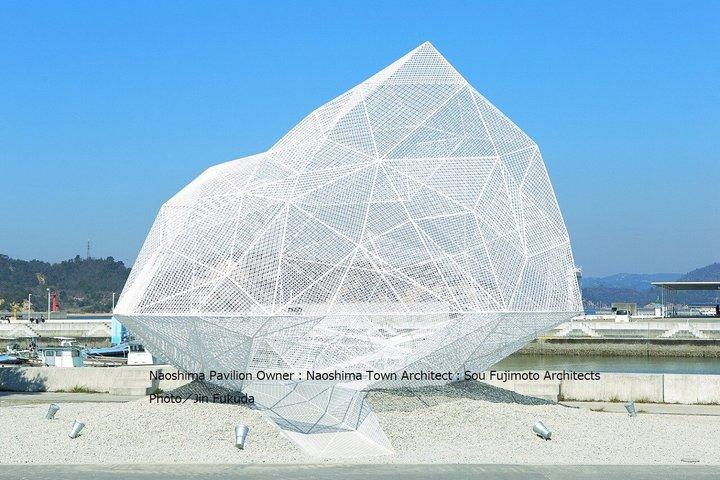
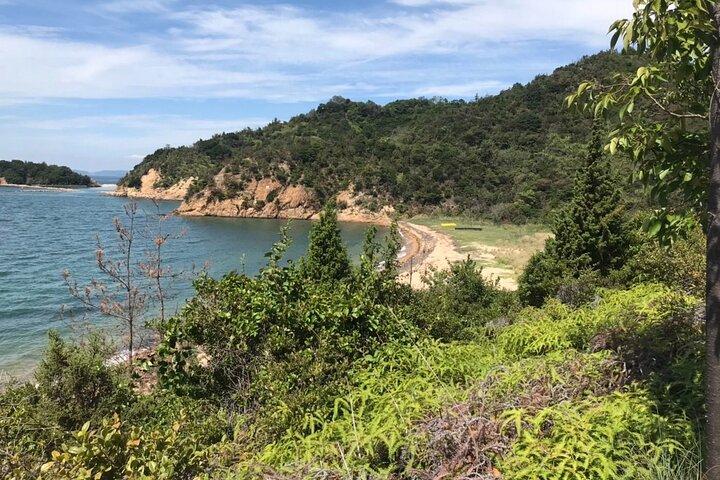
This is limited tour for who own the JR pass only. Escape the city and discover Naoshima, Japan’s world-famous "Art Island" nestled in the scenic Seto Inland Sea. Renowned globally for its striking contemporary art museums, avant-garde architecture, and iconic outdoor sculptures (including Yayoi Kusama’s famous pumpkins), this island is a must-visit destination for art lovers and nature enthusiasts alike. This hassle-free 1-day tour begins right from Osaka (Shin-Osaka Station). Accompanied by a friendly, professional English or Spanish-speaking guide, you will enjoy a speedy Shinkansen (bullet train) ride to Okayama, followed by a scenic ferry cruise across the sparkling Seto Inland Sea to Naoshima. Once on the island, you’ll hop onto an E-bike for a breezy, active 7-hour guided ride. Feel the sea breeze as you effortlessly cycle between world-class museums, stunning coastal roads, and charming local villages.
Tour Options
Itinerary
Meet your guide at Shinkansen central gate of Shin Osaka station. This tour is FOR THE TRAVELERS WITH JAPAN RAIL PASS. So please use your own JR PASS. We will take Shinkansen Sakura545. (07:15am Shin-Osaka → 08:04am Okayama) After we will take Marine liner 11. (08:24Okayama station ⇒ 08:38am Chayamachi) And then we will take ordinary train to Uno station. (08:41Chayamachi Station ⇒ 09:10amUno Station) And transfer to Naoshima by ferry. (09:22Uno port ⇒ 09:42am Miyaura (Naoshima) port)
We will rental bicycle at Ougiya(If customer can not drive bicycle will change to use local bus) Depature time is around 10:30am)
A museum resulting from the collaboration between internationally acclaimed artist Lee Ufan, presently based mainly in Europe, and architect Tadao Ando. The Ando-designed semi-underground structure houses paintings and sculptures by Lee spanning a period from the 1970s to the present day. Lee's works resonate with Ando's architecture, giving visitors an impression of both stillness and dynamism. Located in a gentle valley surrounded by hills and the ocean, the museum offers a tranquil space where nature, architecture and art come in resonance with each other, inviting to peaceful and quiet contemplation, in a society overflowing with material goods.
Benesse House Museum (ticket excluded) This museum opened in 1992 as a facility integrating a museum with a hotel, based on the concept of "coexistence of nature, art and architecture." Designed by Tadao Ando, the facility is built on high ground overlooking the Seto Inland Sea and features large apertures that serve to open up the interior to the splendid natural surroundings. In addition to exhibiting the painting, sculpture, photography, and installations in its collection, the Museum also contains permanent site-specific installations that artists have created especially for the building, selecting locations on their own and designing the works for those spaces. The Museum's artworks are found not just within its galleries, but in all parts of the building, as well as in scattered locations along the seashore that borders the complex and in the nearby forest.
Chichu Art Museum (ticket -excluded) This museum was constructed in 2004 as a site rethinking the relationship between nature and people. The museum was built mostly underground to avoid affecting the beautiful natural scenery of the Seto Inland sea. Artworks by Claude Monet, James Turrell, and Walter De Maria are on permanent display in this building designed by Tadao Ando. Despite being primarily subterranean, the museum lets in an abundance of natural light that changes the appearance of the artworks and the ambience of the space itself with the passage of time, throughout the day and all along the four seasons of the year. Taking form as the artists and architect bounced ideas off each other, the museum in its entirety can be seen as a very large site-specific artwork.
If you choose the Charter Car Plan
This is an art facility created by artist Shinro Ohtake where visitors are actually able to take a bath. "I♥︎湯" was created to provide both a place for Naoshima residents to rejuvenate and as a venue for exchanges between Japanese and international visitors and locals to take place.
Visitors can walk inside this massive spotty sculpture of a pumpkin, created by artist Yayoi Kusama.
Highlights
What's included
Traveller Ratings
Important Information
- Public transportation options are available nearby
- Not recommended for travelers with spinal injuries
- Not recommended for pregnant travelers
- Travelers should have at least a moderate level of physical fitness
- You can customize it as you like. If you have any requests please let us know in advance.
- Confirm that you can ride an electric bicycle.
- Make sure that the luggage is large enough to fit in a backpack or the front basket of the bicycle.
- Do not bring suitcases.
- It is impossible to carry large luggage to the hotel by bicycle.
- If you are not able to ride a bicycle, you can still participate in the bus transportation, but all participants will have the same means of transportation.
- We cannot offer both bicycle and bus transportation at the same time.
- There is only one bus route. It is not possible to travel around the island in both directions like a bicycle, which takes a lot of travel time.
- The ferry time is limited. You cannot extend the time.
Reviews(1)
Naoshima is a must for people visiting Japan who are interested in art and/or architecture. This tour allows you to experience Naoshima as a day trip from Osaka. It is a long day, to be sure, but our guide, Sachiko, made it fun and interesting. She is a bundle of energy and kept us on the move so we could experience everything we were interested in. Note that Chichu museum is an extra fee but I highly recommend you go there. It was my favorite spot on the island. The electric bikes make getting around pretty easy although there’s a lot of walking too. Highly recommend!