Jewish Museum and Ancient Jewish District - Private guided tour

Description
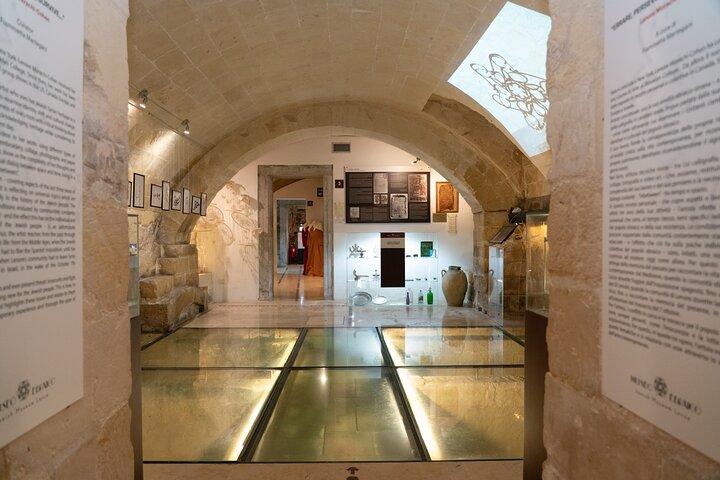
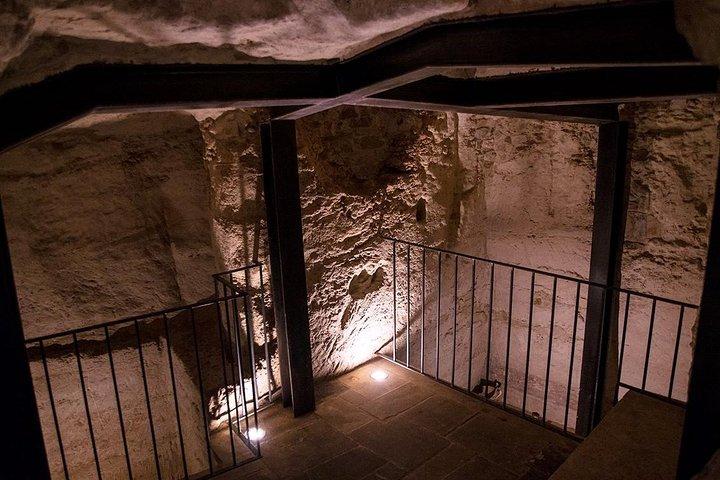
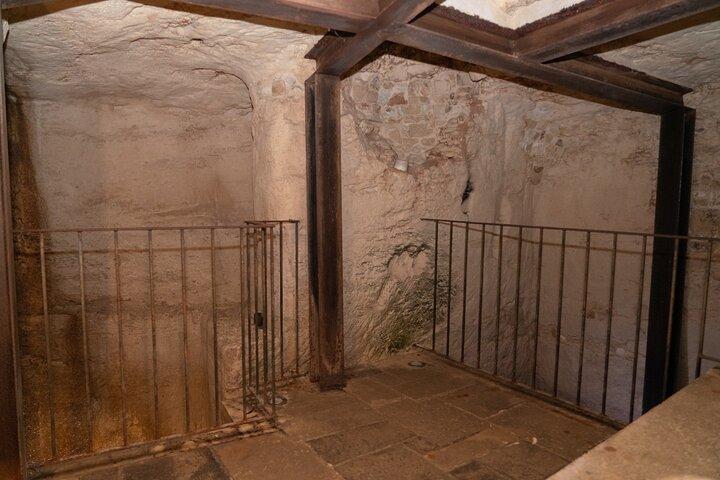
The Jewish Museum of Lecce is a place rich in history, located in the basement of a building that in the Middle Ages was the ancient synagogue of the city. During the visit it is possible to see important elements related to the Jewish religious life, such as the tanks (Mikwe'ot) used for the ritual ablutions, fundamental for the purification according to the Jewish tradition. It is also possible to admire a niche in the door frame, an architectural detail that once housed a mezuzah. The tour continues outside, in the heart of the old Jewish quarter of Lecce, following the streets that once formed the city's Giudecca. This tour offers a unique opportunity to discover not only the history of Lecce, but also the history of the Jewish community of Lecce.
Tour Options
Itinerary
Lecce Jewish Museum and ancient Jewish quarter
Highlights
What's included
Traveller Ratings
Important Information
- Wheelchair accessible
- Infants and small children can ride in a pram or stroller
- Service animals allowed
- Public transportation options are available nearby
- Suitable for all physical fitness levels
Reviews(109)
The guide Chiara was knowledgeable, offered insight into broader Jewish encounters in Puglia, The AI assisted video presentations were good for all ages. A must if you have interest in history of “Dead Jews”communities. The book of Jews in the Salento sold at the Museum is recommended reading.
This was one of the most fascinating and meaningful experiences we had in Lecce. The museum itself is relatively new, having been uncovered only about a decade ago after a local family helped bring attention to the site’s hidden history. We originally visited because we were curious about why one of the nearby streets was called “Synagogue Street,” and we left with a deep understanding of the rich Jewish history of Lecce and Puglia. The museum beautifully tells the story of the Jewish community that once thrived here—how Jewish people came to the region, the important role they played in local life, why they were eventually forced to leave, and what became of the Jewish quarter afterward. It sheds light on a part of Lecce’s history that many visitors might otherwise never discover. What made the experience especially memorable was that the guides are archaeologists themselves. Their passion and expertise brought the site to life, and they were able to answer every question with incredible detail and insight. It felt less like a museum tour and more like a conversation with the people actively uncovering and preserving this history. The museum also does an excellent job of using modern technology, including AI and multimedia elements, to help visitors visualize the past and connect with the stories of the people who lived there centuries ago. I highly recommend this museum to anyone visiting Lecce, whether you have a personal connection to Jewish history or simply enjoy learning about the layers of history that shape a place. It provides a powerful and moving perspective on the city’s identity and is truly a hidden gem.
Chaira Was super knowledgeable And such a pleasant tour guide. We are grateful To the non-Jewish families who ensir d that the Jewish people and history in lecce was not forgotten!! The AI used in the movies to educate us about the former Jewish population here was incredibly meaningful. This is a must visit!
Regardless of how long ago the Jewish culture was buried here, it has lost none of its fascination. This is also evidenced by the private initiative of this unique museum.
We visited the Jewish Museum of Lecce with Ciara as our guide who was excellent. The museum tells the story of a Jewish community that lived here until 1541, when they were expelled during the Inquisition. The old synagogue was transformed into a church, and it’s interesting to see how pieces of that past are still being found (some remains are even in a nearby B&B which we could not visit). The museum also covers the period after the Shoah, with 3 camps in the region and what happened to survivors before they emigrated. There’s no Jewish community here today, which makes this privately funded museum feel even more meaningful. Thank you to the families who support this museum. It's definitively worth visiting and was the highlight of our trip to Lecce. Go for the 1-hour guided tour.
Interesting and well-structured guided tour, With footage finds and outdoor tour in the ancient Jewish quarter. An hour of your time well spent you will not regret it.
I participated in the visit of this museum, an experience that increases, museum small but full of testimonies.The guide (a sunny girl with glasses) who accompanied me (sorry not to remember the name) was exceptional both from the point of view of kindness and from the point of view of his preparation on the topic.It was an hour (even a few minutes more) interesting and very pleasant (when you say the time well spent).The visit is fully worth the price of the ticket.Go and visit it you will be satisfied.
This was a pleasant surprise to find and to learn about the history of Jewish life in Lecce and the region of Puglia, in general. Although the standard tour is 20 min, I recommend giving 35-40min to read through and absorb the stories. I hope the city will find ways to invest in further study of Jewish history in the region. Note that the Jewish community was NOT in a ghetto; they had their own vibrant quarter. A ghetto is forced, closed, and imposed a curfew. A quarter is a chosen location typically to be able to create or be part of a community.
A fascinating look into a forgotten part of Lecce’s history. The museum was very nice and our guide, Max, was absolutely wonderful and informative. My only criticism is that much of the information was repeated throughout the one hour tour and a good deal of time was spent watching CG animations.
Wonderful to hear the stories of the Jews in this area and to see the remnants of the synagogue restored so beautifully. It’s great to see how the community has embraced the idea of adding Hebrew to the street signs in the former Jewish Ghetto.