Tour nach Maras Moray und Salineras 1/2 Tag


Beschreibung
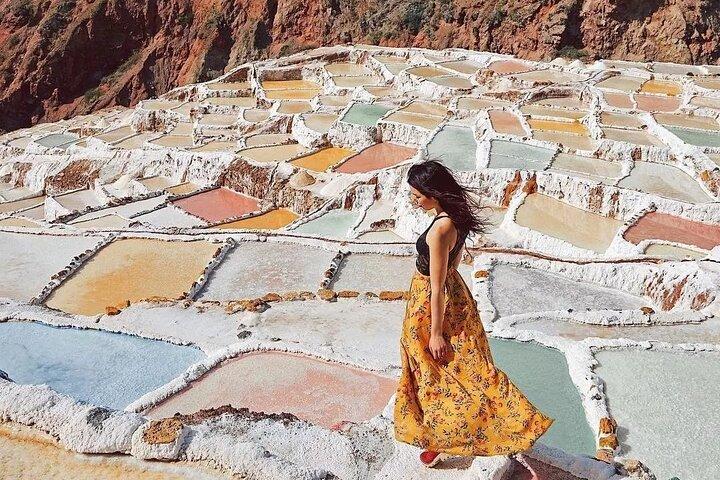
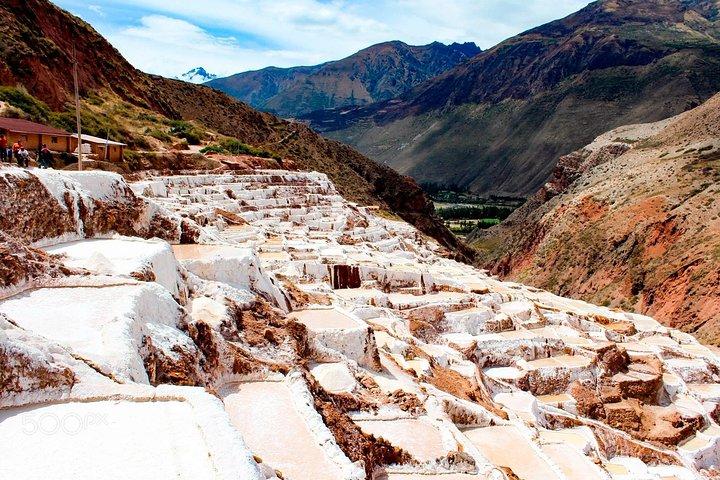
Zwischen 8:45 Uhr und 9:00 Uhr holen wir Sie von Ihren jeweiligen Hotels ab, um Sie in die Stadt Maras zu fahren, eine malerische Gemeinde mit wunderschönen Landschaften; Muräne; landwirtschaftliches Forschungszentrum und Salineras, wo wir eine Salzwasserquelle finden, aus der durch Verdunstung Salz gewonnen wird.
Tour-Optionen
Reiseverlauf
Die Stadt Maras wird unser erster Besuchspunkt sein. Die Villa de San Francisco de Asís (der wichtigste Salzlieferant des südlichen Hochlands), die während des Vizekönigreichs von großer Bedeutung war, wurde von der Kirche und den Häusern, die noch immer die Schutzschilde des indigenen Adels an ihren Fassaden bewahren, zum Beweis gestellt.
Die Salineras de Maras, unser zweiter Besuchspunkt, gehört zu der Stadt Maras, die während des Vizekönigtums von großer Bedeutung war. Sie war der wichtigste Salzlieferant des südlichen Hochlands, wie die Kirche und die Herrenhäuser bezeugen, die noch immer die Schutzschilde des Adels bewahren Einheimische an seinen Fassaden. Die Salzminen von Maras überraschen den Besucher mit mehr als dreitausend Brunnen, die derzeit von mehr als 360 Familien bewirtschaftet werden, die diese handwerkliche Arbeit geerbt haben. Die Vermarktung des Salzes obliegt dem Verein Maras Sal, der seit Ende der 80er Jahre für die Wahrung der Gemeinschaftsinteressen zuständig ist.
Unsere Exkursion wird fortgesetzt, um die kreisförmigen Terrassen von Moray zu besichtigen, die ein Beispiel dafür sind, wie der Andenmensch die Natur herausgefordert und seine geografische Umgebung zu seinem Vorteil genutzt hat. Diese kreisförmigen Plattformen dienten als landwirtschaftliches Labor, das den Erhalt einer Vielzahl von Arten ermöglichte Kartoffeln, Mais, unter anderem.
Diese Stadt liegt 28 km von Cusco entfernt an der asphaltierten Straße nach Urubamba. Wo sich die Überreste der ehemaligen königlichen Hacienda von Túpac Inca Yupanqui befinden “, ist es wie ein wunderschöner Kolonialtempel, der auf Inka-Fundamenten errichtet wurde und seine größte Attraktion darstellt. Es ist jedoch der Kunsthandwerksmarkt, der ursprünglich dem Austausch landwirtschaftlicher Produkte zwischen den Dorfbewohnern des Tals und denen der oberen Teile gewidmet war. Derzeit ist der Markt ein wahres Farben- und Bewegungsspektakel, das den Touristen mit seinem Angebot an Kunsthandwerk und textilen Kleidungsstücken im reinsten präkolumbianischen Stil fasziniert. Ende der Dienste
Highlights
Was ist inklusive
Bewertungen der Reisenden
Wichtige Informationen
- Nicht empfohlen für Reisende mit Herz-Kreislauf-Schwäche
- Für alle Fitnesslevel geeignet
Bewertungen(34)
My wife and I toured the Salinas de Maras on a day trip during our visit to Peru this past July. It is fascinating how the salt pools have been developed for hundreds of years. Our guide told us that families in the local town own individual pools and have made enough money to send their children to college. We bought a couple of kilos of salt to take home for gifts.
Interesting. Be sure to stop for photos on the ridge above. Not Much time needed actually. Interesting from a cultural perspective. Worth visiting but not wow, wow.
Really interesting and beautiful stop while in Cusco or like I did from Sacred Valley. It’s a must see and highly recommend visiting during the dry season. The tour guide explained that when it’s the rainy season you can’t appreciate the beauty of this place. We had a driver take us and in cost us 20 soles per person to enter the salt mines. Once you take your pictures and enjoy the views don’t forget to stop at the local vendors on the way out and try the chocolate samples they offer I bought the salted chocolate and the maracuya chocolate bars they where delicious!
One of the most interesting places to meet. Amazing. Arriving through the precipice is scary, even more when the van has to give re to give way to other cars.
The salt pans are impressive both visually and from a cultural and historical perspective; to think that the production of mountain spring salt is more than 3000 years old since the ancient inhabitants, before the Incas, did it very similar to how they are done today is something that few can imagine. Ideally, a local guide can compare you on the visit so you can get to know all the technical and historical details of the production and culture.
Surprising, these salt terraces fed by water from the melting ice of the mountains. This gives a "snowy" rendering and a titanic job to collect the kilos of salt, add to that a history of property and ancestral heritage. We were delighted to discover this site a little off the beaten track. How beautiful nature is!
An incredible landscape. A cooperative that has a legacy. You can buy chocolate with fleur de sel or small sachets of salt. Nature proves once again that it is well made.
Bonjour, Merci beaucoup pour votre commentaire ! Nous sommes ravis que vous ayez apprécié le paysage et le travail de la coopérative. C’est merveilleux de savoir que vous avez découvert des produits locaux comme le chocolat à la fleur de sel. La nature a effectivement tant à offrir. Nous espérons vous revoir bientôt pour d'autres expériences ! Cordialement, Rolando A. Willka Travel
The place is really spectacular. From the road between mountains, to the place. Highly recommended
Just interesting, but the price charged for entry (20 soles in June 2024) is high for visitors. Structure ok, visit that lasts about 30/40 minutes. Several vans at the same time and a mess of people to take pictures. Guides are more concerned about photo than the place itself.
These salt pans are truly unique: salt water that flows from the mountains. The view is truly scenic. The small sample of free salt with the entrance ticket was also very welcome. Absolutely unmissable on a tour of the Sacred Valley.