Touren/Kyoto/Sashiko Studio Stitching im Kyotoer Kunstviertel
Sashiko Studio Stitching im Kyotoer Kunstviertel
5.0(6)Kyoto1h 30Min
VIATOR5.0(5)TRIPADVISOR5.0(1)
+14 photos
Auf einen Blick
Dauer
1h 30Min
Preis ab
$65 / Person
Ort
Kyoto, Japan
Bewertung
5.0 / 5 · 6 Bewertungen
Sprachen
EN
Gruppe
Kleingruppe, bis zu 6
Stornierung
Kostenlose Stornierung
Bestätigung
Sofort
Ticket
Mobiles Ticket oder Ticket in Papierform akzeptiert
Anbieter
Pinpoint Traveler, Inc
Treffpunkt
Wir treffen uns vor dem Sashiko Studio - nächste Station ist Kiyomizu Gojo Station (Keihan)
Beschreibung
Geschichte und Entwicklung von Sashiko
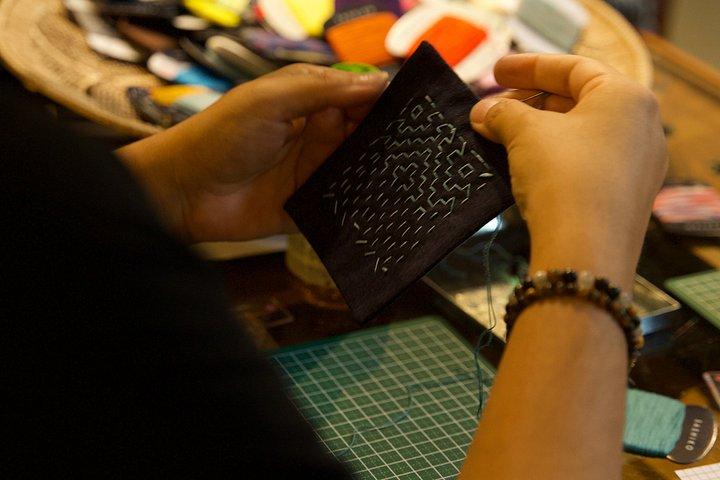
Sashiko, was „kleine Stiche“ bedeutet, stammt aus der Edo-Zeit (1603–1868). Es begann als praktischer Weg, Kleidung zu verstärken und zu isolieren, die von Bauern und Fischern verwendet wurde, um Kleidung für harte Winter zu reparieren. Im Laufe der Zeit entwickelte es sich zu einer Kunstform, wobei Regionen einzigartige Muster entwickelten, die reich an kultureller und symbolischer Bedeutung waren.
Das Workshop-Erlebnis
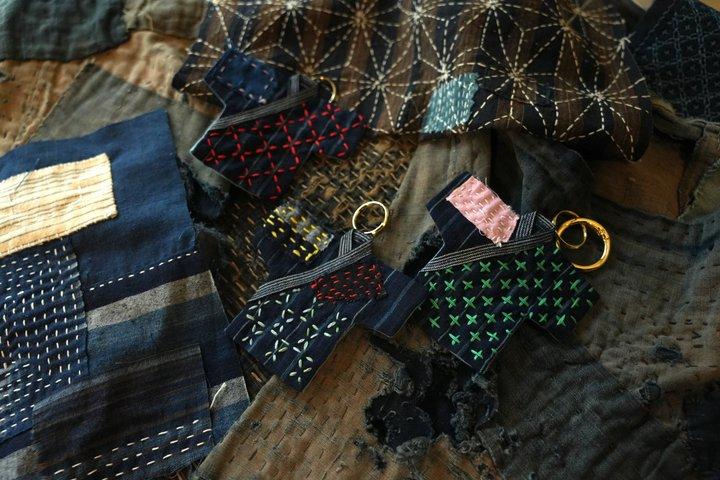
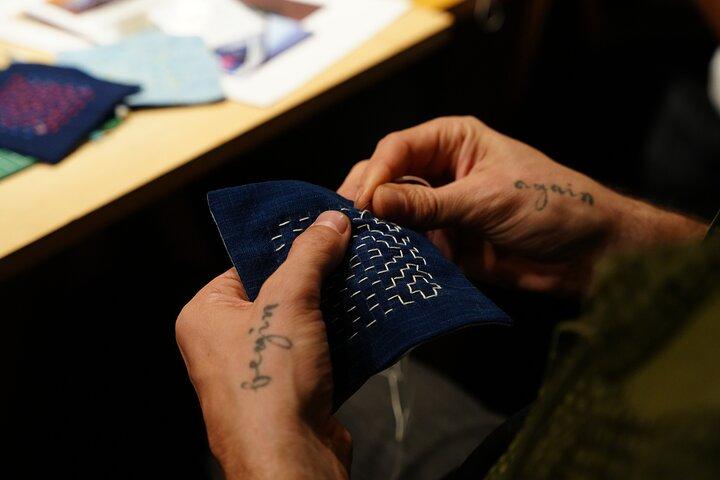
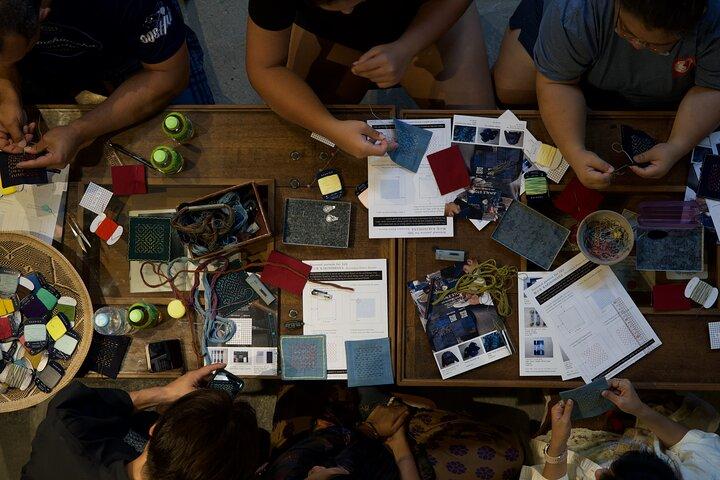
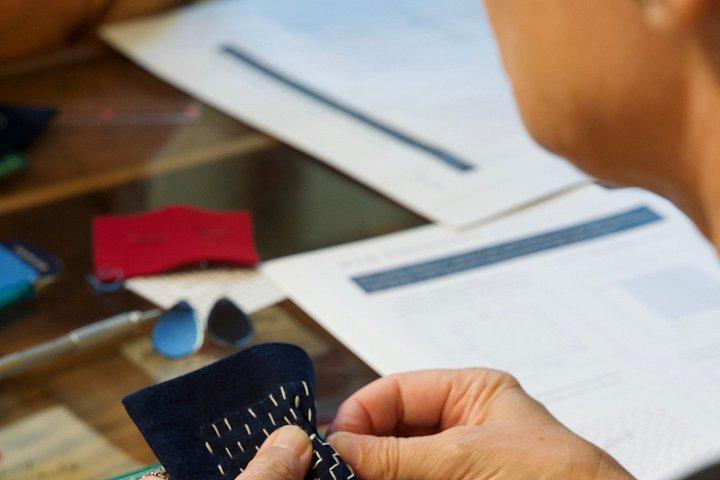
In dieser praktischen Session lernst du grundlegende Sashiko-Stiche, während du einen Schlüsselanhänger kreierst, der von einem traditionellen Hapi-Mantel inspiriert ist. Der Workshop beginnt mit einer kurzen Geschichte, gefolgt von Vorführungen und geführter Praxis. In einem historischen Kyoto-Gebäude in einem aktiven Künstlerviertel werden Sie von lokaler Kreativität umgeben nähen.
Takeaways
Sie werden mit einem handgefertigten Momento, praktischen Sashiko-Fähigkeiten und einem tieferen Verständnis der Japanischen Kultur gehen. Das Studio bietet auch kuratierte Sashiko-Waren und -Kits mit Bargeld-Rabatten.
Tour-Optionen
Sashiko Studio Stitching im Kyotoer Kunstviertel
Was ist inklusive
Inklusive
Abgeschlossenes Sashiko-Projekt : Nimm deinen handgefertigten Sashiko-Gegenstand mit nach Hause
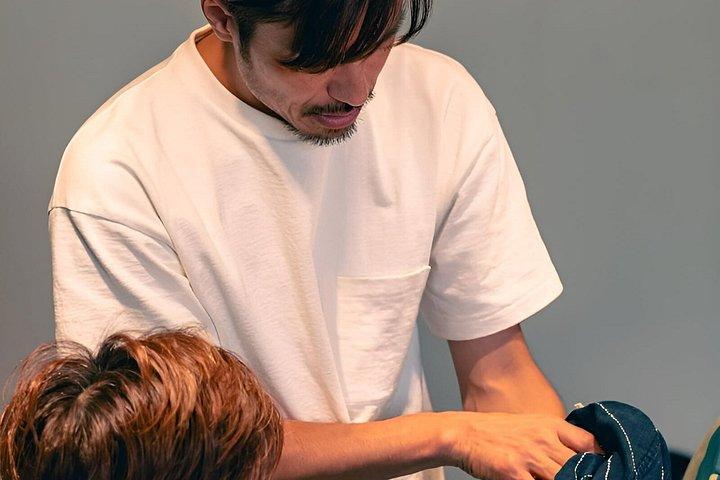
Erfahrener Instruktor : Geführte Unterweisung durch erfahrene Sashiko-Handwerker während der gesamten Werkstatt
Alle notwendigen Werkzeuge und Materialien : Stoffe, Nadeln, Fäden und andere spezifische Werkzeuge zur Verfügung gestellt
Nicht inklusive
Transport zum Veranstaltungsort
Personen- oder Reiseversicherung
Bewertungen der Reisenden
5.0
6 Bewertungen
5
6
4
0
3
0
2
0
1
0
Wichtige Informationen
Rollstuhlgerechter Zugang
Kleinkinder können in einem Kinderwagen gefahren werden.
In der Umgebung sind öffentliche Verkehrsmittel verfügbar.
Kleinkinder müssen auf dem Schoß eines Erwachsenen sitzen.
Die Transfermöglichkeiten sind rollstuhlgerecht.
Alle Bereiche und Böden sind rollstuhlgerecht.
Für alle Fitnesslevel geeignet
Stornierung
Stornieren Sie mindestens 24 Stunden vor der geplanten Abfahrtszeit, um eine vollständige Rückerstattung zu erhalten.
1+ Tage vorher100% Rückerstattung
0–1 Tage vorher0% Rückerstattung
Bewertungen(6)
B
Becky_H
June 9, 2026
Sashiko for beginners
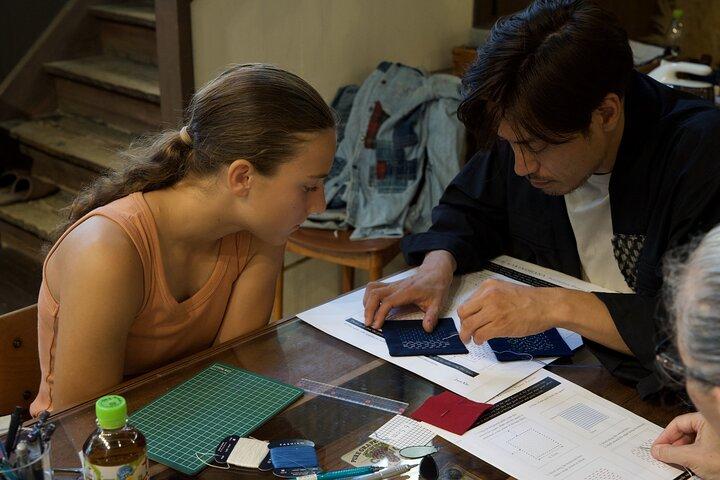
Nene is an excellent teacher! She is kind, patient, has good visual props and explanations to try basic sashiko. She welcomes mistakes for the complete beginner like I was!
Antwort des Anbieters
We are very happy to hear that you had such a wonderful time discovering the basics of Sashiko alongside Nene. It is fantastic to know that her welcoming approach and helpful props gave you the confidence to enjoy the craft as a complete beginner, and your kind words are a beautiful reward for her teaching. 😊
J
Julia_E
May 25, 2026
sashiko cultural experience
Excellent small group (6) experience with an artist who has a deep understanding, respect and passion for traditional Japanese fiber arts. Jun is a skilled contemporary artist incorporating ancient techniques into his contemporary creations. He is a patient and kind teacher. The project he chose gave all the basics of sashiko and was able to be completed in the class time.
Antwort des Anbieters
It is a pleasure to know that our small group setting provided the perfect space for you to connect with the rich traditions of Japanese fiber arts. Having a contemporary creator like Jun share his unique perspective, deep respect for ancient techniques, and patient guidance is something we consider incredibly special. We are glad that the curated project allowed you to comfortably master the basics and complete your piece within the class time.🙌
M
Marian_C
May 15, 2026
A wonderful time spent...
A wonderful time spent stitching with a very experienced sashiko teacher. I felt very welcomed and the class was unhurried, instructions clear and conversation flowed. Delightful time.
Antwort des Anbieters
It is wonderful to hear that your time stitching with us felt so welcoming and relaxed. Having an experienced instructor who can provide clear guidance while keeping the atmosphere unhurried and conversational is exactly the kind of environment we want for our guests, and knowing that you had a delightful experience means a lot to us.
C
Cheryl_Y
April 9, 2026
Complete Sashiko Immersion Experience
I learned so much about sashiko from Jun in a relaxed and informative small group setting tucked away on one of the side streets. There are hand dyed threads and sashiko supplies available for purchase. Highly recommend!
Antwort des Anbieters
Thank you for taking the time to share your experience. We’re glad to hear that learning sashiko with Jun in a small, relaxed setting felt both informative and enjoyable. Being in a tucked-away studio and having access to hand-dyed threads and materials is part of what we hope adds to the experience. 👏 We truly appreciate your recommendation.
E
Etta M
March 20, 2026
Where Thread Meets Tradition: My Sashiko Experience in Kyoto
Learning Sashiko stitch work from Jun was one of the highlights of visiting Kyoto. From the moment the workshop began, it was clear how deeply he values both the craft and its lineage.
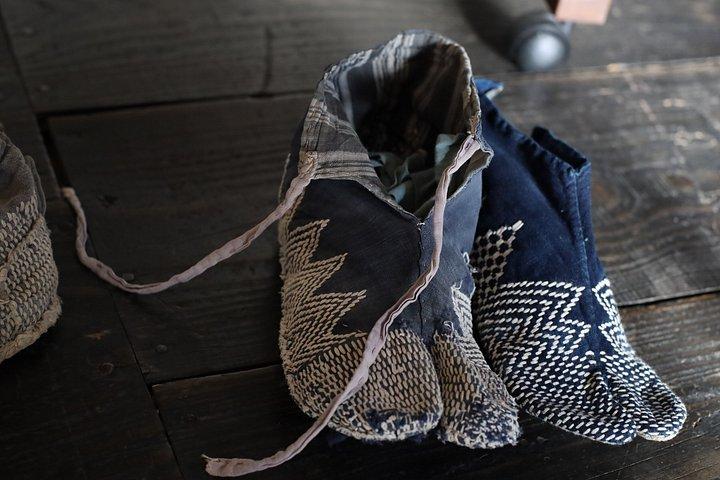
Jun brought a beautiful collection of antique boro and Sashiko-stitched textiles to inspire us—including his incredible hand-stitched sneakers. It was my first time seeing authentic boro pieces from generations past, and it made our time together feel so alive and meaningful. He even plant-dyed the threads included in our Sashiko kits, adding another layer of care and intention to the experience. He also had a mini shop set up with kits, plant-dyed threads, and tools, making it easy for those who want to continue practicing this craft after the workshop.
His instruction was thorough and thoughtful. He began by introducing us to the history of this ancient craft and explained multiple ways of preparing Sashiko thread for our projects—such as where to cut a full skein and how to store thread so it doesn’t get tangled. He demonstrated how to get started, taught us different knotting techniques, and guided us in choosing our stitch pattern templates. He also explained the differences between thick and thin threads, when to use each, and introduced tools like a special chalk pencil for marking patterns.
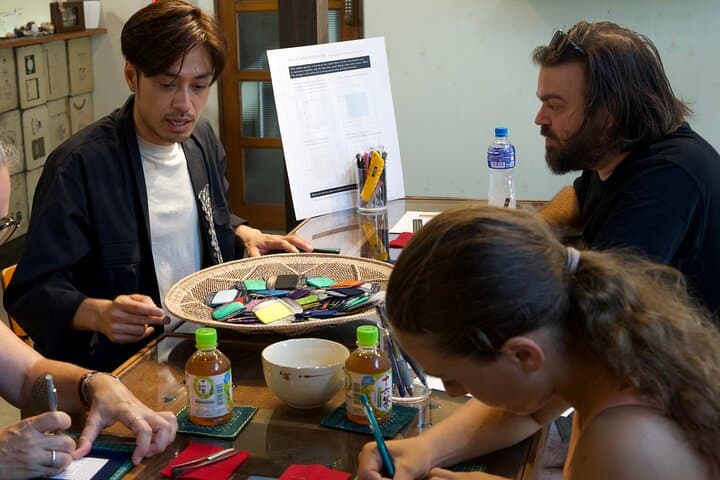
One of the most memorable parts of the workshop was the relaxed stitching time. We sat together as a group, sewing and sharing stories about life in a warm, welcoming atmosphere. His assistant served us green tea along with delicious snacks, including crackers and mochi.
I appreciated being able to ask questions about my own stitching—like how to baste properly and how to make both sides of the work, including the back, look beautiful.
I was especially excited to learn from a Japanese teacher in Japan, and I appreciated hearing how he became a Sashiko artist, as well as learning about his fashion design business in Osaka.
By the end of the workshop, we had all completed our Sashiko-stitched keychains, and I left with a happy smile and a renewed sense of creative excitement for future projects.
Thank you, Jun, for your generosity, inspiration, and for sharing the beauty of Sashiko with us.
1 Personen fanden das hilfreich
Antwort des Anbieters
It’s great to hear the workshop with Jun became such a meaningful highlight of your time in Kyoto. We’re delighted that his deep respect for the craft, along with the antique textiles and plant-dyed materials, helped bring the tradition to life. It’s also wonderful to know the hands-on guidance and relaxed, shared stitching time created such a memorable atmosphere. Your thoughtful words about the experience and Jun’s teaching are truly appreciated.😊
E
ETTA_M
March 20, 2026
Discovering Traditional Sashiko with Jun in Kyoto
Learning Sashiko stitch work from Jun was one of the highlights of visiting Kyoto. From the moment the workshop began, it was clear how deeply he values both the craft and its lineage.
Jun brought a beautiful collection of antique boro and Sashiko-stitched textiles to inspire us—including his incredible hand-stitched sneakers. It was my first time seeing authentic boro pieces from generations past, and it made our time together feel so alive and meaningful. He even plant-dyed the threads included in our Sashiko kits, adding another layer of care and intention to the experience. He also had a mini shop set up with kits, plant-dyed threads, and tools, making it easy for those who want to continue practicing this craft after the workshop.
His instruction was thorough and thoughtful. He began by introducing us to the history of this ancient craft and explained multiple ways of preparing Sashiko thread for our projects—such as where to cut a full skein and how to store thread so it doesn’t get tangled. He demonstrated how to get started, taught us different knotting techniques, and guided us in choosing our stitch pattern templates. He also explained the differences between thick and thin threads, when to use each, and introduced tools like a special chalk pencil for marking patterns.
One of the most memorable parts of the workshop was the relaxed stitching time. We sat together as a group, sewing and sharing stories about life in a warm, welcoming atmosphere. His assistant served us green tea along with delicious snacks, including crackers and mochi.
I appreciated being able to ask questions about my own stitching—like how to baste properly and how to make both sides of the work, including the back, look beautiful.
I was especially excited to learn from a Japanese teacher in Japan, and I appreciated hearing how he became a Sashiko artist, as well as learning about his fashion design business in Osaka.
By the end of the workshop, we had all completed our Sashiko-stitched keychains, and I left with a happy smile and a renewed sense of creative excitement for future projects.
Thank you, Jun, for your generosity, inspiration, and for sharing the beauty of Sashiko with us. It was a gift to learn from you!
Antwort des Anbieters
Thank you for joining the workshop and for sharing such a thoughtful reflection. We’re truly delighted to hear the experience with Jun became such a meaningful part of your time in Kyoto. It’s wonderful that his dedication to the craft, the history, and the small details helped bring everything to life. We’re especially glad the relaxed atmosphere and time spent stitching together made the experience feel personal and memorable. Your kind words about Jun and the workshop are sincerely appreciated.✨
Ähnliche Touren in Kyoto vergleichen
Am günstigsten: Kyoto: Gion Hidden Gems & Geisha Culture Tour — $20
Am besten bewertet: Award-Winning Authentic Ramen Making Experience in Kyoto — 5.0 (2,660 Bewertungen)
Am kürzesten: Sashiko Studio Stitching im Kyotoer Kunstviertel — 1h 30Min