Inka Trail Trekking nach Machu Picchu
Beschreibung
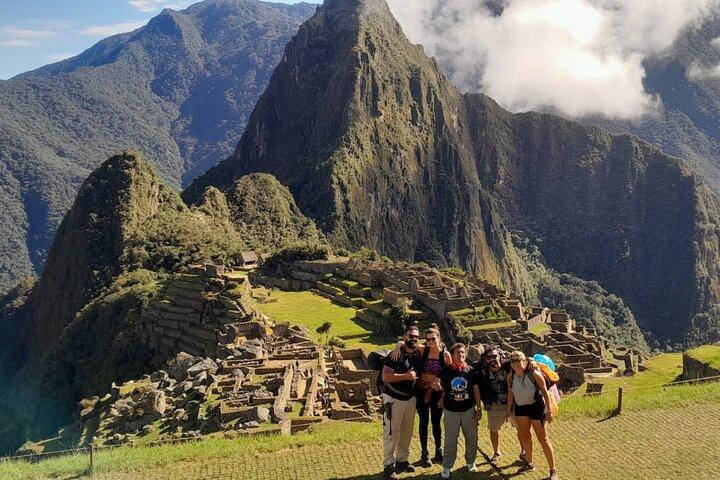
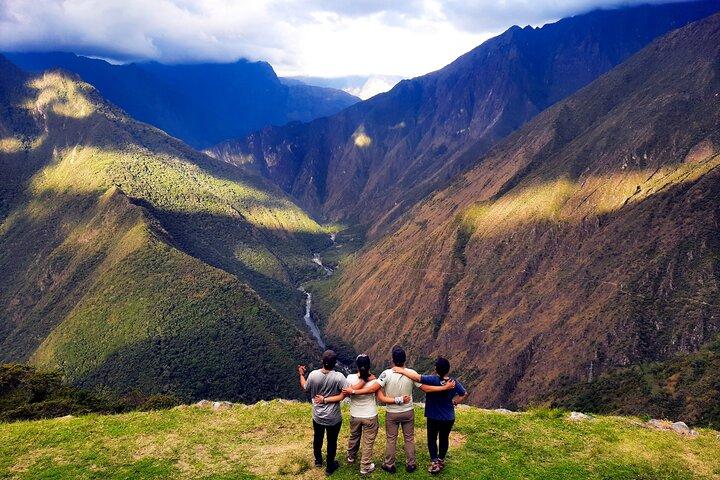
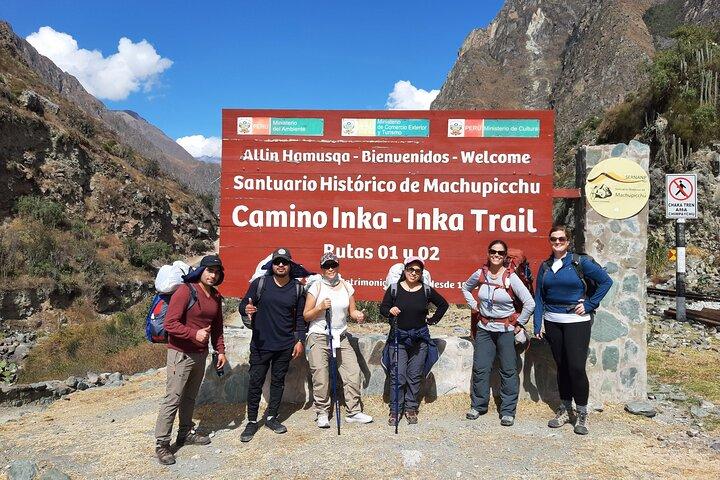
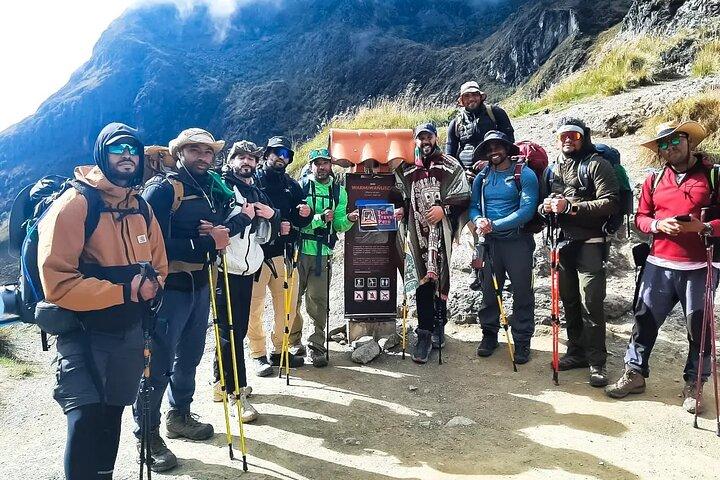
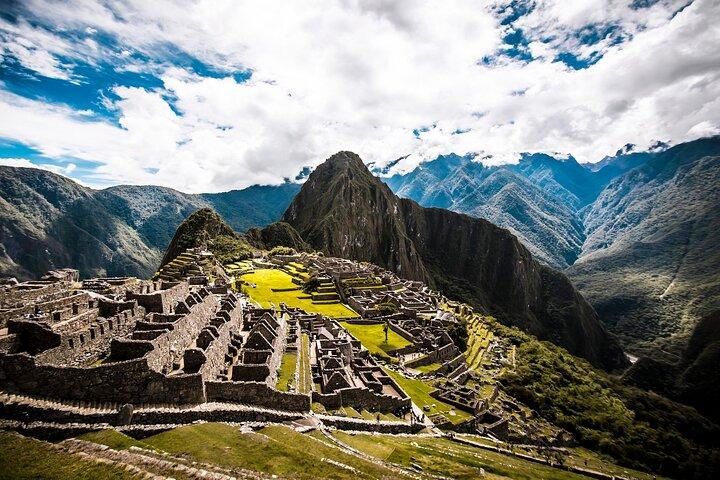
Der Inka-Pfad ist einer der berühmtesten und unglaublichsten Wanderwege der Welt. Der Inka-Pfad nach Machu Picchu ist eines der beeindruckendsten Beispiele für die rund 40.000 Kilometer Straßen, die vor etwa 500 Jahren gebaut wurden. Inka-Straßen wurden durch die Wüsten, das Hochland und den Dschungel gebaut, die sich von Südkolumbien über Peru, Bolivien, Nord- und Zentralchile bis hin zu Nordwestargentinien erstrecken. Der Inka-Pfad beginnt in einer typischen Andenregion und endet in einer Dschungelregion, die durch Nebelwälder, Inka-Tunnel, Brücken und Schnee führt. Der Beginn dieser Wanderung ist eine Gelegenheit, in die Vergangenheit zu reisen und 4 unbeschreibliche Tage mit den Inkas zu leben. Denken Sie daran, der Inka-Pfad nach Machu Picchu ist nicht nur für Ihre Füße, sondern auch für Ihren Geist.
Tour-Optionen
Highlights
Was ist inklusive
Abholorte & -zeiten
Abholung von Hotels in der Innenstadt in der Stadt Cusco
Bewertungen der Reisenden
Wichtige Informationen
- Nicht empfohlen für Reisende mit Wirbelsäulenverletzungen
- Nicht empfohlen für Schwangere
- Nicht empfohlen für Reisende mit Herz-Kreislauf-Schwäche
- Reisende sollten mindestens eine gute Fitness haben.
- Der Inka-Pfad wird im Februar wegen Wartungsarbeiten geschlossen
- Aufgrund der hohen Nachfrage können Zugfahrpläne und Eintrittskarten für Machu Picchu je nach Verfügbarkeit zum Zeitpunkt der Bestätigung variieren. Falls die gewünschten Optionen nicht verfügbar sind, werden gegebenenfalls Alternativen angeboten, was sich auf den Reiseverlauf und den Endpreis auswirken kann. Wir empfehlen dringend, mindestens 3 Monate im Voraus zu buchen.
- In den Zügen können Sie ein Handgepäckstück von maximal 5 Kilo mitnehmen.
- Es wird empfohlen, den 4-tägigen Inka-Trail mindestens 6 Monate im Voraus zu buchen, insbesondere in der Hochsaison von Mai bis August
- Wir empfehlen Ihnen, eine Mütze, eine Wollmütze und Handschuhe, eine wasserdichte Jacke, bequeme Schuhe, eine Sonnenbrille und Sonnencreme mitzubringen
- Wenn Sie die Berge Huayna Picchu oder Machu Picchu besteigen möchten, ist es wichtig, den Platz zum Zeitpunkt der Reservierung anzufordern.
- Diese Aktivität wird für Kinder unter 12 Jahren nicht empfohlen
- Voraussetzung ist eine gute körperliche Verfassung
Bewertungen(1)
We recently took a trek with SAM Tours Peru. My wife and myself were guided by Oscar, the guide, chef Armando, Sous Chef Reinaldo and porters Torrido, Eusebio and Arnulfo. Oscar met us the night before at our hotel in Cusco covering where we were planning to hike and answered any questions. He and then picked us up the next morning at 5.45 for travel by van to the start of the hike at Ollantaytambo. Here we crossed the river and started climbing, fairly gently at first but still enough to feel the height and lack of oxygen in the air. Oscar was very good at calling for breaks to catch our breath disguised as viewing the landscape and vegetation as it changed. The first day, which was relatively short, ended at Wayllabamba camp. As with most of the Inca Trail campsites this is fairly diffuse with 10 or so areas, each large enough for a hiking group to pitch tents, kitchen/dining tent without feeling crowded. The campsite is within a small village and in a super steep sided valley with great views. Dinner was filling and tasty The next morning started at 05.00 with an 6.30 departure from the campsite. The second days trekking had steep climbs, eventually reaching 4,200m at the well named Dead Woman's Pass. Along the way Oscar found regular ways to let us catch our breath, disguised as pointing out interesting plants, discussions of the geography, the Inca philosophy and way of life. We camped overnight at the Pacaymayo Valley Campsite. The third day was long but not so much climbing. We started walking at 06.30 and completed the days' trek at about 17.00hrs. The route was through the "Cloud Forest'. The clouds forms when the humid air from the Amazon basin or the humid air from the sea, depending on the wind direction, gets lifted to 4000 m and the water condenses. This means that the view was largely of cloud but the positive was that this condensed on the vegetation and the result was luxuriant growths of lichen and parasitic plants on the trees in a way I had never before seen. This was all well explained by Oscar as we went along (which also meant we were forced to stop, drink and get our breath back). On the descent to the campsite there are some very steep and long steps to descent. Good walking poles and acre are essential (apart from for the porters who run down them with their massive loads, making us feel very humble.) The night was spent at Wiñayhuayna campsite. Just before dinner Susan and I thanked the trekking staff chef Armando, Sous Chef Reinaldo and porters Torrido, Eusebio and Arnulfo and we showed our gratitude with thanks and some modest appreciation of all the work they had done on our behalf. These men, whose real jobs are as farmers in the Ollantaytambo area, had worked hard for us, without complaint, and with great good humour. The down side to the last night was that we had to rise the next morning at 02.45, leaving the campsite at 03.20. The reason for this is that the porters and cooks had to strike camp and descend to catch a special early train from Macau Picchu Pueblo (previously Aguas Calientes) and we had to hurry down to a covered area which opens for access to the route to the Sun Gate path. Being there in good time means that one is out of the rain for the hour's wait. In the busy period the queue for the gate can stretch for more than 200m with many trekkers being exposed to the rain. The last day's walk was easy compared the previous threewith only Oscar for company. The path was generally very good with generally easy ups and downs. It should be noted that there are some steep steps up to the sun gate, best taken on all fours. Before we knew it we had arrived at Machu Picchu at a higher gate than the day tourists use and started our tour of the site. Oscar once again gave us explanations of the buildings in the town and their Incan construction. After 3 hours, but appearing much less, we caught the bus down to Aguas Caliendes for a well deserved lunch and then the train down to Ollantayambo and minibus to Cusco, again accompanied by Oscar. We must express our thanks to the eternally good humoured trekking staff who fed us well despite the mountains and occasional rain. Carrying their vast weights with good humour and Oscar our Guide who helped us pace ourselves and remain well hydrated along the way.