Aufstand gegen den Sowjet im 1956 - Private Führung
Beschreibung
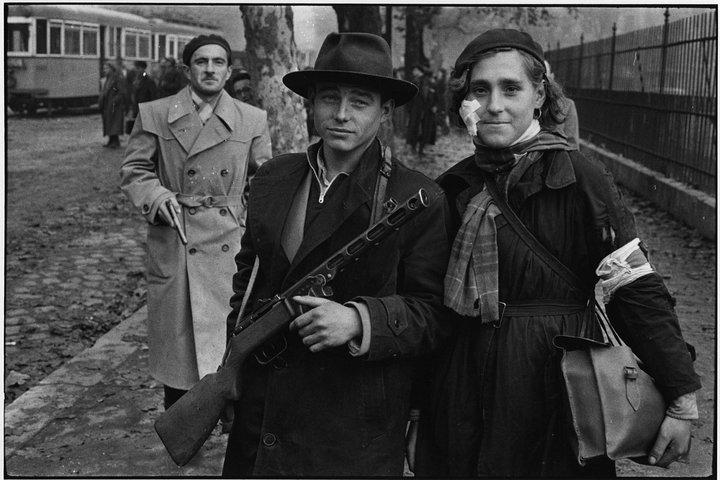
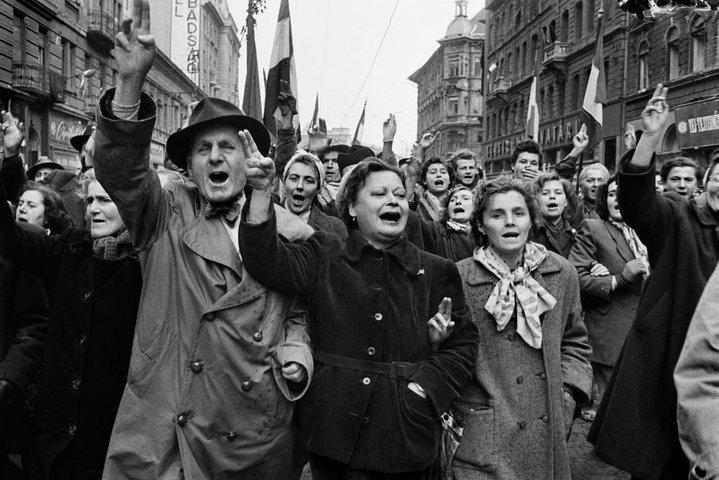
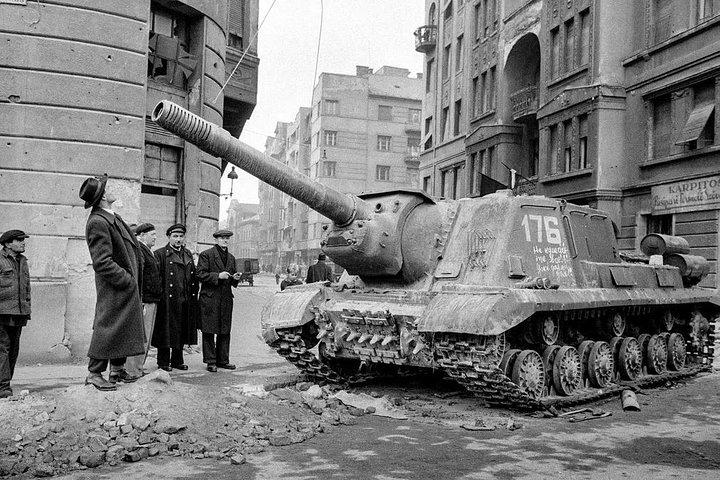
Historiker streiten immer noch darüber, wie die Ereignisse, die durch eine friedliche Solidaritätskundgebung ungarischer Studenten mit dem polnischen Volk am 23. Oktober 1956 ausgelöst wurden, zu bezeichnen sind: Rebellion, Revolte, Aufstand, Volksaufstand, Revolution, Konterrevolution oder Unabhängigkeitskrieg. Die beste Definition stammt aus dem Gedicht Engel vom Himmel von Sándor Márai, das zum Weihnachtsfest 1956 geschrieben wurde: "Ein Volk sagte: Genug!". Die Ereignisse von 1956 erschütterten nicht nur die kommunistische Welt, sondern hatten auch nachhaltige Auswirkungen auf die Weltpolitik. Die kurze Zeit, in der die Ungarn "endlich Freiheit" atmeten, gab ihnen Mut und Kraft, den Rest der ausländischen Tyrannei zu überstehen, bis diese 1989 endgültig zusammenbrach.
Tour-Optionen
Reiseverlauf
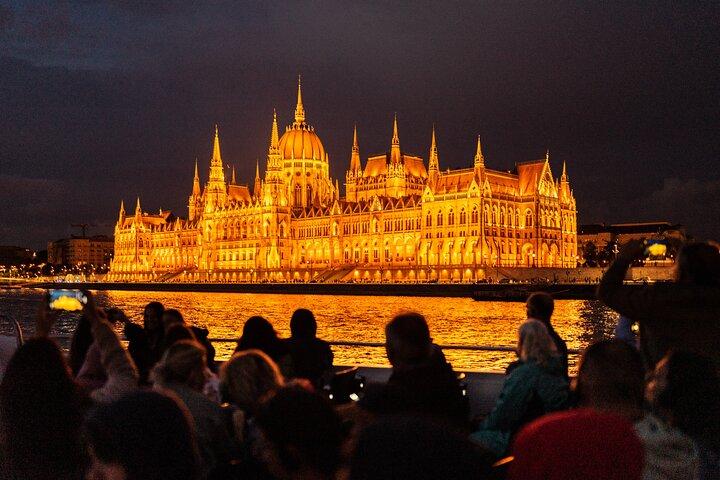
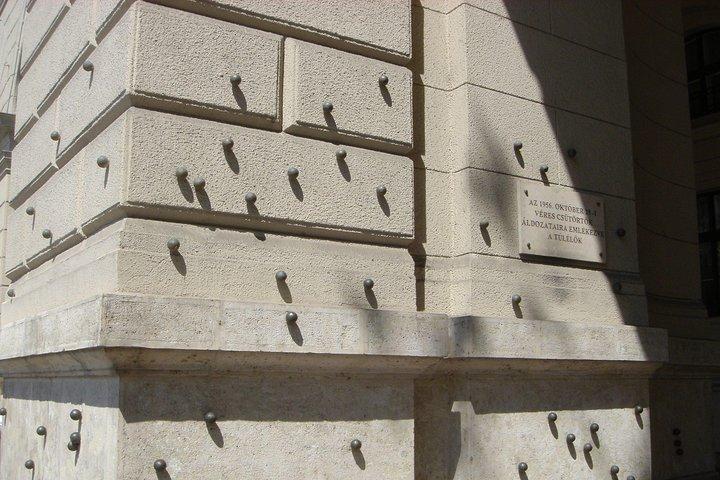
Wir besuchen den Kossuth-Platz, auf dem das ungarische Parlament steht. Neben einigen anderen beeindruckenden Gebäuden auf dem Platz werden wir sehen, wo nach einer Massendemonstration im Jahr 1956 Dutzende von der Regierung massakriert wurden.
Am Donauufer, in der Nähe der Margit-Brücke, steht ein Gebäude, das zu kommunistischen Zeiten als "Weißes Haus" bezeichnet wurde. Es war die Parteizentrale der ungarischen kommunistischen Regierung. Wir werden es besichtigen und auch einen Blick auf die Statue von Imre Nagy werfen, der 1956 Ministerpräsident war und später ermordet wurde.
Wenn wir von der Margaretenbrücke nach Süden gehen, gelangen wir zum Bem-Platz. Auf diesem Platz protestierten 1956 200.000 ungarische Studenten gegen die sowjetische Herrschaft, die ursprünglich zur Unterstützung polnischer Arbeiter organisiert worden waren. Wir besuchen auch das Bambi Eszpresszó, eine Unterkunft für Budaer Intellektuelle in der Frankel Leó utca, die seit den 1960er Jahren besteht und seither sowohl die gleiche Atmosphäre als auch die gleiche Inneneinrichtung beibehalten hat.
Sándor Petöfi war die Schlüsselfigur der Revolution von 1948, und als solche wurde er zum Symbol für den Kampf gegen die Regierung. Die Statue ist auch heute noch ein Treffpunkt für politische Veranstaltungen und Demonstranten. Der berühmte Schauspieler Sinkovits Imre kam 1956 zu der Statue und rezitierte die Worte Petöfis, die zur Revolution aufriefen; anschließend wurde er verhaftet und ins Gefängnis gesteckt.
Das Budapester Magyar Rádió-Gebäude (auch bekannt als Radio Budapest) befindet sich in der winzigen Sándor-Bródy-Straße, einer Einbahnstraße, und liegt etwas abgelegen von den belebteren Durchgangsstraßen der Stadt. Das Radiogebäude war eines der Epizentren der Kämpfe im Jahr 1956, und von hier aus baten die Revolutionäre die Welt um Hilfe.
Im südöstlichen Teil von Budapest war der Corvin köz das wichtigste Widerstandszentrum, in dem 1956 einheimische Jugendliche die eindringenden Russen mit Molotowcocktails und Gewehren bekämpften, die sie den Soldaten gestohlen hatten, um gegen sowjetische Panzer zu kämpfen. Wir werden uns hier die Erinnerungen an die Kämpfe ansehen und über den Einmarsch von 1956 und seine Folgen sprechen.
Highlights
Was ist inklusive
Abholorte & -zeiten
Wir können Sie in Ihrem Hotel in Budapest abholen, oder an einem zentralen Punkt, den wir vereinbaren.
Bewertungen der Reisenden
Wichtige Informationen
- Begleittiere erlaubt
- In der Umgebung sind öffentliche Verkehrsmittel verfügbar.
- Reisende sollten mindestens eine gute Fitness haben.
Bewertungen(11)
Excellent tour for those who really want to immerse themselves in the communist history of Hungary. It does not treat the 1956 revolution in a vacuum. You get an understanding of the seeds sown back in the mid 1800s through the fall if communism in 1990. A lot of Budapest territory covered through public transportation starting in Buda. And ending in Corbin Sq. The tour guide was extremely knowledgeable and provided a lot of personal insights into what life was like before and after 1956. Highly recommend.
Thank you for your kind review. We are glad to hear that our tour left a pleasant impression on you.
Peter has a library of Budapest history in his mind and excels at making the topics easy to understand while offering in-depth coverage of Budapest's long history. We were visiting with our 91 year old father, who'd escaped from Hungary during the 1956 revolution. Peter slowed his pace to allow our father to keep up plus ensured the topics covered were those most relevant to him. He also took us to places that we hadn't heard about like the cemetary where we those killed during the 1956 revolution were buried.
Thank you for reviewing our tour! We are delighted that you visited our small country and took the time to explore Budapest’s hidden gems with us.
The in-depth information from our guide. Beside which, he was so personable and really drew us into the whole culture of the time. We felt we could have easily spent at least another day exploring the sites and discussing the outcomes.
Such a helpful, inspiring tour! Barna was incredibly courteous and full of stories about his unique native country. I wanted to know about Budapest’s history in regards to the Cold War. Any question I asked about the USSR, he had an answer or a tale to tell. He showed me spots where the ‘56 Revolution went down. He explained what was happening and why. He provided me a variety of films to check out. Plenty of good restaurant options, as well! We started in Pest, walked across the bridge to Buda, took the metro back to Pest. I learned a lot and was overly intrigued! Thanks again!
Very interesting sites of the 1956 uprising. Guide chronicled the narrative ell with stories and sites. Little short for $99.
Dear Brenda. I am pleased to hear you liked the tour. You're right, the theme is so big we could have gone on for hours. I am glad that even so the tour lasted half an hour more than advertised.
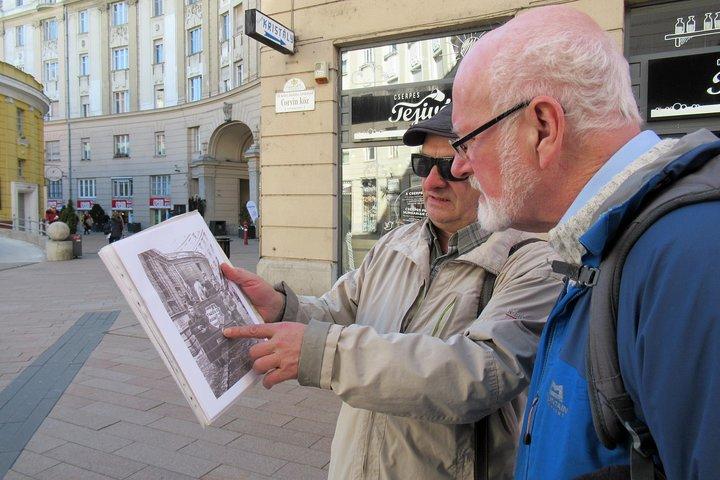
I enjoyed it very much. It was especially good to learn the dramatic events of that day, on the very day - now a national holiday, so the whole city was shut down for parades, flags were everywhere, and everyone was celebrating what you’re about to learn. Miklos Molnar is an experienced historian with the dry irony typical of the Hungarian view of their more than bumpy history. His catalogue of before-and-after photos was excellent if shocking. Interesting, smart, fun, recommended.
Thank you for your wonderful and erudite evaluation. I was so happy to share all the information with the group, let it be tragic, dramatic but in this case mostly the last morsels when people could appreciate freedom at last. Hope to see you again on one of our other tours. Miklós
I always wanted to hear about Hungarian revolution from someone local. Thank you for the chance. I got a total view about that history and got a lot of new info. Thank you.
<p>Tour guide was very polite professional and Knowledgeable. <br/> Spent time explaining key areas and events in Hungarian History.<br/> However, The tour was too general, with not enough time or information devoted to the 1956 Revolution. the reason why we had booked this tour. we had studied the Revolution before and a lot of key areas where missed, even though we walked past them.<br/> With that, we did learn about other areas of Hungarian History and visited places we had not been Before.<br/> The tour guide did admit that this was the first time he had taken this tour.</p>
<p>Mikolos was great. Very interesting tour very informative. Highly recommend</p>
<p>The tour takes you to the important sites of the revolution. My guide was able to answer all my questions and provide valuable information of each location and its relevance to the revolution. I definitely recommend it to anyone interested in Hungarian history.</p>