Dharavi & Mumbai Street Food: A Local Life Itinerary
See the Mumbai that keeps the city running: the workshops of Dharavi, the open-air laundry of Dhobi Ghat, the dabbawala lunchbox network and the street-food stalls of the evening bazaars. This local-life itinerary favours respectful, community-led tours led by local guides — with the best-rated experiences to book for each.
At a glance
- 1Dharavi small-industry walk
- 2Dhobi Ghat open-air laundry
- 3Dabbawala lunchbox network
- 4Evening street-food & bazaars
Dharavi: a working neighbourhood, not a spectacle
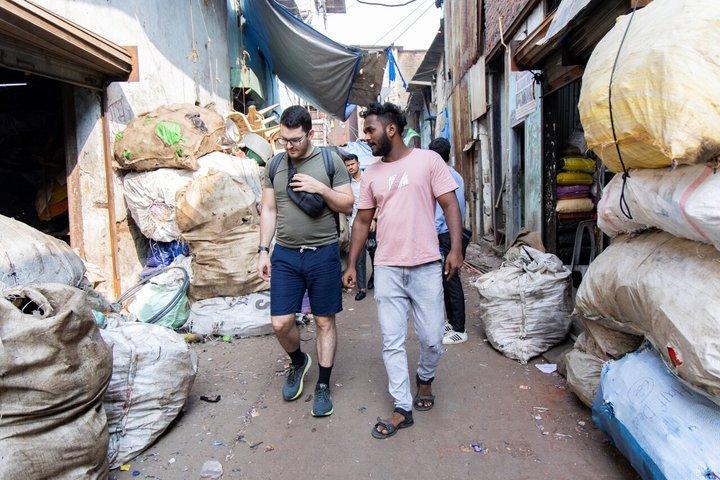
Dharavi is one of Asia's most productive districts, home to an estimated billion-dollar economy of recycling, leather, pottery and textile workshops. Responsible, community-led walks are guided by local residents, keep group sizes small and usually ask that you leave your camera away out of respect. Expect to meet artisans and small manufacturers and to come away with a picture of enterprise and community rather than hardship.
Dhobi Ghat and the dabbawala system
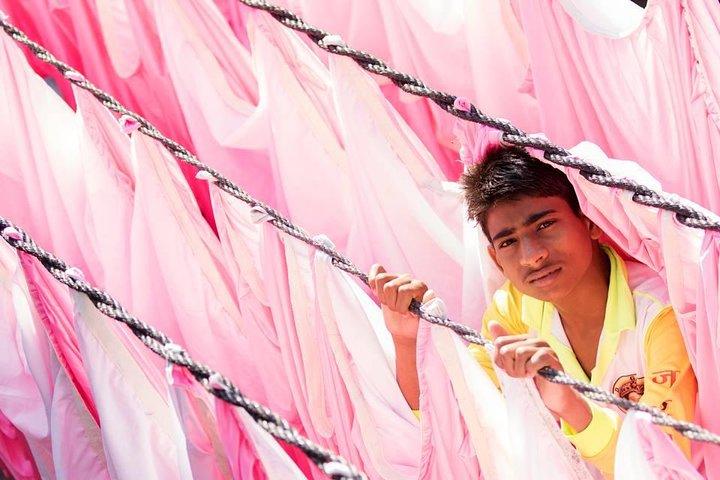
Close by, the Mahalaxmi Dhobi Ghat is the world's largest open-air laundry, where hundreds of washers work rows of concrete pens by hand. Pair it with the story of Mumbai's dabbawalas, the lunchbox carriers who deliver thousands of home-cooked meals across the city each day with famous, almost error-free precision. Together they reveal the logistics and craft that quietly keep everyday Mumbai moving.
Eating through the bazaars
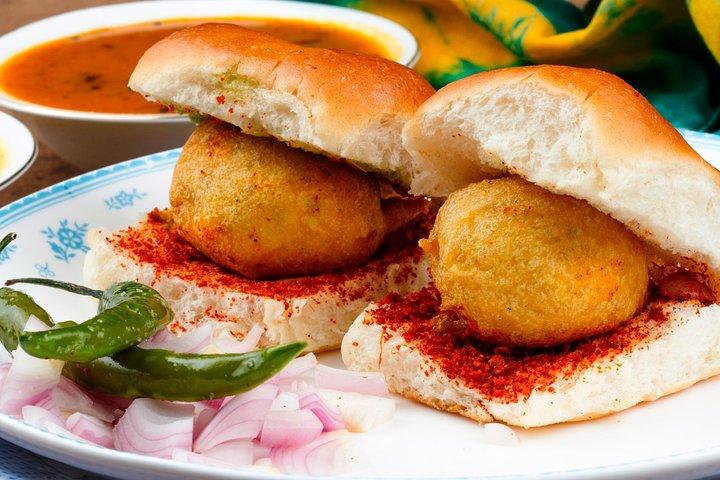
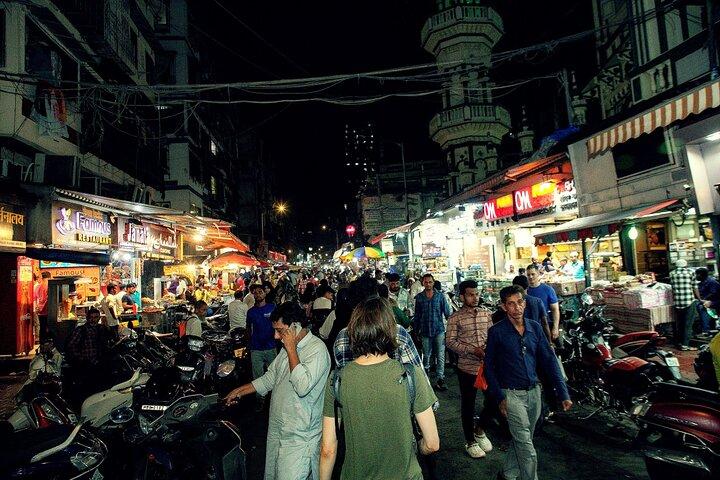
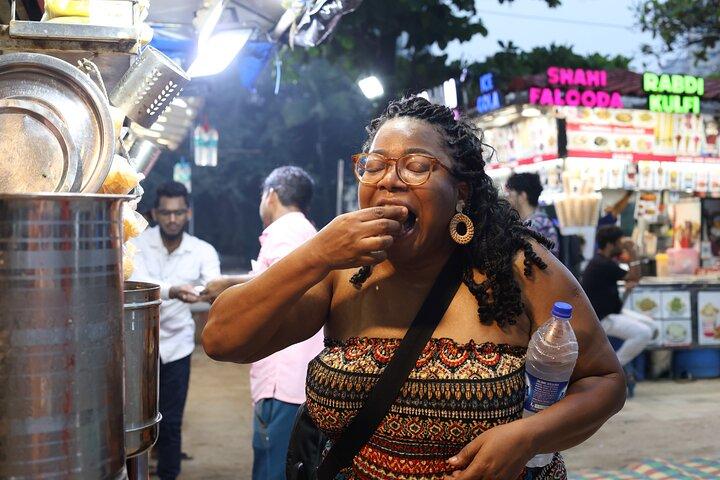
Finish with a street-food walk through the evening bazaars, tasting vada pav, pav bhaji, bhel puri and kebabs alongside a guide who knows the trusted, high-turnover stalls. Tours weave through market lanes near Crawford Market and the old town, mixing food with the everyday rhythm of local life. Come hungry — the tastings usually add up to a full dinner by the time you finish.
Book the experiences in this itinerary
Top-rated tours for exactly what this plan recommends in Mumbai — prices per person.